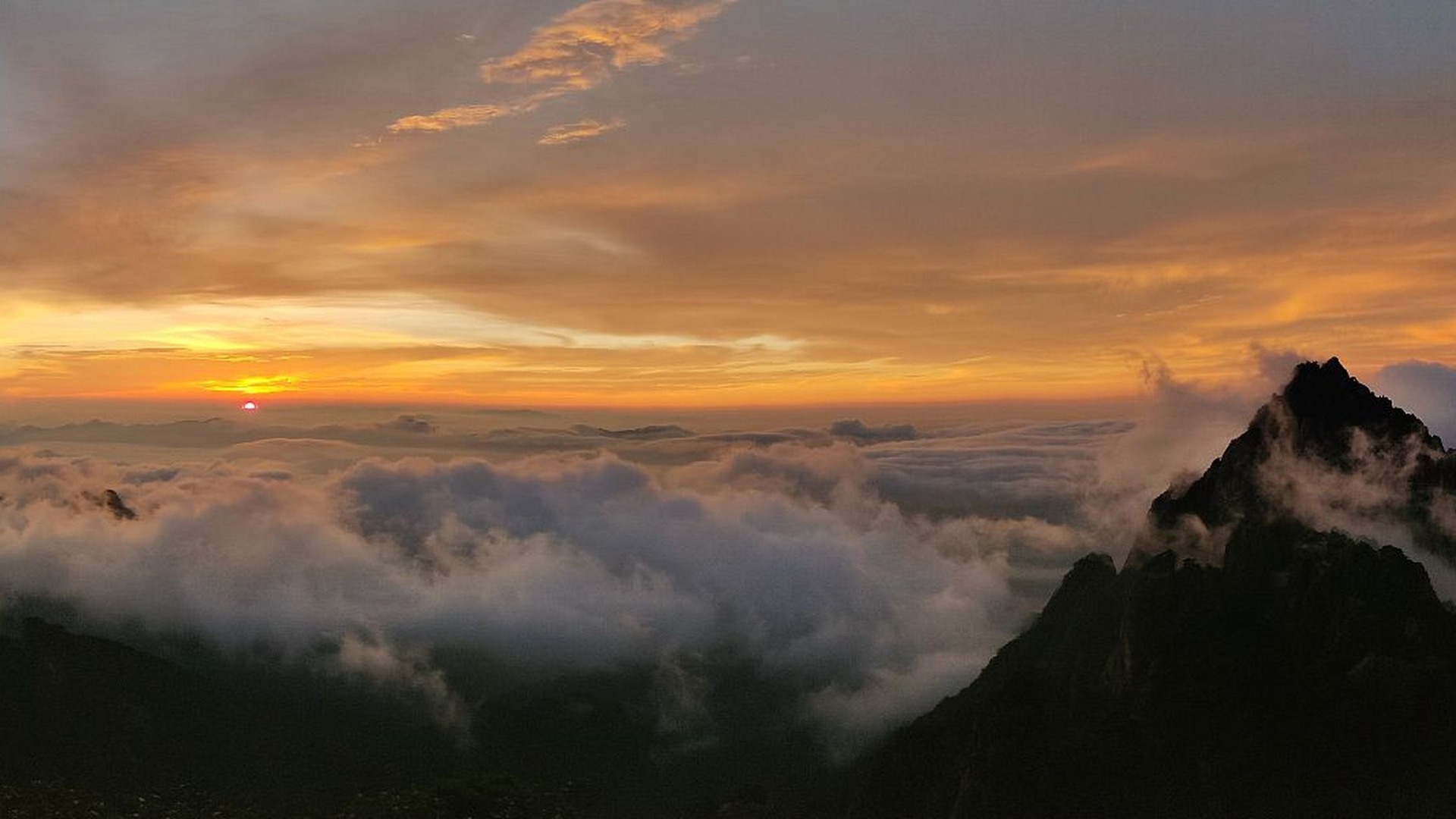
Huangshan is not a Suzhou day. It is not even a long Shanghai day.
Western guests usually arrive with the same sentence: “We have five or six days in Shanghai and Hangzhou—can we add the Yellow Mountain?” The honest answer depends on which week they already hold, and on one non-negotiable: the night on the ridge. Everything else can be cut. That cannot.
The short version: Shanghai Hongqiao to Huangshan North is about 2 h 45 on a typical train; the fastest Hongqiao runs are a little over 2 h 15. Hangzhou East is 1 h 20–1 h 45; Hangzhou West can be a few minutes faster. The station is not the mountain. Tunxi town sits about 25 minutes from Huangshan North; the south gate at Tangkou is another 50 minutes to 1 h 15. Leave Shanghai after breakfast, come back for dinner, and you have spent seven hours in a seat for four hours of stone steps in flat light.
So we do not sell Huangshan as an insertion into an afternoon. We sell the existing three-day bolted onto the end of a week you already have—after Hangzhou, or after a Shanghai garden stay—with one night in Tunxi and one night on the ridge.
This page is the join, the clocks, and the drop list. The ridge night itself is its own page; the mountain and the villages sit on the Huangshan destination page.
The short answer: which week takes the mountain
One line: Huangshan goes on the end of an east-China week, never in the middle of one. The middle is where itineraries die.
The three-day that already exists
3-Day Private Huangshan Tour: the Ridge and Hongcun. This is the product the join feeds into.
Inside the price: two breakfasts, the guide, the vehicle, both hotels, park transfers, and the entrance tickets on this route, including the Yungu cable up, the cable down, and Hongcun. Outside: lunches, dinners, the onward ticket, and anything that week’s notice closes. The email quote is the price for your dates.
That is the whole product. Short, and deliberately so—because the third day is not a sightseeing day. It is a transit day with a village in it.
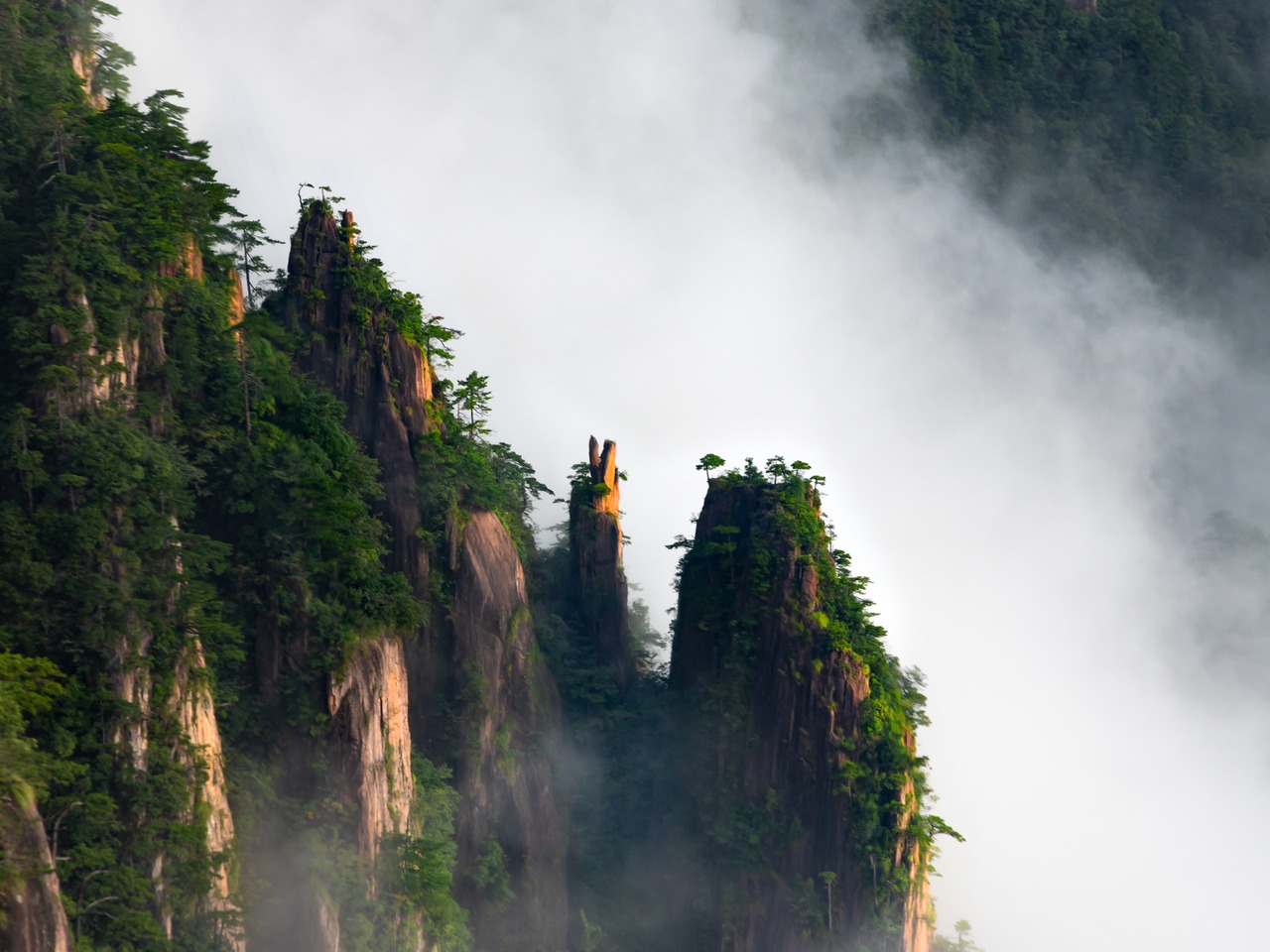
Rail clocks and the last mile
Western guests ask the seat math before they ask about the view. Here it is, as the 2026 timetable runs. Check 12306 for the train you actually hold.
Two names that catch people: Huangshan North is the high-speed station; Huangshan is the older town station and not where you want to end up. Book Huangshan North, in the passport name that matches the mountain gate.
The clean join: after Hangzhou
Hangzhou is the right last lake day, and the cleanest join on the east-China sheet.
The shape: West Lake and Meijiawu in the morning → Hangzhou East to Huangshan North after lunch → Tunxi that night. That is Day 1 of the three-day. Nothing is repeated, nothing is rushed, and the mountain gets a full morning rather than a stolen afternoon.
On the 7-Day Private China Tour: Shanghai, Nanjing, Suzhou & Hangzhou, Day 6 already returns you to Shanghai. Two options, and only two:
Keep the seven-day exactly as written, then start the Huangshan three-day the next morning from Shanghai Hongqiao. This costs one extra Shanghai night and one 2 h 45 rail leg.
End the seven-day in Hangzhou, skip the Day 6 return, and train to the mountain that afternoon. This is the better trip and the tighter sheet.
Then: fly or train out of Huangshan on the third mountain day, or return to Shanghai that evening only if the international departure has to be Pudong or Hongqiao. We print which one, because “we will figure it out” is how people miss the ridge sunrise.
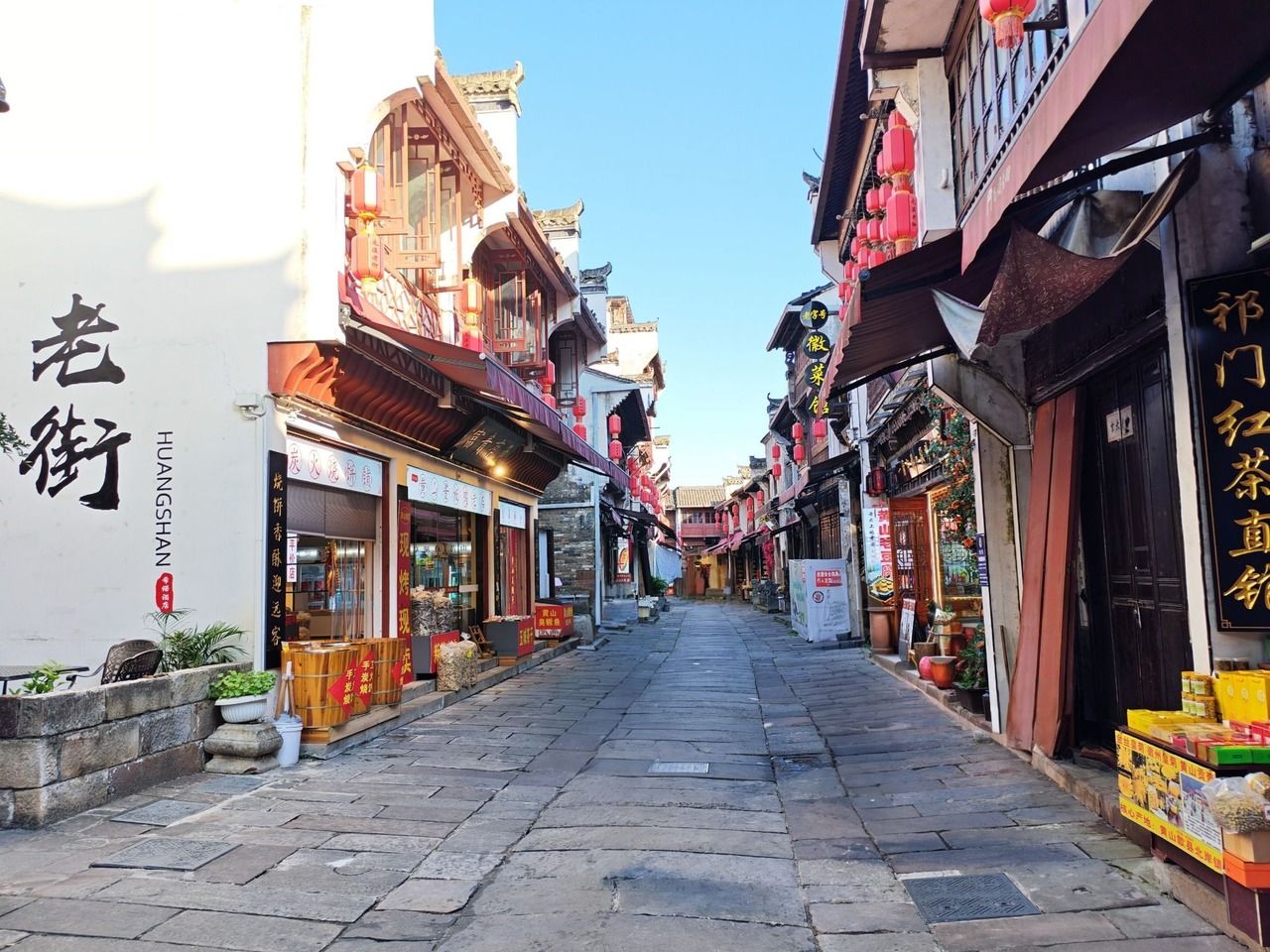
After a Shanghai garden stay
Four days in Shanghai with one full day in Suzhou keeps every night in the city. That is a good week. When it ends you still have a morning—and the morning has a decision in it.
The gardens want a slow afternoon; the mountain wants the night on the ridge. If the four-day Shanghai stay is the point of the trip, add the three-day after it. If the mountain is the point, keep Suzhou as the one-day from Shanghai and go. Do not try to hold both at full length inside the same six days unless Wuxi and Nanjing are already off the sheet.
What you drop when the week is already full
A week that already carries Wuxi, Nanjing, Suzhou and Hangzhou does not also get Huangshan. Something comes off, and it should be chosen on purpose rather than discovered at the station.
Tickets, reservation, and the clock that decides
This is the part most foreign-facing pages skip, and it is the part that actually breaks trips. Figures below are the park’s 21 January–19 December 2026 notice. After that date, use the next notice.
These are the park’s own prices. The three-day quote already includes the entrance tickets on this route: the park, the compulsory shuttle, the Yungu cable up, the cable down, and Hongcun. A guest does not pay them a second time. The West Sea Canyon sightseeing cable is not that ticket. Lunches, dinners, and the onward train or flight sit outside the quote.
The clock that decides the trip:
• Reservation is compulsory. Entry is real-name, time-slotted, and direction-specific, sold on 黄山旅游官方平台 (Huangshan Tourism Official Platform). Book at least one day ahead; three days ahead on a public holiday. There is no “we will buy at the gate.” • Park hours (from 5 March 2026): 5 Mar–30 Nov, 07:00–17:10 weekdays, 06:30–17:40 weekends and short holidays; 1 Dec–4 Mar, 08:00–16:40. • Hiking gates close to uphill entry at 15:00. After 15:00 the trail checkpoints are exit-only. A late train into Tangkou does not mean a late start—it means no start. • Last cable car up is tied to those hours, not to your enthusiasm. The ridge hotel is reached on stone steps after the cable car, so the day’s margin is the cable, not the sunset. • The West Sea Canyon is seasonal. Winter closure is normal; the week’s notice is the only authority. • A first-day reservation that is never checked does not start the three-day re-entry right. Check in on Day 1. For Day 2 on the ridge, reserve again online.
What we do with this: we book the slot, the shuttle and the cable in the guest’s passport name before we book the ridge hotel, and we tell them the 15:00 line in the quote. Guests who arrive at 14:00 with a 16:00 hotel check-in do not get a mountain—they get a very expensive bus ride.
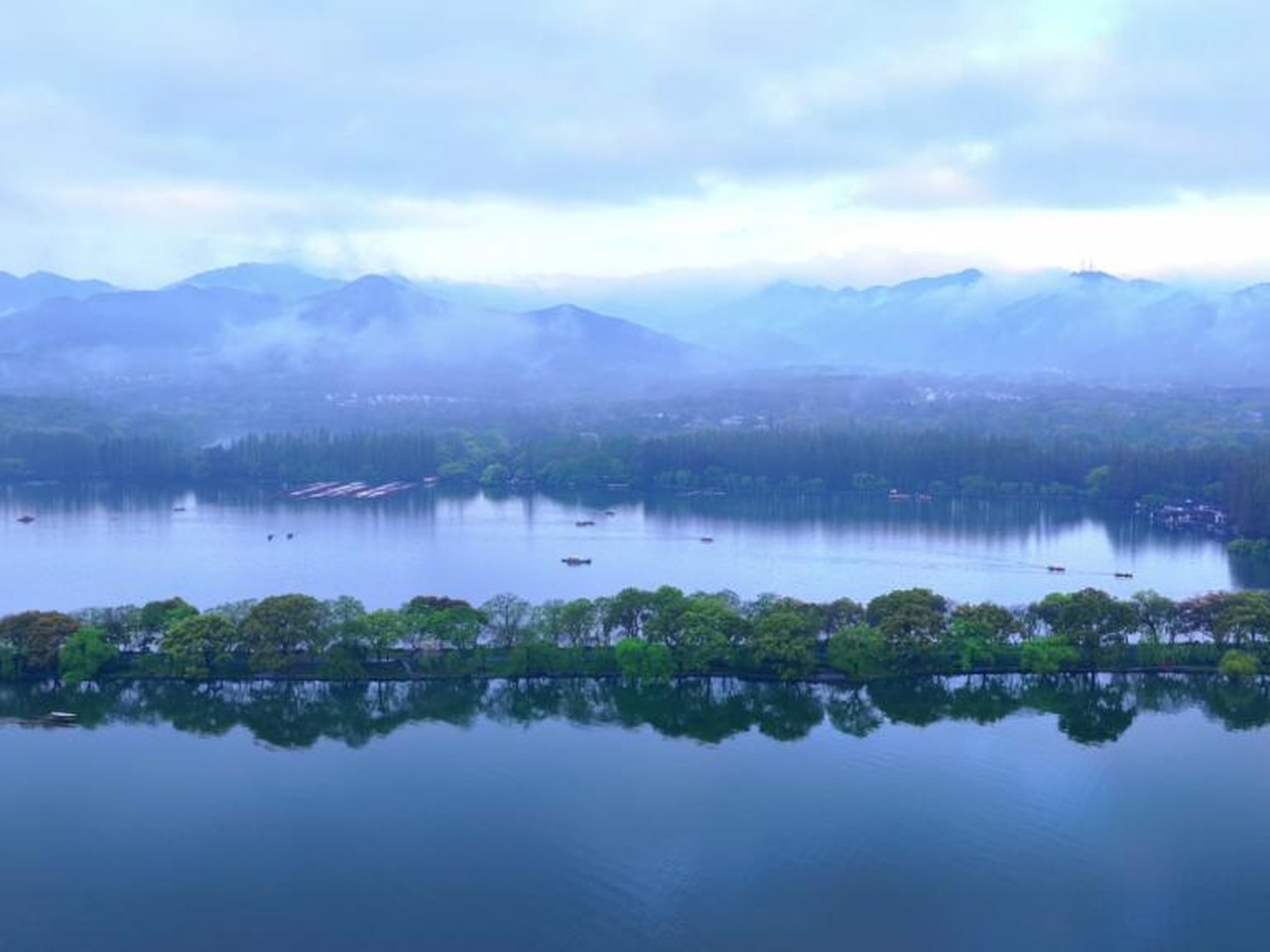
What the ridge night actually buys
Not romance. Margin.
The honest caveats: the ridge hotels sit on stone steps, not on a road; the large suitcase does not come up; and the sunrise is weather, not a promise. What the night buys is position—you are already where the light happens, so a clear dawn is a gift rather than a gamble on a 05:00 drive.
Bags, stations, and the 240-hour question
Bags. Large suitcase in Tunxi, small pack on the ridge, and the ridge pack has to be carryable up steps. This is the single most common packing mistake on this route, and it is ours to prevent, not the guest’s to discover.
Stations. Book Huangshan North. The ticket carries the passport name, and the same name has to open the mountain gate—the timed-entry system is not forgiving about a nickname on a booking form.
The 240-hour visa-free transit question. Anhui has been inside the 240-hour visa-free transit area since 17 December 2024, with the whole province open to movement. Huangshan Tunxi International Airport and Hefei Xinqiao are Anhui’s designated entry ports. As of 20 August 2026, the National Immigration Administration lists 57 countries, 65 ports, and 24 provincial-level regions. Cross-province travel inside the permitted area is allowed, so Shanghai → Anhui is a legal movement on that waiver.
What still has to be true:
• The passport is on the current 57-country list. • You enter at a designated port, not any border. • You hold a confirmed onward ticket to a third country or region. • The 240 hours start at 00:00 the day after you enter.
If any of those fails, the mountain needs a visa or a different waiver—and that is a question for the guest’s own consulate, not for a tour page. We flag it at enquiry because a 240-hour plan that collapses at immigration takes the whole week with it.
What we would not do
• Sell Huangshan as a day trip from Shanghai. Two 2 h 45 legs and a 15:00 gate do not make one. • Insert the mountain into the middle of the seven-day East China week. • Promise a sunrise rather than a position for sunrise. • Quote the mountain without the timed-entry slot and the Tangkou shuttle in the guest’s name. • Take Suzhou and Huangshan as consecutive rushed days and call the result relaxed. • Cut the ridge night to save a day, then sell the same product under a shorter name. • Assume 240-hour transit covers a guest without checking the passport, the entry port and the onward ticket.
About East Marvel
East Marvel builds private China weeks for Western and international guests—rail, transfers, gate slots and hotels in one hand. For Huangshan we ask one question before we quote: which week is it joining, and what comes off? The three-day is fixed; the join, the drop list and the 15:00 gate are what we work out per guest.
Related reading: Sleep on the Ridge. That Is the Huangshan Day; Huangshan destination (the mountain, Hongcun and the villages); East China by the number of days you have; Hangzhou; Suzhou; Shanghai.
How to start: send the Shanghai arrival date, whether Hangzhou is already on the sheet, and the day you must fly home. Say whether the onward ticket leaves from Huangshan or returns you to Shanghai, and—if the seven-day is already booked—whether it ends in Hangzhou or still returns on Day 6. We will put the three-day on the end, keep one ridge night, and keep Hongcun only if the last train or flight is late enough.
FAQ
Can we do Huangshan as a day trip from Shanghai? No. About 2 h 45 each way, then 50 minutes to the gate, a 15:00 hiking cut-off, and the ridge two hours of walking above the cable car. A day trip means seeing the mountain from a bus window.
How many days do we actually need? Three, with two nights: one in Tunxi, one on the ridge. Two days means one of those nights goes, and the product turns into a rushed transit.
Is Hangzhou or Shanghai the better start? Hangzhou. 1 h 20–1 h 45 from Hangzhou East; Hangzhou West can be a little faster. The lake is then the last soft day instead of a detour back west.
Do we need to book the park in advance? Yes. Entry is real-name, time-slotted, and direction-specific, with no walk-up sales. The shuttle and cable are booked with it. We hold the slot before we hold the hotel.
What sits outside the three-day price? Lunches, dinners, and the onward train or flight. The park entrance, the compulsory shuttle, the Yungu cable up, the cable down, and Hongcun are inside the quote. The park’s own peak figures, so the quote can be checked against them, are entrance ¥190 (21 Jan–19 Dec 2026), the shuttle about ¥19 one way, Yungu ¥80 one way, and Hongcun ¥104 at the window. Winter and anything after 19 December 2026 follow the park’s next notice.
Can we keep the big suitcase on the ridge? You can carry it, and you will regret it. Ridge hotels are reached on stone steps. The suitcase stays in Tunxi.
Does the 240-hour visa-free transit cover Huangshan? Anhui has been inside the area since 17 December 2024, and Tunxi airport is a designated entry port—so usually yes, if the passport is on the 57-country list (as of 20 August 2026), entry is at a designated port, and there is a confirmed onward ticket to a third country. The 240 hours start at 00:00 the day after you enter.
What closes without warning? The West Sea Canyon in winter and in some other weeks. That is why the week’s notice—not the guidebook—decides that walk.
Closing
Add Huangshan at the end of the east-China week, after Hangzhou if you can, after a Shanghai garden stay if that is the sheet you hold. Keep the night on the ridge, keep Hongcun only when the last train runs late, and drop Wuxi, Nanjing or a second tea morning before you drop the mountain’s margin.
The mountain is not the hard part. The join is. Decide which week you are joining it to, and the rest of the page is arithmetic.