An East Marvel Destination Guide. Updated November 10, 2026.
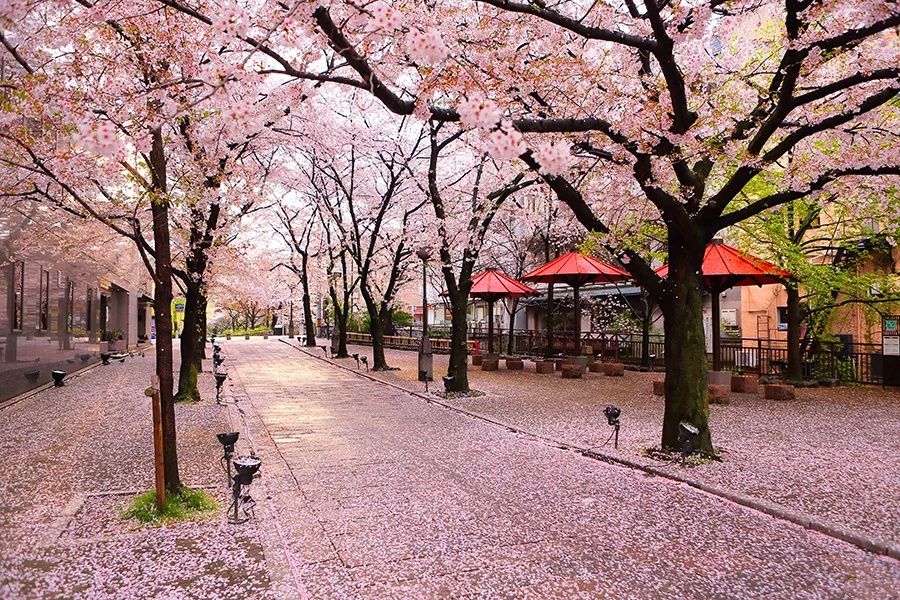
Picture the Philosopher's Path in Kyoto at seven in the morning. The canal is still, the branches are pink, and the gravel path is empty enough that you can hear your own shoes. By ten, that same path is a queue. The trees did not change. The hour did.
Cherry blossoms are a seven-to-ten-day window, not a season you can wander into. Get three things right and the week works: the cities, the week, and the hotel, booked before anything else.
This guide is for spring 2027. It does not promise full bloom. Nobody can. It sets out the dates that are most likely, how far they can slip, which cities cover for each other, where the money goes, and where the crowds will stop you.
East Marvel's Japan route is specific. You fly into Tokyo and out of Osaka, with Mt. Fuji, Kyoto, and Nara on a line that never doubles back. On spring departures we add Chidorigafuchi, Shinjuku Gyoen, and Maruyama Park, and only when the bloom is actually on. The judgments below come from running that corridor year after year.
Seven Calls for 2027
Full-bloom window. Tokyo around March 27 to April 3. Kyoto March 28 to April 5. Osaka March 31 to April 8.
The overlap week. March 29 to April 5, the highest chance all three cities are on at once.
Why that week is crowded. Easter Sunday is March 28. Much of Europe is off March 26 to 29. Tokyo public schools are out March 26 to April 5.
Error bars. A single city moving five days either way is normal. Year to year, the season can shift by one to two weeks.
Book by. December 2026. Late-March Kyoto rooms start tightening in November.
The forecast worth waiting for. The Japan Meteorological Corporation's first call lands mid-to-late December 2026. Treat it as a shoulder season, more in Gion, Kawaramachi, and around Lake Kawaguchi.
Crowd peak. Weekends, 10:00 to 15:00. Worst at Kiyomizu-dera, Ninenzaka, the Nakameguro stretch of the Meguro River, and Ueno Park.
One line: if you can only pick one week, pick March 29 to April 5. If you have slack, slide three days earlier than March 25 or three days later than April 8. The trees are kinder, and so are the room rates.
Japan's Golden Week is a different thing. It runs April 29 to May 6. By then, Tokyo and Kyoto are green. Hirosaki and Hokkaido are the places still in flower.
How we read the 2027 season
1.1 The date is set by winter, then by March
Somei-yoshino, the tree you see in almost every city park, sets its buds the previous summer and then goes dormant. Two things decide the bloom. Winter has to get cold enough to break that dormancy. March warmth decides how fast the tree sprints to flower.
A mild winter and a fast March warm-up pull the bloom forward. Tokyo's full bloom fell in late March in five of the last six years. The exception was April 4, 2024. First bloom has been as early as March 14, in both 2021 and 2023. A cold snap in early or mid-March holds the season back by several days. After the flowers open, temperature decides how long the petals hold. One storm can take a tree from full bloom to bare branches in a day.
That is why a date given a year ahead can only be a window, and why the forecasters tighten their call in early March.
What 2026 actually did
Tokyo. First bloom March 19. Full bloom March 28. A normal full bloom is March 31. From 2021 to 2026, full bloom ran March 22 to April 4.
Kyoto. First bloom March 23. Full bloom March 30. Normal is April 4. The six-year range is March 24 to April 5.
Osaka. First bloom March 26. Full bloom April 3. Normal is April 4. The six-year range is March 27 to April 6.
Sapporo. First bloom April 18. Full bloom April 24. Normal is May 6. The six-year range is April 21 to April 27.
Tokyo opened five days ahead of normal and hit full bloom three days early. Kyoto opened three days early and reached full bloom five days early. Osaka was one day early on both. The north moved more. Sapporo's full bloom, April 24, was twelve days ahead of its May 6 normal. Aomori, the specimen tree nearest Hirosaki, reached full bloom on April 16, ten days ahead of its April 26 normal. From 2021 to 2026 that tree's full bloom ran from April 11 to April 22.
Early is the recent pattern on the Tokyo–Kyoto–Osaka line, and stronger in the north. It is not a law. Fukuoka went the other way in 2026: first bloom on March 24, two days late, and full bloom on April 3, three days late. A mild winter does not move every city in the same direction.
Windows to design around for 2027
These ranges are built from the 2026 observations and the normals. They are a way to hold hotel dates. They are not a forecast, and they are the wrong basis for a nonrefundable fare. Where the last six years and the normal disagree, the visit window covers both.
Tokyo. First bloom March 20 to 28. Full bloom March 27 to April 3. Suggested visit March 25 to April 6.
Hiroshima. First bloom March 19 to 27. Full bloom March 27 to April 2. Suggested visit March 24 to April 4.
Kanazawa. First bloom March 27 to April 3. Full bloom April 2 to 9. Suggested visit March 31 to April 10.
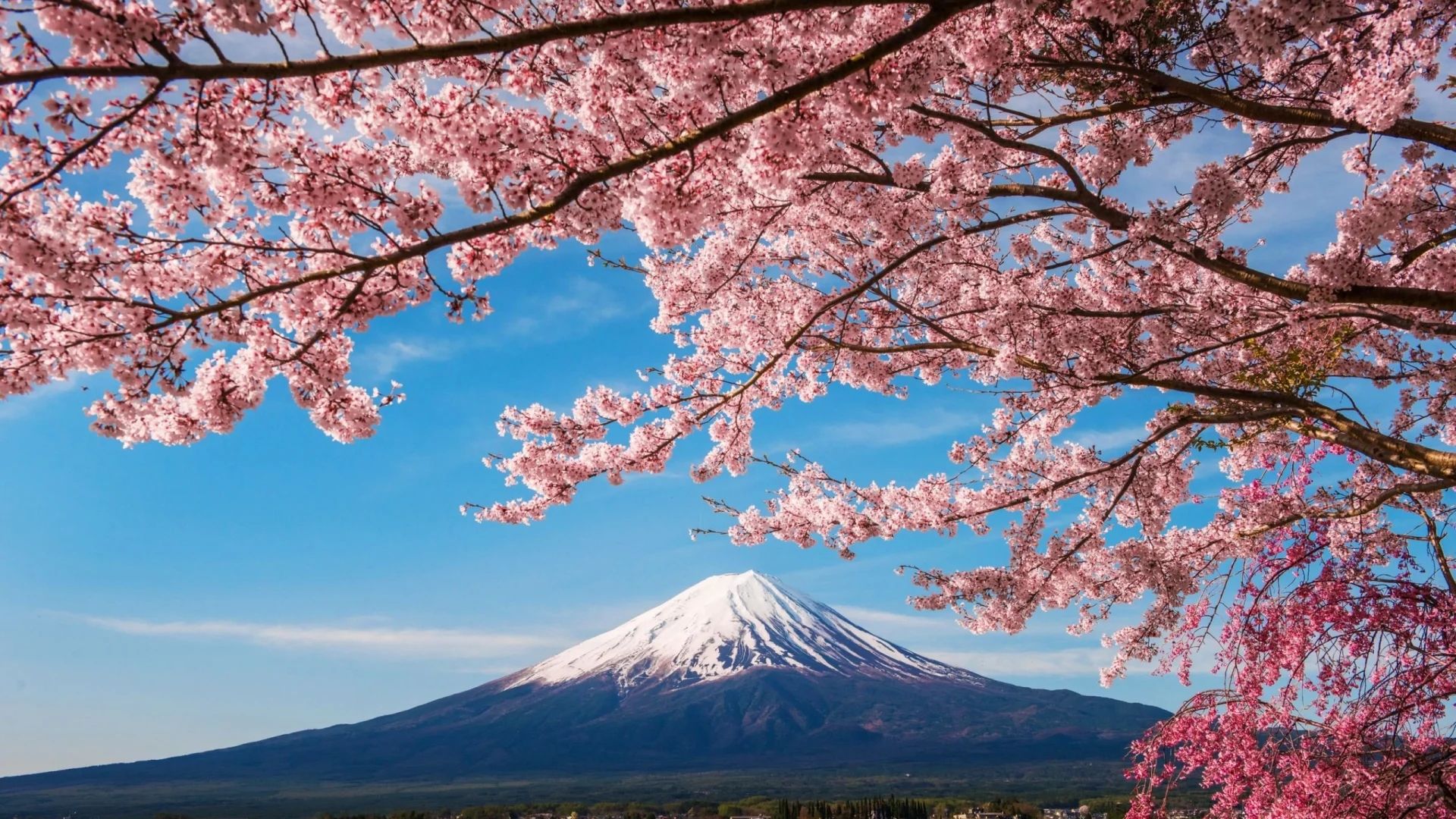
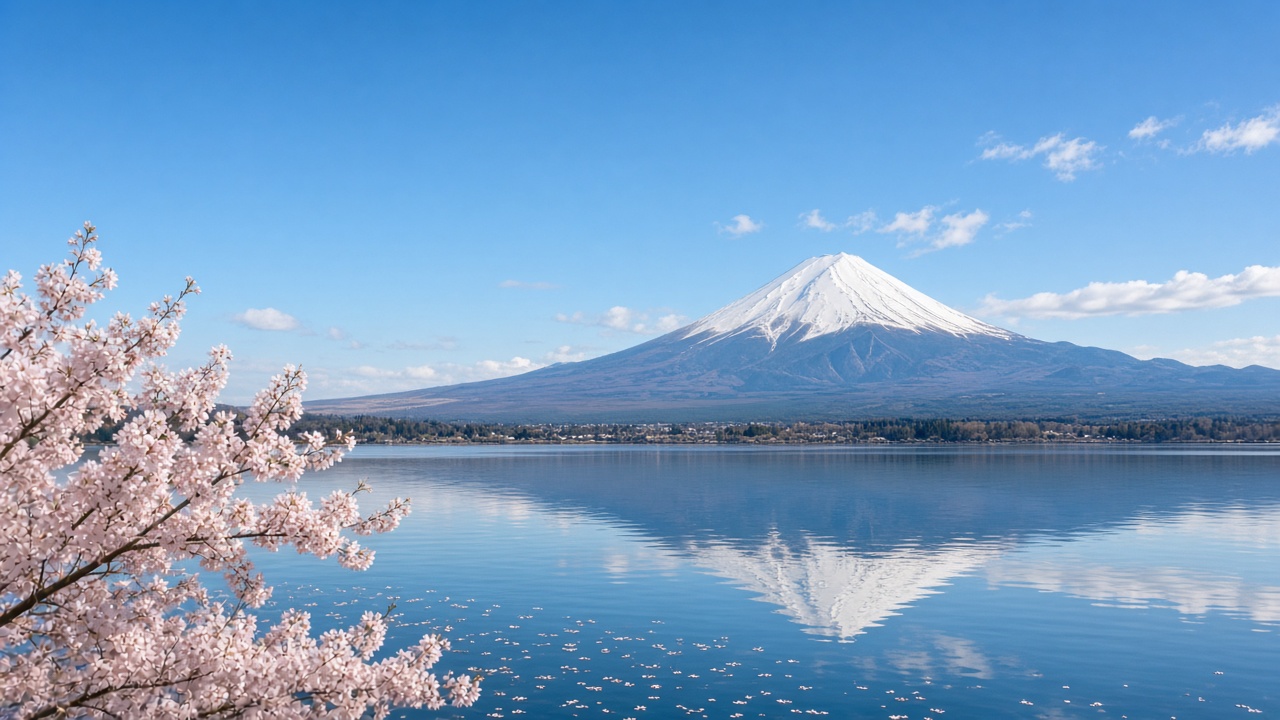
Mt. Fuji and Lake Kawaguchi. First bloom April 2 to 10. Full bloom April 7 to 14. Suggested visit April 5 to 15.
Takayama. First bloom April 5 to 12. Full bloom April 10 to 16. Suggested visit April 9 to 17.
Okinawa. First bloom mid-January to early February. Full bloom late January to mid-February. Suggested visit January 20 to February 10.
The Hirosaki Cherry Blossom Festival is set for April 16 to May 5, 2027. In 2026 the festival was pulled forward to April 10 when the bloom ran early, so treat April 16 as the published opening, not a promise. The petal carpet on the moat comes after full bloom, which is why the later festival days still earn the trip if the trees have already peaked.
The forecast worth waiting for. The Japan Meteorological Corporation's first call lands mid-to-late December 2026. Expect the 2027 call in the same mid-to-late December window. On the company's own past January releases, the call has landed within about three to five days. What is worth replanning around is the early-March update, and then the daily bloom reports through the second half of March.
Full bloom is rarely the best hour. The picture you want is usually one or two days before the specimen tree is called full, or two or three days after, when a gust lifts the petals.
Hanafubuki, the petal storm. Three to five days after full bloom. One gust and the air fills. Rain hurries it. A tree can be bare in a day or two.
The other cherries
Hazakura, the leaf cherry. Petals gone, new leaves out, the canopy turning green, a few flowers still on. The pink waterfall, where one tree is the whole view, is the weeping cherry in Maruyama Park and at Heian Jingu.
Yama-zakura, mountain cherry. Late March to early April. Flowers with young leaves, whiter and wilder. Mt. Yoshino, and the hills around Nara Park.
Yae-zakura, double cherry. Early to mid-April. Double petals, deeper pink, about a week behind Somei-yoshino. Shinjuku Gyoen, Kyoto Gyoen, and the Japan Mint passage.
Kawazu-zakura. February to early March. Deep pink, nearly a month of bloom. Kawazu on the Izu peninsula, and Atami.
Kanhi-zakura and the other early cherries. January to February. The first word from the south. Nago in Okinawa, and Atami.
Landing in Tokyo on April 10 does not mean the blossoms are gone. It means Somei-yoshino is finished and the double cherries are at their best. The site matters more than the perfect day.
Where to stand, and when
You do not need a blossom stop in every city. Three sites and ten start to look the same. We build a route around two or three dedicated sessions and let the cities do the rest.
3.1 Tokyo
Chidorigafuchi. The greenway on the west side of the Imperial Palace moat runs about 700 meters. Rowboats put the surface in the frame. In 2026 the lights ran March 26 to April 6, from about 6 p.m. until 9 p.m. On Saturdays and Sundays the path is one-way. Arrive before 8 a.m. Fewer people, better light, still water. The 2027 dates are not published yet.
Shinjuku Gyoen. More than 1,000 trees, including the late double cherries that take over after Somei-yoshino. Adult entry is ¥500. The garden is closed on ordinary Mondays, and open daily through the blossom window. In 2026 that window was March 25 to April 24, and the busiest weekend hours, 10 a.m. to 4 p.m., needed a timed ticket. Flat paths. The right garden for older travelers and strollers. Assume 2027 will ration the same weekends, and check in March.
Kyoto
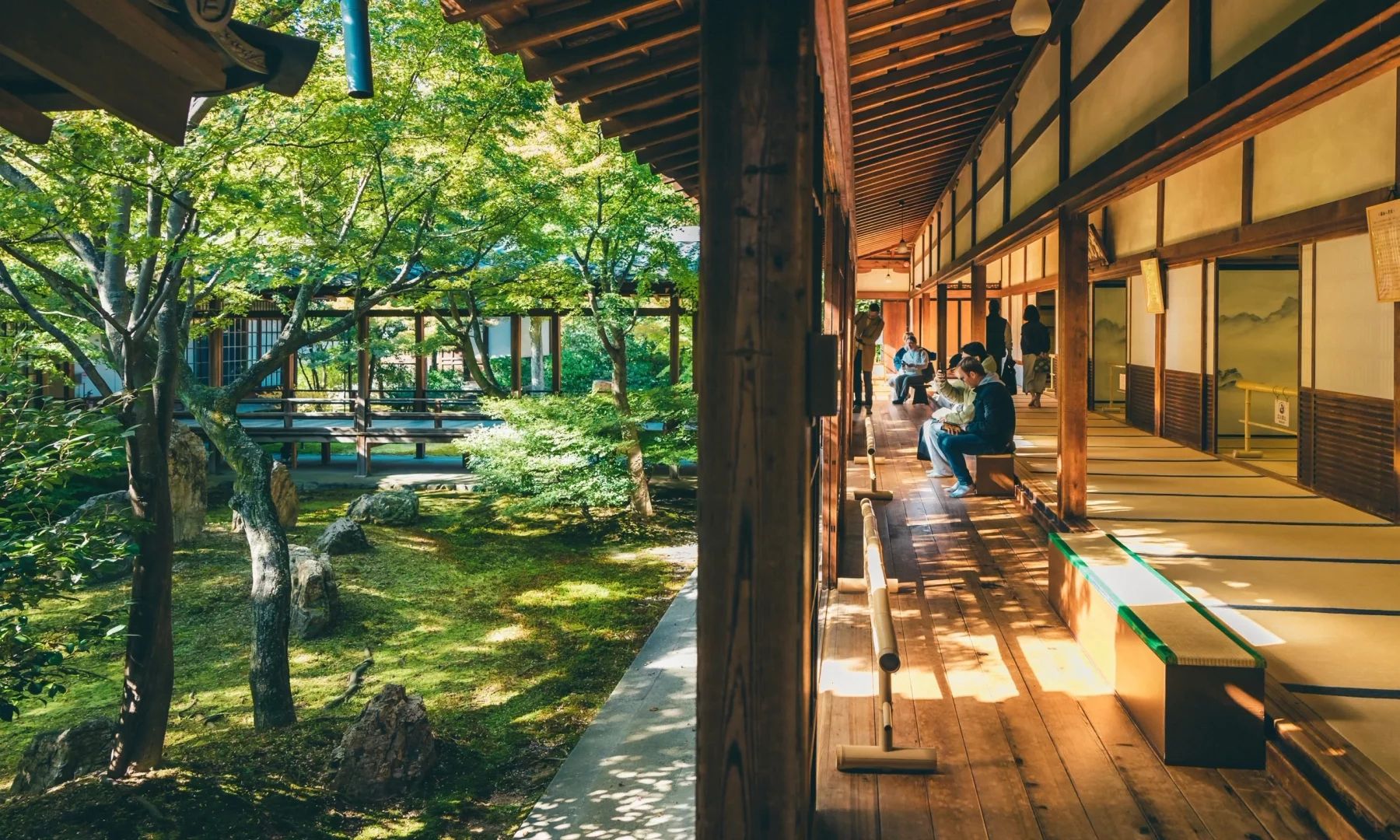
Philosopher's Path. About 2 km (1.2 mi) along the Lake Biwa canal, from Nanzen-ji up to Ginkaku-ji. At 7 or 8 a.m. it is close to empty. It is the most comfortable walk in the city. It is also a neighborhood. Keep your voice down.
Kyoto Gyoen. Free, open, excellent double cherries, and a fraction of the crowd at Kiyomizu-dera. This is the morning you refuse to queue.
Osaka and Nara
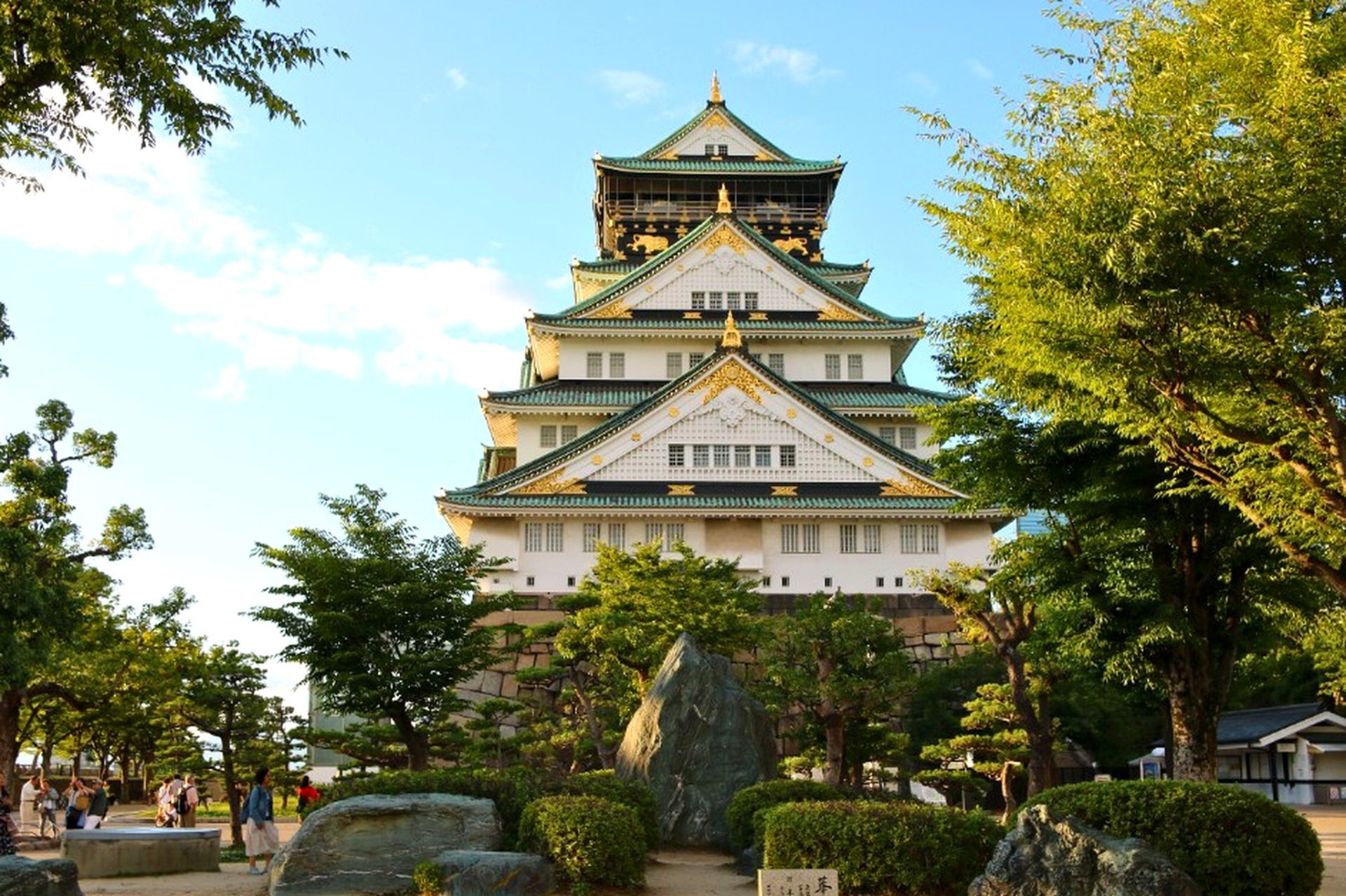
Osaka Castle, Nishinomaru Garden. A paid garden, the keep behind the branches, about 300 Somei-yoshino. The standard castle-and-blossom photograph.
The Japan Mint passage. Open for about one week a year, usually mid-April, with a range of cultivars you will not see in a city park. Dates and whether you need a reservation change every year. This is the one Osaka stop worth moving a day for.
Kema Sakuranomiya. A long avenue along the Okawa River. Mostly local, light on tour groups. An early walk.
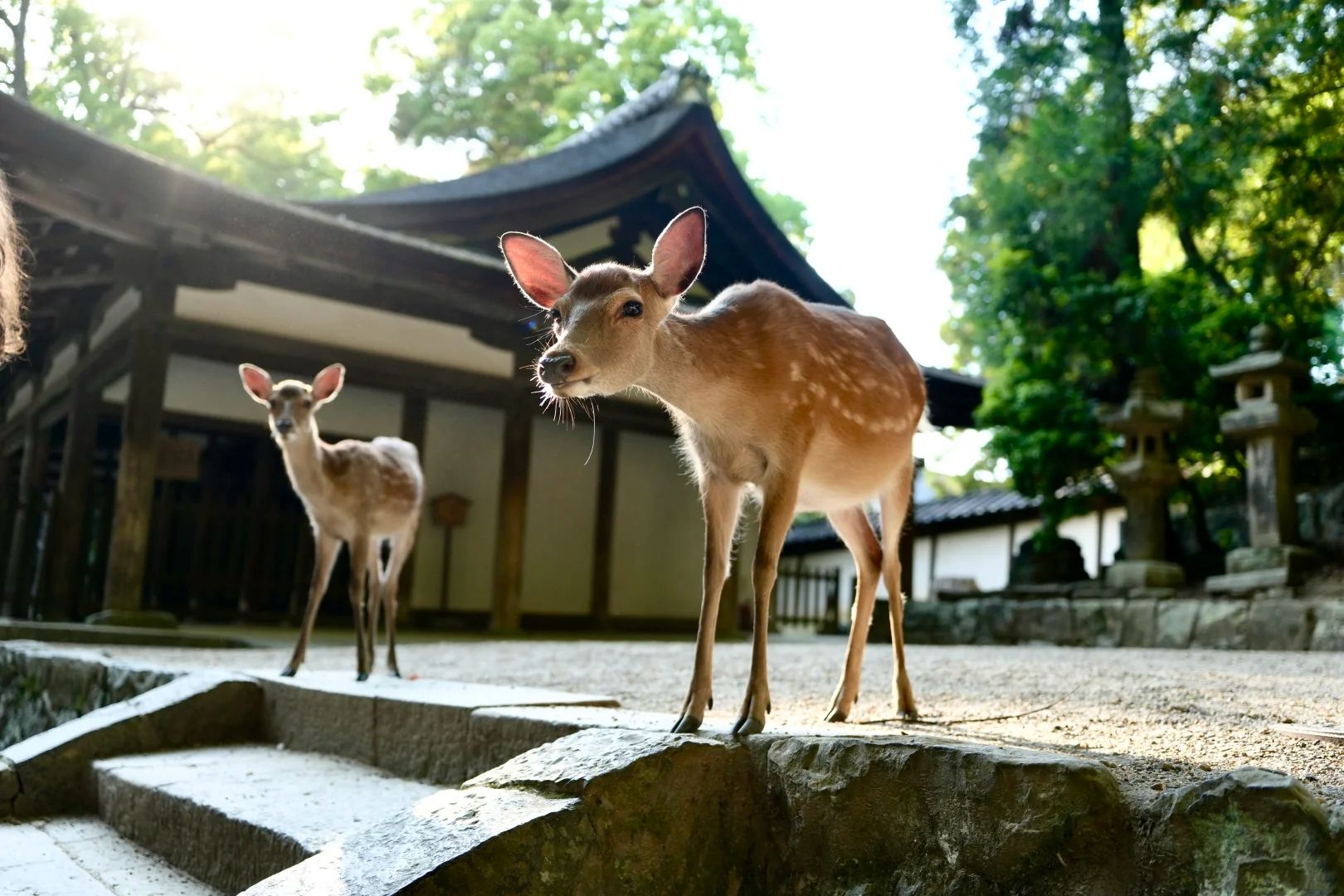
Nara Park. Blossoms, deer, and Kasuga Taisha in one stop. The deer come for the crackers. Children love this. Hand over one cracker at a time.
Mt. Fuji
Ropeway queues can run an hour. Go early, or skip the ropeway and walk the shore at Kawaguchi instead.
The late bench: Takayama and Kanazawa
Takayama reaches full bloom around mid-April, which in 2027 meets the Spring Festival on April 14 and 15, a Wednesday and a Thursday. The dates are fixed every year. The lantern procession is the night of the 14th, on the recent timetable. Rain cancels it. It is not postponed. The 2027 hours had not been posted when this was written, so confirm them. If the floats matter, be there on the 14th. Miyagawa and Shiroyama Park are the viewing spots. Book the room months ahead.
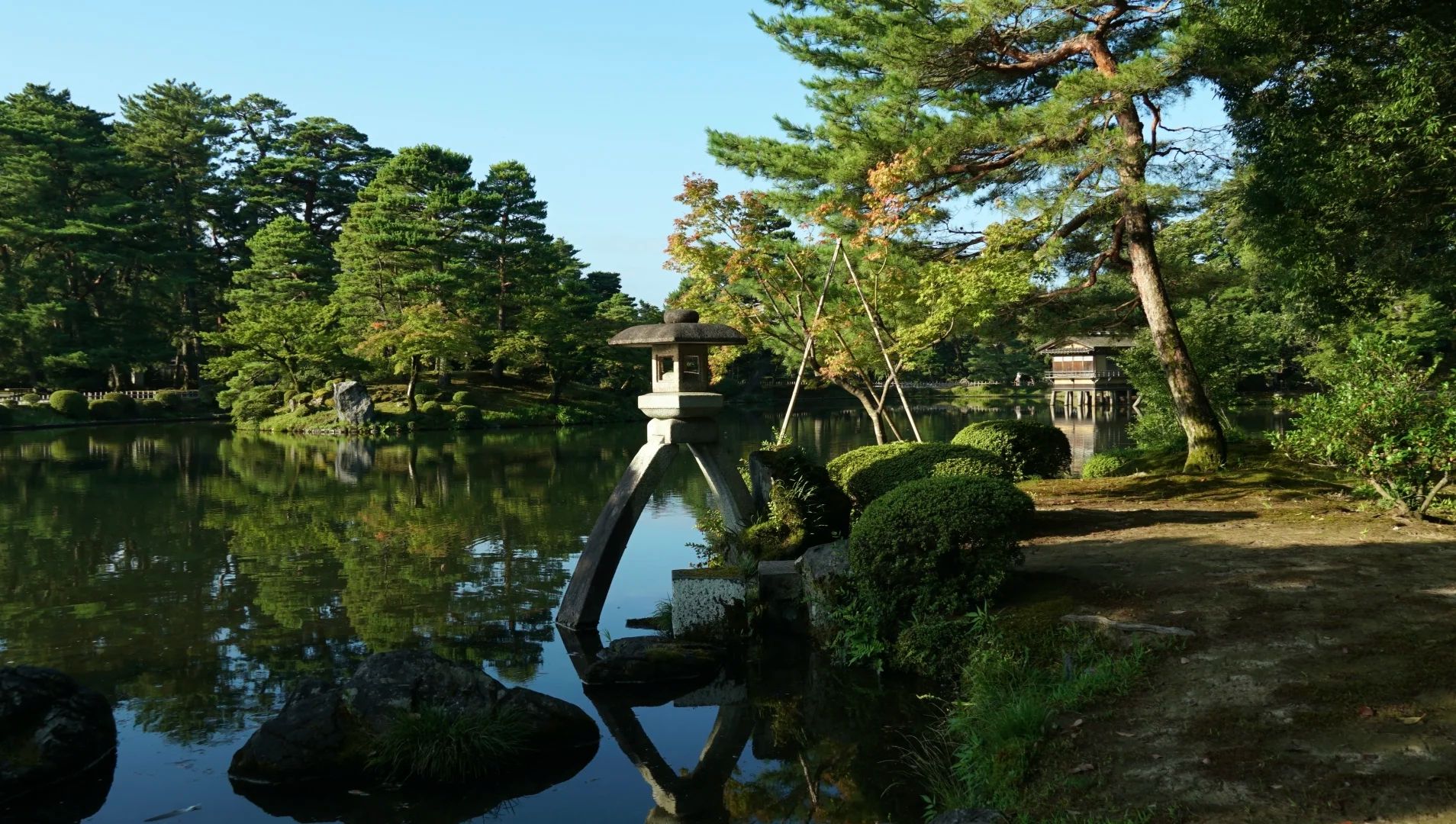
Kanazawa. Kenrokuen, the castle, the Sai River. Full bloom in early April, with a fraction of Kyoto's crowds. In 2026 the specimen tree there reached full bloom on April 3, five days ahead of its April 8 normal. From 2021 to 2026 the full-bloom range was March 29 to April 8. This is the garden stop when Kyoto is too full.
Shirakawa-go. Cherries against the steep-roofed farmhouses in the second half of April. The bus or the car has to be arranged ahead. You do not arrive and sort it out.
Yoshino and Himeji
Mt. Yoshino. About 30,000 mountain cherries, opening from the lower slopes upward through four bands: Shimo-senbon, Naka-senbon, Kami-senbon, Oku-senbon. That sequence stretches the mountain to nearly a month, early to mid-April. About two hours by car from Osaka. The cable car saves part of the climb. This is a walker's day, and the trees are wilder than the city parks, flowers and young leaves together.
Himeji. The white keep you photograph was finished in 1609. The site is older. About 1,000 cherries ring it in early April. The outer grounds are free to walk; the inner castle is paid. From central Osaka, allow about an hour. When the moat boats are running, that is the local way to see it.
Both ends of the country
Fukuoka, Maizuru Park. Normally late March, inside the castle grounds. In 2026 full bloom slipped to April 3. A useful first night if you land early, with the date checked that month.
Kumamoto Castle. Late March into early April. Walls and blossoms, and far fewer people than Kyoto.
Sendai. Hitome Senbonzakura along the Shiroishi River embankment: early April, about 8 km (5 mi), more than a thousand trees, the snow still on the Zao range behind them. The great stretch in Tohoku.
Hirosaki. Festival dates April 16 to May 5, 2027. If the year runs like 2021 to 2026, the specimen trees are already full in the first week of that window, and the moat full of petals comes after. See the keep from outside, around the works. You cannot go in.
Sapporo and Matsumae. The last six years reached full bloom between April 21 and April 27, against a May 6 normal. Book the front of that range unless the March forecast says the year has slowed down. Mornings still sit near 5°C (41°F). Bring a coat. This is the real answer to a May holiday, and only if you accept that May in Tokyo and Kyoto is green.
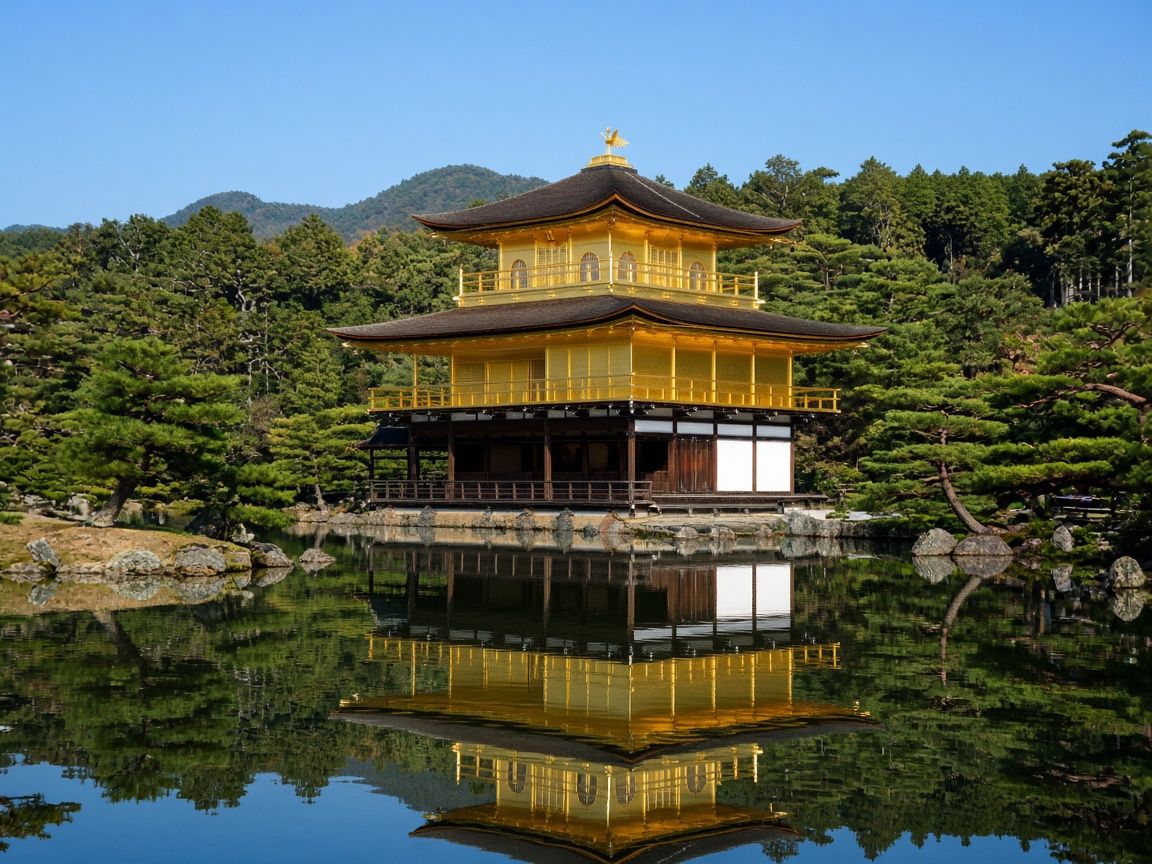
Route A
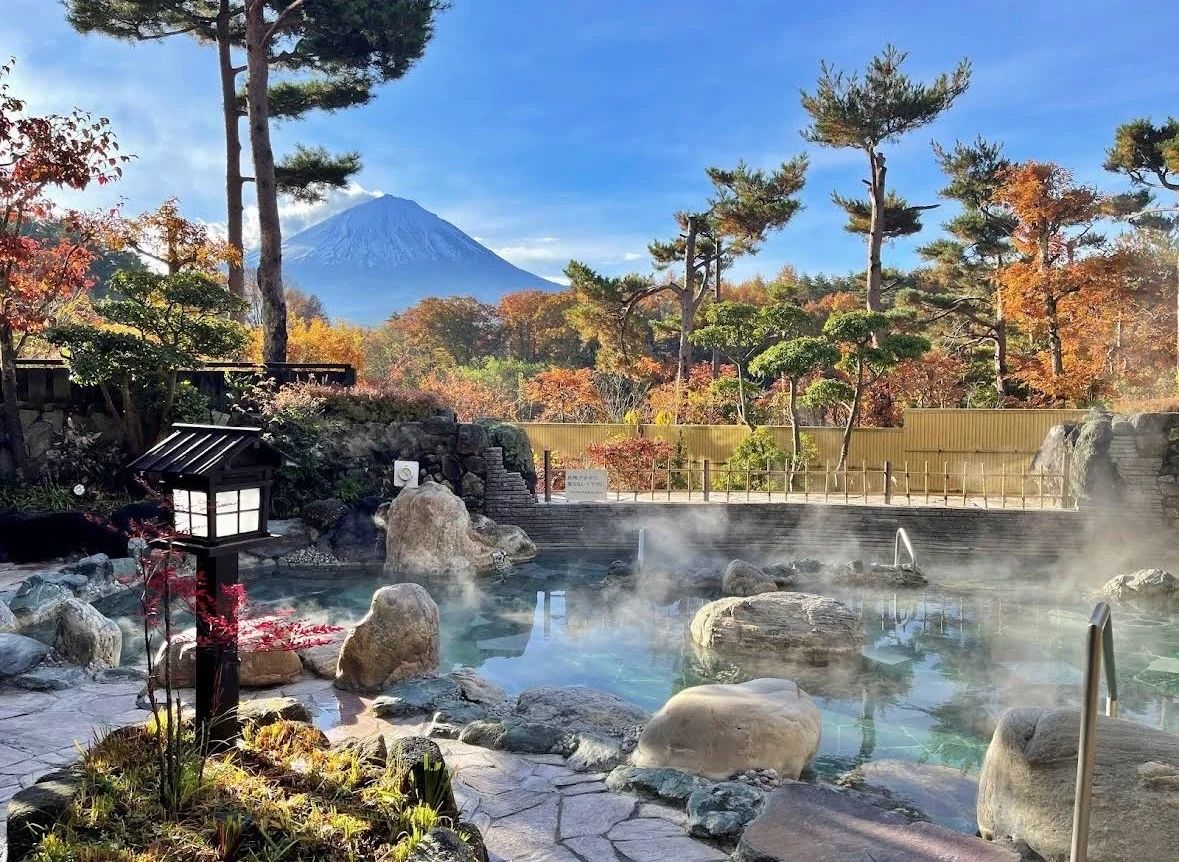
Day 1, Tokyo. Land and go to Chidorigafuchi or Shinjuku Gyoen, whichever the bloom report favors. Day 2, Tokyo to Mt. Fuji. Sengen Park or Lake Kawaguchi. Night in a hot-spring inn. Day 3, Mt. Fuji to Kyoto. Kinkaku-ji, the Philosopher's Path, night cherries at Maruyama Park. Day 4, Kyoto to Nara to Osaka. Fushimi Inari, Nara Park, Nishinomaru Garden. Day 5, Osaka. The Mint passage if it is open. Otherwise Kema Sakuranomiya. Fly out.
This is the route for a short vacation and a wish to see the classics once. You change city every day. Pack so the bag is something you can live with.
Route B · 7 days / 6 nights
If you prefer a pre-planned route, explore our Japan tour packages.
Days 1–2, Tokyo. Chidorigafuchi, Shinjuku Gyoen, Meguro River. Day 3, Mt. Fuji or Hakone, and a hot-spring night. Days 4–5, Kyoto. Daigo-ji, the Philosopher's Path, Arashiyama. Day 6, Nara and Osaka. Day 7, fly from Osaka, or add Himeji or a day toward Yoshino.
The second Kyoto day is the line that changes how the trip feels. One night gets you Kiyomizu-dera. Two nights get you Daigo-ji or Arashiyama as well.
Route C · 10 days / 9 nights
Days 1–3, Tokyo. Day 4, Mt. Fuji or Hakone. Days 5–7, Kyoto and Nara. Day 8, Osaka and Himeji. Days 9–10, Mt. Yoshino, or Kanazawa and Takayama as the bloom moves north.
This is the route for a long holiday or a camera. The value is cover at both ends. If Tokyo is early, Kyoto catches you. If Kyoto is finished, you go up the mountain or into Hokuriku.
When the plan can still move
Our own program follows the A/B spine: into Tokyo, out of Osaka, one hot-spring night at Fuji, two nights in Kyoto.
Mid-to-late March 2027. Follow the daily bloom reports. Swap the day's viewing spot. Leave the hotels alone.
One week out. Night-light dates, the Mint opening, and any spring hours at the temples.
Two traps.
Late-March Kyoto, booked in December, is often expensive and still a long walk from where you want to be in the morning. In our files, the rooms in Shijo-Kawaramachi, Gion, and around Kyoto Station move in November.
Flights move before hotels do. Easter week 2027 sits on top of the blossom. Seats from the US West Coast, the East Coast, and Europe into Haneda and Narita start to harden in January. Haneda is the airport you want for a first evening at Chidorigafuchi. Narita costs you that evening.
Where the money goes
Only lodging and labor rise. Trains and admission barely move.
Hotels. Up 50 to 100 percent in our bookings, more on the best streets. A room at $200 a night in shoulder season can price like $400 at full bloom. Sharpest in Tokyo, Kyoto, and Osaka.
Ryokan. Up 30 to 80 percent, and they sell out early. Lake Kawaguchi, Hakone, Kinosaki. Plans with two meals climb faster.
Private car and guide. Up 15 to 20 percent. English-speaking guides are the ones who sell out. Lock them with the hotels.
Car rental. About 15 percent more. Self-drive in Tokyo, Kyoto, or Osaka spends the saving on parking and traffic.
Shinkansen. The fare holds. Tokyo to Kyoto on the Nozomi is about 2 hours 15 minutes. Reserved seats, booked ahead.
Admission. Face value holds. Spring tickets exist. Daigo-ji's three-site ticket is ¥1,800 from March 20 through the third Sunday of April, and ¥1,500 outside it. In 2027 that Sunday is April 18.
Kyoto to Nara. Kintetsu, about 45 minutes, and it puts you closer to Nara Park.
Kyoto to Osaka. The Shinkansen is 15 minutes to Shin-Osaka. Once you add both transfers, the JR Special Rapid, about 29 minutes into Osaka Station, is often the faster door-to-door ride.
Mt. Fuji. The highway bus from Tokyo to Lake Kawaguchi is about two hours on a quiet day. On a spring weekend, allow three for the ride back.
Tokyo to Fuji is two to three hours when the roads are clear and five to six hours when they are not. Sleep there. A day trip gives the mountain to the traffic.
Ryokan. Lake Kawaguchi, Hakone, Kinosaki, Arima. Take the plan with the kaiseki dinner. Finding a table in a town that is full is the part that fails.
Tatami or a Western bed. A tatami room flexes for children. For a hip or a knee, a bed and a chair are the safer room.
Read the rate. In a sold-out week, the cheap price is often a smoking room or a room without a window. We have had a client discover that in Osaka at check-in. The headline rate did not say so.
Crowds
The crowding is real, and it is predictable. Same places, same hours.
6:30 to 8:30. Emptiest, softest light. The stop that matters.
8:30 to 10:30. Filling, still workable. The second site.
11:00 to 15:00. Peak. Eat, go indoors, move by train.
15:00 to 17:00. Easing. Parks and riverbanks.
17:00 to 19:00. The light you came for. Stay out.
19:00 to 21:00. Night lights. Chidorigafuchi, Maruyama Park, Meguro River.
What people who live here notice
Leave the branches alone. Stay off the lawns. Keep a tripod off the walkway. Drones are prohibited in most parks and temples.
If the path is full, drop the camera and shoot up into the canopy. The crowd leaves the frame.
A picnic is welcome. Taping off a patch of grass at dawn is not. Most parks ban it.
The petal storm is for the wind.
Temples and shrines usually ban food and smoking. Tripods and selfie sticks are sometimes banned too. In spring, stay on the marked route.
Ueno, Maruyama, and some other parks restrict alcohol at the peak. Check the year you are in.
The Philosopher's Path and the lanes around Gion are lived in. An early shoot is a quiet one.
Chidorigafuchi's 2026 lights ran March 26 to April 6, from about 6 p.m. to 9 p.m., and the weekend path was one-way, following Chiyoda City. The greenway length, about 700 meters, is from the Chiyoda tourism association. The 2027 dates were not published as of November 10, 2026.
Admission prices are 2026 spring figures. Shinjuku Gyoen adult entry is ¥500, and the garden was open daily from March 25 to April 24, 2026, with timed entry on the busiest weekend middays.
The ordinary seven-day JR Pass is ¥50,000 on the official site. Overseas-agency sales from October 1, 2026, are ¥53,000. Nozomi and Mizuho require a separate supplement. Tokyo public-school spring break runs March 26 to April 5.
East Marvel LLC is a U.S. company and an ASTA member. What we build in Japan is a day that has already been decided, down to the hour.
We do not sell a guarantee of full bloom. We sell a week in the right order: the sequence, the rooms, and the hour.
Nights worth giving up a dinner for
Chidorigafuchi. In 2026, March 26 to April 6, lit from about 6 p.m. to 9 p.m. Weekend paths were one-way. The 2027 dates are not out.
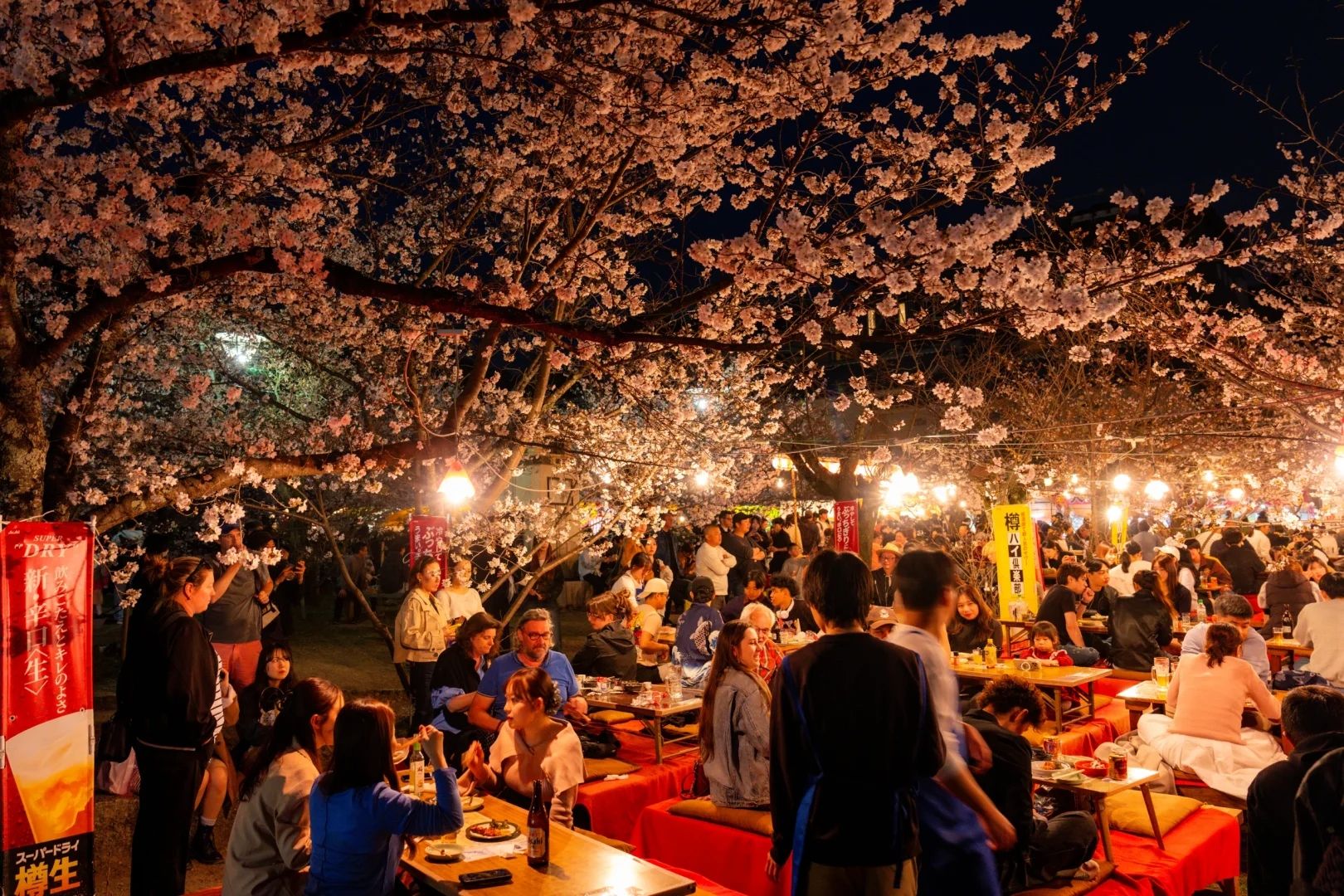
Maruyama Park. The Gion weeping cherry, the easiest night view to pair with Hanamikoji and Yasaka Shrine.
Meguro River. Lanterns, the best reflections, the biggest crowd.
Ueno. Lanterns and vendors. The lively version. Children do well here.
Takayama. April 14 and 15. On the recent timetable the lantern floats go out on the night of the 14th. Confirm the 2027 hours.
Hirosaki. April 16 to May 5, 2027. Night blossoms, and the petals on the moat, are the last act. The tower is a construction site you look at, not a building you enter.
Light-up dates move with the trees. Do not book a flight around last year's calendar.
Who is walking with you
With children. Ueno, Nara Park, and a rowboat at Inokashira. Two stops, then back to the hotel after lunch.
With parents. Shinjuku Gyoen, Kyoto Gyoen, Osaka Castle Park. Flat, and somewhere to sit. Skip the steps at Sengen Park and the climb at Yoshino.