East Marvel · Japan Checked November 10, 2026. The 2027 calendar below is settled. Room rates and ticket prices move with the date, so this piece names none of them. Sale times, closing days, and baggage rules come from the operators. Read them again before you fly.
The usual mistake is to treat "how many cities can we fit" as the goal.
Two things decide a family trip, and neither one is a temple. The first is whether four people can actually sleep in the room. The second is how many times you change hotels.
A true four-bed room is scarce in central Tokyo, Kyoto, and Osaka. Two beds are the norm. The fourth person is often a sofa bed. Each hotel change is a half day in our planning: one full pack, one new room, one child starting over. Four changes cost about two days. We use that half-day as a planning rule, not as a measured train time.
Set the number of changes first. Then pick the cities. The sights come last.
How many days, how many changes
7 days. What you take on: 2 bases. Hotels: 2. Changes: 1. Who it is for: preschool, a grandparent, a slow trip.
8 days. What you take on: 3 cities. Hotels: 3. Changes: 2. Who it is for: a first trip, children about 6 and up.
10 days. What you take on: 3 cities, plus two single-purpose nights. Hotels: 5. Changes: 4. Who it is for: a family that has already decided on Ghibli Park.
12 or more. What you take on: add a city only by adding days. Hotels: as many as you add. Changes: one more change per base. Who it is for: older children, and adults who are not already tired.
Ten days and five sightseeing cities means four hotel changes and about two days in transit. What remains is about eight days for five cities, under two days each. A city needs about a day and a half if you want to stop rushing. That is the sum to keep. The ten-day route below does not break it. Hakone is the bath. Nagoya is the park. Neither one is a fifth city.
Four windows in 2027 to leave alone
March 26 through April 5, 2027. Tokyo metropolitan public schools are on spring break. Adachi Ward has published those same dates for 2027. Other wards can differ by a day. Easter Sunday is March 28, so a large part of Europe is off the same long weekend. Tokyo Disney, Universal Studios Japan, teamLab, and the museums around Ueno are at their worst in those ten days. If a theme park is the reason for the trip, pick another week.
April 29 through May 5, 2027, Golden Week. The country is off, and Japanese families travel too. Theme parks and onsen inns are among the most crowded stretches of the year.
Late July through the end of August. It is hot. Tokyo and Osaka can reach the mid-30s Celsius, and the lines often have little shade. If you come then, be outside before 10:00 a.m., back at the hotel through the middle of the day, and out again in the late afternoon. Give the afternoon to air-conditioning: a museum, a department store, teamLab.
Late December through the first days of January. Many small shops close. Shrines are packed for the first shrine visit of the year, especially January 1 through January 3.
The windows we will book
Mid to late May, after Golden Week. The city cherries are finished by then. This is a city-and-park window, on a quieter calendar. The rainy season on Honshu often begins in early June, so treat the first week of June as weather you check, not as a dry promise.
September. The summer holiday is over. It is still warm, and typhoons are still in season. Fares are sometimes lower. September is not a promise of clear days.
Early and mid-November. The city maples are still ahead of their color. Kyoto's specimen maple normally turns in early December. The late-November crowds have not stacked up yet. If red Kyoto is the reason for the trip, that is a different plan, and a crowded one.
Mid-February, if the point is snow. The snow is in Hokkaido or the Japan Alps. Tokyo, Kyoto, and Osaka are cold and quiet. Snow is a different trip.
Route A. Eight days, three cities, two hotel changes.
A first trip, with children about 6 and older.
Three nights in Tokyo, two in Kyoto, two in Osaka. That is seven nights and eight days on the ground; compare our Japan tour packages.
Leave Tokyo loose. One day belongs to the children: a Pokémon Center or one teamLab, and stop there. Borderless is at Azabudai Hills. Planets is in Toyosu. They are in different parts of the city, and either one is a day. One day belongs to the adults: Sensō-ji and Meiji Jingu, and stop there. Shibuya is a different day. One day stays empty.
Kyoto gets two jobs. Fushimi Inari goes at dawn. Walk the torii until the child is done, and turn around. The gates start at the bottom. Arashiyama gets its own day. The monkey park is a climb. The bamboo comes in the afternoon. Sit down and eat between them. Inari and Arashiyama do not share a morning.
Osaka closes the trip. Dōtonbori, and the grounds of Osaka Castle. Those two days do not also hold a theme park.
This route has no Tokyo Disney and no Universal Studios Japan. Add either one and eight days is no longer enough. A city has to come off.
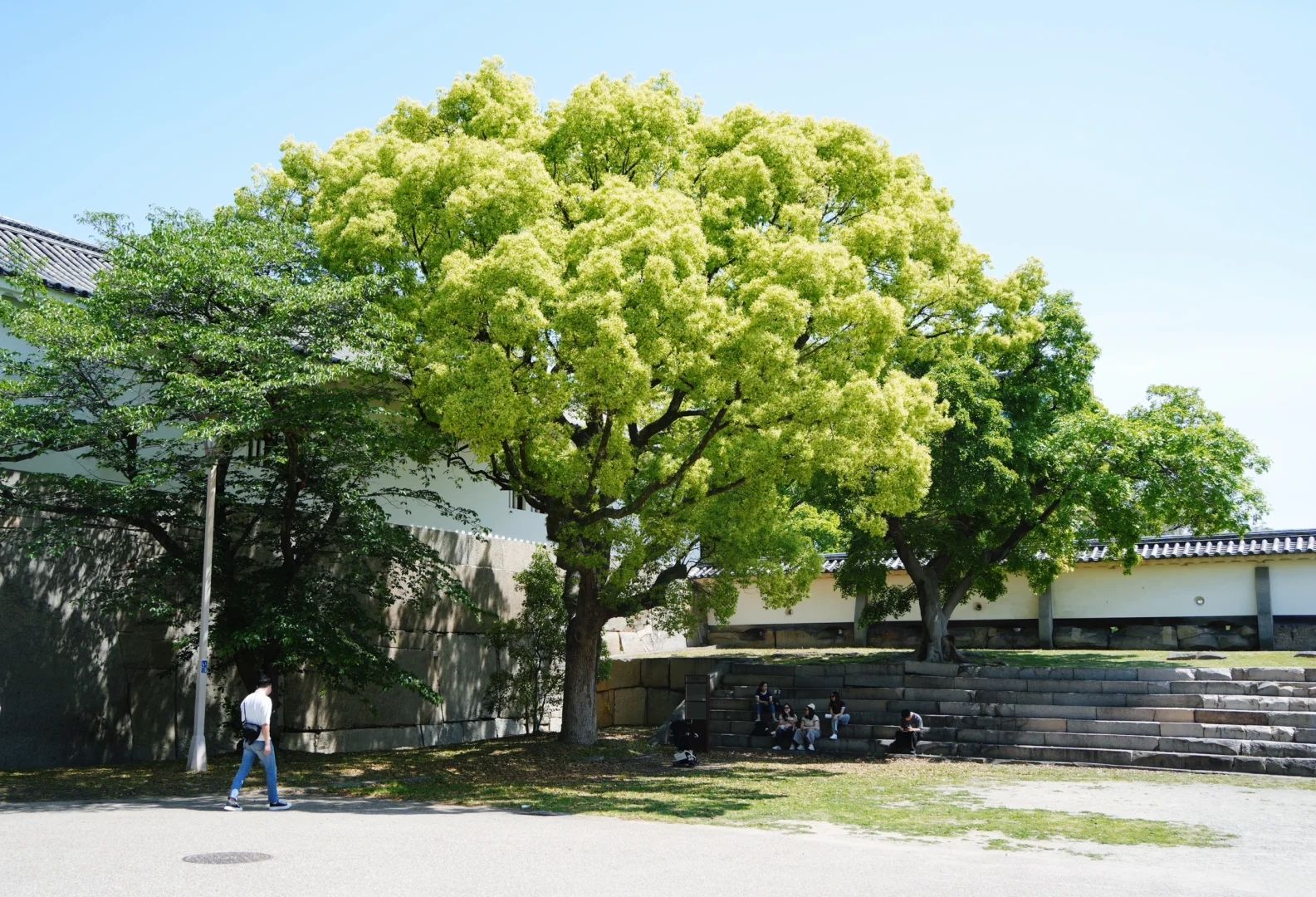
Route B. Ten days, Ghibli Park, four hotel changes.
Only when the park is the reason, and the children are about 9 or older. The age is about the four changes and a full day on foot.
Three nights in Tokyo, one in Hakone, one in Nagoya, two in Kyoto, two in Osaka. That is nine nights, ten days, five hotels, and four changes.
Hakone is one night for the bath. Nagoya is one night for the park. Book the Nagoya night after the park ticket is in hand. If that afternoon's sale is gone, the Nagoya night has no job.
The park is in Nagakute, in Aichi, inside the Expo 2005 commemorative park. The Shinkansen stops at Nagoya Station. From the station, the usual ride is the Higashiyama subway to Fujigaoka, then the Linimo. Plan about an hour, then a walk into the grounds. The park asks you to come by public transit. It has no parking lot of its own. The train from Tokyo toward Kyoto does not detour. The day does. So does the extra hotel.
Park tickets go on sale at 2:00 p.m. Japan time on the 10th, two months before the month you enter. Tickets for May go on sale on March 10 at 2:00 p.m. Tickets for January 2027 went on sale on November 10, 2026, at 2:00 p.m. They sell out, and the park does not sell them at the gate. The ticket that enters all five areas is the one called Oosanpo-ken Premium. Other tickets cover fewer areas. The Grand Warehouse has a timed entry. Ages 3 and under are free under the current rule. Read the park's page again before you travel. The rule can move.
Hakone has no Shinkansen station. For Nagoya or Kyoto you go to Odawara first. The Nozomi does not stop at Odawara. A Hikari that does stop takes about two hours to Kyoto. The ride from the inn to Odawara, and the wait on the platform, are the part a map leaves off.
That Hakone night is the bath, a meal, and Lake Ashi. Children remember the ropeway and the volcanic valley. Fuji is a clear morning. We cannot book the weather.
If Nagoya still has energy left, the SCMaglev and Railway Park is a good day for a child who cannot sit still. It is a different site from Ghibli Park. Give it a different day.
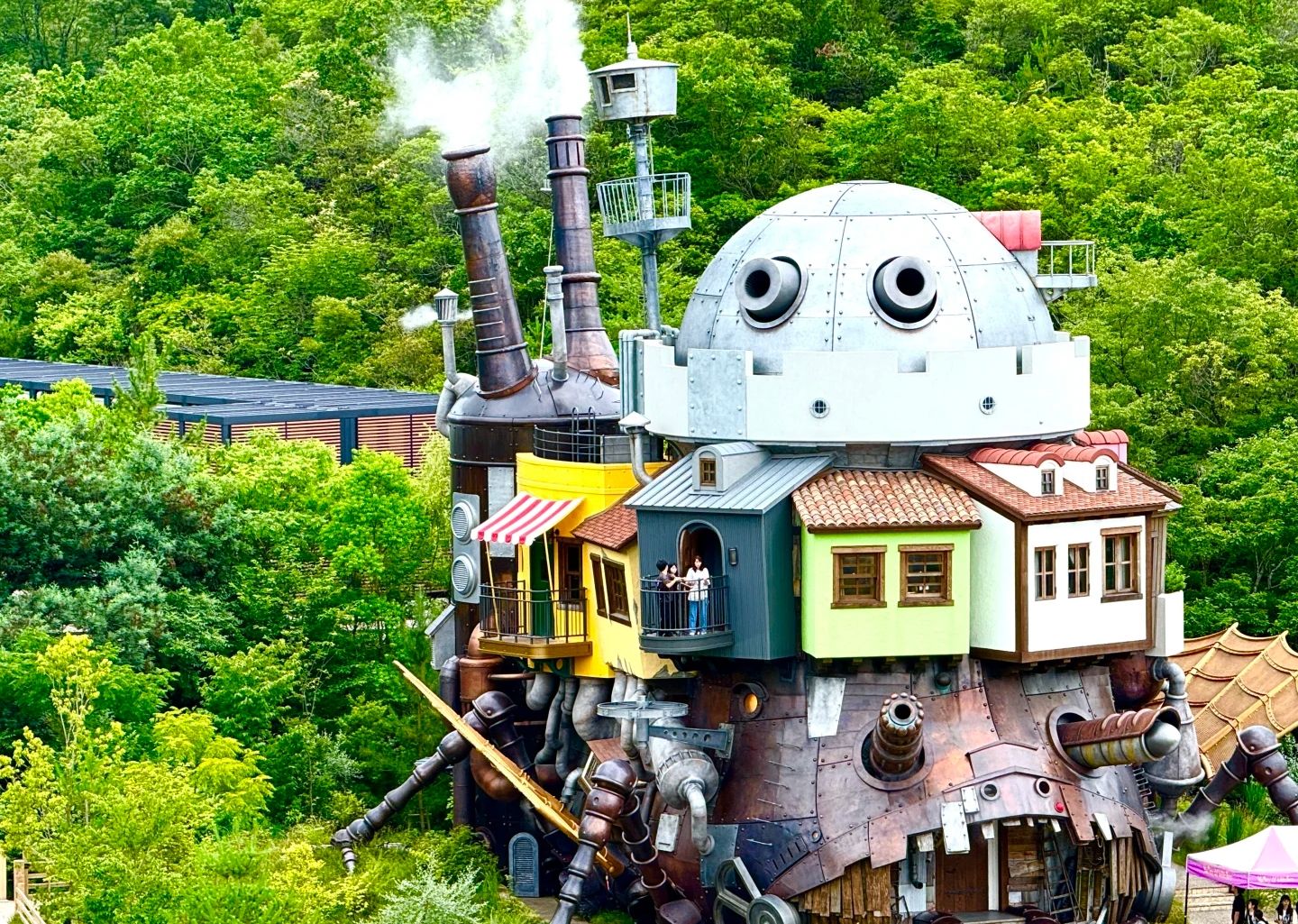
Route C. Seven days, two bases, one hotel change.
Preschool, or a grandparent in the party.
Four nights in Tokyo, two in Hakone. Six nights, seven days, one change.
In Tokyo you come back to the same bed. In Hakone you have two nights for the bath and the ropeway. If the morning is clear, look for Fuji. There is no third city to make.
Most family trips fail by adding a city. They rarely fail by leaving one out.
The route we will not book
Ten days and five sightseeing cities.
Four hotel changes cost about two days. Five cities then have under two days each, and a city wants about a day and a half. The family spends the days on suitcases, hotel desks, and platforms. Add the days, or cut a city.
Five places people book wrong
Book the room before you book the city. For four people, start with an apartment hotel that has a kitchen and a washer. The room is larger. A chain "family room" is usually two beds and a sofa bed. That works for a night or two. It is tight for five nights. You can ask for connecting rooms or adjoining rooms. The request stays a request until the day you check in.
Write the sale minute into the calendar. "Two months ahead" misses the day.
Ghibli Park: 2:00 p.m. Japan time on the 10th, two months before the month you enter.
The Ghibli Museum in Mitaka is a different place and a different clock. On the 10th of each month, at 10:00 a.m. Japan time, it sells the following month only. The channel is Lawson. Tickets are named. One account can buy up to six in a month. The museum is closed on Tuesdays, with a few holiday exceptions on that year's calendar. A 2:00 p.m. login is the park. The museum sale was at 10:00 a.m.
Universal Studios Japan prices its Express Pass by the date. Popular dates go soon after they go on sale. The on-sale day is whatever the park posts for that season.
Shinkansen reserved seats open at 10:00 a.m., one month before you ride. If four people need to sit together, be in the queue at 10:00 a.m.
A large suitcase on the Tokaido, Sanyo, Kyushu, or West Kyushu Shinkansen needs its own seat. If the three sides add up to more than 160 centimeters and not more than 250, you reserve a seat with oversized-baggage space. The reservation itself is the same fare as an ordinary reserved seat or a Green Car seat. Bring that bag aboard without the reservation and the published handling fee is 1,000 yen, tax included. The crew then assigns a spot. A bag over 250 centimeters cannot come into the car. Many checked-size suitcases land in that band. Measure yours before you leave home.
That seat is the last row of the car. The space is behind it. You often cannot book those seats and ordinary seats in the same click. If one or two of you have the large bag, book the baggage seats first, then book the rest of the family.
A folded compact stroller can come aboard. A stroller is exempt from the oversized-baggage rule. The rear space still belongs to the people who reserved it. If the stroller needs that space, reserve the seat. An open full-size stroller down the aisle is not the plan.
Hakone and Kawaguchiko are not Shinkansen stations. Hakone means Odawara, and the Nozomi does not stop there. Kawaguchiko means Otsuki or Mishima, then a bus or the Fuji Kyuko line. Leave that leg off the plan and a two-hour train becomes half a day.
Koshien is a stadium tour, run by the Koshien History Museum, and it follows the game calendar. Buy it on the web. Sales generally open at 10:00 a.m., 25 days before the tour date. Same-day tickets exist only if seats remain. Tour times change with the month's schedule. On a game day, the decision on whether the practice-viewing tour will run comes by 9:30 a.m. for a day game and by 1:30 p.m. for a night game. Those two clocks are the decision. They are not the start time of every tour. The tour is not a ticket to walk onto the field and swing a bat. Leave Koshien off the list until the 2027 game calendar is posted.
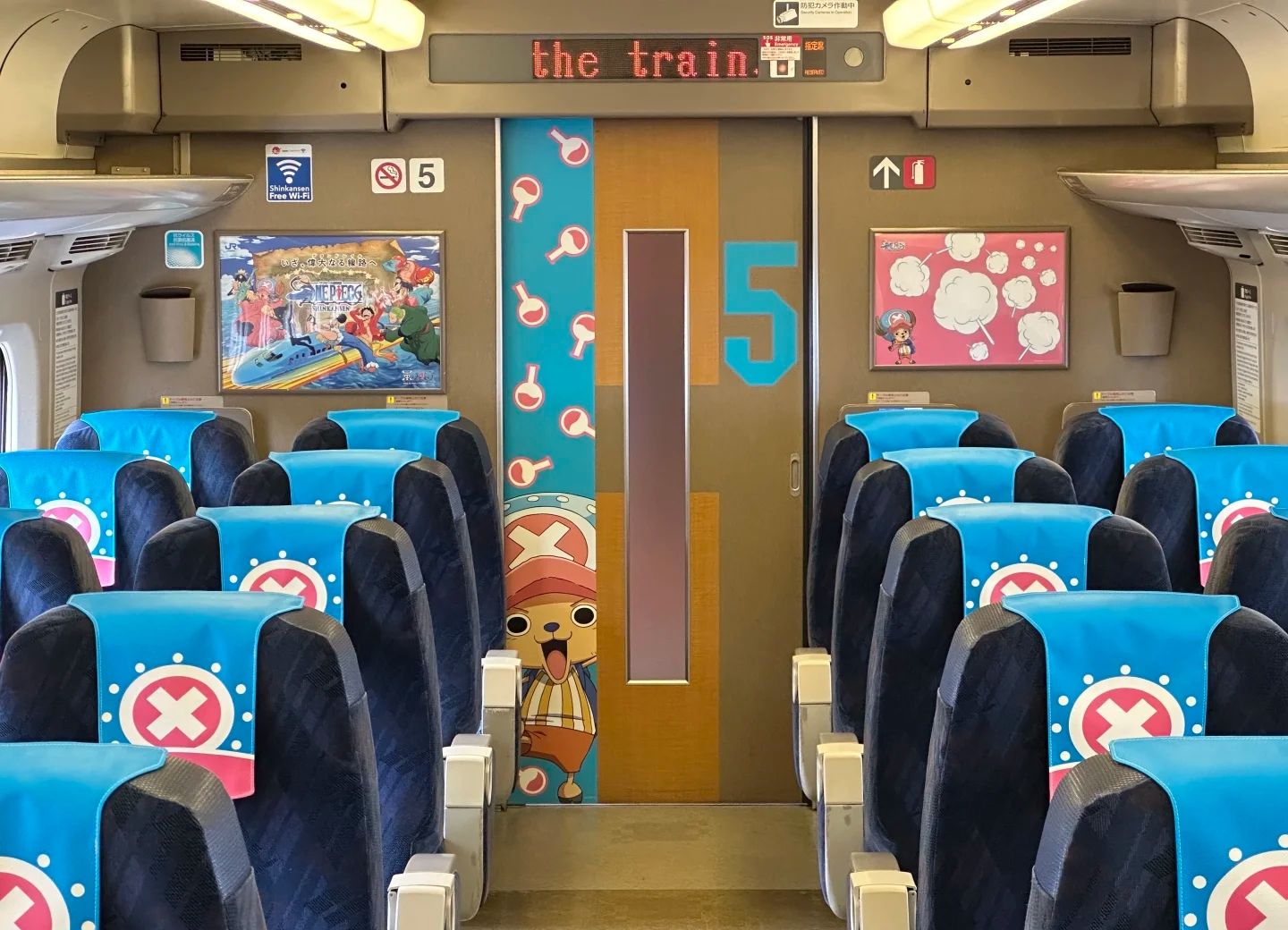
The Shinkansen with children
Reach a big station 30 to 40 minutes early. Five to ten minutes from the gate to the platform is normal. Tokyo Station takes longer.
An ordinary reserved car is two seats on one side and three on the other. Four of you can take four seats in one row, with one seat left over. A Green Car is two and two. The seats are wider and the car is quieter, and the four of you sit as two pairs across the aisle. Book Green for the space. Book ordinary reserved seats, at 10:00 a.m. when they open, if the four of you want one row.
Send the large suitcases from the hotel you are leaving to the hotel you are joining. Send them the afternoon before, or that morning. They often arrive the next day, and sometimes they take two. That is how the child, the bags, and the train stop happening at the same minute.
Questions we hear
How many days? Seven to ten, and two or three sightseeing cities. Under six nights, the transfers start to outweigh the places. With a toddler, past twelve nights the trip often tires out before it ends.
Can we bring a 3-year-old and a 10-year-old? Yes. Book Route C. The older child wants the monkey-park climb. The younger one needs a nap. One afternoon does not hold both.
Can a stroller go on the Shinkansen? A compact folding one can. A taxi trunk will take a folded stroller. Four people and two large bags often need two taxis.
What about allergies? Carry a card in Japanese and English. Name the allergen, and say if a reaction can be life-threatening. Chain restaurants usually label allergens. A small shop may not. The card does not make a kitchen able to cook around it.
How do we plan a summer day? Outside before 10:00 a.m., at the hotel through midday, out again in the late afternoon. Give the hot hours to air-conditioning.
Do we reserve restaurants? Most of them, no. Children run late. A restaurant that took a reservation can give the table away, or charge a cancellation fee. Leave dinner loose unless one restaurant is the reason you are in that city.
Where does the money actually move? For four people, the gap is the airfare and the room, not the admissions. A family-room rate changes with the date. A number printed today is wrong tomorrow, so we do not print one.
What we will and will not promise
We will not promise a Ghibli Park ticket on a given afternoon. We will not promise that a hotel has connecting rooms for four. Spring break, Easter, and Golden Week in 2027 are settled. Facility rules can change, and we read them again before a departure.
What we do is simpler. We fix the number of hotel changes, then choose cities that have a room four people can sleep in. We put the sale minute on the calendar. We write Odawara, and Otsuki or Mishima, as their own legs. On the 2027 weeks that do not work for a family, we change the date.
Where this comes from
Checked November 10, 2026.
Tokyo metropolitan public schools take spring break from March 26 through April 5. Adachi Ward has published that same span for 2027. Other wards can differ by a day. Easter Sunday in 2027 is March 28. Golden Week is April 29 through May 5.
Ghibli Park, official ticket page, checked November 10, 2026: tickets for a month go on sale at 2:00 p.m. on the 10th, two months prior. January 2027 tickets went on sale that day. They are not sold at the park. Ages 3 and under are free under the current rule. The all-areas ticket is Oosanpo-ken Premium. Access is by public transit. The Linimo operator lists about 45 minutes from Nagoya Station by subway plus Linimo. Nagoya's visitor bureau lists about an hour, counting the walk between the subway and the Linimo.
Ghibli Museum, Mitaka: on the 10th at 10:00 a.m., the following month only, through Lawson. Tickets are named, up to six per account per month. Closed Tuesdays, with holiday exceptions on the year's calendar. Hours 10:00 a.m. to 6:00 p.m., last entry slot 4:00 p.m.
JR West, oversized baggage on the Tokaido, Sanyo, Kyushu, and West Kyushu Shinkansen: over 160 centimeters and up to 250 on the three sides requires a reserved oversized-baggage seat. The reservation adds no fare. Without it, the handling fee is 1,000 yen, tax included. Over 250 centimeters is refused. A stroller is exempt from that rule. The rear space still requires the reserved seat if you want to use it. SmartEX: oversized-baggage seats and ordinary seats are separate bookings. Ordinary cars on these trains are two-and-three. Green Cars are two-and-two.
Tokaido Shinkansen: the Nozomi does not stop at Odawara. A Hikari that stops there takes about two hours to Kyoto. Reserved seats open at 10:00 a.m., one month before departure.
Koshien History Museum: stadium tours are sold on the web, generally from 10:00 a.m., 25 days ahead, and at the museum on the day only if seats remain. On a game day, the practice-viewing tour's go or no-go is decided by 9:30 a.m. for a day game and by 1:30 p.m. for a night game. Start times follow that month's calendar.
teamLab, official pages: Borderless is at Azabudai Hills. Planets is in Toyosu.