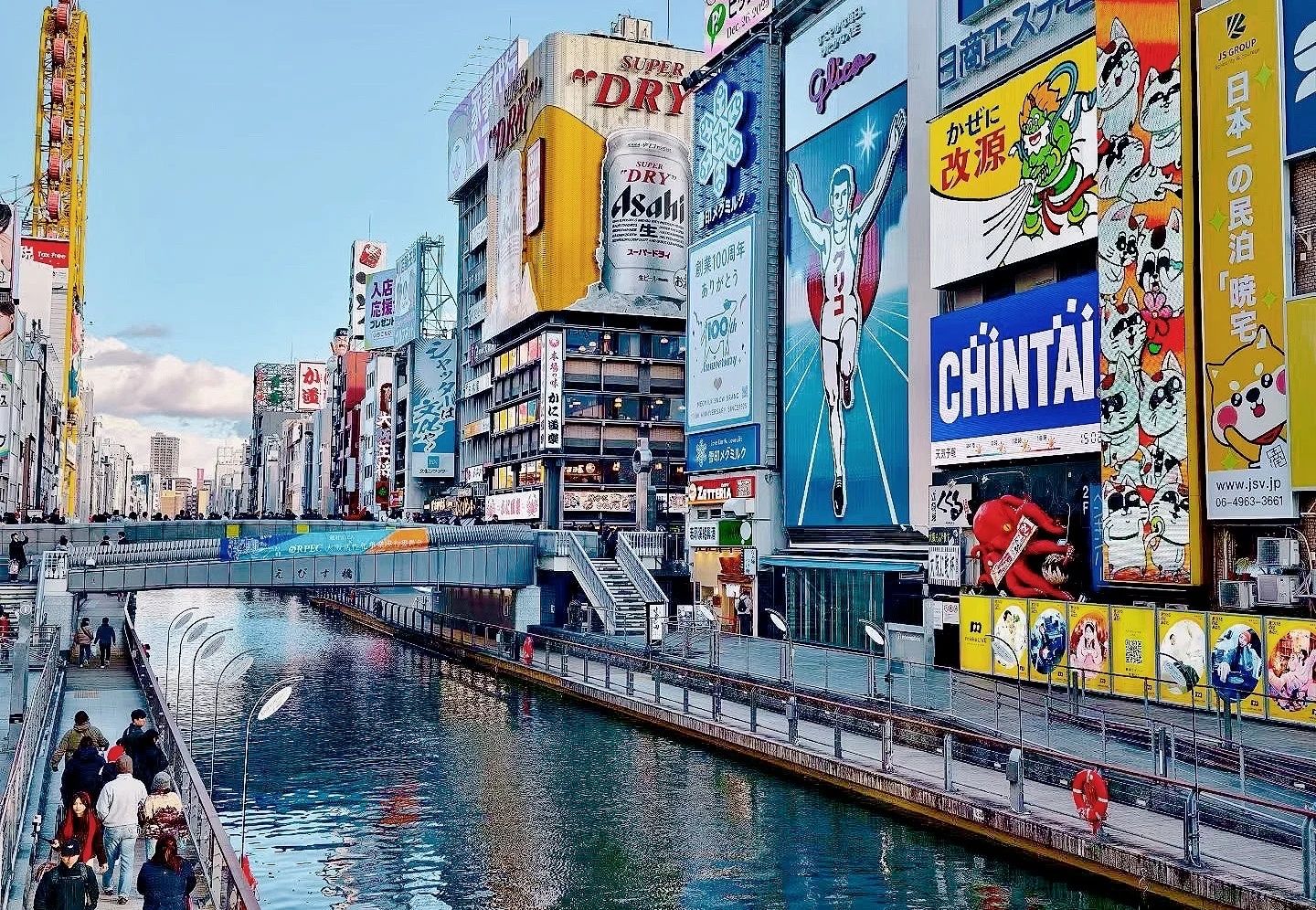
Most first-time Japan plans treat Osaka as a hallway: drop bags near the neon, eat takoyaki under the Glico sign, maybe glance at Osaka Castle, then sleep early for a Kyoto dawn or a Shinkansen north. The city was on the map. The city was not in the trip.
That is enough to pass through Osaka. Not enough to eat your way into it.
Osaka opens on a different clock than temple cities: Kuromon before the tour crush; a second Dotonbori walk when the signs are fully lit and you are not racing a last train to Kyoto; Shinsekai kushikatsu smoke; an Umeda deck at dusk; a full Universal Studios day that refuses to share the calendar with "also Nara." All of that needs nights in Minami or Kita, not a single hungry evening treated as Kansai's leftover.
East Marvel's default: at least 2 nights, and 3 feels right (city food, plus a castle or Shinsekai layer, plus one day trip or a deeper food night). With 4 nights, we seriously add Universal Studios Japan as its own day, or a second regional day (Nara, Kobe, or Himeji), without stealing the neon evenings. If the whole Japan trip is only 7–9 days and Osaka can spare just 1 night, we cut to a classic food landing, and tell you which layer you miss.
Same method as the Tokyo guide and the Mount Fuji guide: layers, not landings; one heavyweight per day; geography before the photograph. On a Golden Route, Osaka is the Kansai appetite and hub. It does not stand in for Kyoto's early temples. Sleep Kyoto when dawn gates matter. Sleep Osaka when nights and trains matter.
What Osaka is: a city misread as a neon stopover
Osaka is Kansai's commercial heart and Japan's loudest kitchen argument: merchant-city energy, comedy timing, and a civic pride that treats dinner as sport. It is not Kyoto with more signs. It is a place where appetite is the culture: market mornings, arcade afternoons, canal nights, and a willingness to queue for the third skewer.
It is usually treated as the door into Kansai: Kansai Airport, neon, departure to temples. But if Japan reads as Tokyo layers, Kyoto silence, and an Osaka Glico photo, Osaka is the meal you skipped while photographing the billboard.
For Western guests who know Chicago or Naples more than Kyoto, Osaka's familiar strangeness hits hard: big-city density without Tokyo's polish ritual, food that refuses to whisper, neighborhoods that stay up after the last temple closed.
Kyoto asks you to move into quiet mornings. Osaka asks you to move into nights and trains: Minami appetite, Kita connections, and day-trip math stacked in one basin.
Food nights: Dotonbori, Kuromon, and kuidaore
Kuidaore, eat until you drop, is branding until you give it a calendar.
Kuromon Market. Go for late morning, not a checklist sprint. Sample with restraint, and save dinner capacity. Best as a morning heavyweight, not stacked after a huge lunch and before a huge neon dinner.
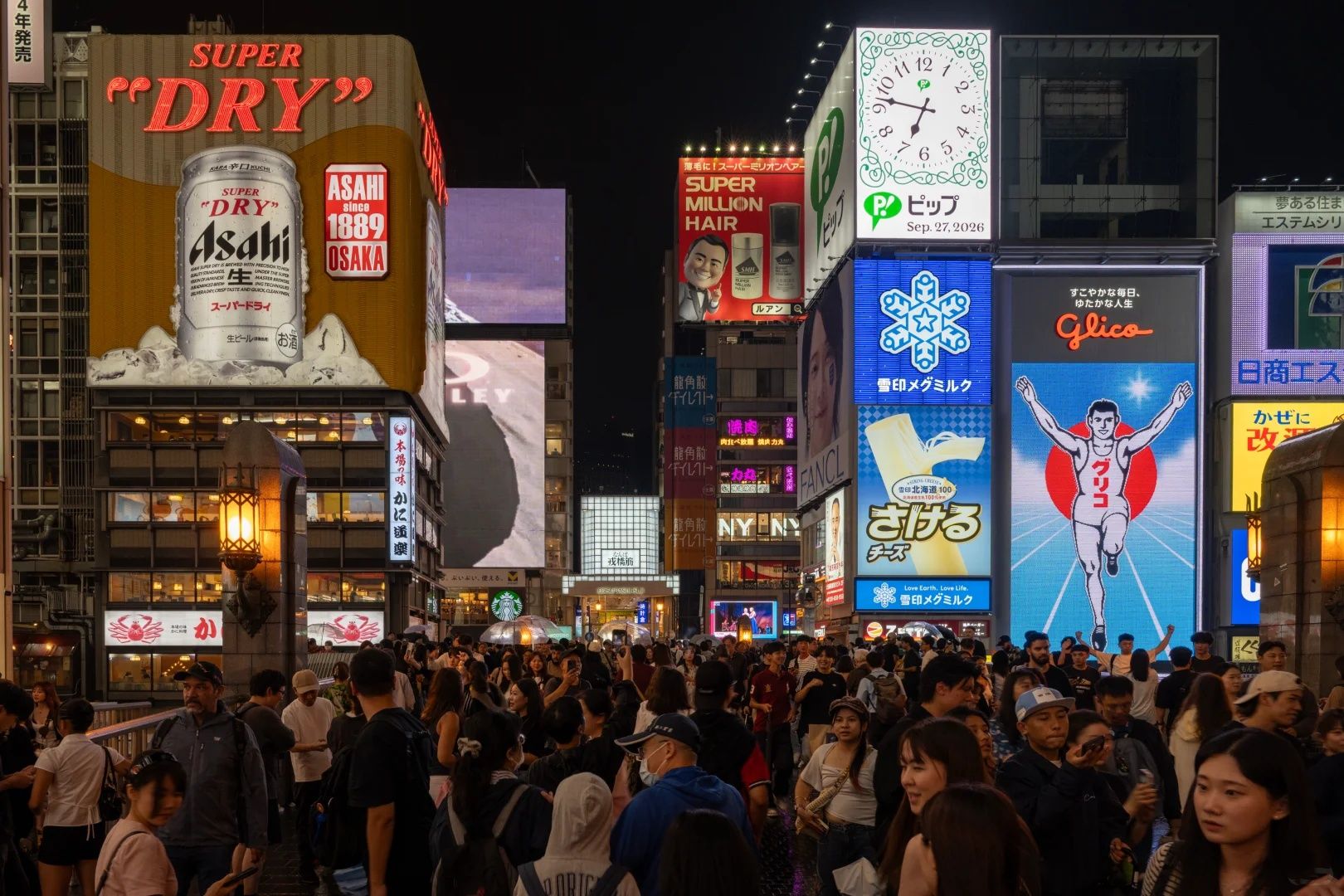
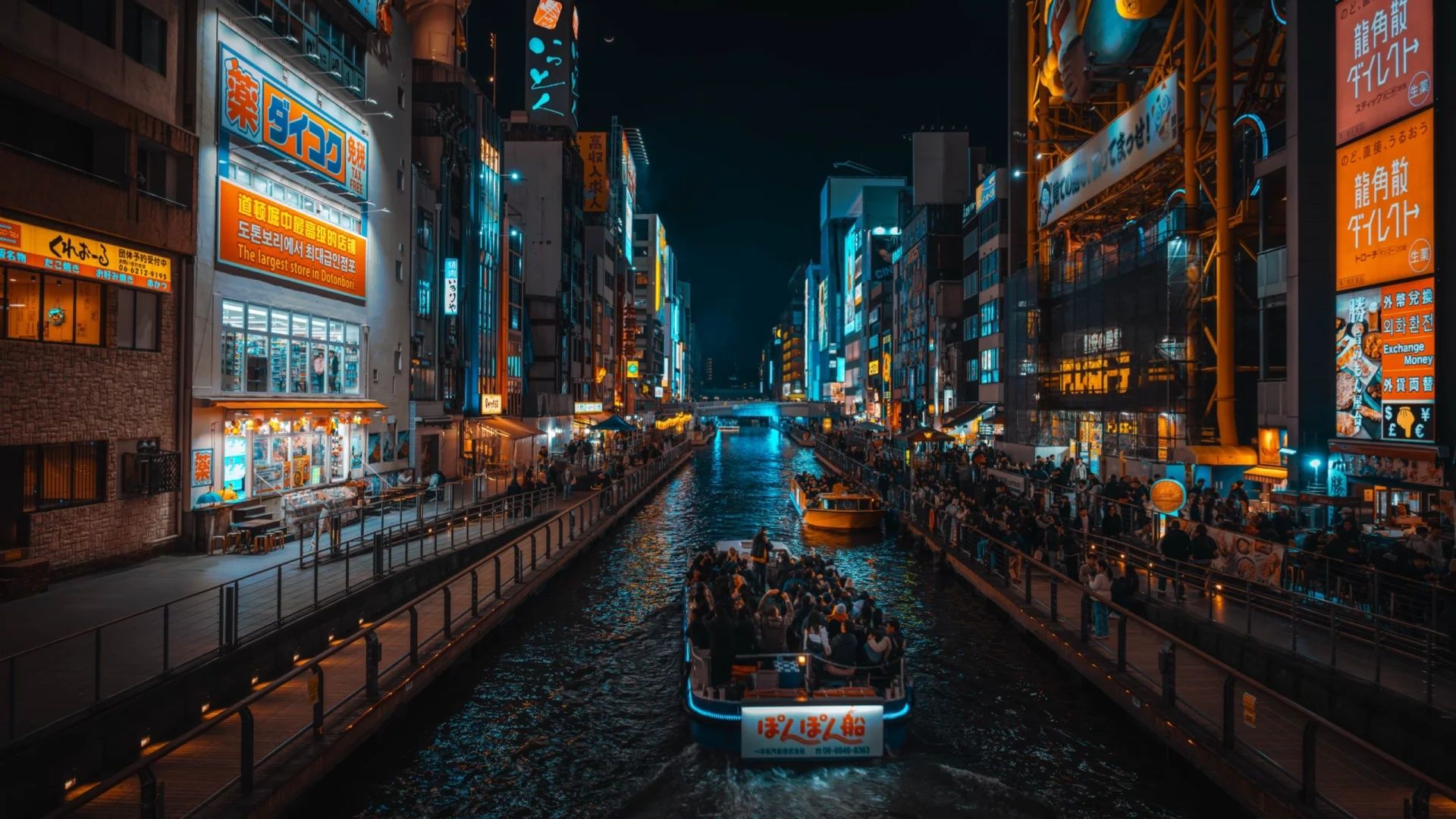
Dotonbori and Namba at night. Walk the canal twice if you can: once to orient, once when the lights own the water. Hozenji Yokocho is a quieter stone-lantern pocket, minutes off the main crush. Takoyaki, okonomiyaki, kushikatsu, ramen: pick a lane. Do not attempt every viral stall in one digestive act.
East Marvel meal rule: at most one serious reservation dinner per night. The rest is market and alley. Allergies in writing. We do not sell "eat everything on Instagram" as a plan.
Best for almost every first Osaka visit. For light sleepers who hate crowds, shorten the canal time, eat one street north, and keep Kuromon.
Two faces: Minami and Kita
Minami is Namba, Dotonbori, and Shinsaibashi. Food, nightlife, a walking radius, Kansai Airport access on the Nankai line, and an easy Kintetsu ride toward Nara. This is the best first-timer default when evenings are the point. Canal-front rooms are loud late. Sleep a street or two off the canal if you need quiet.
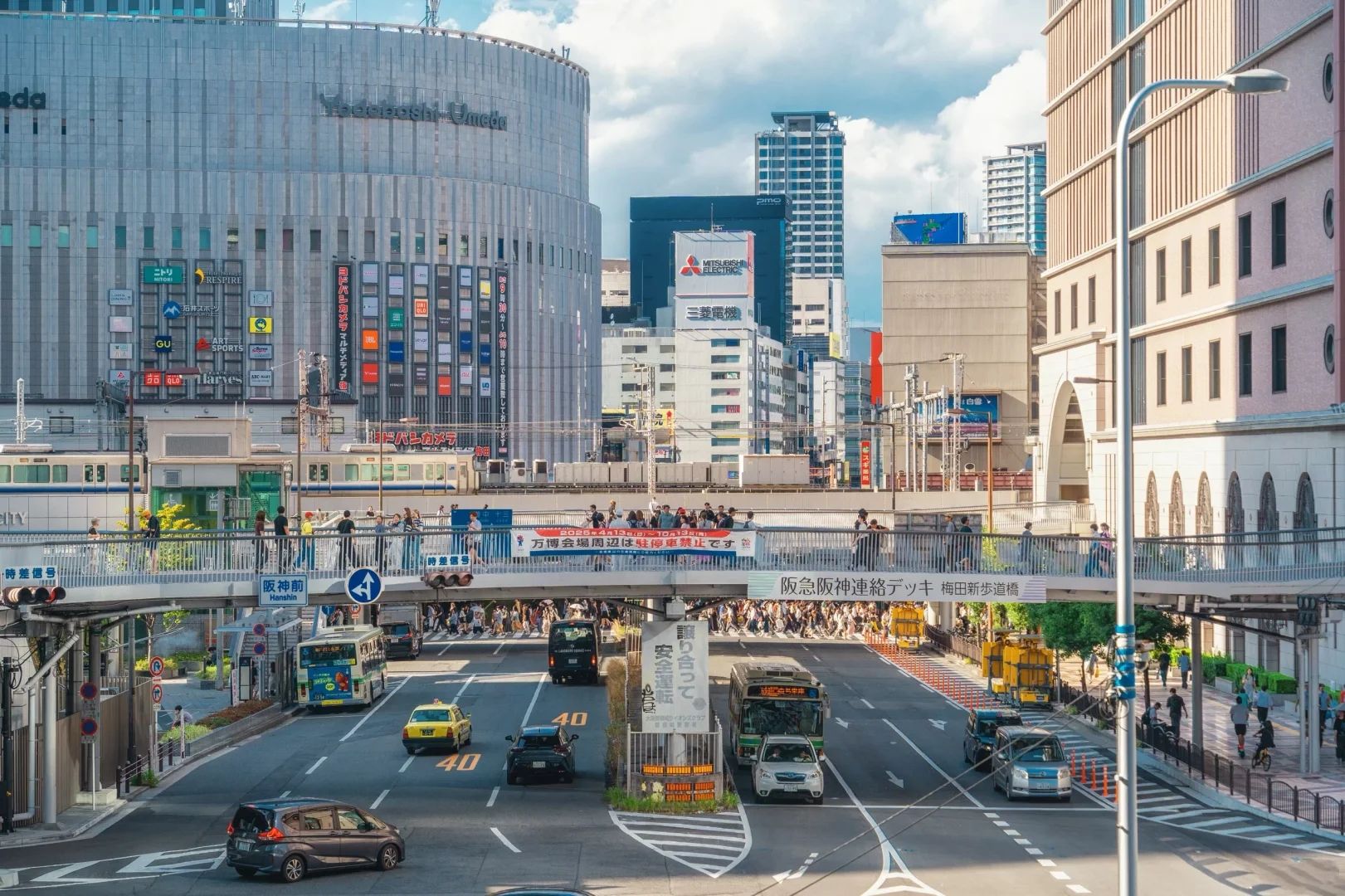
Kita is Umeda and Osaka Station. The JR and private-rail hub toward Kyoto, Kobe, and Himeji, with department stores and calmer streets after dark than Dotonbori. Best when the trip is day-trip heavy, or you want a morning in Kyoto without a commute from the south of the city.
Shin-Osaka is the Shinkansen machine. Stay there only for an early bullet. It is not a sightseeing base.
Two faces, two wake-up logics. That is why Osaka deserves 2–3 nights. With 1 night you get neon and little else. With 2–3 you fold in a market, the castle or Shinsekai, and a real food night, or one regional day, without spending the days on diagonal transfers.
Castle, Shinsekai, and the non-neon layer
Osaka is not only Minami steam.
Osaka Castle and the park. Stone, moat, and the museum keep if you want the climb. Park level is enough for many. Morning light beats the midday tour buses. Pair it with Kita, or with a calm afternoon. Do not pair it with Universal Studios the same day.
Shinsekai and Tsutenkaku. Retro signage, kushikatsu counters, a different Osaka face. Evening works. Keep expectations at street level.
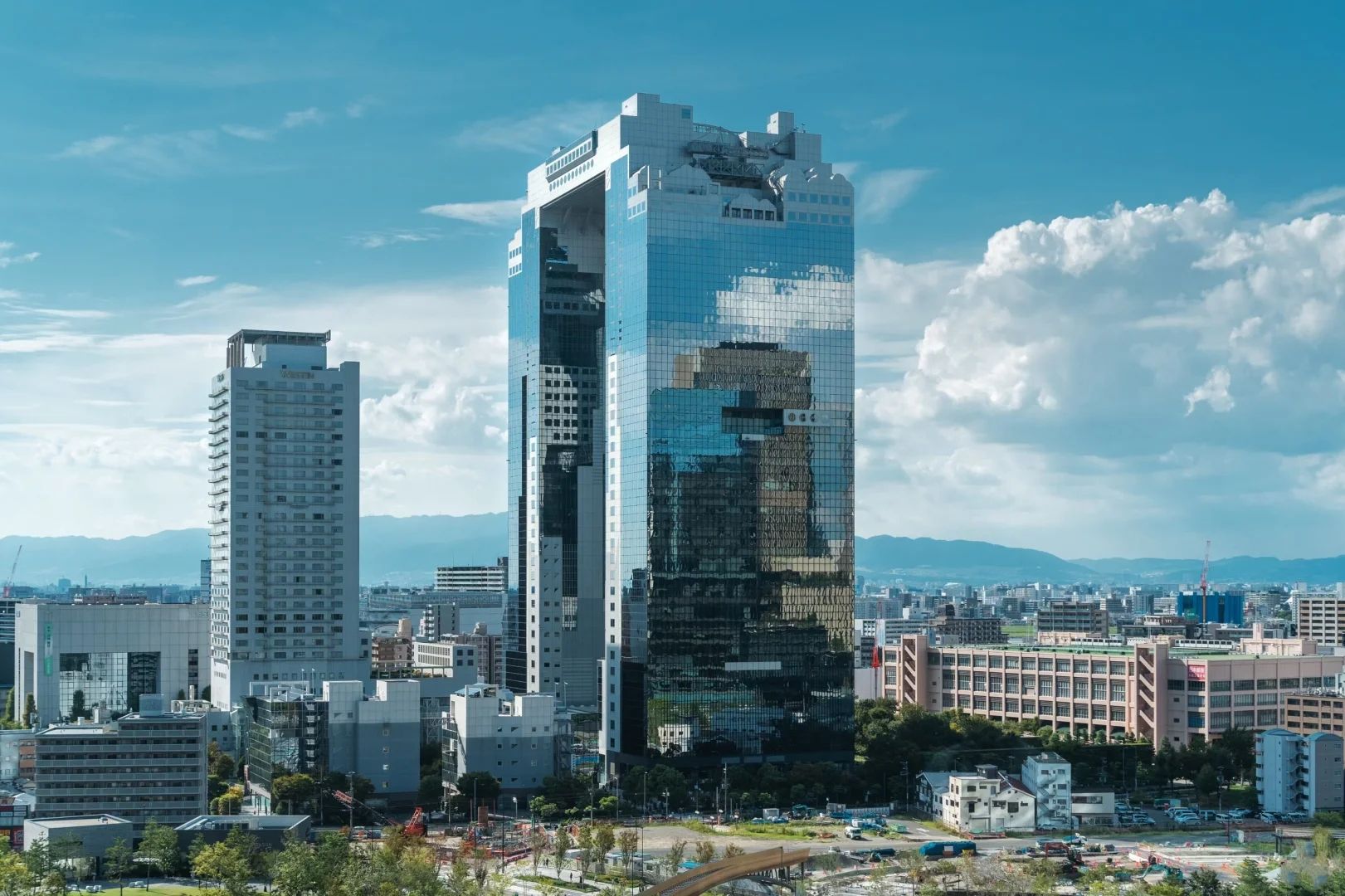
Umeda decks and the underground city. One observation choice. Confirm fees and hours for Umeda Sky Building and the others on the day. Underground shopping is the rain plan and the summer air-conditioning. Useful Kita personality. It is not a third copy of the neon.
East Marvel pacing: one non-neon heavyweight per day at most, beside a food night. The castle or a deep Shinsekai evening. Not both, and not with Universal Studios.
Universal Studios Japan: a full-day product
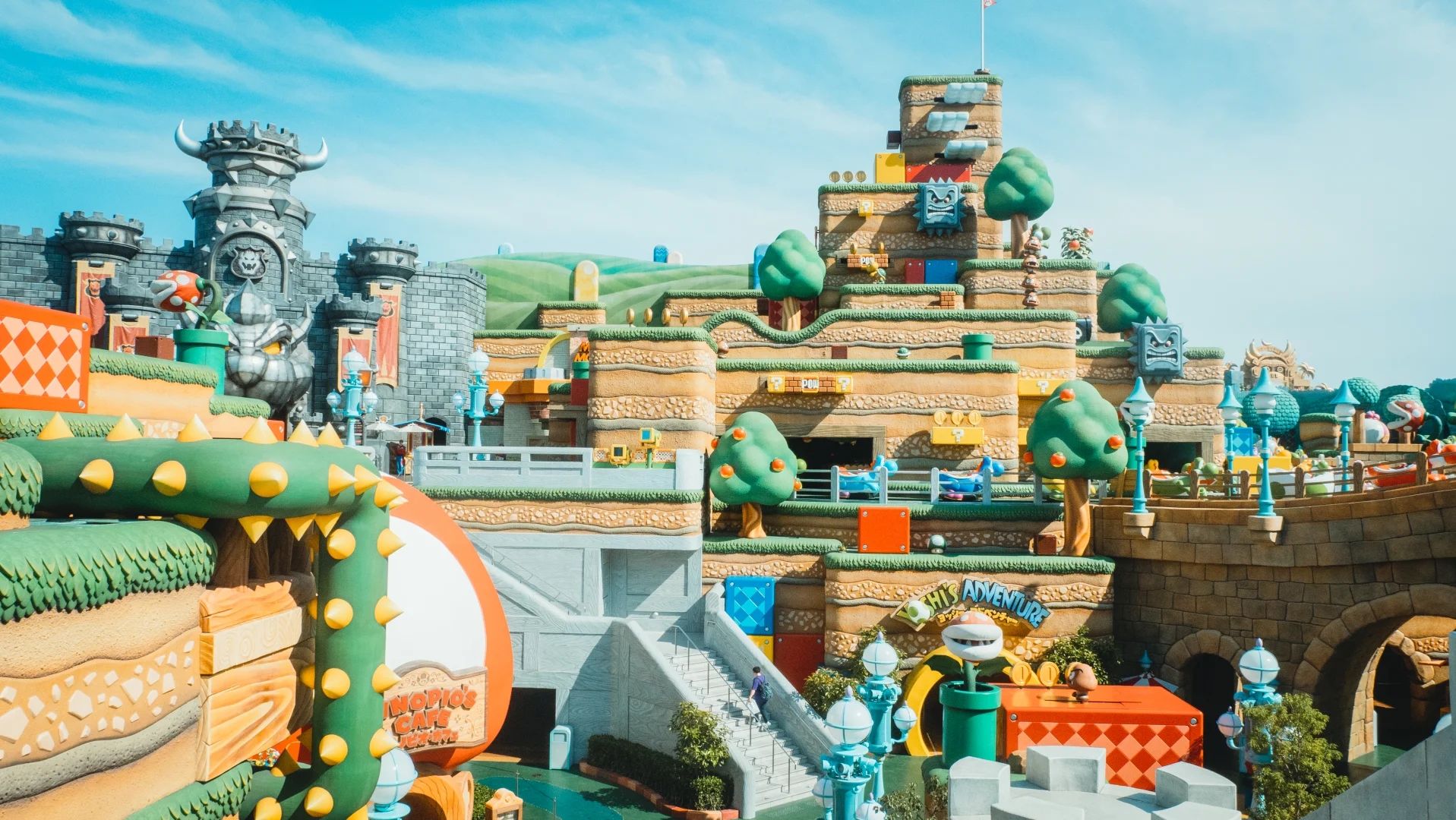
Universal Studios Japan is not Osaka with a theme park attached. It is a named day, with ticket math, an Express Pass decision, and dead legs afterward.
East Marvel rule: if the park is on the brief, it owns that calendar day. We do not stack the castle, a Kuromon dawn, a Dotonbori checklist, and the park close. The night can return to Namba for a soft dinner, or end early.
Best for families, for Harry Potter and Nintendo fans, and for guests who asked for the park by name. On a food-and-city brief with only two nights, the park waits for a four-night Osaka block, or for a day added on purpose.
Day trips and the Kyoto sleep question
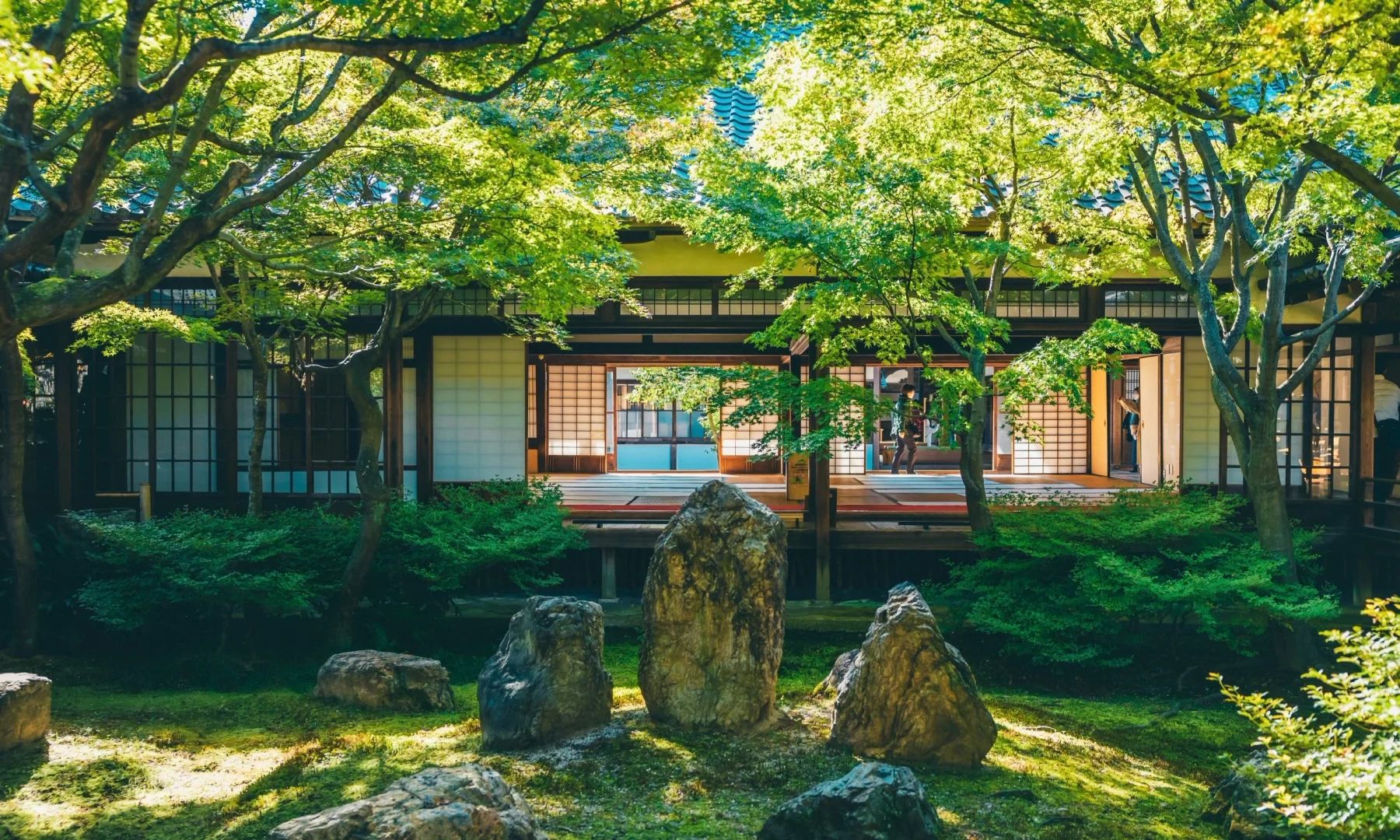
Kyoto temples at dawn, Fushimi or early Higashiyama. Sleep in Kyoto for at least one or two nights. A day trip from Osaka arrives with the crowd.
Kyoto as one daytime sampler. An Osaka base is fine, especially Umeda. The JR Special Rapid from Osaka to Kyoto Station is often about 28–30 minutes, plus the walk inside the stations.
Nara Park and Todai-ji. A clean day trip from Namba on the Kintetsu. Easy on a three-night Osaka.
Kobe or Himeji. A Kita base helps. One day, one heavyweight.
Stay only in Kyoto, and take neon Osaka for one evening. Possible, but the last trains punish it. Better one Osaka night if the evenings matter.
Osaka nights buy food and late returns. Kyoto nights buy temple mornings. Do not pretend one hotel does both without a cost.
When to go
The comfort default is late October through November, and March through April for the sakura window. Book early for sakura. The walking is easy. The food queues in Minami are still real.
Winter, December through February, is good for hot pots, indoor malls, and Universal Studios with a weather layer. New Year and the holiday weeks spike.
Plan around Golden Week, Obon, and the year-end and New Year period. Hotels and park tickets spike. Lock them early, or shift the month.
Summer, July and August, is heat and humidity. Do the market early, the neon late, and midday indoors. Hydrate like it is a sport.
The rainy season, around June, still works for markets and arcades. Outdoor park queues hurt. Flex the Universal day, or use the castle keep and the malls.
How to spend 2–3 nights
Slow first, heavyweight second, blank last. One heavyweight per day. Cluster the Minami nights. Leave day trips from the station face that actually serves them.
Three nights is an arrival day, two full days, and a morning exit, or three activity days if you leave the following morning. We print the exit on the quote, so the last day does not pretend to be endless.
Day 1, soft landing. Arrive at Kansai Airport, or at whatever hub the itinerary uses. Check in at Minami or Kita. An evening Dotonbori and Namba food walk: orient, and do not finish the menu.
Day 2, the city layer. Kuromon in the late morning, then Osaka Castle park or a deep Shinsekai evening, then a second food night with more intent.
Day 3, a day trip or a deeper city day. Nara, or a Kyoto daytime sampler, or Kobe. Pick one. Return for a lighter Minami dinner.
Day 4, only if four nights are held. Universal Studios Japan for the full day, or a second regional day. A soft night.
Two nights only. Keep the neon on day 1 and the market and castle, or Shinsekai, on day 2. Day trips wait. Or replace the day 2 city layer with one day trip if Kyoto or Nara is the must.
One night only. A classic food landing. The castle and Universal Studios stay off the menu unless the brief is the park alone.
Stacking with Tokyo and Fuji: Tokyo for 3–4 nights, then Fuji for 1–2 nights if it is on the trip, then Kansai. In Kansai, decide Osaka nights against Kyoto nights before the hotel romance. If Osaka is on the quote, the tightness of some of our Japan tour packages still protects one complete Osaka food face.
What we would do, and what we would not
We would default first-timers who want the nights to Namba or Shinsaibashi, with the noise managed off the canal edge.
We would shift to Umeda when Kyoto or Kobe mornings dominate.
We would give Universal Studios a whole day when it is on the brief.
We would send people who want Kyoto at dawn to sleep in Kyoto, and still recommend Osaka nights for the food.
We would not sell Shin-Osaka as a sightseeing hotel base.
We would not stack Universal Studios, the castle, and a full neon checklist into one date.
We would not promise that sleeping only in Kyoto delivers a full Osaka without last-train pain.
We would not default the cheapest strip around Nishinari and Shin-Imamiya without a clear-eyed brief.
We would not treat the Glico sign as the whole product.
Practical information
Where to stay. Namba and Shinsaibashi, in Minami, are the first-timer default for food and nights. Sleep off the canal edge if noise matters. Umeda and Osaka Station, in Kita, fit day trips and a Shinkansen-adjacent morning, with calmer evenings. Bay and Universal Studios hotels only when the park owns the stay. Shin-Osaka only for an early bullet.
How to move. Metro, JR, and the private railways. An IC card, as in Tokyo. From Kansai Airport, the Nankai line to Namba, or a JR and Haruka pattern. We print the pair that matches the hotel face. A private car for seniors, luggage, or a day with several stops. City parking and one-way streets make the car a tool. It is not the default way to save money.
Etiquette and bookings. Universal Studios tickets, and an Express Pass if you want one, before arrival in a peak period. A popular okonomiyaki or wagyu counter: reserve when the meal is the point. Smoking rules and queue manners are local rules, not suggestions.
How to start. Send the month, the Osaka nights you have, whether you land at Kansai Airport, whether Universal Studios is mandatory, whether you want to sleep in Kyoto or day-trip it, the ages in the party, noise tolerance, and allergies. East Marvel locks Minami or Kita first, then food nights against the park against a regional day.
About East Marvel
East Marvel builds private Asia trips for Western and international guests, with the same pacing as our Tokyo and Fuji guides. We do not ask whether the Glico sign is viral. We ask whether the brief is food nights, the castle layer, a Universal day, or Kyoto at dawn. Minami clusters the evenings. Kita owns the train mornings. Universal Studios gets a whole square on the calendar.
Related reading, as those guides are published: why Tokyo wants at least 3–4 nights; why Fuji wants at least 1–2 nights. A Kyoto city guide links when it is published. We do not point at a page that is not up.
FAQ
Are 2 nights enough? Enough for a real food landing plus one city layer. Three nights feels right for most first Kansai stays that still want a daytime in Nara or Kyoto. Four if Universal Studios, or a second day trip, is non-negotiable.
Namba or Umeda? Evenings and first-timer energy: Namba. Kyoto or Kobe mornings, and calmer nights: Umeda.
Should we sleep in Kyoto instead? If dawn temples are the point of Kansai, yes, for at least part of the stay. If neon and late dinners are the point, sleep in Osaka and day-trip Kyoto once.
Is Dotonbori too touristy? It is tourist-dense, and it is still the civic neon living room. We shorten it, use a side street, and add Kuromon or Shinsekai. We rarely delete it on a first visit.
Good with kids? Yes. Universal Studios as a full day, the castle park, shorter neon loops, earlier dinners. Strollers against metro stairs go on the plan we send.
Best season? The spring and autumn comfort windows. Book Universal Studios and the Minami hotels early for sakura and for Golden Week.
Is Shin-Osaka a good base? Only for an early Shinkansen. It is not a substitute for Minami nights or for Kita's day-trip logic.