East Marvel · Japan Checked November 10, 2026. The dates below are the resorts' own published schedules for the 2026–27 season, from late November 2026 into May 2027. Snow can move an opening, a closing, or a whole lift. Check the resort again before you fly. Nothing here is a magazine's "best month."
The mountain is the second question. The week is the first.
Early December can still be a thin cover and a short lift map. Mid-January to mid-February is the stretch when a base is usually in and the powder, if the year has it, is the reason you came. Late March is spring snow. April is not "Hokkaido is still open." Rusutsu is closed. Niseko Village is closed. Hanazono closes on the 11th. What is still scheduled through May 5 is Grand Hirafu, Annupuri, and Furano's main zone. A page that ranks five resorts by stars has answered the question that does not cost you the trip.
Who opens, and who actually closes
The closing date is the one to read. "December to April" is how people book a mountain that has already locked the gate.
Niseko, Grand Hirafu. Scheduled open: November 28, 2026. Scheduled close: May 5, 2027. Night skiing posted December 12–March 22.
Niseko, Annupuri. Scheduled open: November 28, 2026. Scheduled close: May 5, 2027. Daytime to 4:30 p.m. Night skiing 4:30–7:30 p.m. in that same window.
Niseko, Hanazono. Scheduled open: November 28, 2026. Scheduled close: April 11, 2027. The fourth Niseko area. Night skiing to 8 p.m. in that same window.
Niseko Village. Scheduled open: November 28, 2026. Scheduled close: April 4, 2027. A month before Hirafu. Night skiing to 7 p.m. in that same window.
Furano, main zone. Scheduled open: November 28, 2026. Scheduled close: May 5, 2027. Night skiing stops in late March. May 5 is not every zone on the mountain.
Rusutsu. Scheduled open: November 28, 2026. Scheduled close: March 31, 2027. Five weeks before Hirafu and Annupuri. Hotel plans on the resort's own page run through the night of March 30.
Hakuba, Happo-One. Scheduled open: December 1, 2026. Scheduled close: May 5, 2027. High-season ticket price is December 19–March 22. Spring price starts March 23. The lifts are still scheduled.
Nozawa Onsen. Scheduled open: November 28, 2026. Scheduled close: May 5, 2027. Snow permitting. Night skiing is not every evening.
Three things in that table that the guides flatten.
Rusutsu closes March 31. "Hokkaido skis into May" is Hirafu, Annupuri, and Furano's main zone. A mid-April trip booked for Rusutsu's quieter lifts is a trip to a closed mountain.
Niseko is four areas, and they do not share a closing day. Hirafu and Annupuri run to May 5. Hanazono stops April 11. Village stops April 4. A room in Village in mid-April is a room at a mountain that has shut. You drive to Hirafu to ski. Confirm which area the room belongs to, and which date that area closes, before you pay.
Happo-One's December 19 to March 22 is the high-season price, and it is the window the resort calls recommended on its early-bird ticket. That ticket is still valid through May 5. On March 23 the price drops to the spring rate and the lifts stay on the schedule. March 22 is not the day Happo stops recommending skiing. It is the day the expensive ticket ends.
Two calendar facts for 2027
Lunar New Year falls inside the Sapporo Snow Festival.
The 77th Sapporo Snow Festival is February 4–11, 2027. Eight days, three sites. Lunar New Year is February 6, a Saturday, the festival's third day. The crowd in Hokkaido that week is two crowds. Be finished before February 4, or start on February 12. A linked snow-sports event in Sapporo runs February 12–14. It is not the festival, and it is not the ski hills.
Late March is still skiable at Hakuba, and it is already the blossom crowd in Tokyo.
Tokyo public schools break from March 26 through April 5. That is the standing metropolitan rule, and ward boards, including Adachi, have published it for spring 2027. Other wards can differ by a day. Easter is March 28. On a 2026 replay, Tokyo's specimen tree was full that Sunday and Kyoto's on March 30. Hakuba's lifts are still scheduled. The snow is spring snow: firm in the morning, soft by early afternoon, iced again overnight. It is not January.
Route A — January, ski only, eight days, January 16–23
For the trip that exists to ski. Arrive Saturday, January 16. Leave Saturday, January 23. One base, seven nights, no resort-hopping.
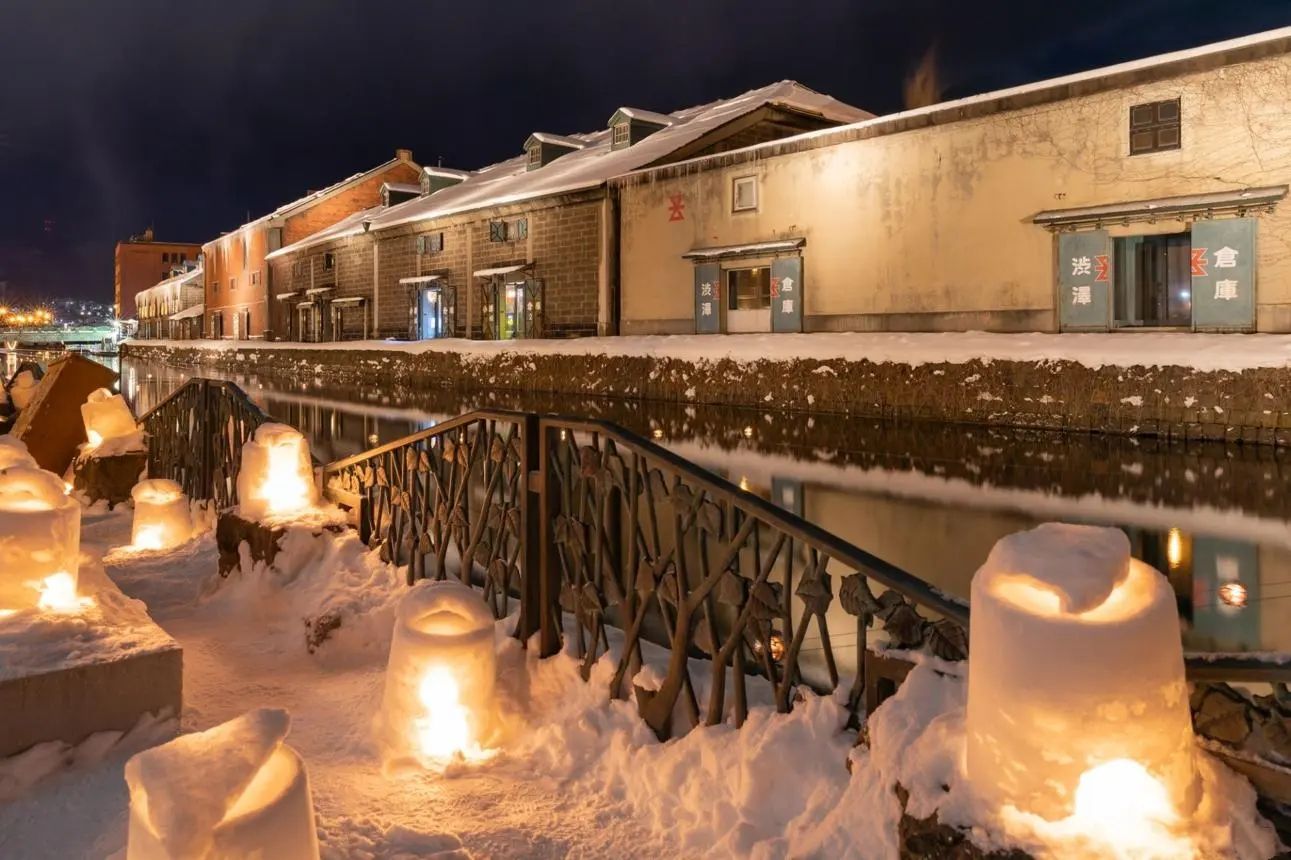
By this week a base is usually in. Last chairs at Niseko are around 4:00 or 4:30 p.m., depending on the area. Night skiing is posted from December 12 through March 22, and the evening hours are not the same mountain to mountain. This week sits inside that window, three weeks clear of Lunar New Year, and clear of the festival.
Early January is quieter, and the cover is less settled. The last week of January starts to fill toward February 4. January 16–23 is the settled week without that crowd.
If the base is Niseko, the lodging is the top of the market. Rusutsu is about 45 to 60 minutes from Hirafu in winter, in the same snow region. March 31 does not matter in January. It matters the moment someone slides this week into April. We do not promise a shorter lift line.
Route B — February, ski plus a city, eight days, February 13–20
For a first trip that should not be only snow. February 13 is a Saturday, two days after the festival ends and a week after Lunar New Year.
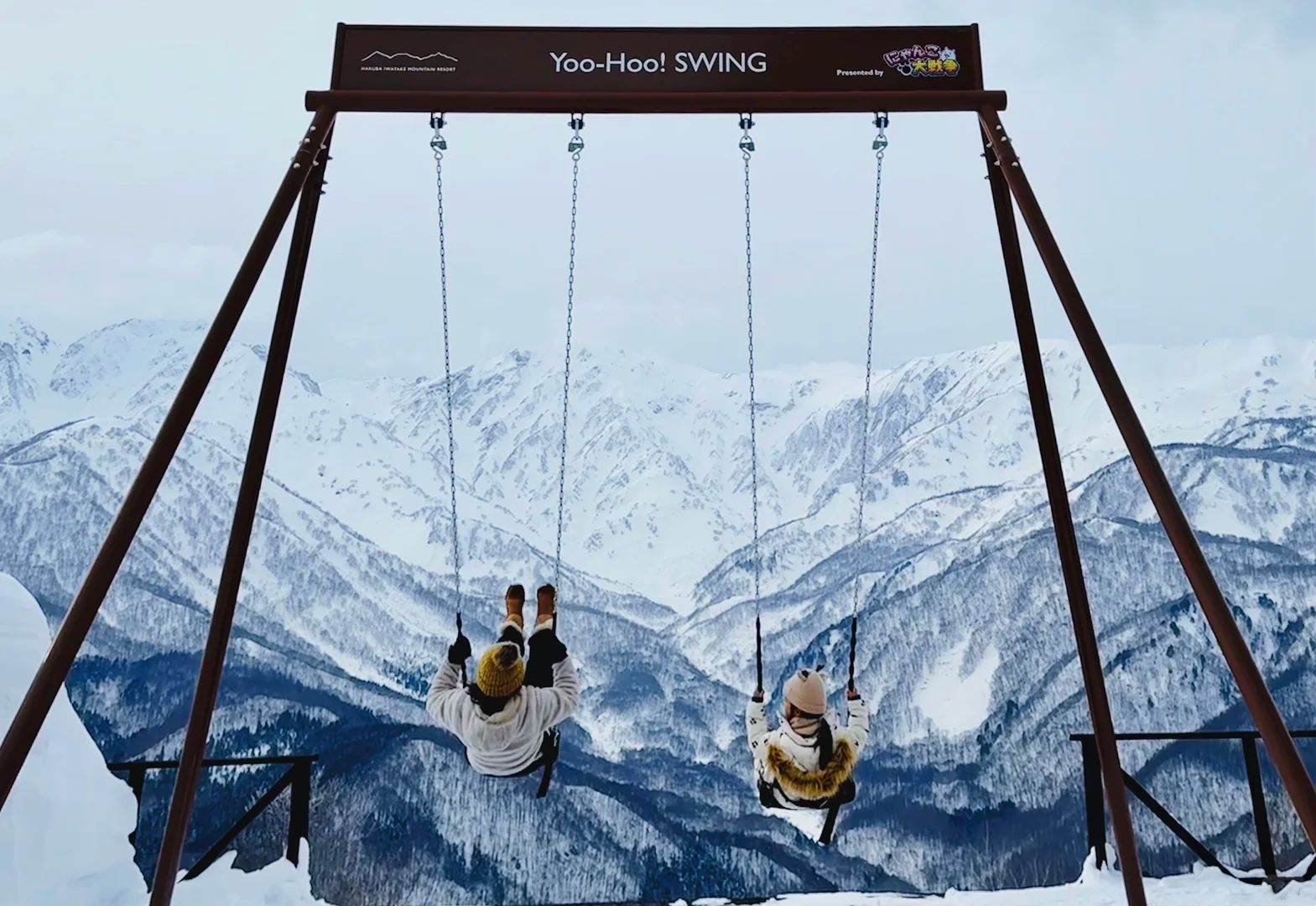
Five nights in Hakuba Valley, two in Tokyo. Hakuba is a valley, not one resort. The areas do not connect. Where you sleep is what you ski. Happo-One for the long runs. Goryu and Hakuba 47 for families and intermediates. Tsugaike for trees. One area a day. The shuttle is the transfer, and three areas is how the day disappears.
Jigokudani Monkey Park is about an hour by car from Hakuba, and it is the one stop on this route worth making without skis. It is a half-day. It is not a detour between lifts. The monkeys sit in the hot water with snow on their heads.
Tokyo goes last, as the buffer before the flight. There are no blossoms in February.
Route C — ten days, March 16–25: Hakuba, then Tokyo
Five days at Hakuba, March 16–20, a Tuesday through a Saturday. Five in Tokyo, March 21–25, leaving on Thursday the 25th.
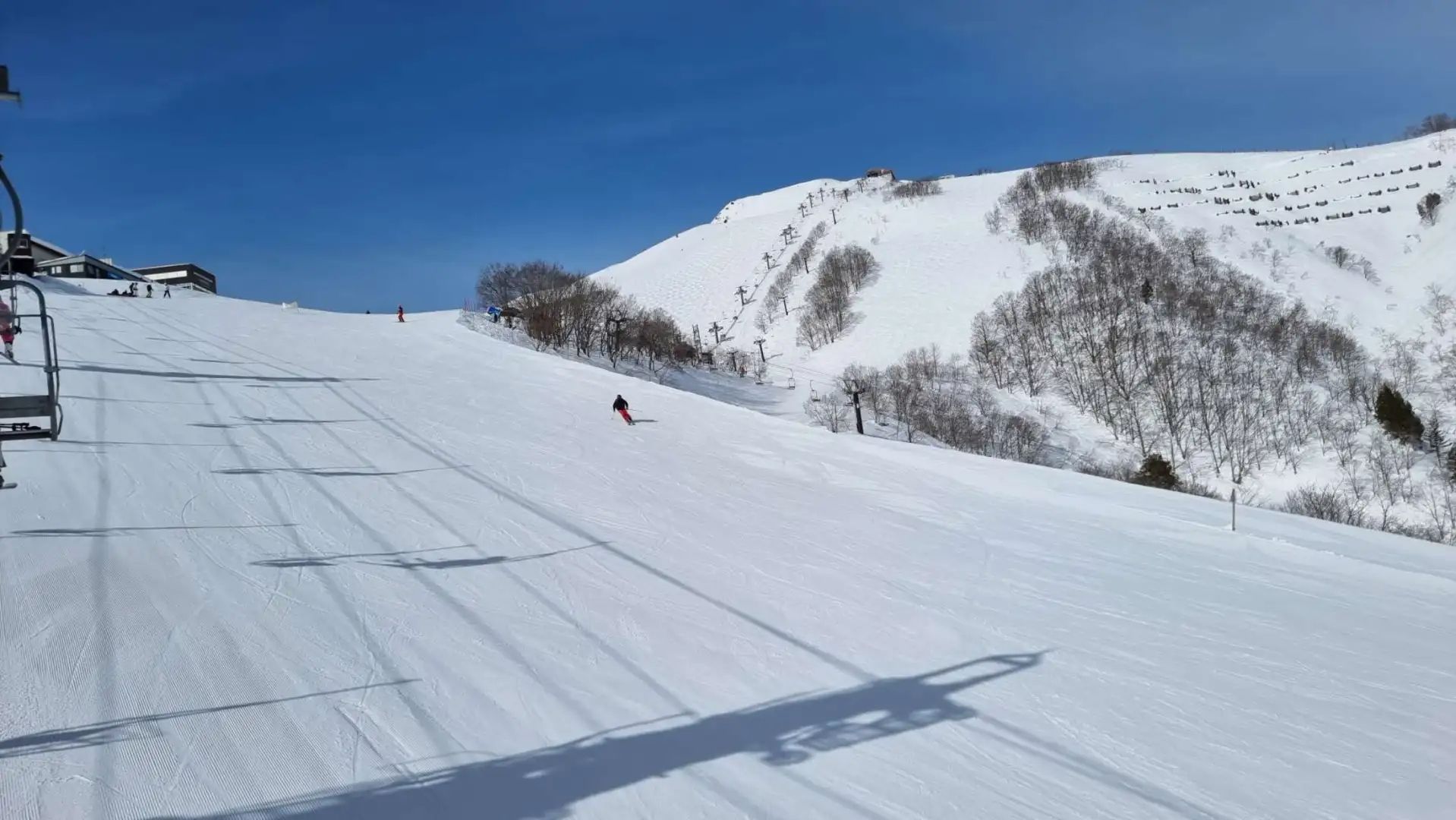
Happo's lifts are scheduled through May 5. These five ski days are still inside the high-season price, which runs through March 22. The snow is already spring snow. Firm in the morning, soft by two. Right for someone who can ski. Wrong for someone who came for January powder.
Tokyo, on a replay of 2026, is between first bloom and full bloom in those five days. First bloom that year was March 19. Full bloom was March 28. We do not have a 2027 blossom forecast. What this route buys, if the year rhymes, is the opening. What it gives up is the full-bloom weekend.
We leave on March 25 so the Tokyo nights are not the school holiday and not Easter. Push Tokyo past March 26 and you are in spring-break pricing, with Easter on the 28th, chasing the day this route deliberately misses. Say that in the itinerary. It is not skiing and full bloom in one trip.
The one we won't book
Fourteen days: Tokyo, Kyoto, Osaka, and two days of skiing. (If you want a pure city trip instead, see our Japan tour packages).
The cities are there all year. The reliable powder core is about a month, mid-January to mid-February. The season around it is longer, and it is a different product once the snow turns to spring. Two ski days inside a city trip make the mountain an accessory. Give skiing five to seven days, or give the cities their own ten. Do not split one trip down the middle and call it both.
Five dates people get wrong
One. Rusutsu closes March 31, not late April.
Two. The four Niseko areas close on four schedules. Hirafu and Annupuri, May 5. Hanazono, April 11. Village, April 4.
Three. Happo-One's December 19 to March 22 is the high-season price. Spring rates start March 23. The scheduled close is May 5. A magazine that calls January and February "best" is guessing. The resort's own price calendar is not a guess, and it is also not a closing bell.
Four. New Chitose to Niseko is not ninety minutes. Plan on about two to two and a half hours by car in winter, and about three by bus. Ninety minutes is a summer road. Add the flight and immigration and a same-day arrival from Tokyo has already spent the day.
Five. Nozawa's night skiing is the Nagasaka quad, 4:30 to 8:00 p.m. It runs every evening from December 26, 2026, through January 2, 2027. After that it is Saturdays from January 9 through March 20, plus two Sundays: January 10 and March 21. A plan that needs night skiing has to land on one of those dates. Five o'clock is not when it starts.
Crowds, and what they cost
Busiest: February 4–11, the festival and Lunar New Year on the same days, and the New Year week at the start of January. Those are two different weeks. Do not merge them.
Next: weekends from late January into the festival.
Quieter: the middle of January, the week after February 11, and early March, with the snow already changing.
Lift tickets in Japan usually cost less than the big North American resorts. Lodging at the famous bases costs more. Niseko is the top of that lodging market, then Rusutsu and Hakuba, then Furano and Nozawa. We do not print a number. A snow-season rate changes by the week, and a figure written into a page is wrong by the next morning.
Questions we get
Which airport? New Chitose if the trip is only snow. Niseko and Furano are two to three hours by road from there. Haneda or Narita if the trip includes cities. Hakuba is about four hours door to door from Tokyo, not a transfer you make after a morning landing and still ski.
Does English work? At Niseko and Hakuba, yes: menus, signs, lift staff, ski schools. At Nozawa, Rusutsu, and the smaller Shiga Kogen areas, the main buildings have basic English. A small restaurant, a bath, or an older lift station may not.
Can you ski in late March or April? Yes, where the schedule still says open. Hirafu, Annupuri, and Furano's main zone are scheduled to May 5. Hanazono to April 11. Village to April 4. Rusutsu is closed from March 31. Happo-One is scheduled to May 5, and several other Hakuba areas close in late March. April is spring skiing: clearer skies, longer light, fewer people. It is not powder. Furano's night skiing is already over.
Is Japan good for beginners? Yes. Niseko, Hakuba, and Nozawa all have wide beginner terrain, schools, and rentals. The mistake is the schedule. Three lifts is a full day when you are learning.
With children? Niseko Village and Hanazono are the easy bases: gentler slopes, ski-in, ski-out. Remember which day each one closes. Goryu and Hakuba 47 work in the valley. Nozawa's village is a good place to be with children. The upper mountain is not a beginner hill.
Where we draw the line
We do not promise snow, and we do not promise powder on a given day. Every operating date above is the resort's 2026–27 notice, and it can move. The calendar does not. The Snow Festival is February 4–11. Lunar New Year is February 6. Tokyo's school break runs from March 26. Easter is March 28.
What we do is settle the month before the mountain, write the closing date of the actual area into the itinerary, mark the eight days when the festival and the holiday are the same crowd, and, in March, put the snow and the blossoms in the order they happen. One trip does not hold January powder and Tokyo's full bloom.
Sources
Checked November 10, 2026.
Niseko United lift page: Annupuri and Grand Hirafu, November 28, 2026–May 5, 2027; Village to April 4, 2027; Hanazono to April 11, 2027. Night skiing posted December 12, 2026–March 22, 2027. Hours differ by area. Annupuri daytime 8:30 a.m.–4:30 p.m., night 4:30–7:30. Hanazono's own page: daytime to 4:30 p.m., night 4:00–8:00 p.m. Village: daytime to 4:00 p.m., night to 7:00 p.m. Dates can change with snow.
Furano Ski Resort, Prince Hotels: main zone November 28, 2026–May 5, 2027. Night skiing into late March, then closed. Spring hours from March 23.
Rusutsu: Hokkaido Ropeway Association, scheduled November 28, 2026–March 31, 2027, subject to snow. The resort's winter stay plans run through the night of March 30.
Happo-One ticket page: scheduled December 1, 2026–May 5, 2027. High season December 19–March 22. Spring rates March 23–May 5. The My Number early-bird ticket is valid through May 5 and calls December 19–March 22 the recommended window.
Nozawa Onsen: resort site, winter opening planned November 28, 2026, scheduled through May 5, 2027. Nagasaka quad night skiing 4:30–8:00 p.m., daily December 26–January 2, then Saturdays January 9–March 20, plus January 10 and March 21.
Sapporo Snow Festival, official notice July 13, 2026: the 77th festival, February 4–11, 2027, eight days, three sites. Linked snow-sports park February 12–14. Lunar New Year 2027 is February 6.
Tokyo public-school spring break, March 26–April 5, is the metropolitan school rule. Adachi Ward has published the same dates for spring 2027. Easter Sunday 2027 is March 28. Tokyo's 2026 specimen full bloom was March 28; first bloom was March 19. That replay is not a 2027 forecast. The Agency has not issued one since 2009.