Lampang scenery

18°17′N 99°29′E

Lampang Travel Guide for Temples, Carriages & Ceramics

This old Lanna town on the Wang River moves slowly: a wooden temple in the morning, a horse carriage past teak shophouses, and a bowl painted with a rooster to take home. Use this guide to plan what to eat, which temple is worth the ride out, and how a quiet evening works.

To Ko Kha
18 km
Ban Sao Nak
116 pillars
Night market
Sat–Sun

The brief

Lampang is the Thailand the timetable forgot. A wooden temple in the morning light, a carriage past teak shophouses by noon, and a rooster bowl that has been the everyday rice bowl of Thai kitchens for a century. Nothing here asks you to hurry.

01 — Why Lampang

Four reasons to stop here

The town is small, but almost every reason to come here is something the bigger cities have already lost.

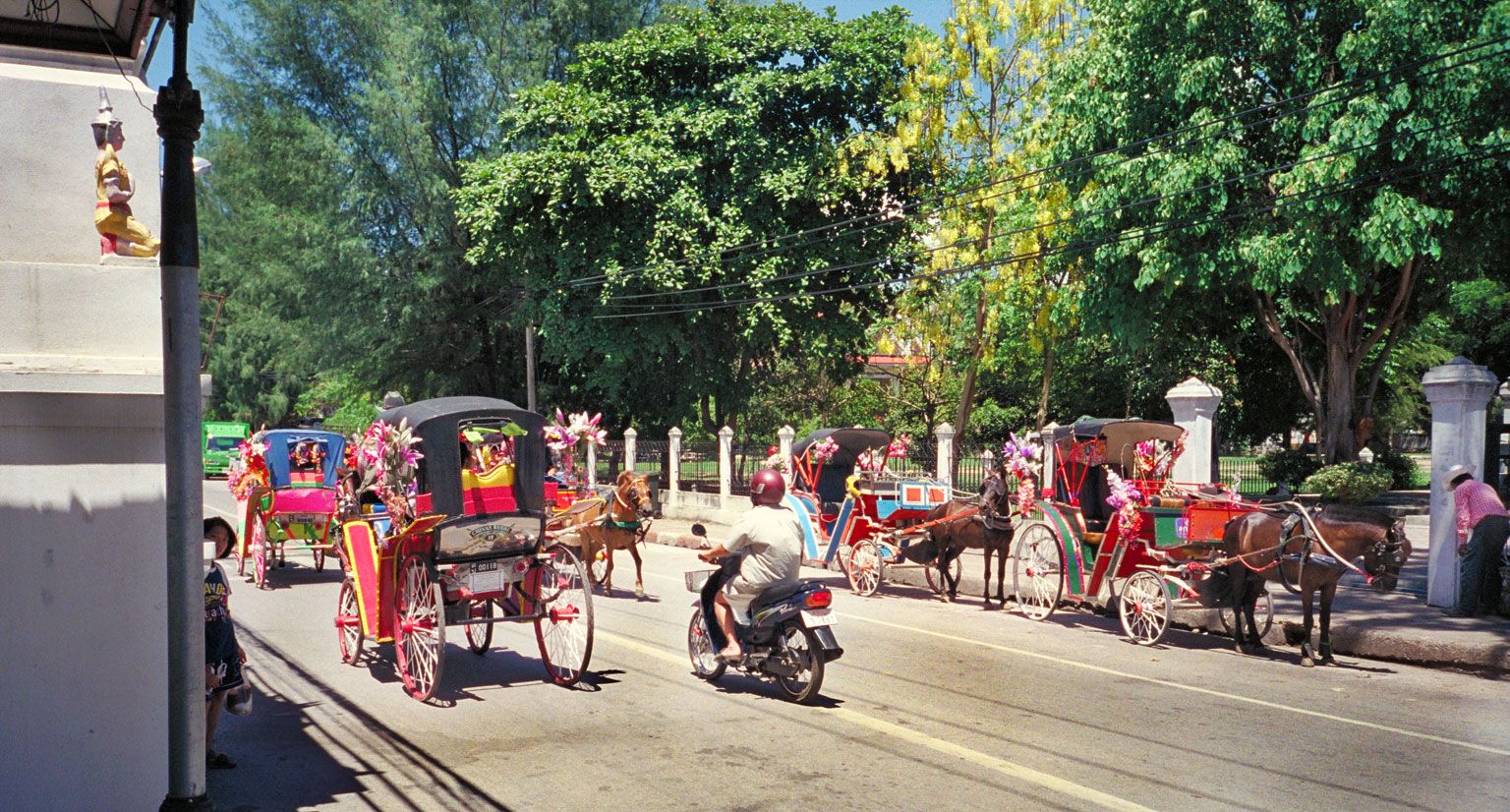
  1. Carriages still run on the street

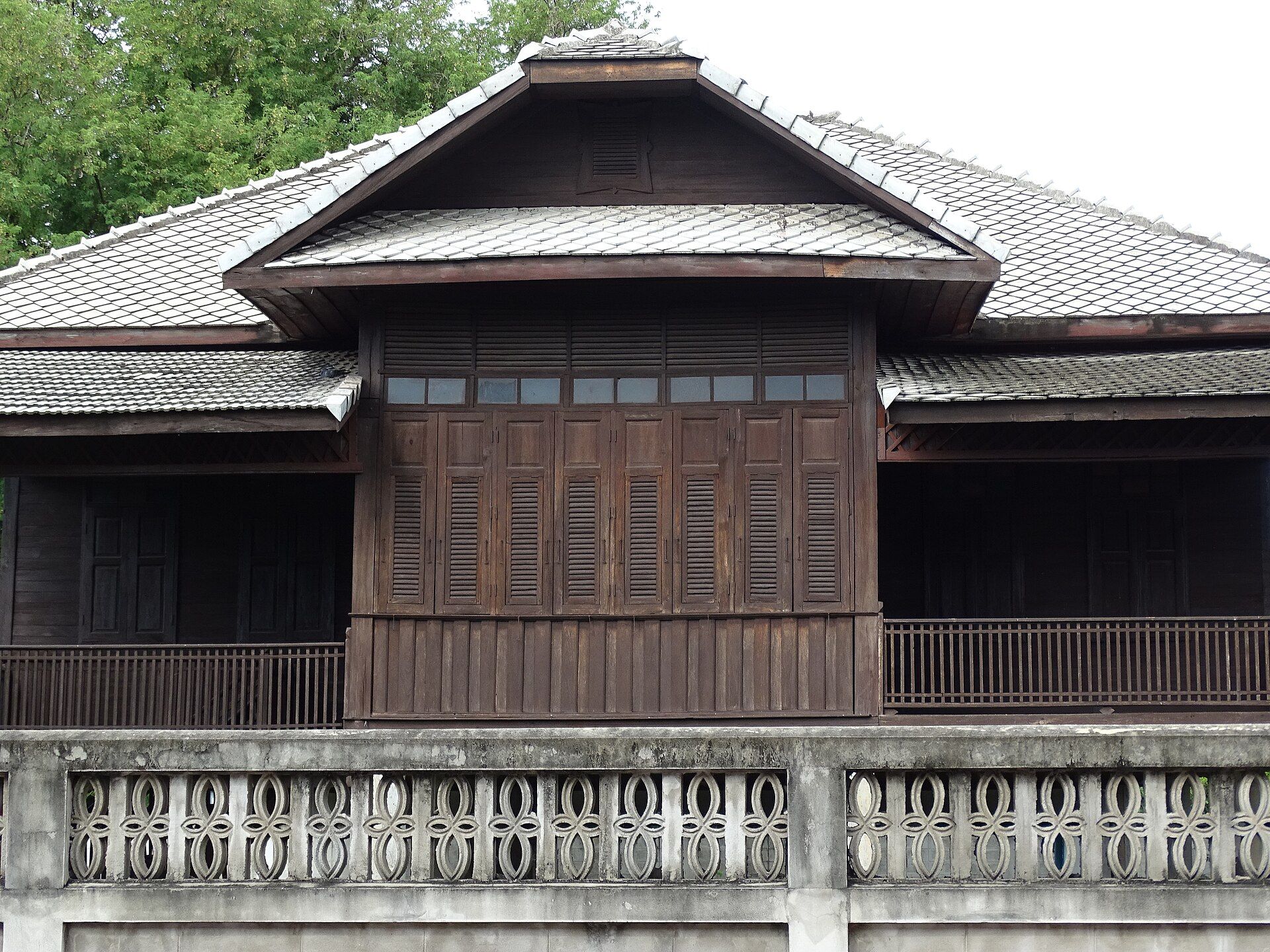
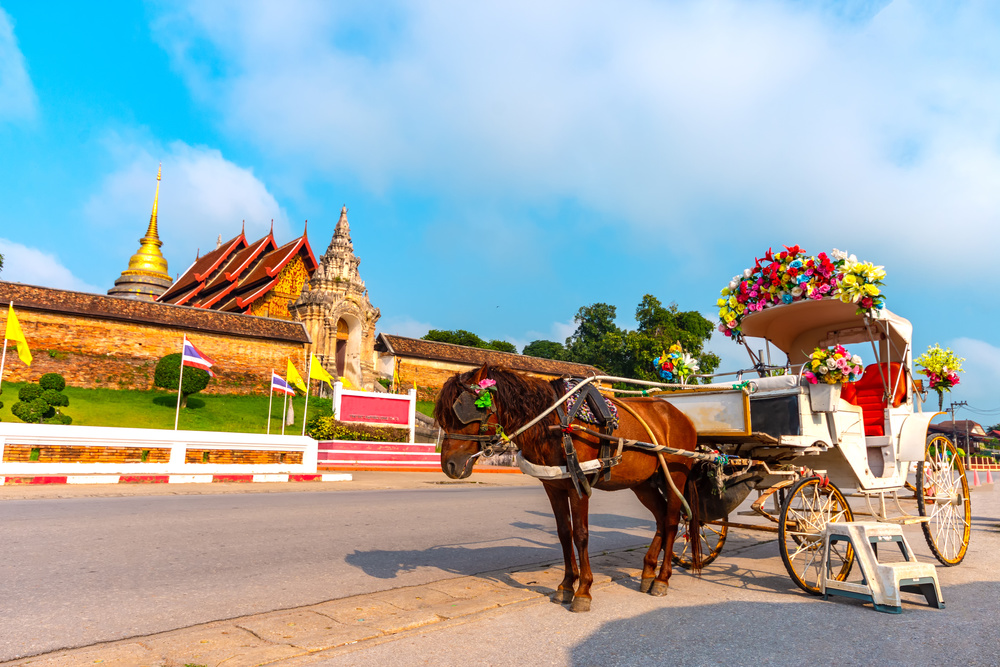
    Lampang still runs horse-drawn carriages through the old streets along the Wang, past teak houses and shophouses. Agree on the price and the loop before you sit down — a short ride is the right length.

  2. The most complete wooden temple in the region

    Wat Phra That Lampang Luang, out in Ko Kha: an open-sided viharn and a gilded chedi. In Wihan Nam Tam, a small opening throws an upside-down image of the chedi onto the inner wall when the morning light is right.

  3. A rice bowl with a rooster on it

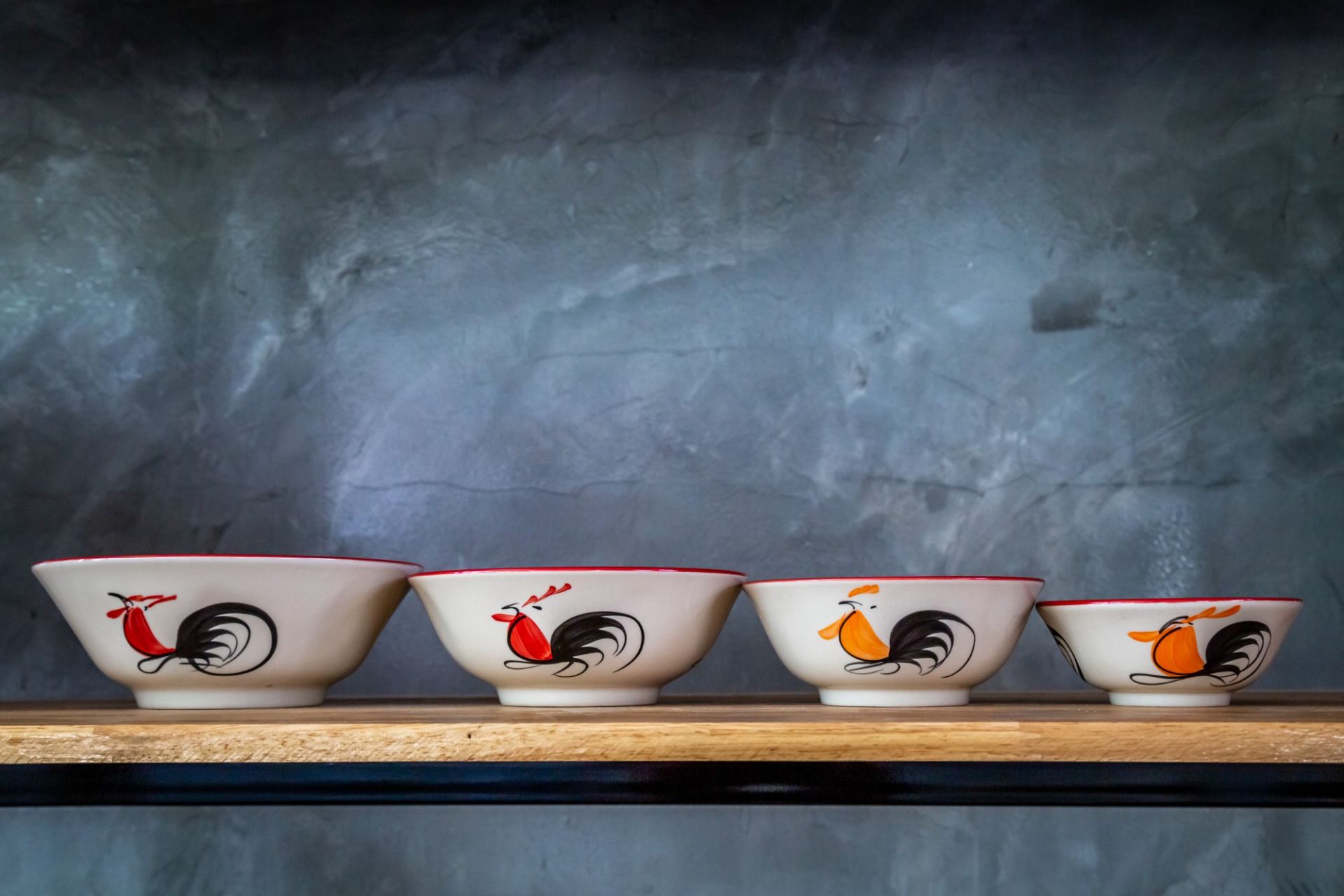
    The blue-and-white rooster bowl became the everyday rice bowl of Thai kitchens, and the dragon kilns that made it are still on the ground here — two of them, in the middle of town.

  4. Weekends close the old street

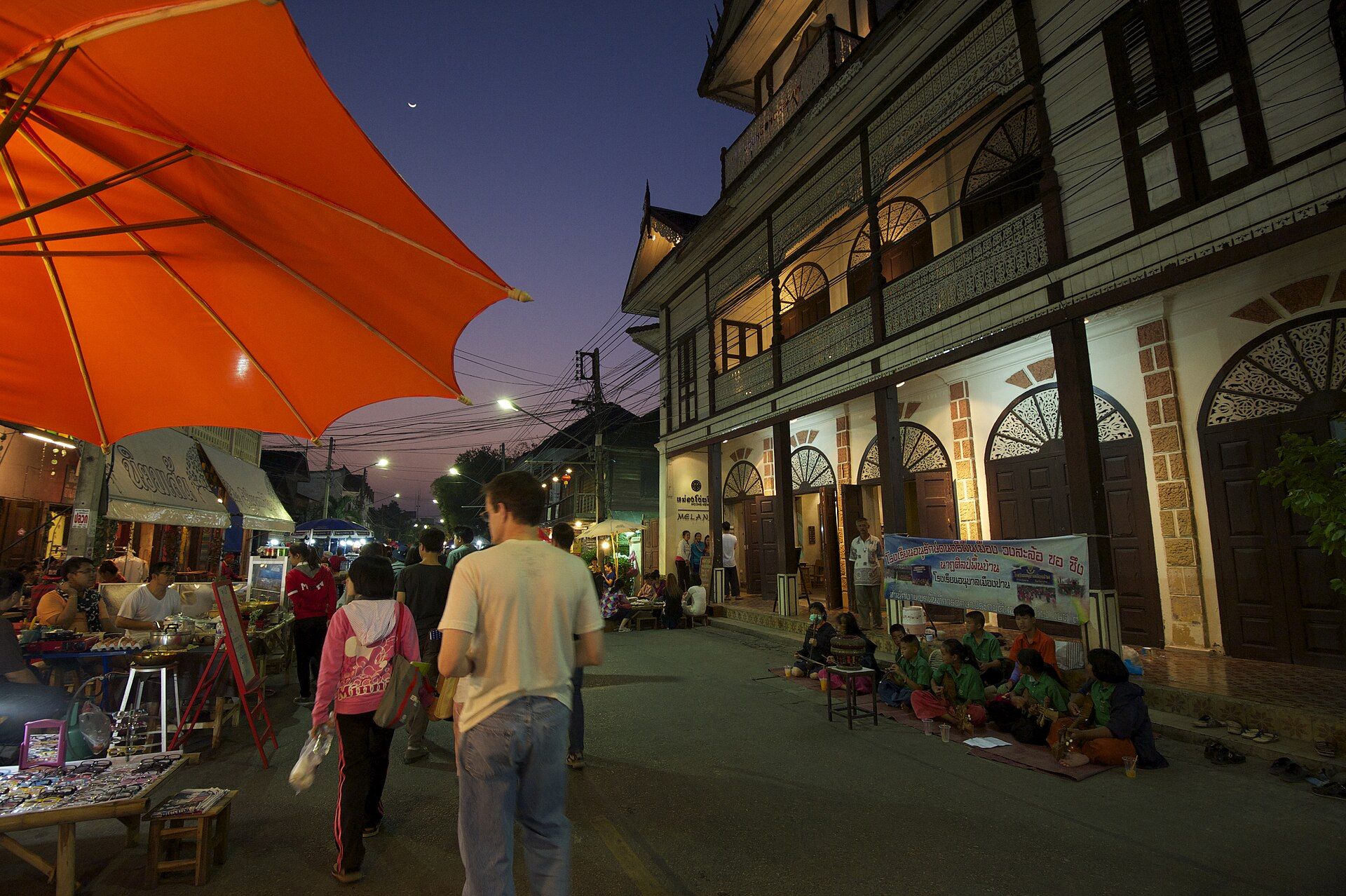
    On Saturdays, Sundays and public holidays the old commercial street by the Wang fills with northern snacks, ceramics and cloth between the wooden shophouses. A midweek night stays quiet.

02 — The table

Lampang Food

Coconut-curry noodles, a tart northern broth, and a crisp rice cracker are the bowls worth crossing town for.

Khao Soi

01 — Northern classic

Khao Soi

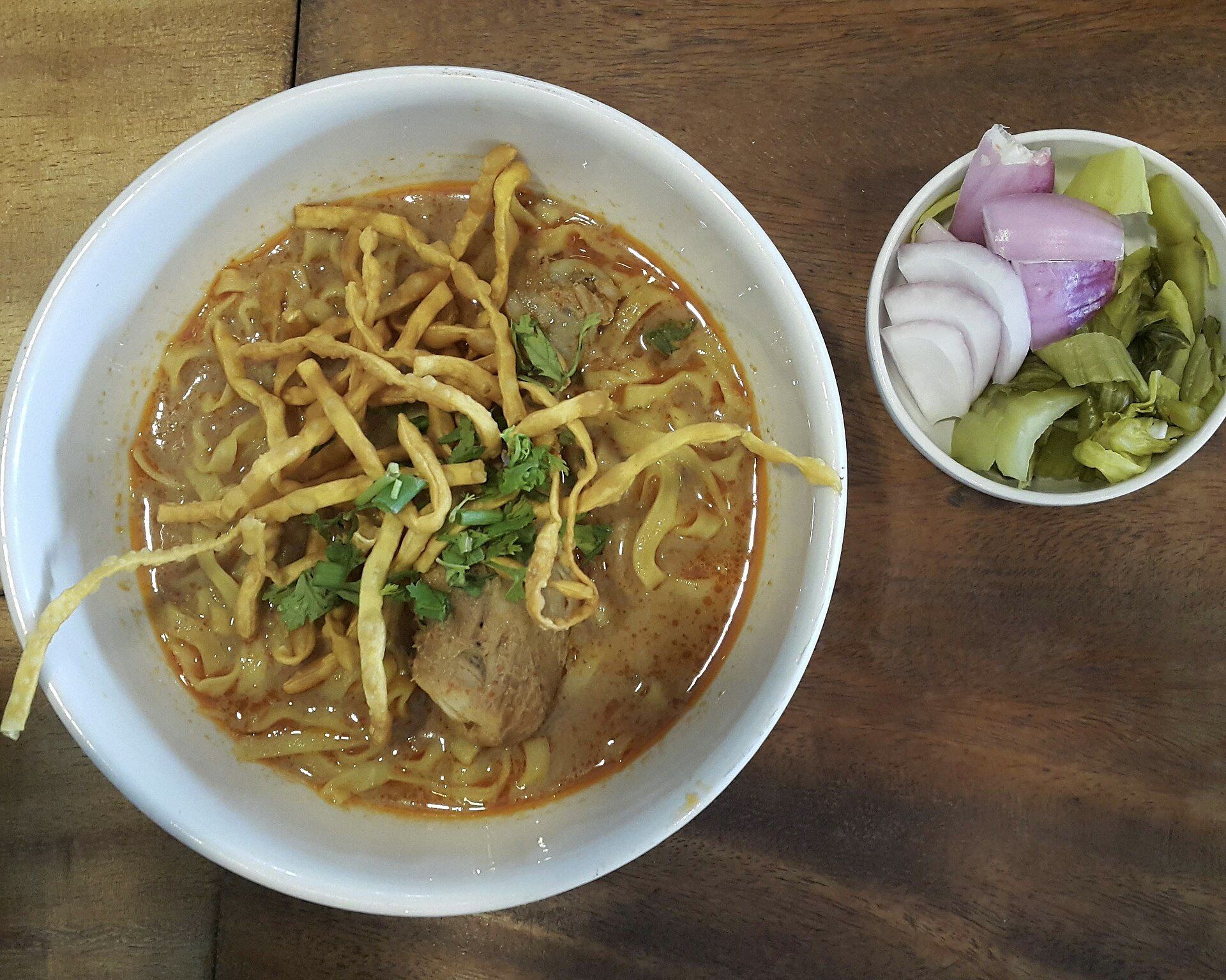
Khao soi is egg noodles in a coconut-curry broth, with chicken or beef, and pickled mustard greens, shallots, and lime on the side. Many Lampang shops keep the broth a little lighter than the richest Chiang Mai versions. The good kitchens often close in the mid-afternoon, so eat it at lunch.
Khanom Jeen Nam Ngiao

02 — Northern noodles

Khanom Jeen Nam Ngiao

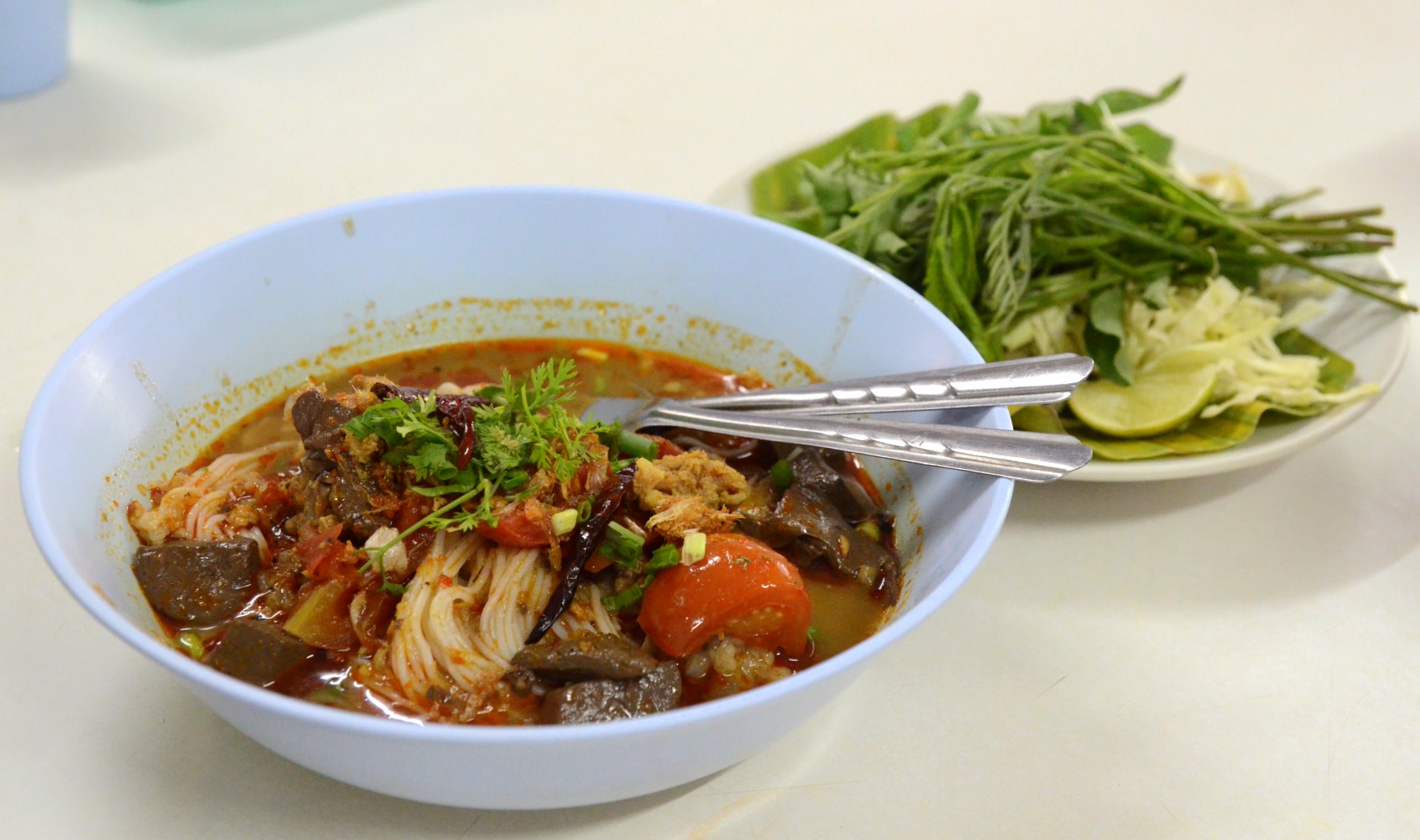
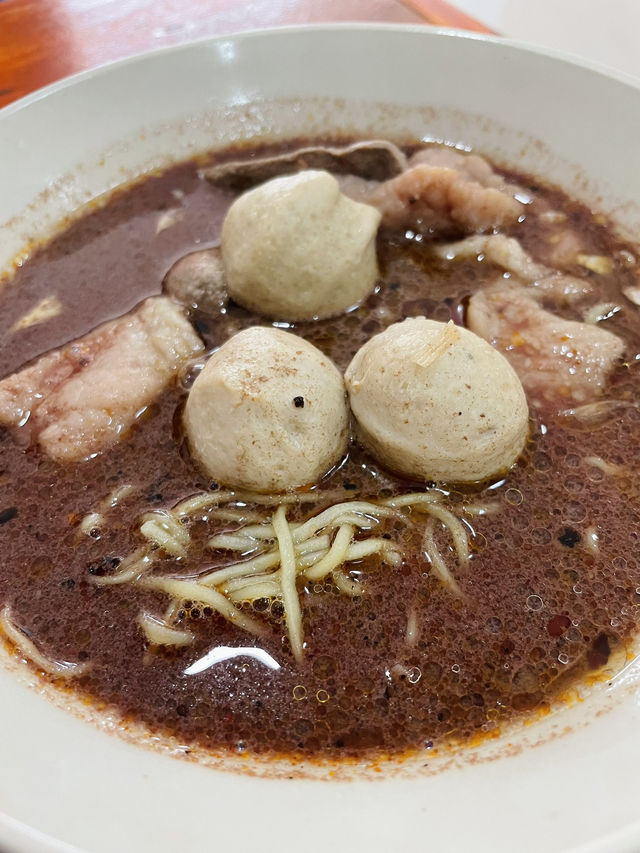
Khanom jeen nam ngiao is thin rice noodles in a tart tomato-and-pork broth, with pork crackling on top. The traditional pot includes a little pork blood. It shows up at morning markets and small shops by the river. Ask them to leave the blood out if you want the tomato and chili on their own.

Riverside Wonton Noodles

03 — Wang River

Riverside Wonton Noodles

A few old shops along the Wang serve kuay tiao with pork wontons, and some still set the tables so your legs hang over the railing. Go at lunch, when the kitchens are rolling dough. It is a slow bowl beside the water.

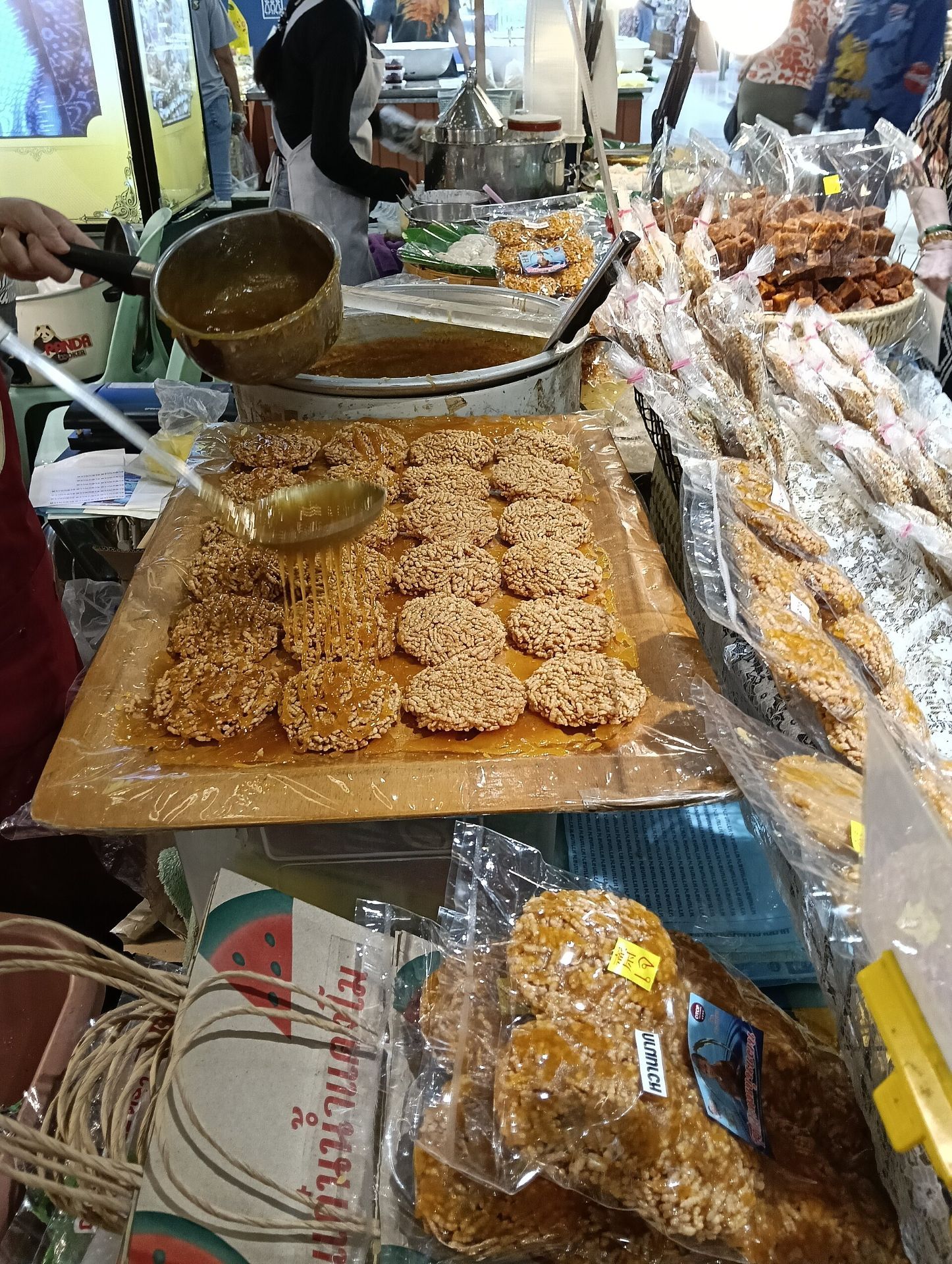
Khao Taen Rice Crackers

04 — Lampang snack

Khao Taen Rice Crackers

Khao taen are thin crispy rice crackers, a Lampang snack eaten with a sweet-salty dip or sold already glazed. Sealed bags travel well on the bus back to Chiang Mai. Taste one at the shop before you take a stack.

03 — In town

Popular Attractions in Lampang

A wooden temple outside town, a Burmese viharn in the center, and a horse carriage between them cover a first visit.

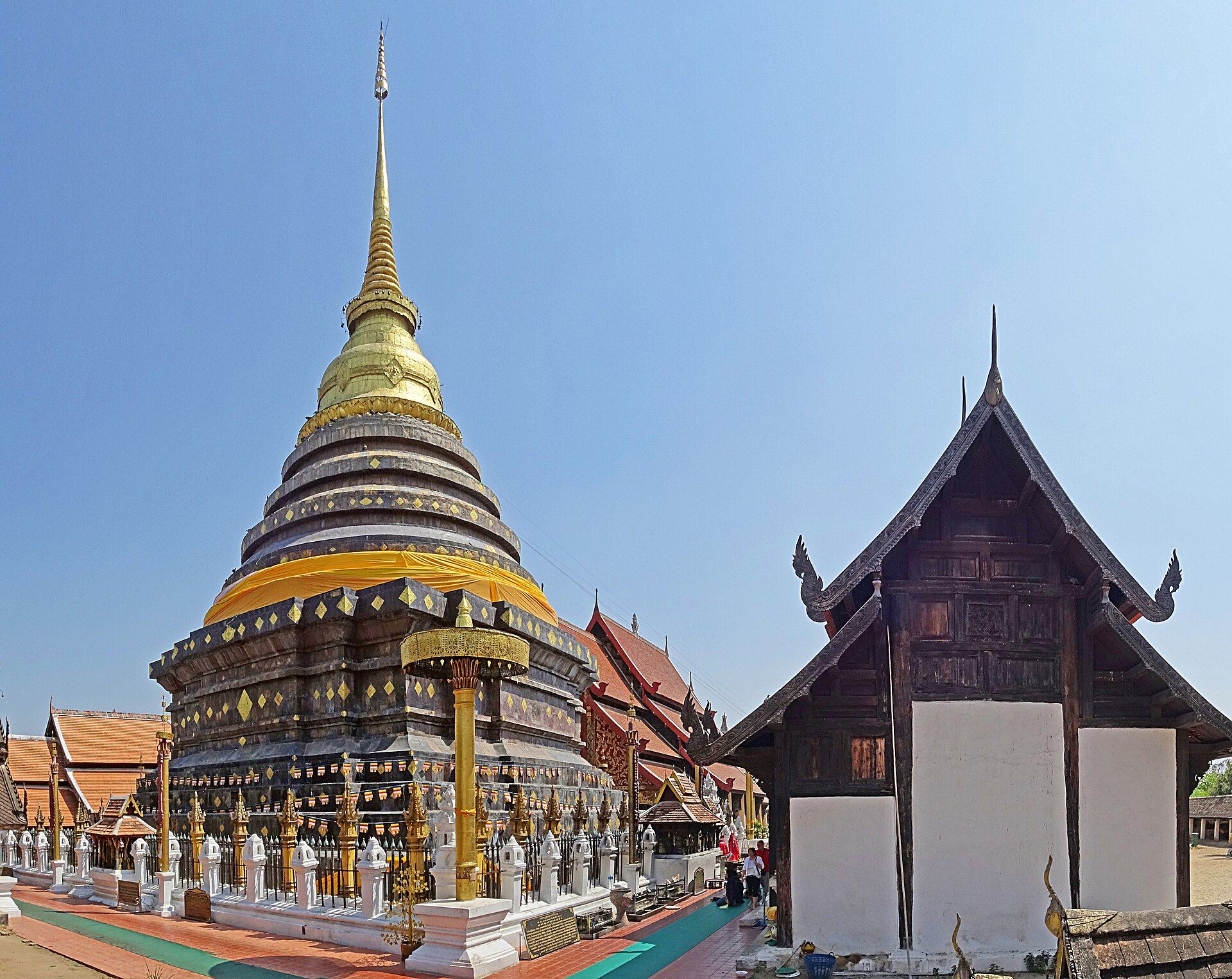
Wat Phra That Lampang Luang

Lanna temple · Ko Kha

Wat Phra That Lampang Luang

Wat Phra That Lampang Luang, about 18 kilometers southwest in Ko Kha, is the most complete old wooden temple in the area, with an open-sided viharn and a gilded chedi. In Wihan Nam Tam, a small opening throws an upside-down image of the chedi onto the inner wall when the morning light is right. Women are asked to stay out of the main viharn's upper level and look in from the entrance. Cover shoulders and knees.

Lampang Horse Carriage

Horse carriage · Old town

Lampang Horse Carriage

Lampang still runs horse-drawn carriages through the old streets along the Wang, past teak houses and shophouses. Agree on the price and the loop before you sit down. A short ride is the right length. Leave the horses in the shade through the hottest hour.

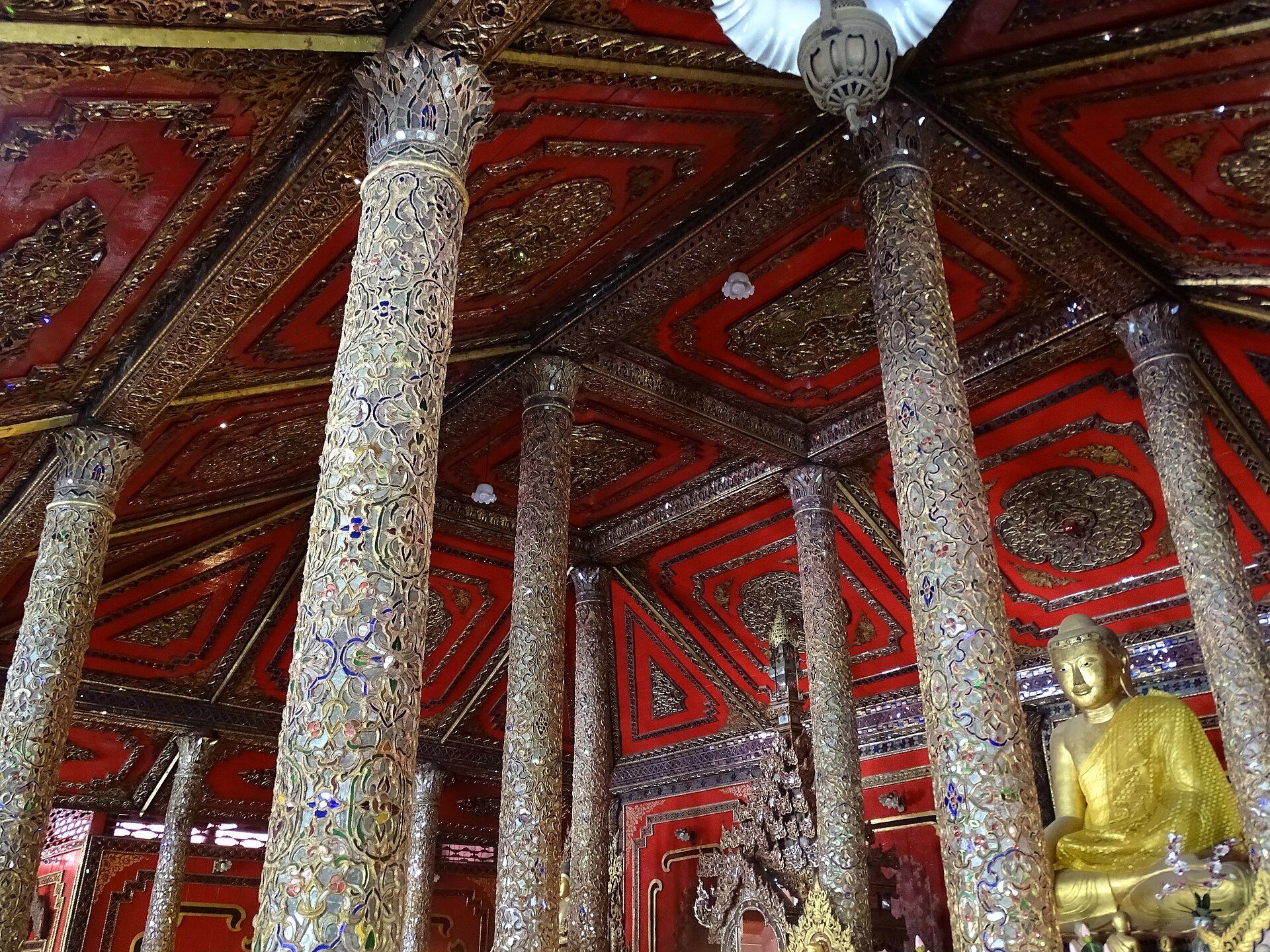
Wat Si Rong Mueang

Burmese style · City temple

Wat Si Rong Mueang

Wat Si Rong Mueang was built by the Burmese community that came with the teak trade, and its viharn is a stack of carved wood and colored glass in the middle of town. It is a working temple. Cover shoulders and knees. Morning light reaches the facade before the street heats up.

Wat Chedi Sao

White chedis · Quiet compound

Wat Chedi Sao

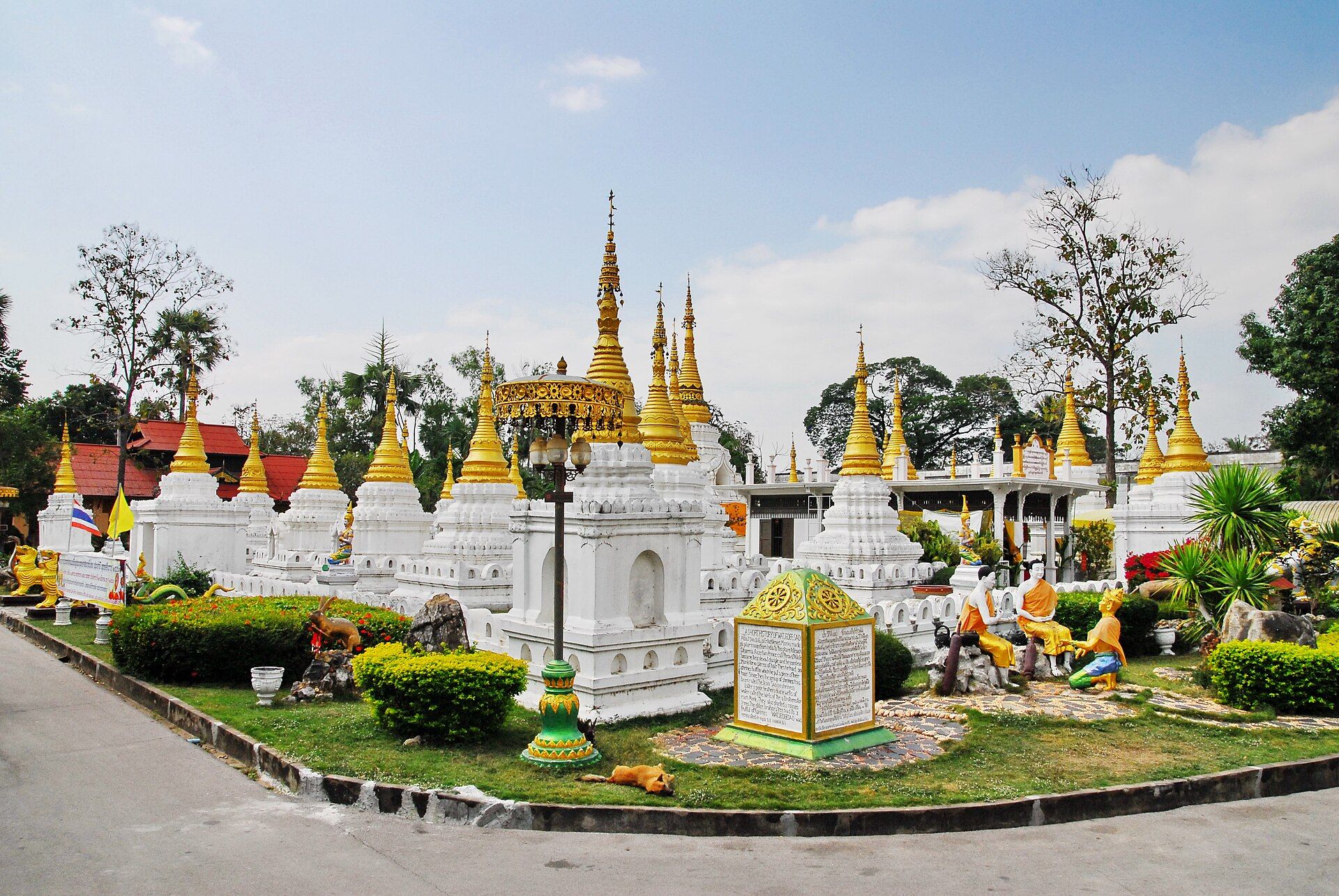
Wat Chedi Sao stands a little north of the center, a field of about twenty white chedis around a larger one. It sits easily on the way back from the elephant center. Keep the first hour of the morning for Wat Phra That Lampang Luang. The compound is open and sunny, so go early.

Ban Sao Nak

Teak house · Many pillars

Ban Sao Nak

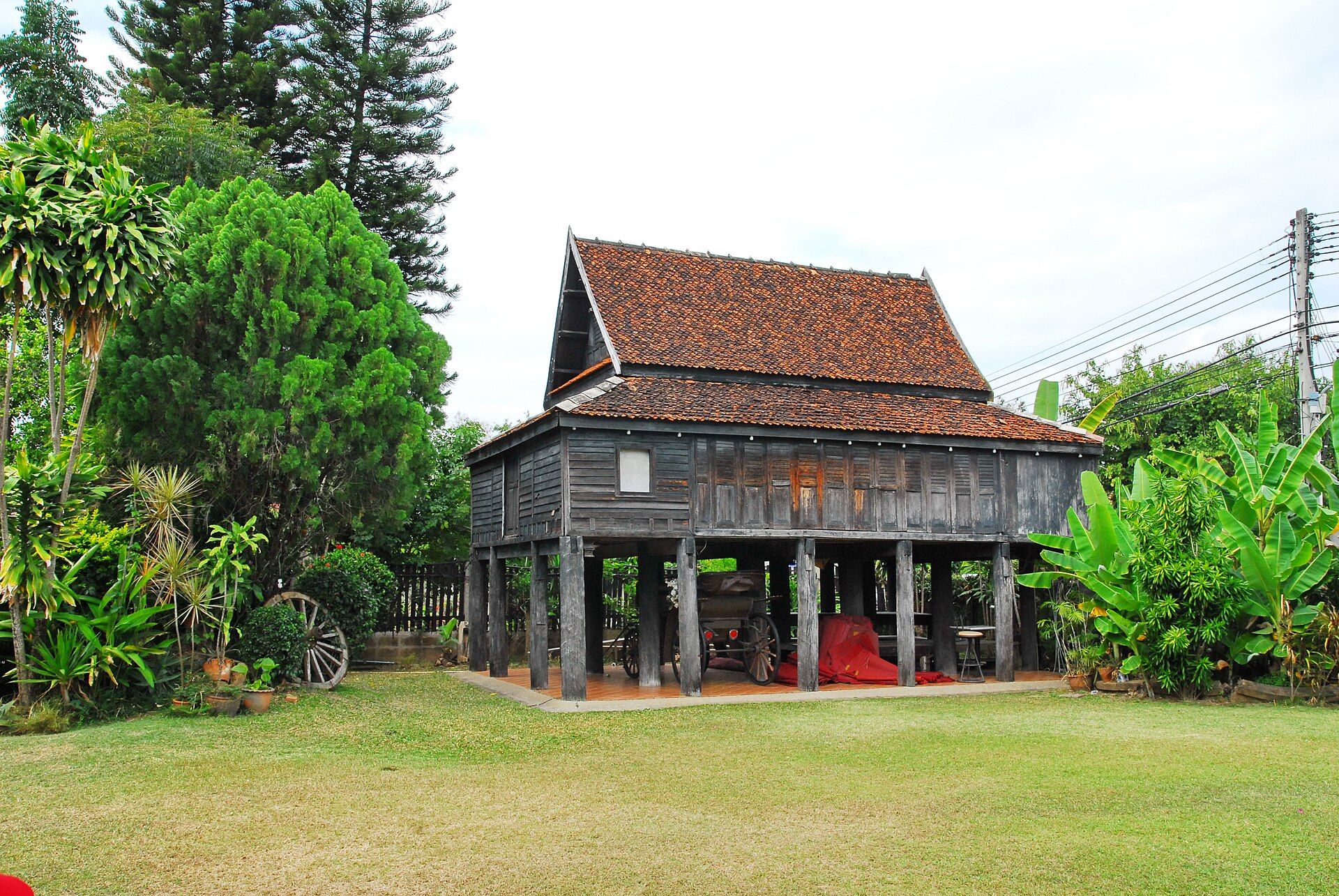
Ban Sao Nak is a teak mansion from 1895, raised on 116 pillars for a Burmese merchant family. The name means "many pillars" in the northern dialect. Shoes come off at the stair. The house has been closed for long stretches, so check that the gate is open before you plan the afternoon around it.

04 — After dark

Lampang After Dark

Evenings

Kad Kong Ta Walking Street

Walking street · Weekends

Kad Kong Ta Walking Street

Kad Kong Ta closes the old commercial street by the Wang on Saturdays, Sundays, and public holidays, from about six in the evening. Stalls sell northern snacks, ceramics, and cloth between the wooden shophouses. On Fridays a shorter market sets up on the cultural street. A midweek night stays quiet.

Old Town Shophouses at Dusk

Wang River · Wooden street

Old Town Shophouses at Dusk

On nights without the market, walk the river road past the old shophouses and eat at a shop that is still serving. The horse carriages thin out after dark. Save the temple at Ko Kha for daylight.

Weekend stalls along the Wang are the evening. On other nights the old town is a short walk and an early dinner.

05 — The rooster bowl

Lampang Ceramics

The rooster bowl is the souvenir that belongs to this city, and the old dragon kilns are still there to see.

Dhanabadee

Dhanabadee Ceramic Museum

Rooster bowl · Dragon kiln

Dhanabadee Ceramic Museum

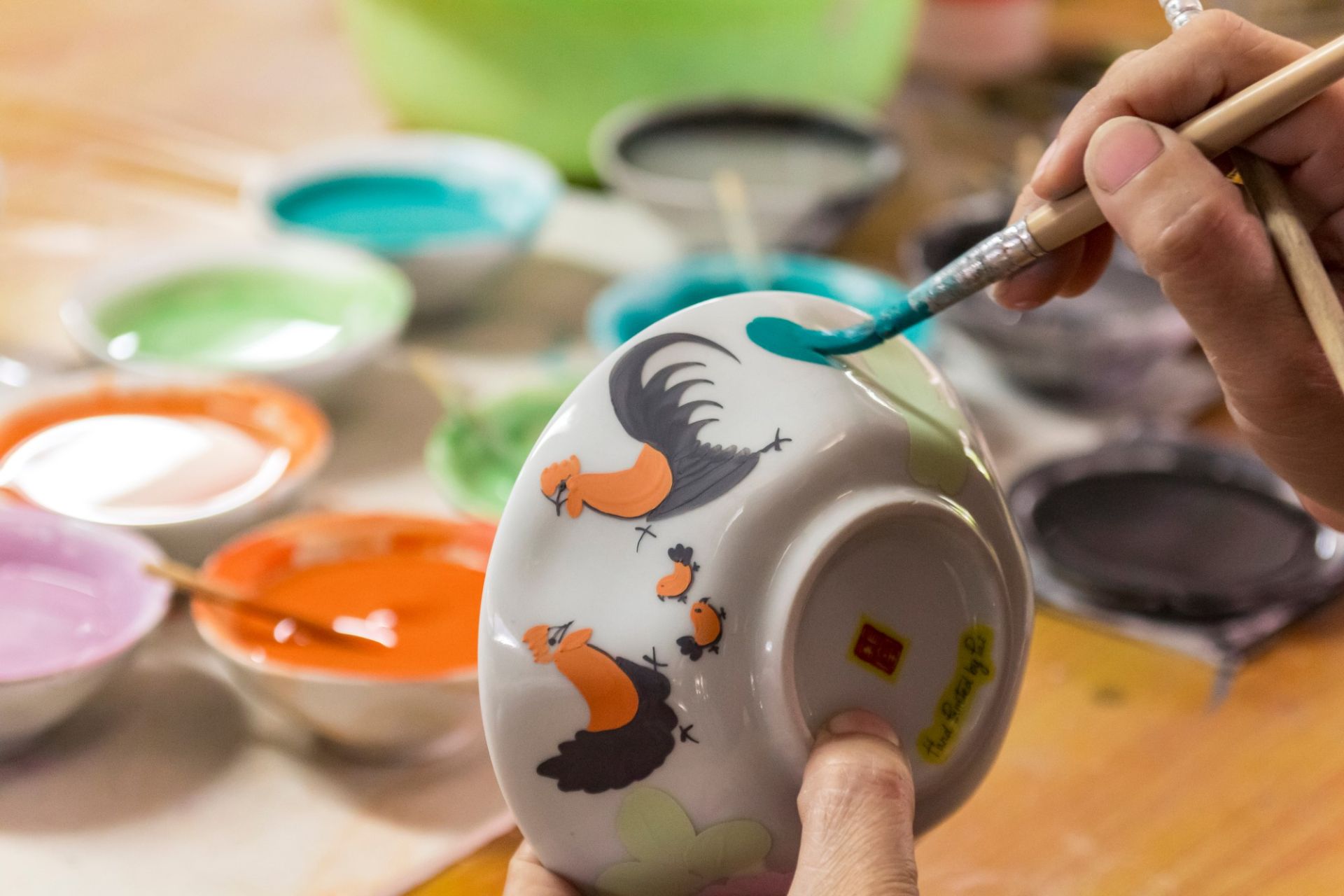
The Dhanabadee museum tells how Lampang's blue-and-white rooster bowl became the everyday rice bowl of Thai kitchens, and it keeps two original dragon kilns on the grounds. You can watch bowls being made and paint one when a session is running that day. Wrap anything you buy before the ride back to town.

Rooster Bowls to Pack

Chicken brand · Ceramic gift

Rooster Bowls to Pack

Buy a rooster bowl at the museum shop or a factory showroom on the road north of town, where seconds are sold plainly marked. Check the foot for chips and ask them to pack it for a bus or a flight. A small bowl is the useful size. A full set of serving dishes is how a suitcase gets heavy.

06 — Out of town

Outside Lampang

One of these fills a morning. The temple at Ko Kha and a hot spring do not fit before lunch.

Do not stack them before lunch

Thai Elephant Conservation Center

Elephant hospital · Hang Chat

Thai Elephant Conservation Center

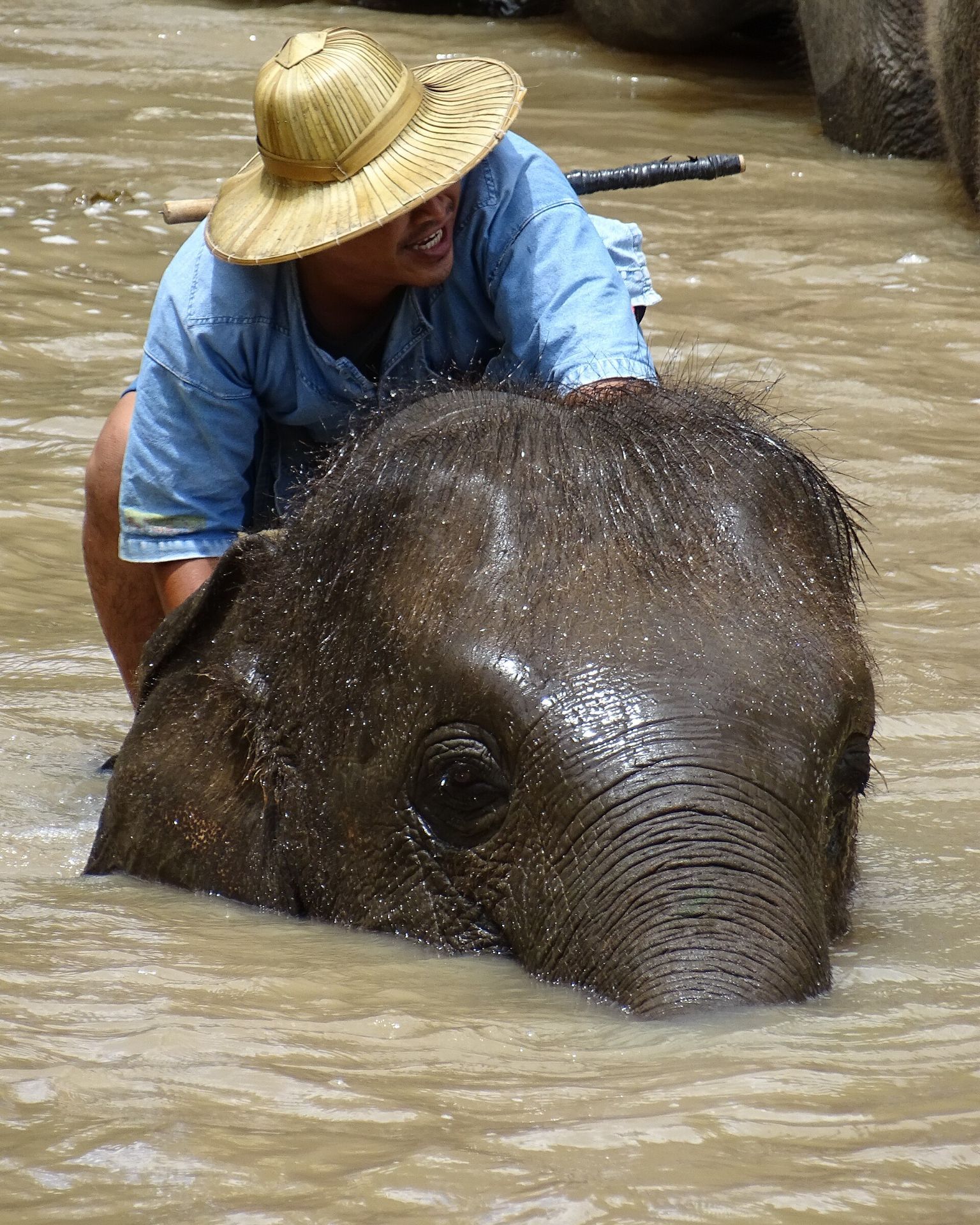
The Thai Elephant Conservation Center, about 30 kilometers north toward Chiang Mai, is a government center for retired and rescued elephants, with a hospital on the grounds. The morning visit is the bathing and the hospital. Confirm the day's programme before you hire a car, and decline any add-on that puts you on an elephant's back.

Chae Son Hot Springs

Hot springs · National park

Chae Son Hot Springs

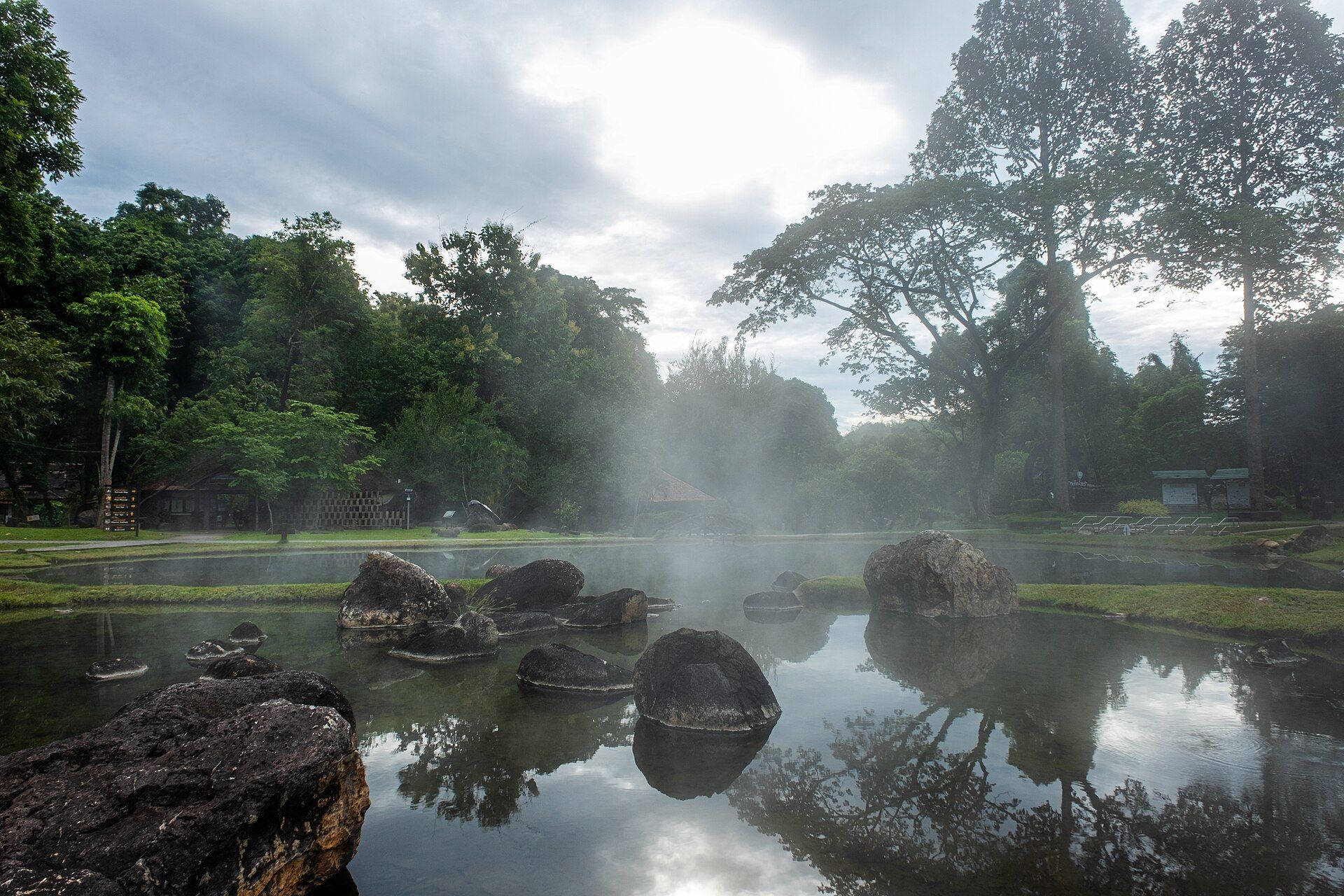
Chae Son National Park, about 75 kilometers northeast, has hot springs beside a creek and a waterfall a short walk uphill. The water at the source is too hot for bathing. Use the cooler pools downstream, or a private hut when one is free. Boiling an egg in the spring is the local habit. Give the park a morning of its own.

Wat Chaloem Phra Kiat

Hilltop chedis · Chae Hom

Wat Chaloem Phra Kiat

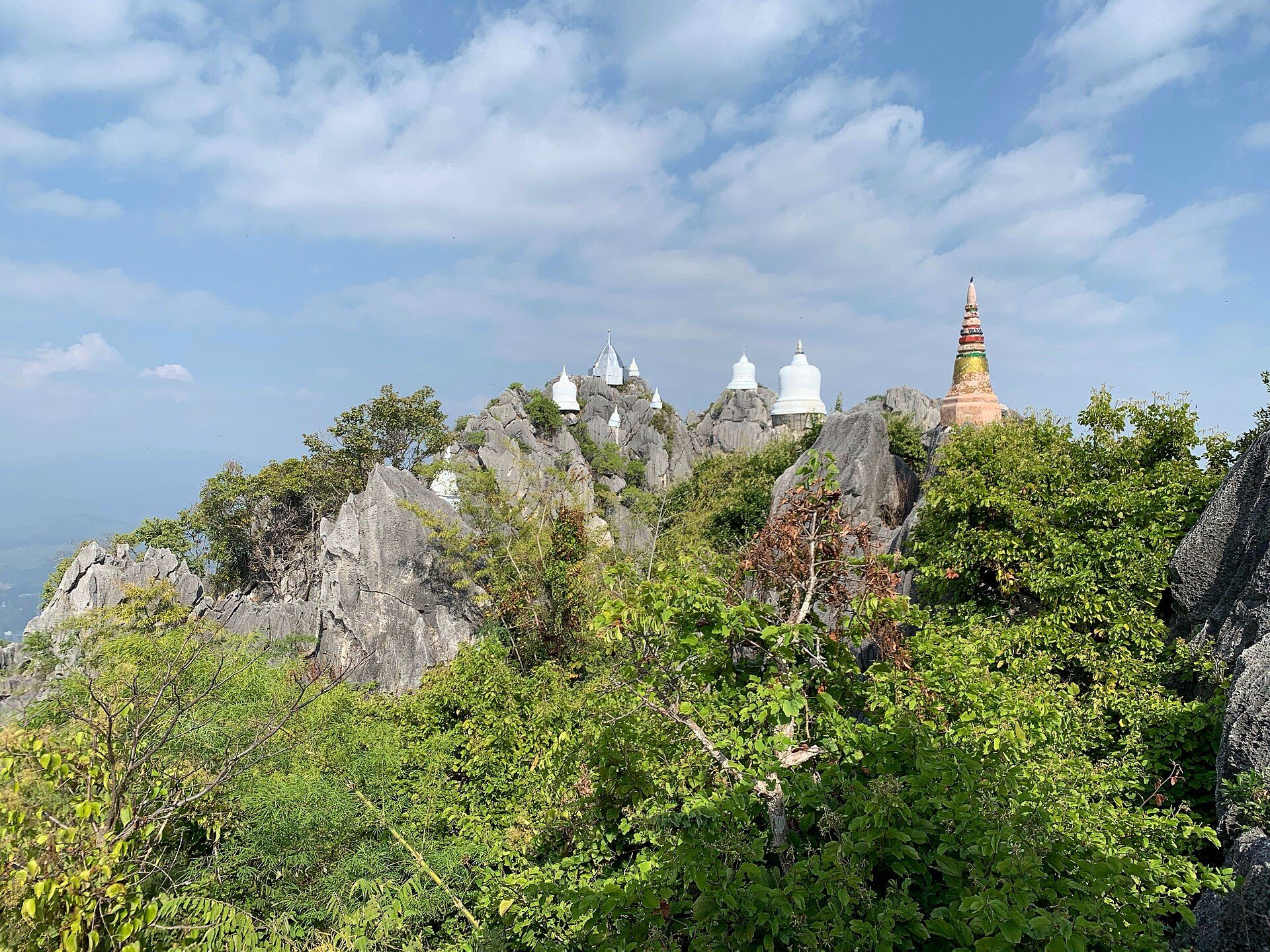
Wat Chaloem Phra Kiat lines white chedis along a ridge in Chae Hom, with a view over the valley. A local truck takes you up, and the last stretch is steps. It takes half a day from town. Keep it off the same morning as Wat Phra That Lampang Luang. Go in clear weather. Cloud sits on the ridge through the rainy months.

  • 18km to Ko Kha and the wooden temple
  • 116pillars holding up Ban Sao Nak
  • 20white chedis at Wat Chedi Sao
  • 1895Ban Sao Nak raised for a teak merchant

Want Lampang in your outline?

Tell us your month and nights. We’ll place this destination where it actually fits.

Contact us