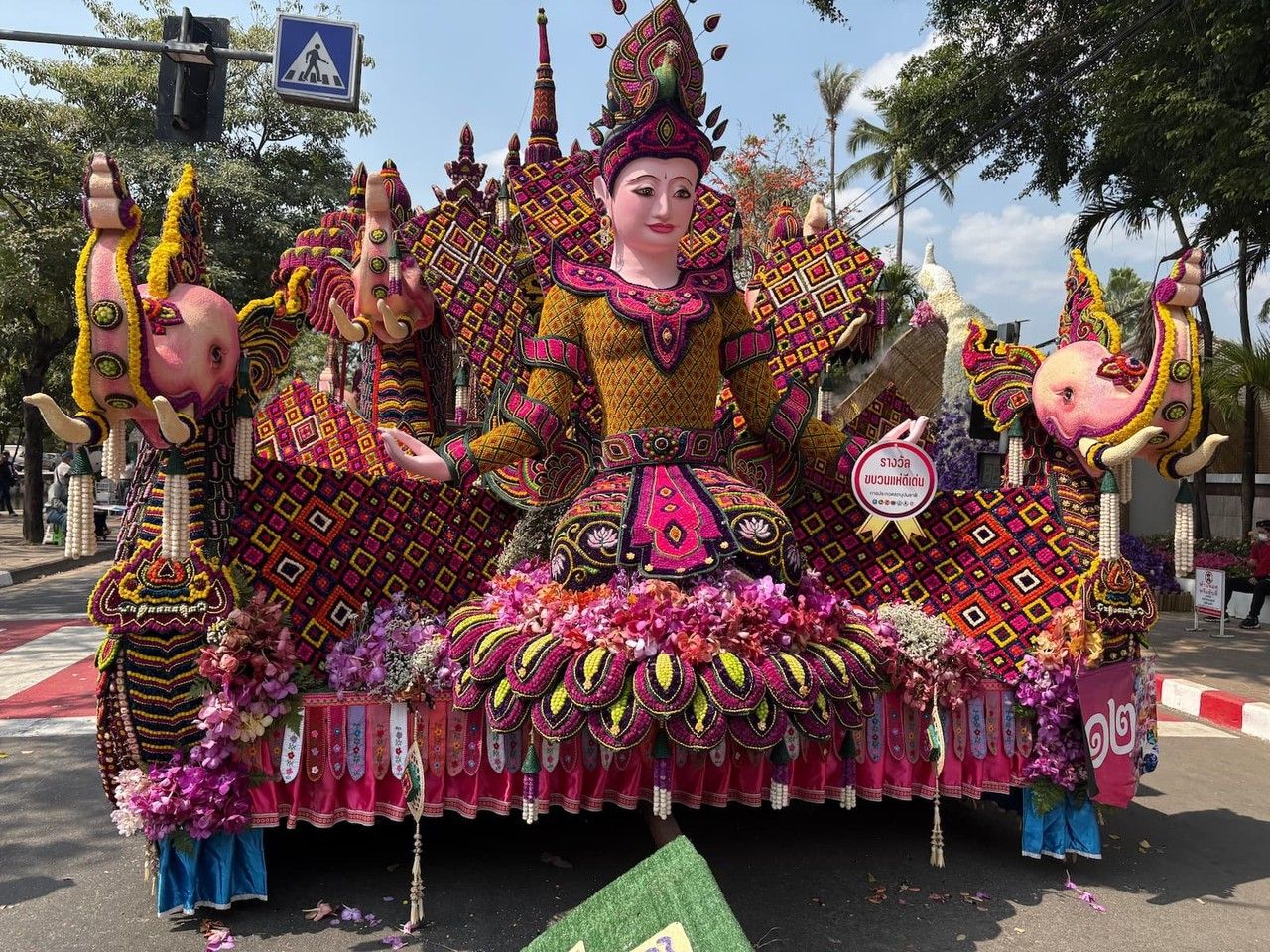
If you will be in Chiang Mai in early February 2027, lock one thing into your plan early: attending the 50th Chiang Mai Flower Festival. Going by the usual pattern, it most likely falls on 5–7 February (Friday to Sunday).
It is Chiang Mai’s second-biggest celebration after Songkran, and one of the few Thai festivals built around fresh-flower floats. People often compare it to a Thai take on a rose parade. The difference is that these floats are typically covered in real blooms layered by hand—not plastic stagecraft alone.
For Western travelers, the risk is not “Will it look good?” It is three hard facts:
The float parade usually happens only once—Saturday morning. Miss it and you wait a year.
Official dates sometimes move (in 2026 they shifted because of a general election). Non-refundable flights are the real danger.
Do not confuse it with the Charming Chiang Mai Flower Festival (roughly late November to early January)—a garden-and-lights event with no signature Saturday parade.
East Marvel’s default: if you are already in Chiang Mai in early February, keep Saturday morning for the parade, set aside one evening for Nong Buak Haad Park, and use other daytime hours for elephants, temples, and Doi Suthep. Do not rebuild your entire Thailand itinerary around the flowers.
Brief history: 1977 to the 50th edition
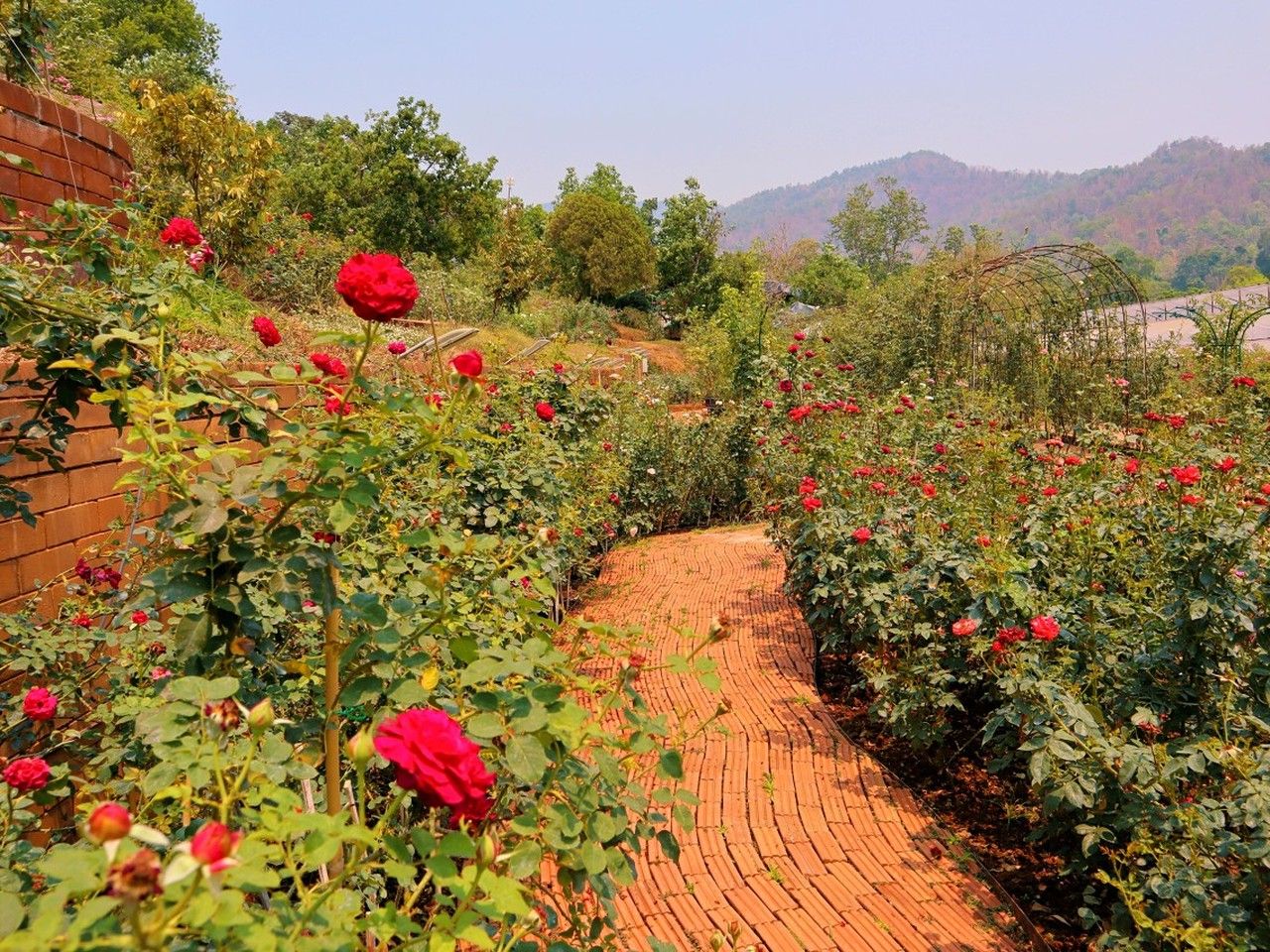
The Chiang Mai Flower Festival began in 1977, backed by tourism bodies and the city, to celebrate the North’s flower industry. The basin sits about 300 meters above sea level, ringed by mountains. February is still near the end of the cool season—chrysanthemums, roses, orchids, and other more temperate blooms peak here. Varieties that struggle elsewhere in Thailand need this northern highland climate.
Over nearly fifty years it grew from a municipal event into a major draw for Thai and international visitors. Chiang Mai is often described as a city of festivals. The 49th edition in 2026 used themes such as royal flowers in tribute to the monarchy. 2027 is the 50th—a half-century mark that usually brings a fuller program. Exact lineups follow official notices around December.
Why February? Peak cool-season blooms meet the tail of high season: growers have flowers, the city has a festival, and guests are still in town.
2027 dates: pattern first, then the official notice
Pattern: usually the first weekend of February, Friday to Sunday—three days. That most often lands on 5–7 February 2027.
Exceptions are real: in 2026 the festival moved to 13–15 February. So:
Opt for free-cancellation flights and hotels, or wait until Chiang Mai announces the dates around early December before locking non-refundable bookings.
Follow Chiang Mai Municipality and other official English or Thai channels—not only travel-blog reposts.
Know the two names:
Chiang Mai Flower Festival → February, with floats
Charming Chiang Mai Flower Festival → about late November to early January; gardens and lights; no signature Saturday parade
If you are coming only for the parade, book the February event.
Three-day schedule: what changes, and what almost never does
Main venue: Nong Buak Haad Park (also called Buak Hat), on the southwest corner of the Old City moat. Festival hours often run from about 9:00 to midnight (confirm for that year): flower displays, plant stalls, crafts, snacks, and stage shows.
Sample rhythm from recent years (exact times follow the official notice closer to the date):
Friday (about 5 February)
All day: park flower show and market
Evening: opening atmosphere
Night: pageant or stage programs (names and formats can change)
Saturday (about 6 February)—the key day
Morning: flower-float parade (official notes often say gather or start at 8:00; floats often roll around 9:30–10:00)
Evening into night: Lanna dance, float-design awards, and similar events—mostly in the park
Sunday (about 7 February)
All day: flower show and market continue
Afternoon into evening: cultural shows are common
Two things have stayed the same for decades: the Saturday morning parade, and the flower exhibition in the park. If you only want the displays, any of the three days works. For the classic parade scene, keep Saturday morning free.
Saturday parade: full guide
What you are watching
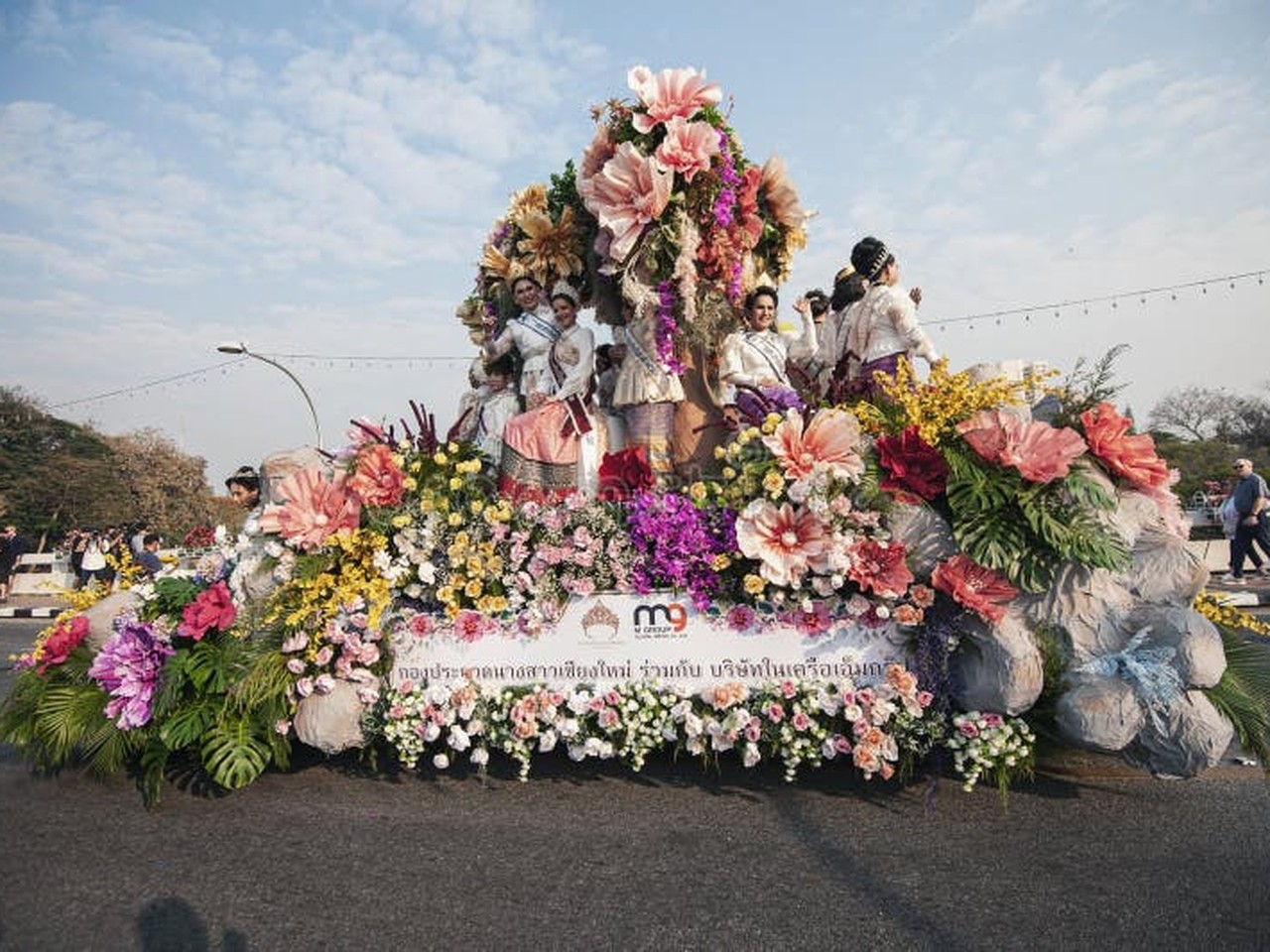
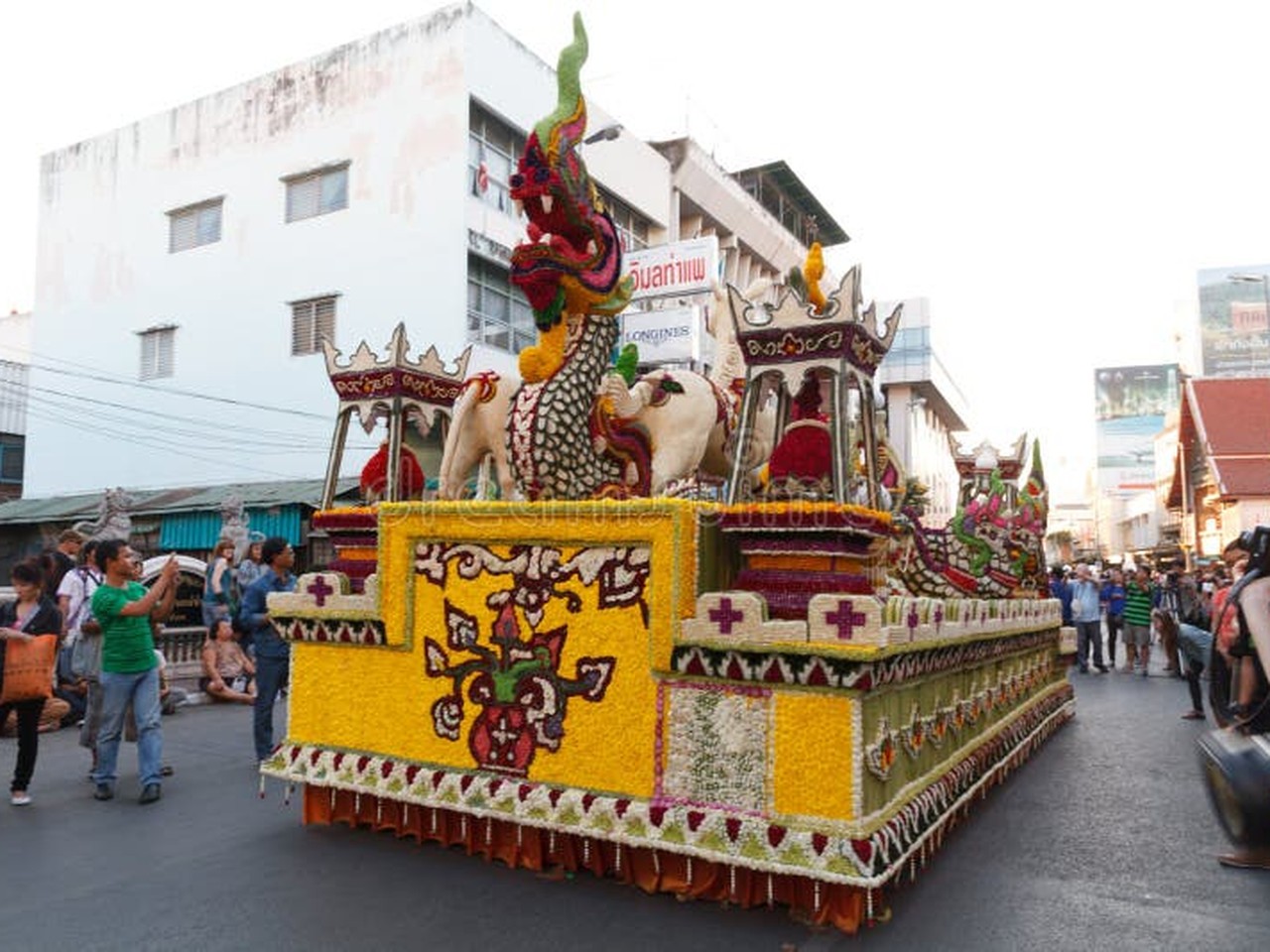
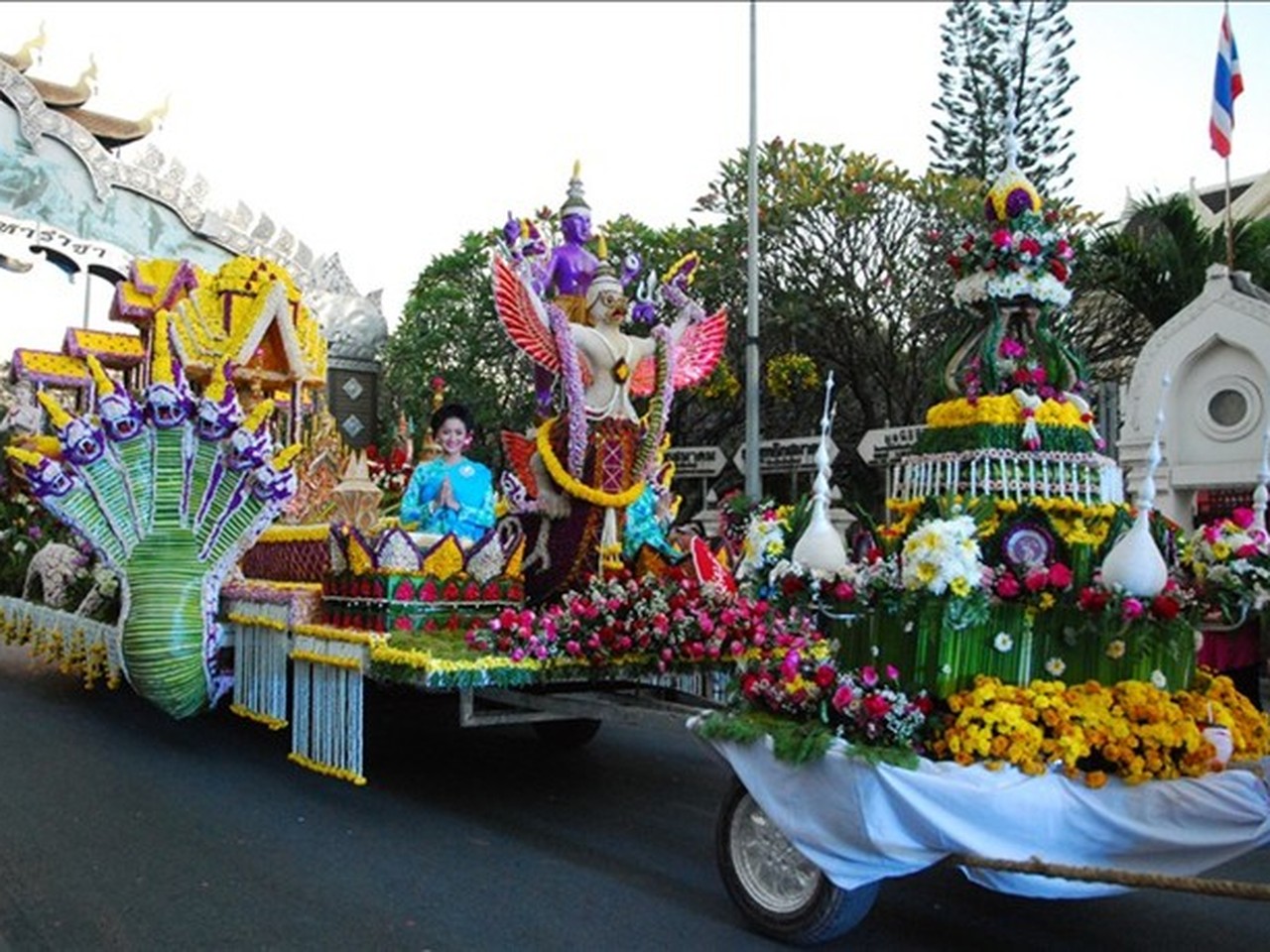
Usually twenty-plus floats (around 25) in Lanna style, built by companies, institutions, universities, government units, and highland communities. Steel and wood frames are layered with fresh chrysanthemums, highland roses, marigolds, orchids, and more. Dancers in traditional dress walk between the floats; pageant contestants often wave from the decks.
Route (about 5 km)
Nawarat Bridge → Tha Phae Road → Tha Phae Gate → along the moat (Kotchasarn / Changlor area) → Nong Buak Haad Park.
When to arrive, and where to wait
The schedule may say 8:00. In practice, the opening ceremony and officials often delay the start—floats commonly move around 9:30–10:00.
Want the full rollout: be at Nawarat Bridge by about 8:30 (earliest view, also the most crowded).
Prefer not to wait around: reach Tha Phae Gate around 9:30–10:00—the line is already moving when you settle in.
Around 11:00: most of the column is heading toward the park.
First-timers who arrive at 8:00 often find a packed street that does not move—everyone is waiting for the ceremony. Do not burn an extra hour stuck in the crowd for nothing.
Best viewpoints
Nawarat Bridge: the first float rolling out; gaps are still open, so each float is easy to see; farther from the Old City core—arrive early.
Tha Phae Gate: the fullest atmosphere and the classic “float through the gate” shot; densest crowd; phones often held high; cafés nearby to regroup.
South moat stretch (Kotchasarn toward the park): wider sidewalks, thinner crowds, better for a tripod—the best option if you want to skip the peak crush.
Quiet tip: upper-floor café windows near Tha Phae Gate (air-conditioned; you can sit through half the parade)—seats go fast; arrive early.
Getting there
Old City stay: walk the main segments—simplest.
Nimman and other outer areas: allow more time than the map suggests; moat roads often close; the last few hundred meters on foot are normal.
Songthaews: on festival days they often drop you only at the edge.
Missed the parade?
Floats usually stop near the park entrance afterward. You can study the flower layers and Lanna detail up close—often clearer than while they move, and with less pushing.
Nong Buak Haad Park: displays by day, lights by night
Day: large color-block displays (promotions often cite a scale of a hundred thousand plants or more—trust what you see on site); floral competition pieces, nursery stalls, growers, and craft vendors.
Dusk: good light, crowds not yet at their peak, lights and fountains just starting—the most comfortable hour for the flowers.
Night: light sculptures and fountains on; easy to stroll; the park often stays open toward midnight.
Extras: jasmine and rose hairpieces outside the park (small cost, instant festival feel); traditional dress rental for photos by the floats and carpets; markets along the park and moat—flowers, snacks, textiles, silver.
Lanna detail and food
Floats often echo chedi or spire forms, gold leaf, and textile fringe; white and yellow work as ritual colors.
Dancers: handwoven sinh skirts, flower crowns, silver bells; drum and pipe tempos stay measured with the slow roll of the floats.
Some floats come from highland communities—bamboo and silver motifs reward a closer look.
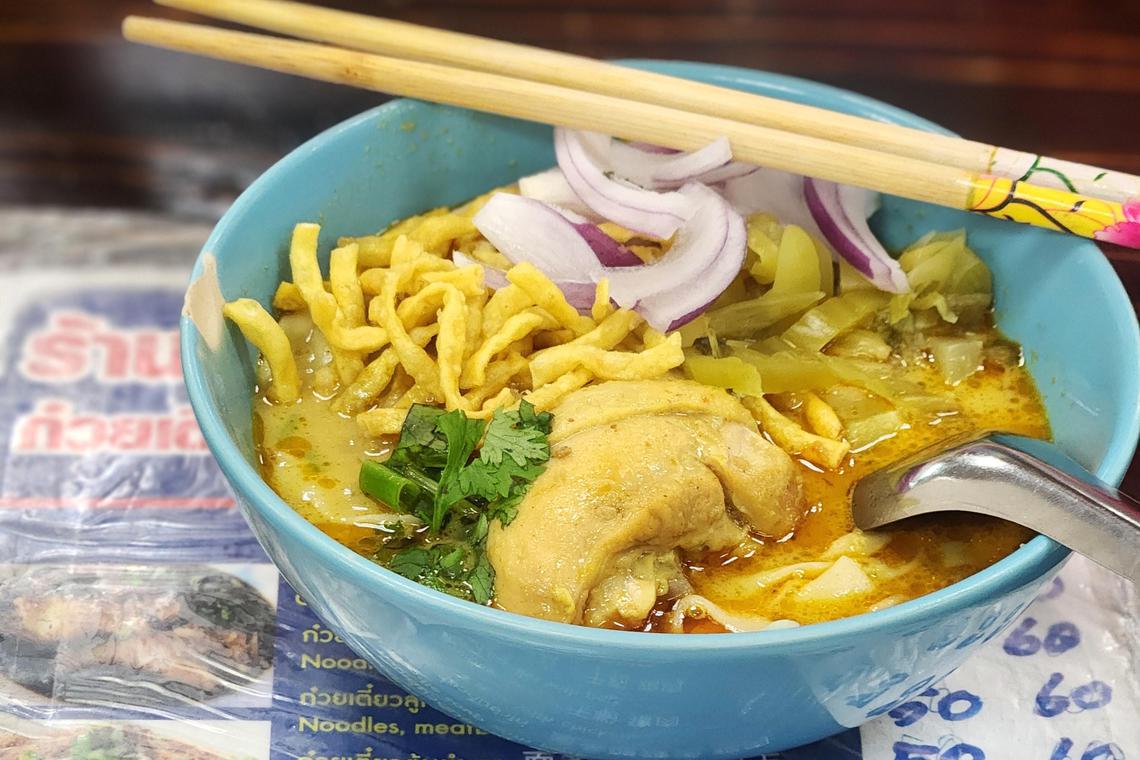
Eat: northern sausage (sai ua), khao soi, pad thai, mango sticky rice, grilled banana, and coconut ice cream along the route and at the market. Old City restaurants usually seat as normal; core stalls may have short lines that are still manageable.
Fold it into Chiang Mai: you do not need three full flower days
What you actually need to reserve is usually Saturday morning for the parade, plus one dusk or evening in the park. Other hours still work for ethical elephants, temples, spa time, Doi Suthep, and night markets.
Sample: 4 days / 3 nights
Friday: arrive; evening park show and opening atmosphere
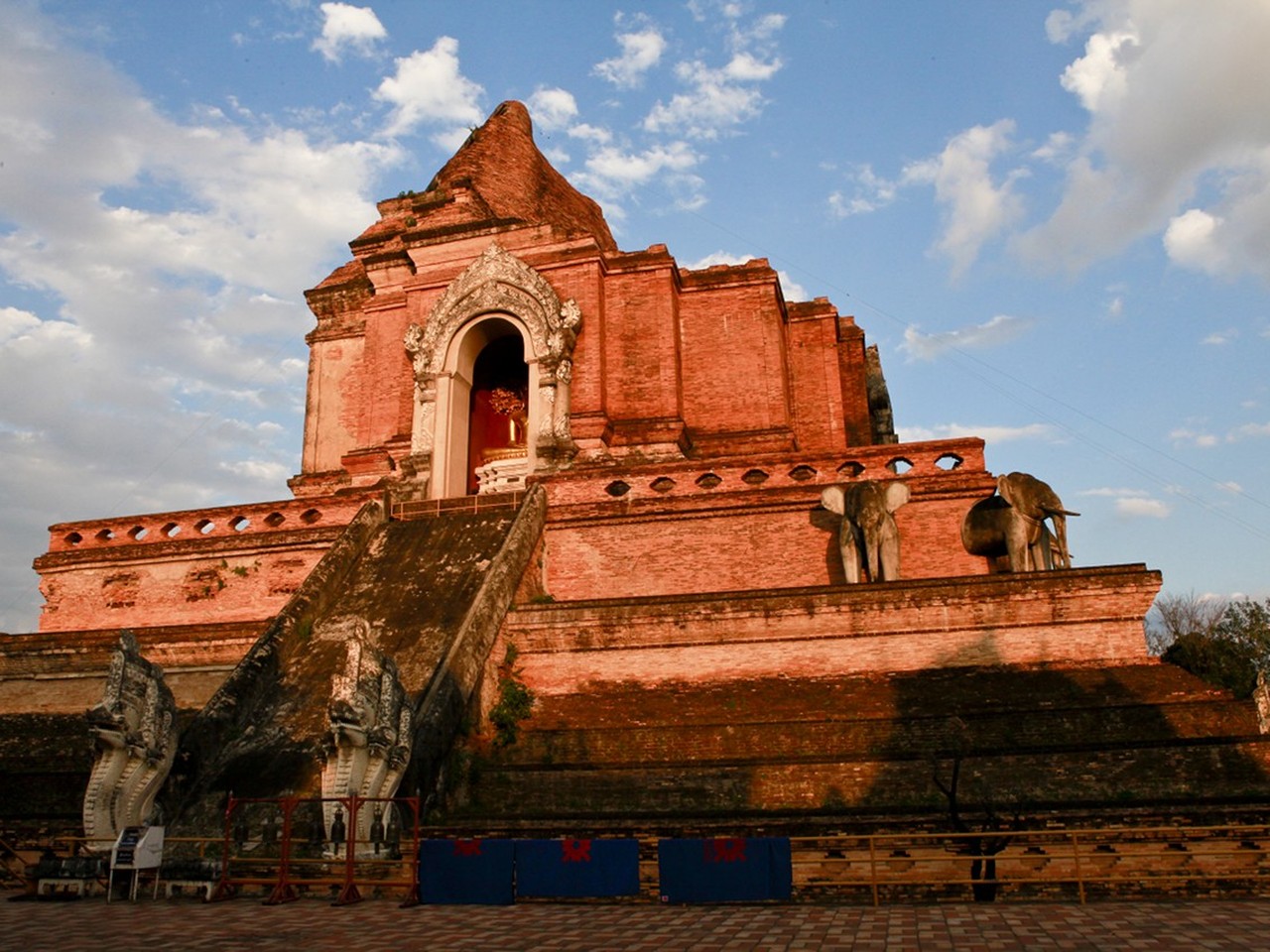
Saturday: morning parade → afternoon Old City temples (Chedi Luang, Phra Singh, and similar) → dusk back to the park for lights
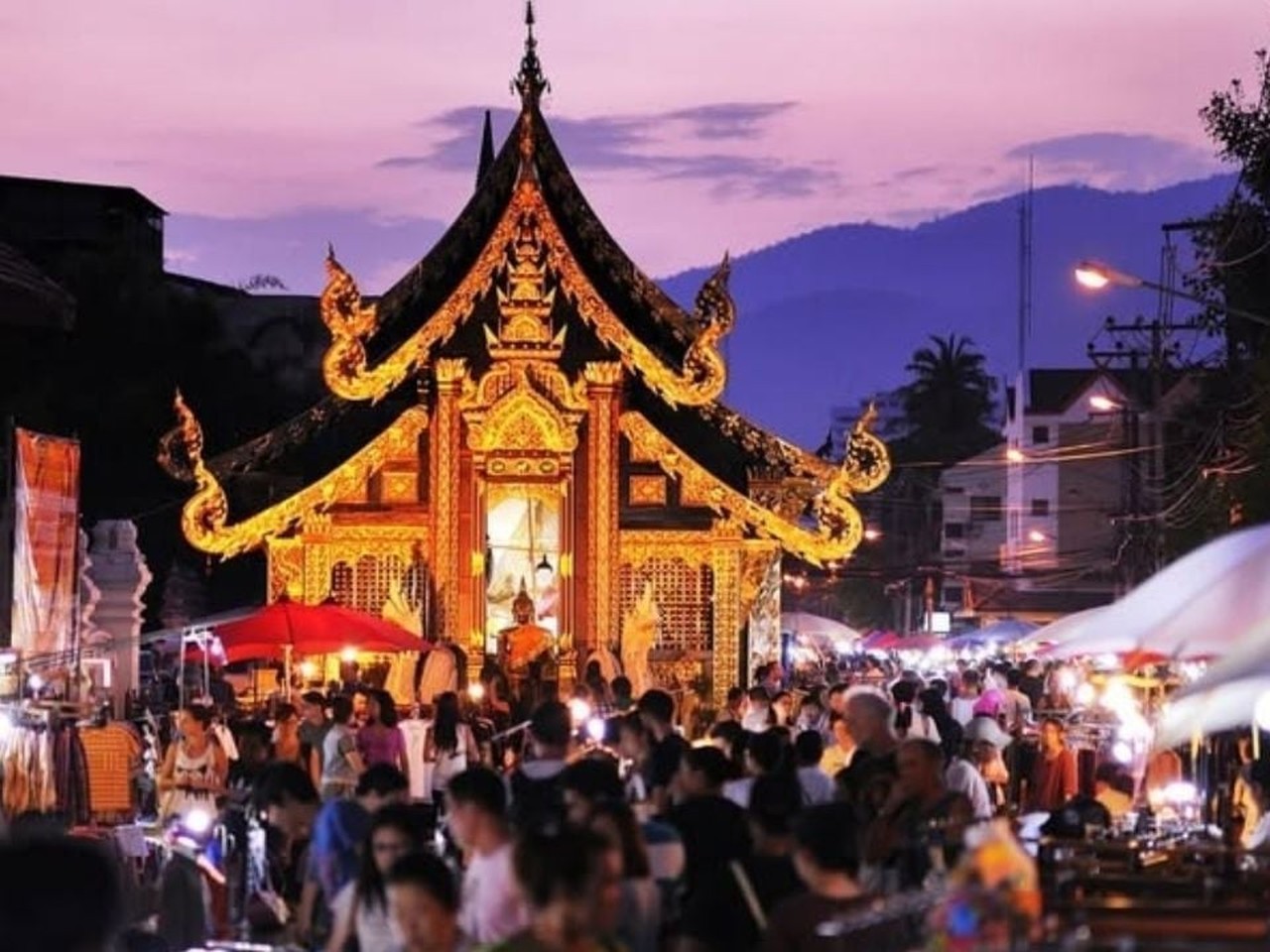
Sunday: morning ethical elephant visit → afternoon cooking class or free time → evening Sunday Walking Street (extra buzz alongside the festival)
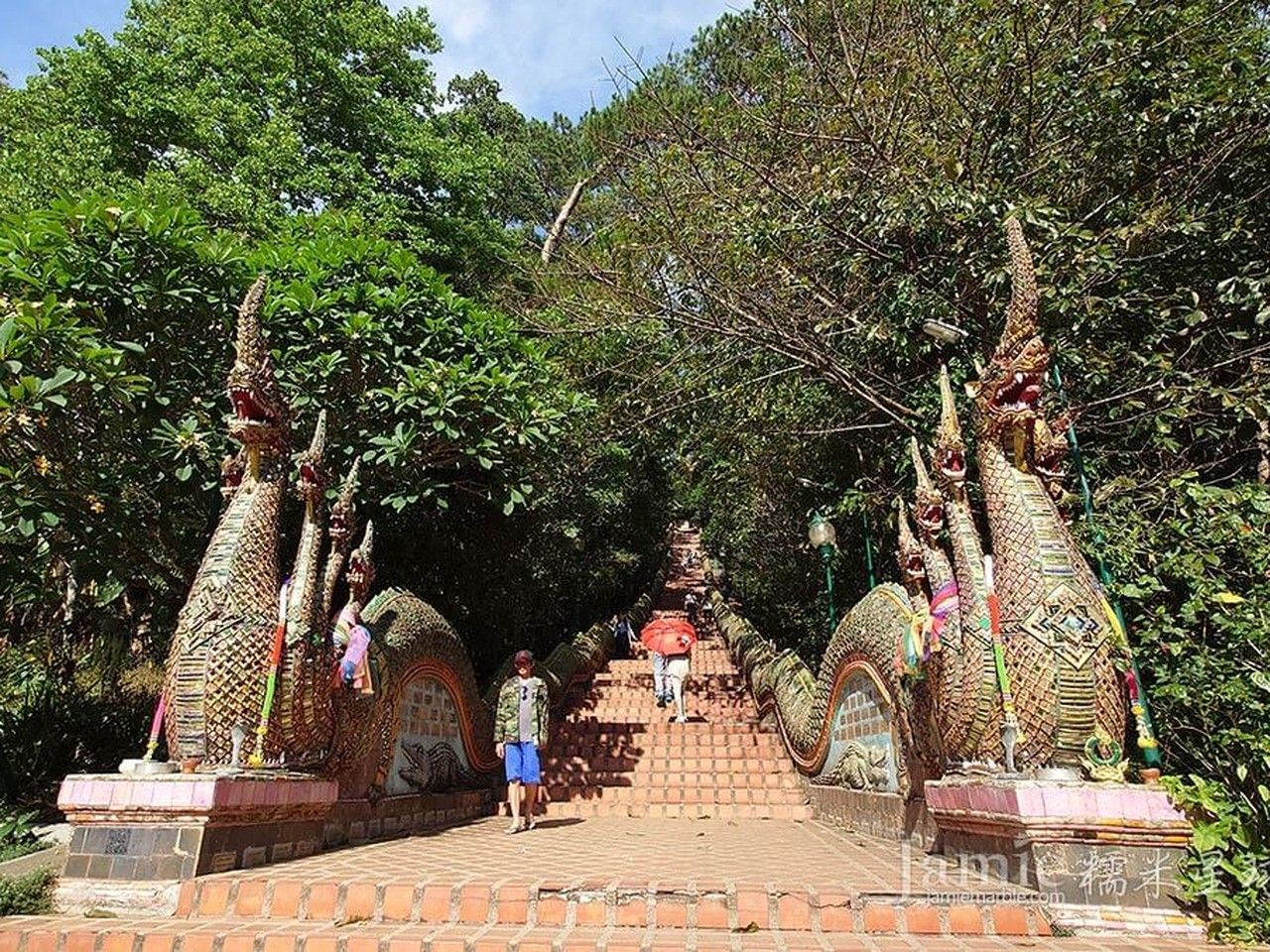
Monday: Doi Suthep and the naga staircase; leave after lunch
Looser 5 days: add a flower-themed spa half day, or Doi Inthanon highland gardens / craft villages. Private transfers written into the program beat flagging down cars on the day.
Where to stay
First choice: inside the Old City
Walk to the parade segments and the park; dodge road closures. If you want to step outside into the festival, stay here.
Second: riverside resort feel
Riverside hotels; Nawarat Bridge is often a walk; leave a little earlier to hold a spot.
Third: Nimman
Cafés and nightlife; on festival days allow extra transfer time into the Old City and expect a final stretch on foot.
Exact hotels depend on that year’s sell-outs and your room needs. East Marvel’s quotes are filtered first by “Can you walk to the parade?”—not by pushing one fixed property name.
Budget
The festival itself: the parade, park displays, and most cultural programs are usually free.
What rises is lodging and flights:
Weekend hotels often run about 20–60% above normal rates; well-placed boutiques sell out fast.
Bangkok–Chiang Mai fares often jump in the festival window (doubling versus quieter weeks is not rare).
Advice: lock soon after the early-December notice—or keep everything cancellable.
Mid-range private ground arrangements can still use a planning range of about USD 150–200 per person per day (listed hotels, car and guide, meals, and transfers). Festival hotels and congestion can push the total higher—confirm in writing.
Crowds, pitfalls, photos, and what to wear
Crowds hit in sharp peaks: the Saturday parade route and the park at night. Two steps south along the moat often open up space. Temples and most Old City sights run largely as usual.
Pitfalls
Do not expect a sharp 8:00 start—expect movement around 9:30.
Do not lock non-refundable flights before dates are official.
Do not expect a car to drop you at the moat curb—walk the last stretch after closures.
Do not book the November–January “Charming Chiang Mai” lights show thinking you will get the float parade.
Photos
Parade about 9:30–11:00: light and blooms are both strong.
Night park about 19:00–22:00: lights fully on.
South moat for clean side angles; Tha Phae Gate for the through-the-gate classic; park entrance for float close-ups.
Clothes and kit
February in Chiang Mai: about 28–30°C by day, 15–18°C in the morning and evening—a light layer plus short sleeves; comfortable walking shoes—expect 10,000-plus steps.
Sunscreen, hat, water bottle, power bank, and some cash (many stalls do not take cards).
About East Marvel
East Marvel plans private trips for Western and international guests. For the Flower Festival we do not default to “three days of flowers only.” We ask first: Is Saturday morning fixed? Can dates shift? Old City or riverside? Elephants or temples on the same day?
Easiest start: send your rough arrival day, whether you must catch Saturday morning, party size and children’s ages, and any half day you refuse to spend in a crowd. We will mark hotel zones, viewpoints, and transfers with a cancellable booking strategy, then confirm any date change after the December notice.
Related reading: East Marvel’s Thailand 2-Week Itinerary, How to Plan a Trip to Thailand in 2027: 7 Easy Steps, the cool / hot / rainy when-to-go guide, and What Is the Best Elephant Sanctuary in Thailand?
FAQ
Where is the festival held?
Main venue: Nong Buak Haad Park. The parade runs from Nawarat Bridge via Tha Phae Gate along the moat into the park.
Is it worth a special trip?
If you are already in Chiang Mai in early February—yes; the main cost is about half a day of your itinerary. If you would fly internationally only for the festival before dates are official, keep your plans flexible and decide later.
Is it too crowded?
The parade and the park at night are busy; the route is long and you can spread out. Skipping the exact center of Tha Phae Gate helps a lot.
Is there a parade every day?
Usually only one—Saturday morning.
Is it free?
Main events are usually free.
How special is the 50th edition?
Milestone years are often fuller, but the program follows the official notice—do not let a marketing headline lock you into non-refundable travel.
Closing
The 50th Chiang Mai Flower Festival is a gift for anyone already passing through in early February. It does not ask you to rewrite all of Thailand—only that you walk the moat on Saturday morning and step into the flower park one evening. From there, Chiang Mai tends to show its best blooming face on its own.