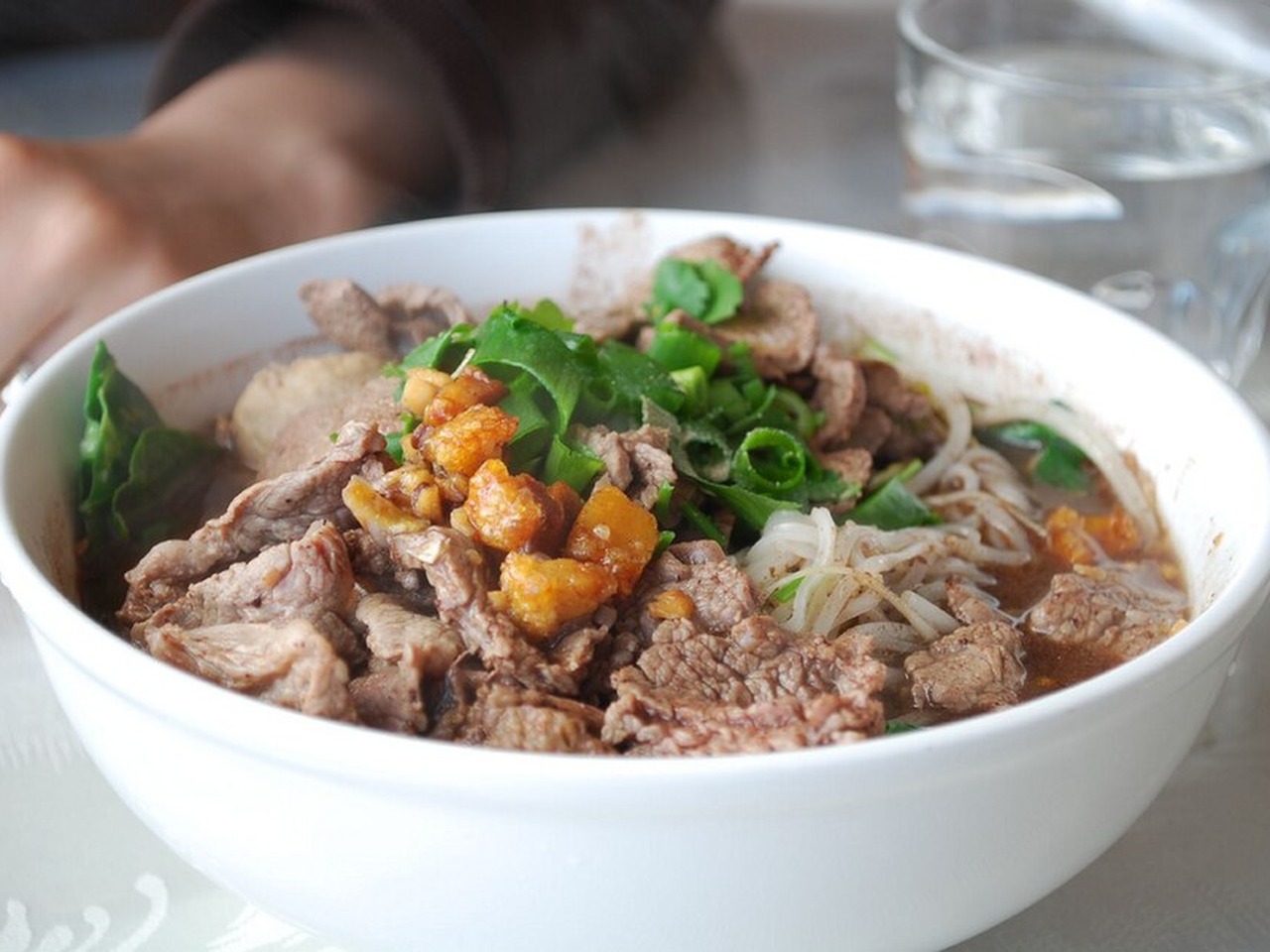
Same Thailand, same dinner hour—Bangkok’s wok steam runs beside the office rush; Chiang Mai’s curry noodles soften in the Old City’s slow light; Isan’s grilled chicken and green papaya salad smoke in the fields; the South’s coconut curries drift between mosque and temple.
Assume “Thai food equals tom yum plus mango sticky rice,” and you will miss the tastiest layer: geography, faith, migration, and global trade routes have branded four very different cuisines onto one country. Thailand was never a sealed regional food museum. It absorbed Chinese migrants, Persian and Indian spice routes, Malay and Islamic dietary rules—then cooked them into daily life with local rice culture and festivals.
Put your nose close and you smell four currents: Central’s boat-noodle broth and night-market smoke; the North’s lemongrass and charcoal; the Northeast’s fermented fish and grilled-chicken char; the South’s coconut milk, turmeric, and buttery roti. Below we show how customs decide each region’s table—and, if your days are short, which single meal deserves an extra night.
East Marvel’s default: we ask first, “Do you love lively, mountain, fiery, or layered?”—then choose the cities. Halal, vegetarian, allergy, and children’s preferences go into the written itinerary. Restaurants are chosen not by viral lists but by a simple rule: eat this dish where it belongs.
Bangkok and Central: palace and street in one pot
Custom base: a melting pot plus royal frontage. Chinese, Muslim, and Indian migrants each brought their own pots; this is also the stage of Thai palace cuisine. Whatever fusion a global city should show, Bangkok performs it one alley away.
Day: broth steam against the morning rush
Boat noodles (kuay teow ruea) are the most urban bowl in Thailand: small portion, rich broth, meatballs or beef, eaten on plastic stools in five minutes—written for the commuter. The Chinese legacy—khao man gai (Hainanese chicken rice) and the noodle tradition—keeps the streets smelling of ginger and soy. Around Songkran you may meet khao chae: rice soaked in iced jasmine water with side dishes—once a palace way to beat the heat, now a seasonal ritual.
Night: the night market as a table of migration history
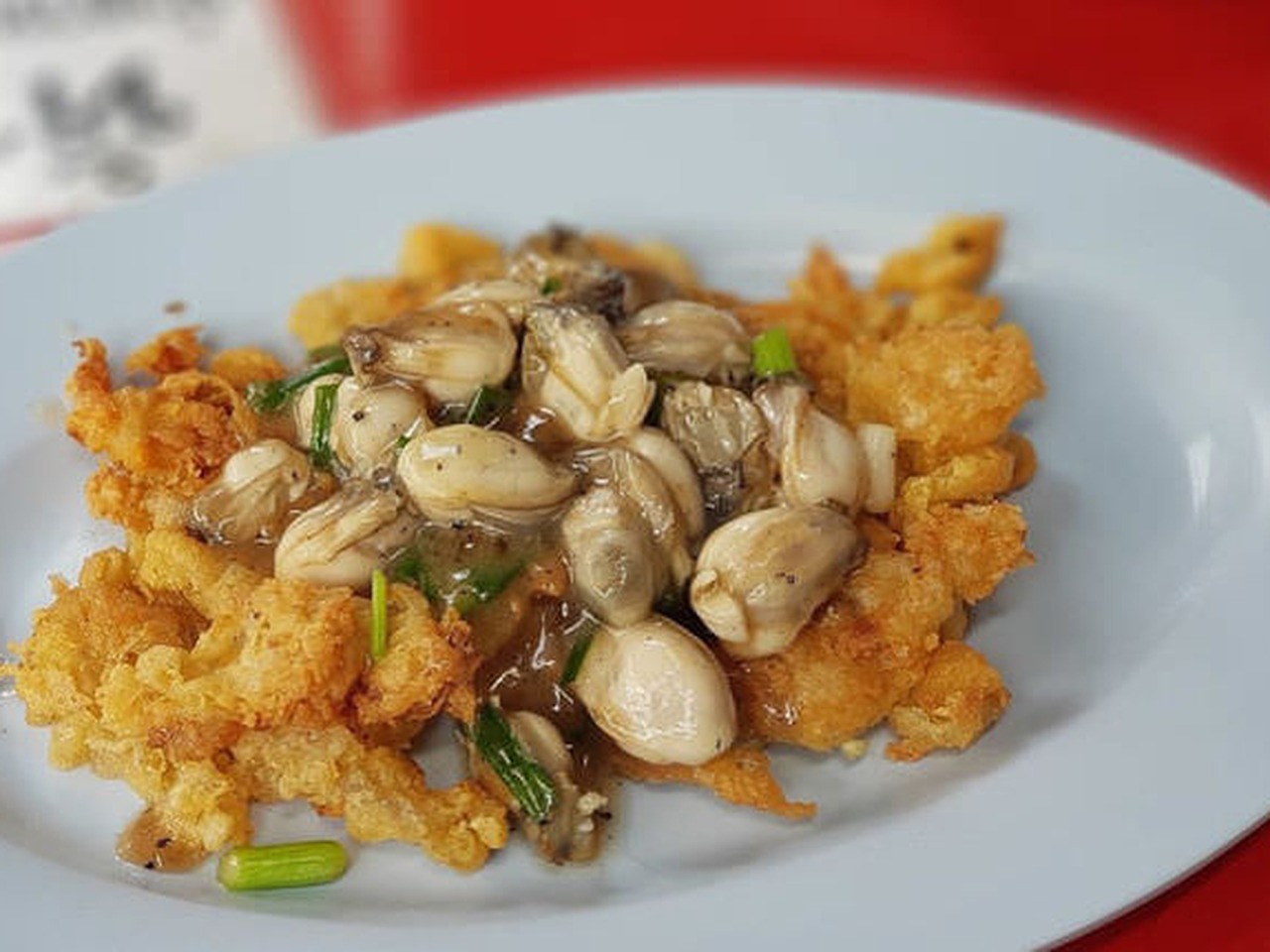
Yaowarat’s late stalls—oyster omelets, shark-fin soup, char siu—are living artifacts of the Chinese diaspora. Silom and Khao San fold international appetites into local flavors. What makes Bangkok’s night markets unusual: royal desserts such as kanom krok (coconut cups) and street-fried noodles can sit on the same table—palace and commoner one alley apart.
Flavor stamp: lively, layered, fast—migrant fusion and royal refinement in one broth.
Meal worth one extra night: the boat-noodle stall where locals queue (morning or early afternoon); Yaowarat after dark (eat the migration history).
Chiang Mai and the North: slow mountain flavor
Custom base: Lanna mountain civilization. Sticky rice, wild-harvested ingredients, slow social eating; festivals and alms-giving decide what is eaten in which season. Trade-route memory remains—Northern curry noodles are often described as a Lanna–Burmese hybrid.
Day: one bowl for a whole morning
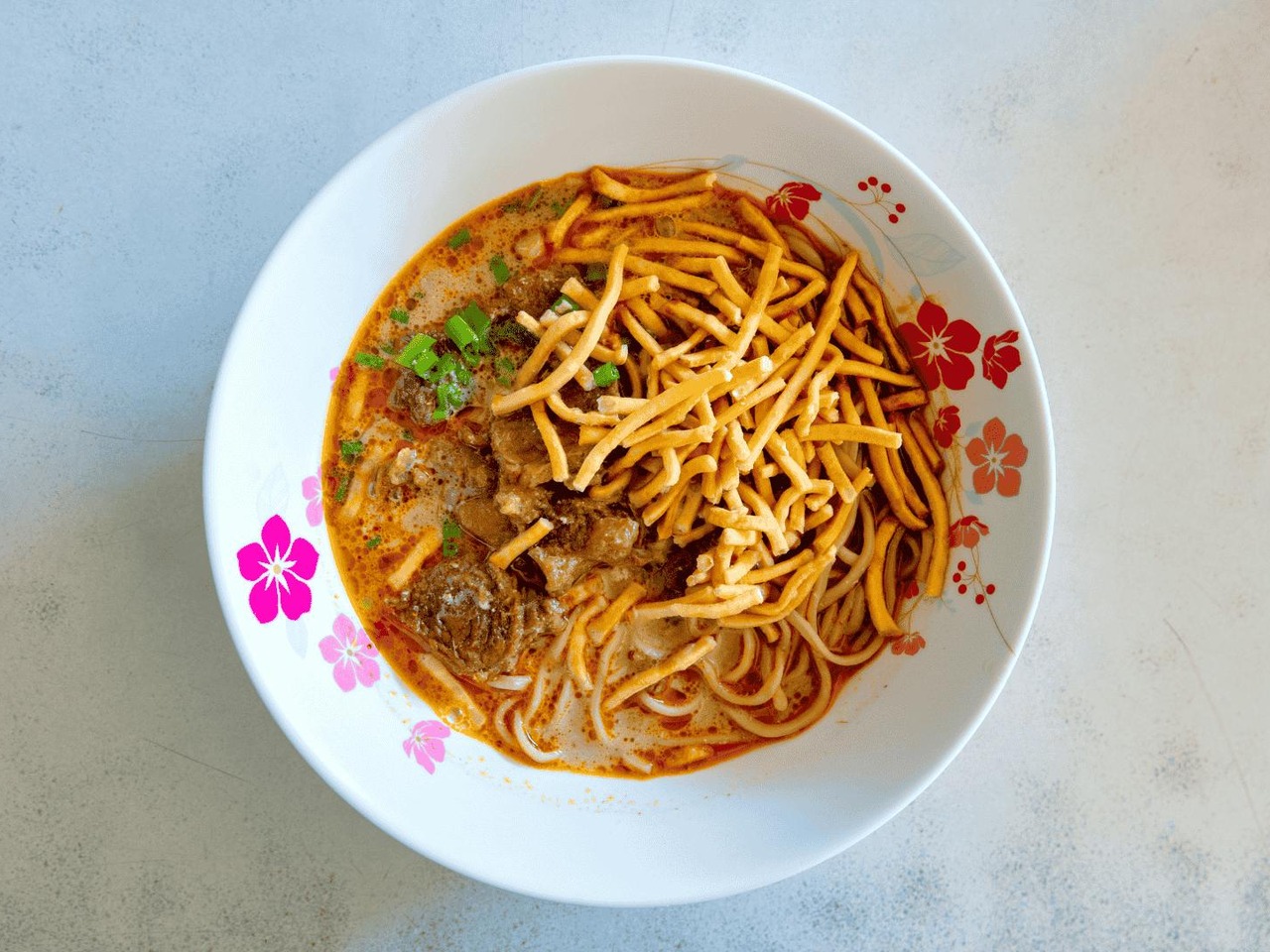
Khao soi—yellow curry broth, egg noodles, a cap of fried noodles, pickles and lime—is Chiang Mai’s flavor signature. Sai ua (Northern sausage) is stuffed with lemongrass, galangal, and chilies. The true Lanna daily rhythm is dipping sauce and vegetables: nam prik noom (green-chili dip) with grilled vegetables, a whole table around the charcoal, dipping and talking—what you eat is slowness. Meals lean on sticky rice; jin som (sour fermented pork) is a memory of preservation; the market follows the season—mushrooms after the rains, meat in the cool months.
Night: market smoke with a taste of merit
Grilled sausages, bamboo rice (khao lam), and fried pork skin walk out of temple fairs, weddings, and alms feasts. Sticky rice and sweets at temple gates on Yi Peng night are merit you can taste. Lanna hospitality is “put it out and share it”—the night market’s big platters and small dishes extend that custom.
Flavor stamp: sour, spicy, glutinous, herbal—mountain harvest and slow social rhythm.
Meal worth one extra night: Old City khao soi from a long-standing shop (the broth is often steadier by late morning); Sunday Walking Street sausage and bamboo rice (wander it like a temple fair).
Isan: rice fields and fermentation, loud
Custom base: rice-farming civilization and a “don’t waste” philosophy. Thrift and animism make this the region that dares to grill and ferment—the most field-born face of Thai taste, and the one that tests stomach courage.
Day: the mortar and the charcoal
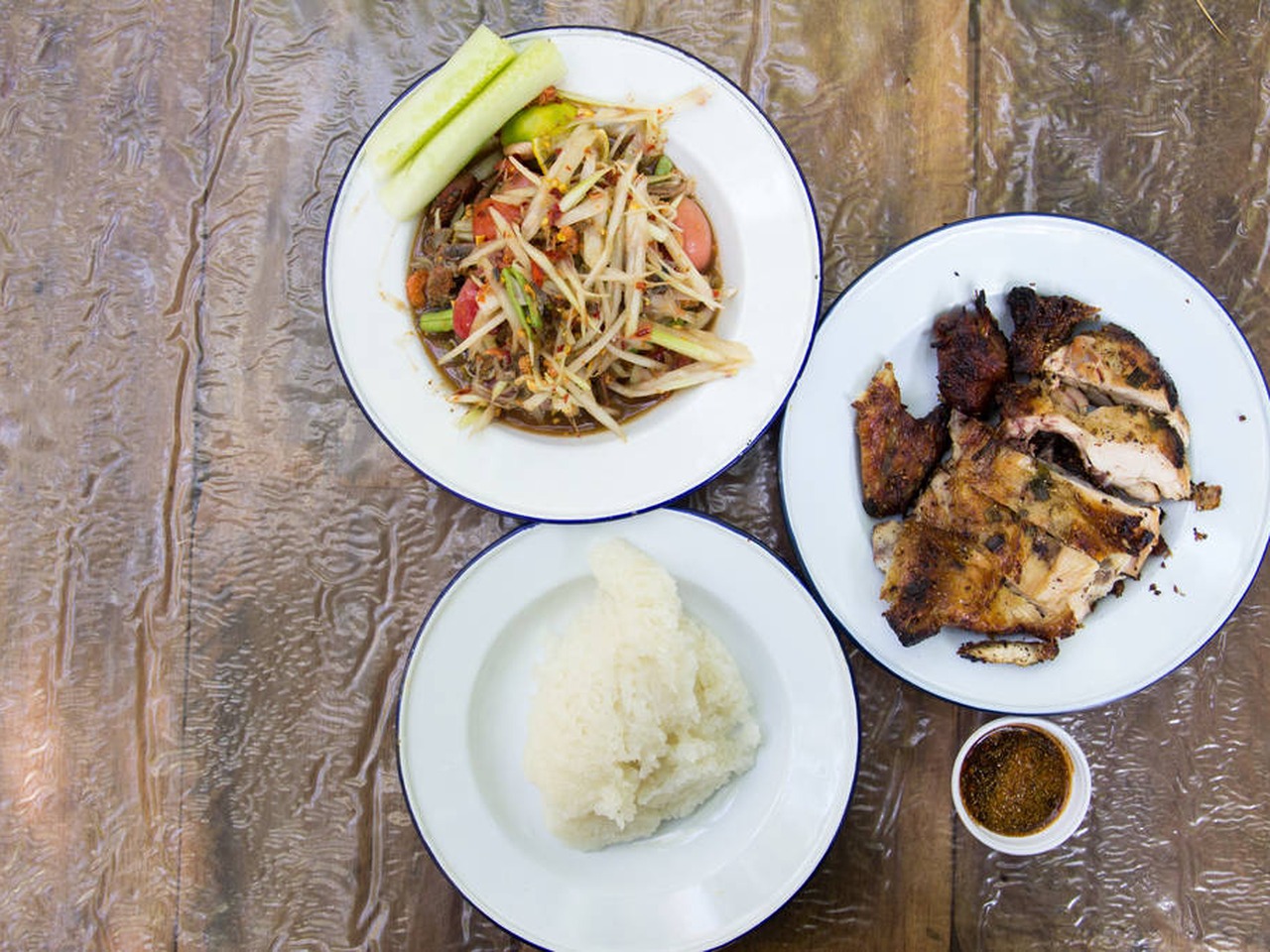
Som tam (green papaya salad): papaya, tomato, yard-long beans, peanuts, shrimp paste, chili—sour and hot straight up. Larb (minced-meat salad) comes cooked or raw; gai yang (grilled chicken) with sticky rice and som tam is the classic trio. Pla ra (fermented fish) is the soul of many Isan dishes—grimace at first, addiction later. Plates are rarely prettified; they are honest: big cuts of meat, whole baskets of sticky rice.
Night: every festival is a communal pot
The Phi Ta Khon procession eats skewers while it dances. After the great offerings of Ok Phansa, whole villages set up the big pot—curry, a whole pig, and anyone who arrives adds chopsticks. Fried crickets and bamboo worms are everyday snacks—the clearest expression of never wasting anything edible.
Flavor stamp: fiery, salty, fermented, smoky—field thrift and festive heat over charcoal and mortar.
Meal worth one extra night: som tam, gai yang, and sticky rice at a village or market stall (fried insects optional). If you are in Isan around the end of Buddhist Lent, the offering feast is the feast.
The South: two seas, two faiths, and the Chinese diaspora
Custom base: the Andaman and the Gulf, Buddhism and Islam, Chinese migration. Geography and faith together decide what can go on the table. Thailand’s openness to global trade routes and religious rules is most visible—and most visibly stitched back together—here.
Day: coconut milk and turmeric, two streets
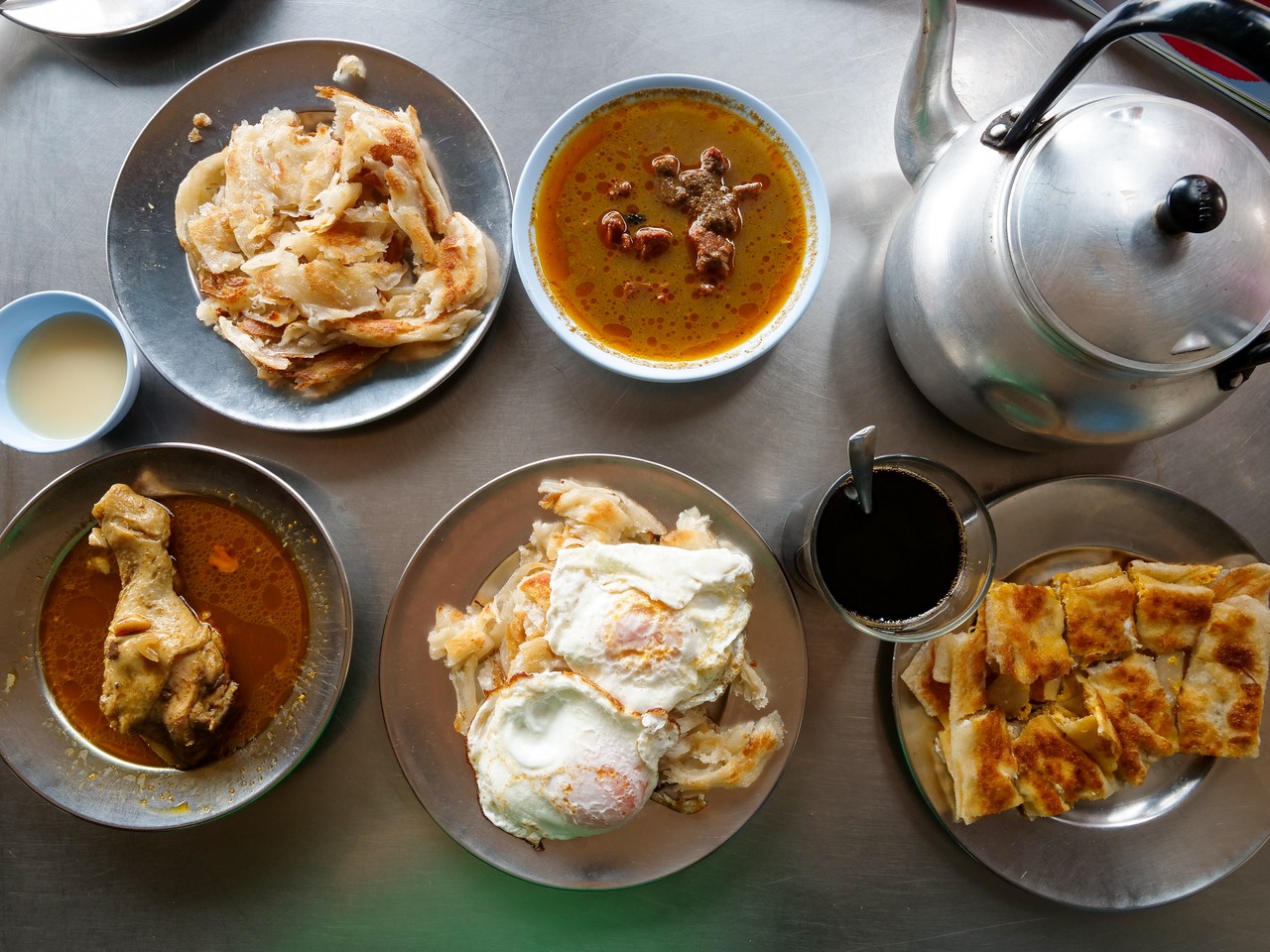
Massaman—coconut milk, cinnamon, cardamom, stewed beef—is often traced to Persian and Indian Ocean trade routes: a gentle curry. Kaeng tai pla, built on fermented fish, is its fierce opposite. In Muslim quarters: satay, khao mok (turmeric rice), and roti—halal rules written into the menu. A few steps away, pork dishes and stir-fries run as usual in Buddhist market streets. The Chinese diaspora brings Hokkien noodles, wonton, and morning tea—Phuket Old Town breakfast is Fujian nostalgia.
Night: Vegetarian Festival fasting versus market feasting
For the nine days of the Vegetarian Festival (Nine Emperor Gods), Phuket and nearby areas go white-clad and largely vegetarian—faith “purifies” the pot for a round. On ordinary nights: grilled seafood, noodles, coconut ice cream. Hat Yai supper streets serve late halal noodles and coconut sweets. The faith at the next table often decides what arrives at yours.
Flavor stamp: coconut, heat, layered, with borders—the yield of two seas and the rules of two faiths cut the menu in half, then sew it back together.
Meal worth one extra night: a Chinese-heritage breakfast in Phuket Old Town; the white-clad vegetarian window of the Vegetarian Festival; roti with condensed-milk tea in a halal quarter.
One table at a glance
Bangkok / Central. Chinese and multi-ethnic migrants, plus the palace. Lively, layered, fast. Boat noodles, Hainanese chicken rice, khao chae at Songkran, Yaowarat at night. First-timers and night-market lovers.
Chiang Mai / North. Lanna, with Burmese trade-route memory. Sour, spicy, glutinous, herbal. Khao soi, sai ua, dip-and-grill vegetables, khao lam. Lovers of slow food and spices.
Isan. Rice-farm thrift and festive heat. Fiery, salty, fermented. Som tam, larb, gai yang, insects as an optional challenge. Adventurous eaters who want the fields.
South. Two seas, halal kitchens, and the Chinese diaspora. Coconut, layered, bordered. Massaman, satay and roti, Vegetarian Festival food, a heritage breakfast. Explorers who respect two sets of table rules.
How to fit it into your itinerary
Want lively and fast → Bangkok: boat noodles for breakfast, Yaowarat as the late-night canteen.
Want slow and fragrant → Chiang Mai: one khao soi, one dip-and-grill meal, night market as temple fair.
Want authentic and fiery → Isan: accept rough edges and heat; get a field barbecue you will not forget.
Want layered and precise → the South: satay in the halal quarter by day, seafood at night; if the Vegetarian Festival lands in your window, eat the city’s vegetarian wave.
On the classic triangle (Bangkok–Chiang Mai–beach), deepen just one taste theme: Bangkok’s night-market line or Chiang Mai’s mountain line. Deep Isan and South eating suits a second trip or 16-plus days. Do not sample all four regions in half bites—taste, like custom, is better deep than wide.
About East Marvel
East Marvel plans private trips for Western and international guests. When booking restaurants we do not ask whether a place is viral. We ask first which taste personality is yours, and who has dietary rules. Halal, vegetarian, children’s meals, allergies—written into the itinerary. Old shops, night markets, offering feasts—scheduled by folk calendar, not by check-in lists. Thailand already fuses global cultures; we help you taste that fusion where it belongs, not only as “Thai vibe” on a hotel buffet.
Easiest start: send your month, party size with children’s ages, spice tolerance, any halal / vegetarian / allergy needs, and the one meal you would travel farther for. We will mark the default city order, night markets worth an extra room night, and old shops worth booking ahead.
Related reading: East Marvel’s Thai Buddhism Explained, Thailand Has Two Faces: Day and Night, Region by Region, How to Choose Thailand’s Islands: An Island-Hopping Guide That Actually Helps, and How to Plan a Multi-Generational Family Trip to Thailand.
FAQ
My kids cannot handle spice—any hope?
Yes. Restaurants in Bangkok and Chiang Mai routinely cook milder. In Isan and the South, heat is the currency. We lean on noodle soups, grilled items, sticky rice, and fruit, and steer clear of the heaviest raw salads.
Are vegetarians and halal diners well served?
Conveniently, but it varies by region. Chiang Mai has the most vegetarian options. The South’s halal quarters do excellent satay, roti, and khao mok. The Vegetarian Festival’s nine days are the best window for citywide vegetarian food. Tell us restrictions in advance—they go into the written plan.
Can authentic and clean coexist?
Yes. Our old-shop standard is: locals queue, tables turn fast, and you can watch the cooking. With a private car, we switch between a smoky roadside stall and a locally trusted clean restaurant.
Which single meal deserves an extra day?
Three candidates: khao chae around Songkran (Central), Lanna snacks on Yi Peng night (Chiang Mai), and the white-clad vegetarian wave of the Vegetarian Festival (Phuket)—all follow the folk calendar, so missing one means waiting a year.
Closing
Folk customs are the head chef of Thailand’s flavors; global trade routes and faith rules are the hidden seasoning. Central stirs migrants and palace into one pot. The North soaks mountain harvest and slow hours into one bowl. Isan puts field thrift and festive heat on the charcoal. The South stitches two seas’ yield and two faiths’ rules along one street. Choose your taste personality first, then eat—so your palate remembers not one generic “Thai food,” but four Thailands, each with its own name.