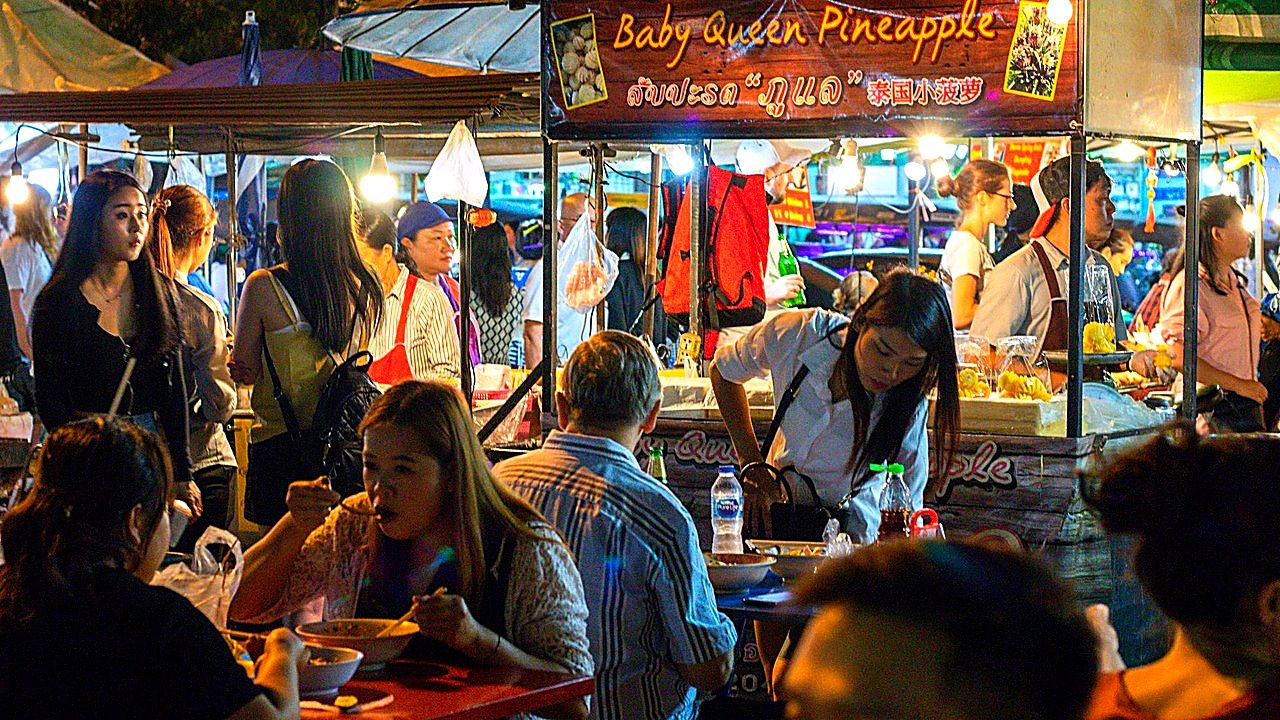
Bangkok has major shopping complexes—and railway markets, floating markets, and roadside night markets. That is not a contradiction. It is the normal state of Thailand’s market culture: canals and railways grew the old markets; migrants and royalty grew Chinatown and palace taste; air conditioning and capital grew the new malls; monsoons and festivals grew the night markets and temple-fair stalls.
Assume “Thai shopping equals malls” or “Thai nightlife equals bars,” and you will miss the most layered part. In the same city, on the same coast, the day may run on the river’s old rhythm, the night on charcoal and lanterns, and the next corner on global-brand windows.
If you have been searching Thailand markets, Chatuchak Weekend Market, or best floating market near Bangkok, hold this page as the map—then open the city guide for the stall you actually want to stand in. Hub: East Marvel Thailand. Pair with Thailand’s Food Has Four Faces · Thailand Has Two Faces: Day and Night · When to Go to Thailand. Browse routes: Thailand tour packages.
East Marvel’s default: we ask first—do you want old-river Thailand, the charcoal night market, or air-conditioned new Thailand? Then we order the itinerary north to south, Andaman (west) to Gulf and east coast. Halal, vegetarian, allergy, and children’s stamina go into the written plan. We do not cram viral lists. We schedule each market where it actually grew.
1. Why Markets Grew the Way They Did
Four forces stacked to produce today’s layered market:
- Water and rivers. The Center uses the Chao Phraya and its canals as arteries. Floating markets, riverbank stalls, and boat supply lines are pre-modern logistics. Amphawa and Maeklong’s water world are living fossils of the canal economy—not stage sets built for tourists.
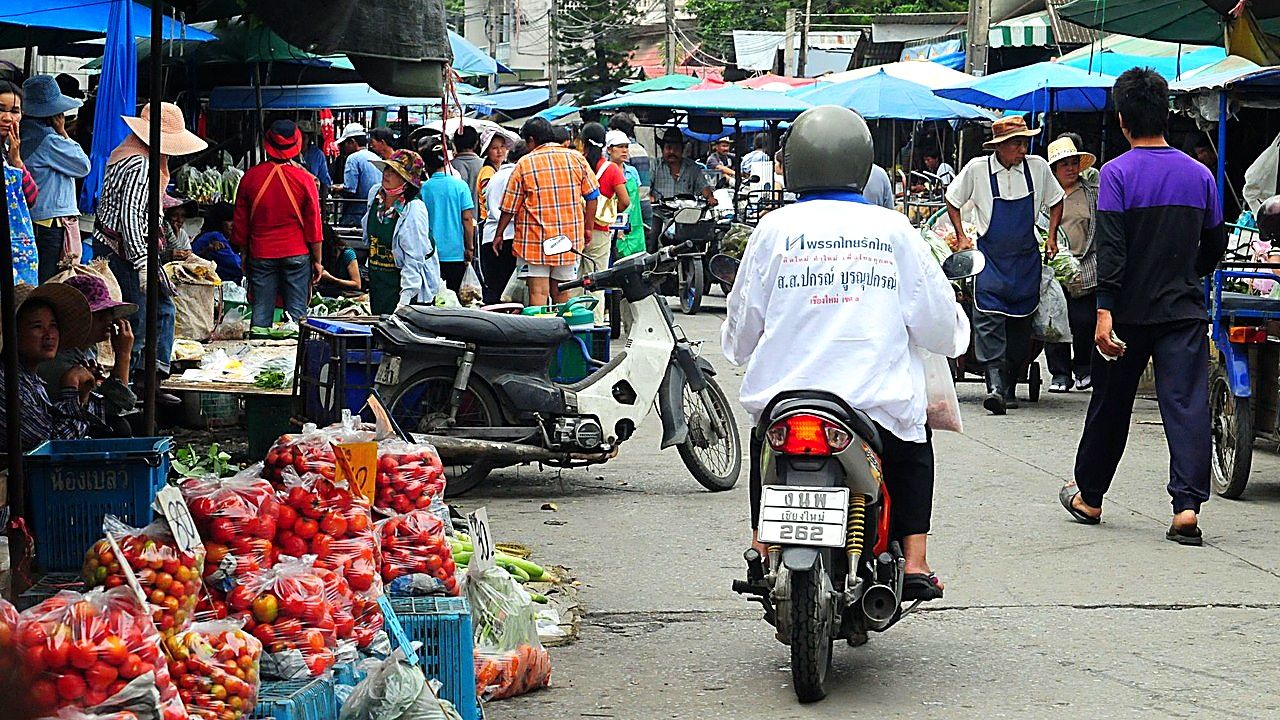
- Iron and rails. Railways run tight against settlements. The Maeklong Railway Market is the extreme case of track cutting through a market. The train is not a show prop. It is transport that still runs through daily life.
- Migrants and faith. The Chinese diaspora built Yaowarat and its teahouse dim sum. Islamic dietary rules draw halal quarters across the South. Buddhist temple fairs, alms feasts, and lantern and krathong festivals pull night markets from shopping into social gathering plus merit.
- Monsoon, tourism, and capital. The dry-season high season fuels night markets and island-hop resupply. Complexes such as ICONSIAM, Siam Paragon, and CentralWorld are the capital’s newest layer of finance and middle-class consumption—sharing the same city with street stalls without cancelling them.
One line: Thailand’s market is not a single-industry upgrade story. It is a stack of waterway → railway → migrant street → air-conditioned mall. The most useful reading for Western guests: in one trip, take at least one layer of each—the old river and rail, the night market’s smoke, the mall’s global shelves—and you have read market Thailand.
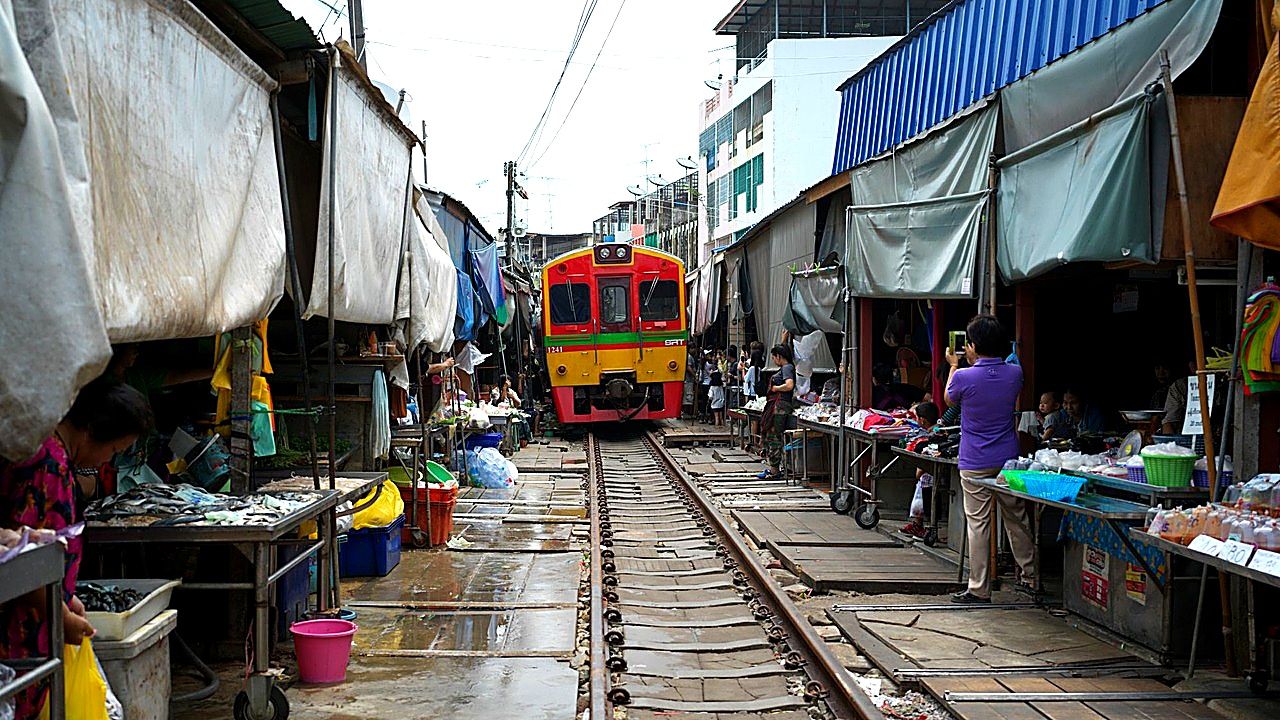
2. The North: Lanna Night Bazaars and Walking Streets
Geography and custom: mountain basin, Lanna old city, slow rhythm. Festivals and alms-giving set the stalls’ character—little hard selling, more “put it out and share it.”
Chiang Mai Sunday Walking Street: several kilometers from Tha Phae Gate toward Wat Phra Singh—handicrafts, lanterns, snacks, street artists. Crowds move between temple walls; a stupa lamp often waits at the next corner. Enter at dusk, wander until the lights are fully on, leave on that rhythm.
Night Bazaar / Saturday night market: silverware, textiles, massage chairs, mango sticky rice—built for eat-as-you-walk, as if at a temple fair.
Nimman and boutique stalls: younger, coffee and design shops—the contemporary face of the North’s slowness.
How it grew: old-city walkability, the Lanna craft tradition, and overnight tourist volume. No grand river or railway spectacle, but unmatched social density and mountain-town warmth.
When: roughly November to February is most comfortable. Around Yi Peng the markets run richer, but tickets and rooms must lock early—see Loy Krathong 2027 · Thailand 2027 festivals.
One scene worth an extra night: Sunday Walking Street from dusk; or one night-market dinner by the old city plus khao soi the next morning—market and table as one story.
City base: Chiang Mai travel guide. Compact northern build: Romantic Northern Thailand (7 days).
3. The Center: River, Rail, Chinatown, and Global Malls
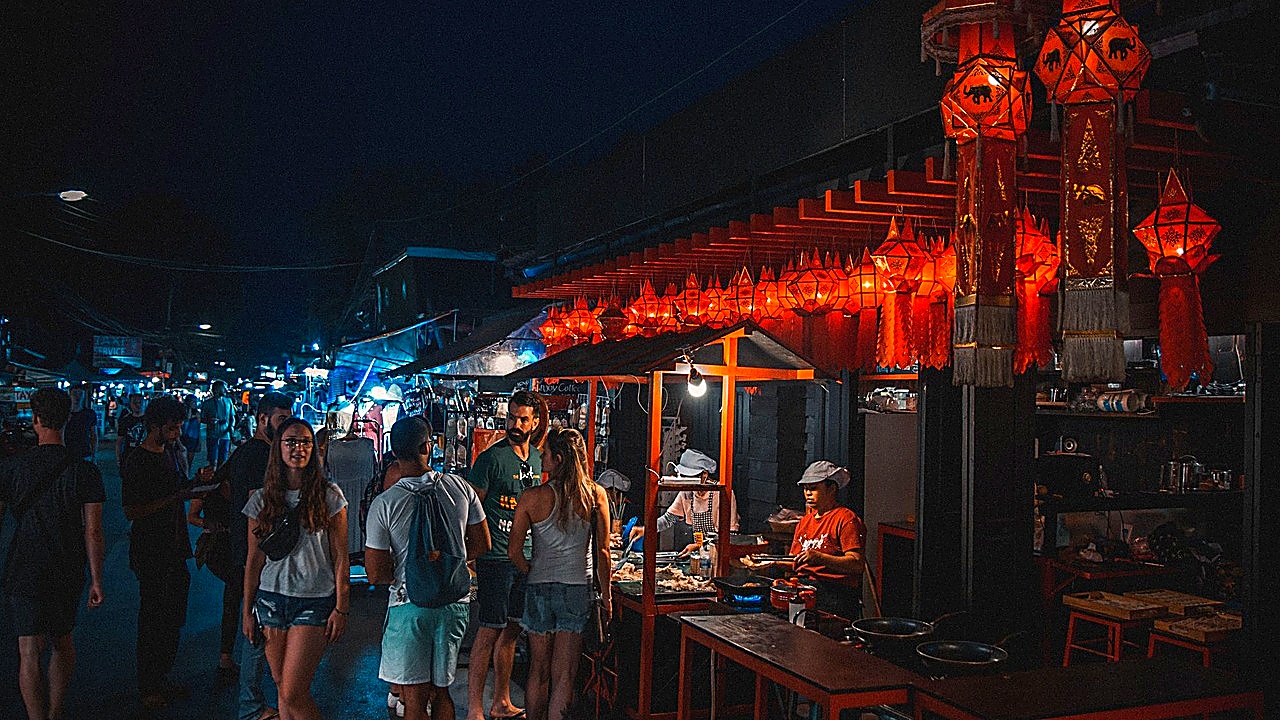
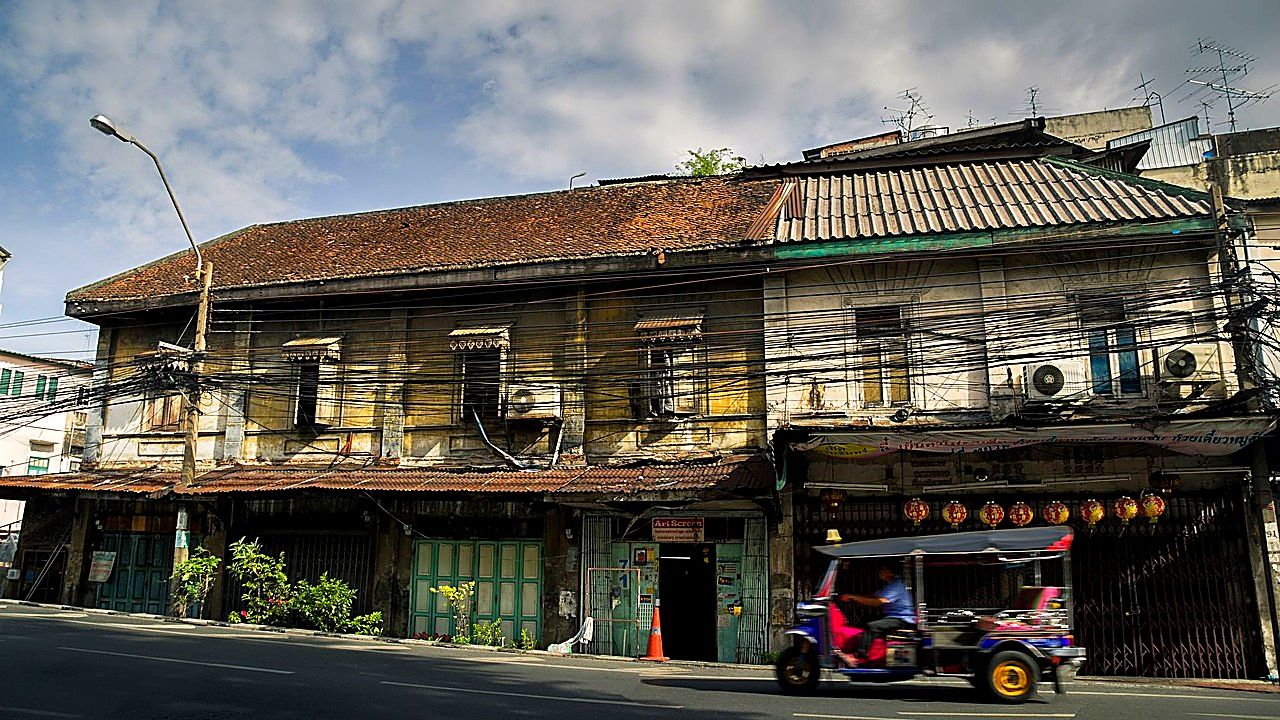
This is the national hub of market culture—old waterways, a railway cut, a Chinese street, royal frontage, and global complexes on one map.
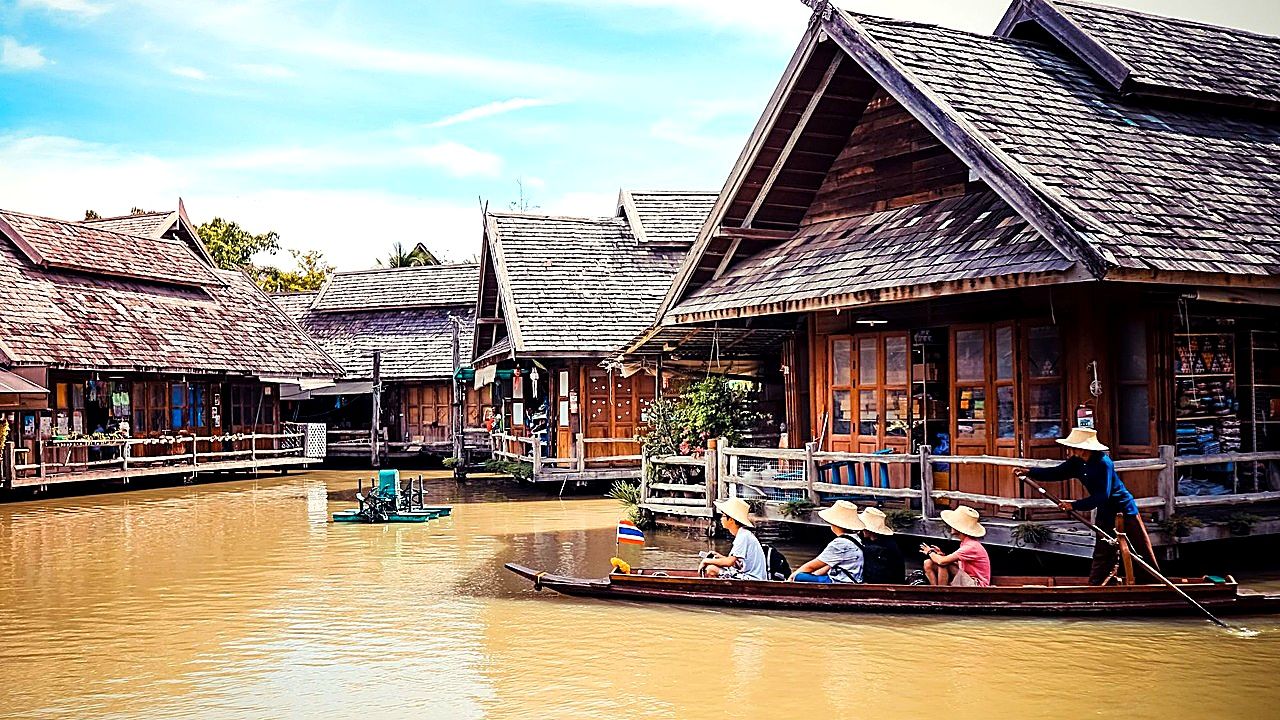
Floating markets — living fossils of the river era Amphawa: best on weekend evenings—riverbank stalls, small boats, and a firefly trip to follow; a first choice for old-river Thailand. Go Friday to Sunday, claim a riverside spot early, take the firefly boat around dusk. Damnoen Saduak and others: more touristic, but the waterway supply logic still shows. Go early, pick your canal stretch, skip the noon crowd for photos. Full timing guide: Bangkok: Only One Floating Market Still Floats.
The railway market — track and stall in daily coexistence Maeklong Railway Market: the train threads past the stalls and the awnings fold back—genuinely thrilling and genuinely daily. It is not a theme-park timetable. It is a live line: several trains a day, times shifting with operations. Do not treat the safety line as a photo frame. Follow the locals’ rhythm and step back when the train comes.
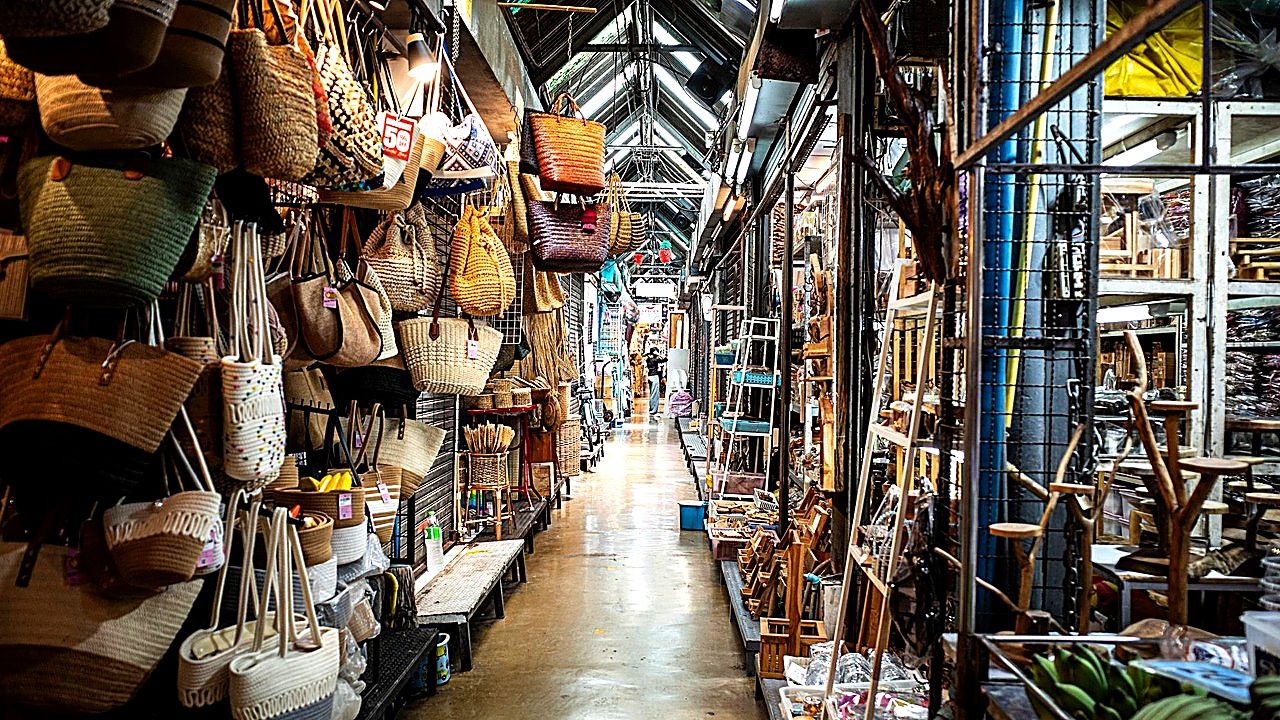
The great land markets and Chinatown Chatuchak Weekend Market: enormous, complexly zoned—handicrafts, clothing, pets, food. Treat it as a half-day theme sprint, not a full sweep. Arrive early while it is cooler, pick one zone (antiques, housewares, or food) to go deep, and set a meeting point. Yaowarat / Chinatown nights: oyster omelets, dim sum, old shophouses—the dinner table of the Chinese diaspora. The late shift is migration history you can eat.
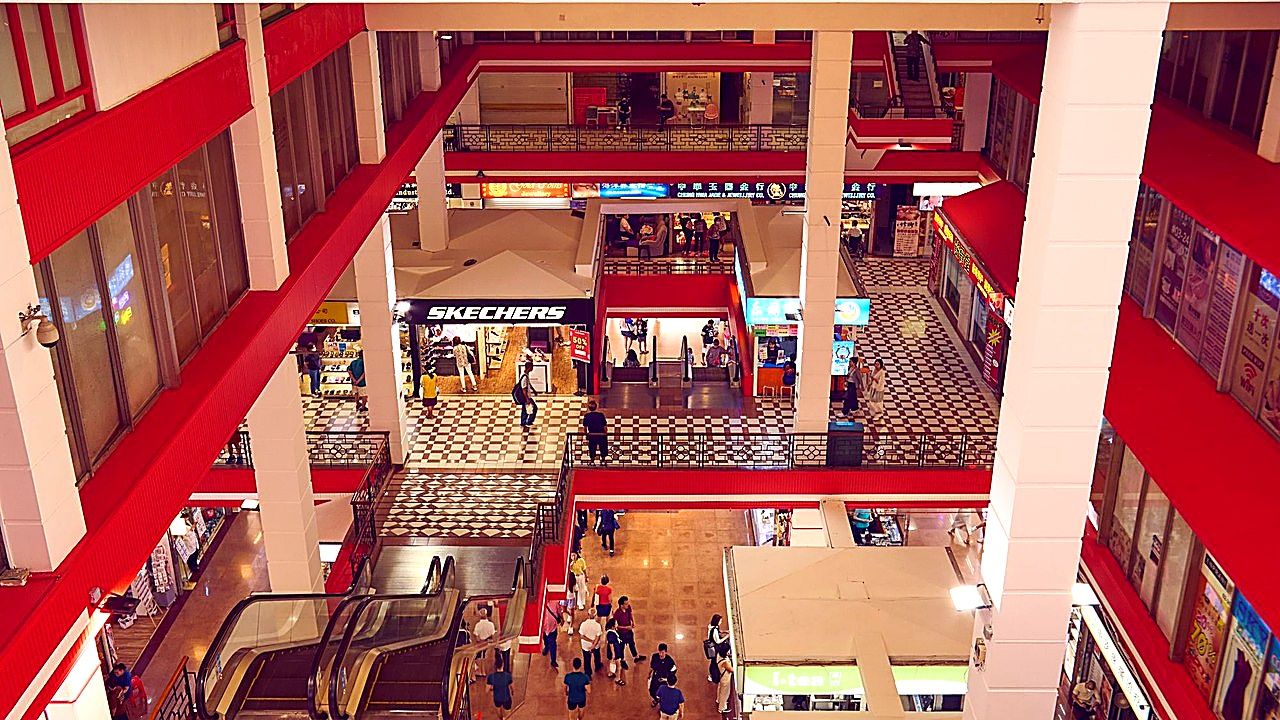
Major shopping complexes ICONSIAM: river views, provincial food halls, and an indoor water motif—prosperous Thailand made walkable. The Siam district (Paragon, CentralWorld), EmQuartier, and others: global brands, air conditioning, metro links—another face for urban middle class and visitors, and the rain-and-heat refuge day.
One combination worth planning (same day or back-to-back): morning mall or Chatuchak → evening Amphawa or Maeklong → late Yaowarat if energy allows. Do not cram all four into half a day.
City base: Bangkok Travel Guide · Bangkok destination. Market morning inside the classic triangle: Bangkok, Chiang Mai & Phuket (10 days).
4. The Northeast and the East: Field Stalls and Overlooked Coasts
Isan: village stalls, Ok Phansa and Phi Ta Khon street feasts, mortar and charcoal—markets run on festival and alms rhythm, with little polished zoning. For guests who want fields and fiery flavor. Not a first flop-and-relax default. Taste context: Thailand’s Food Has Four Faces.
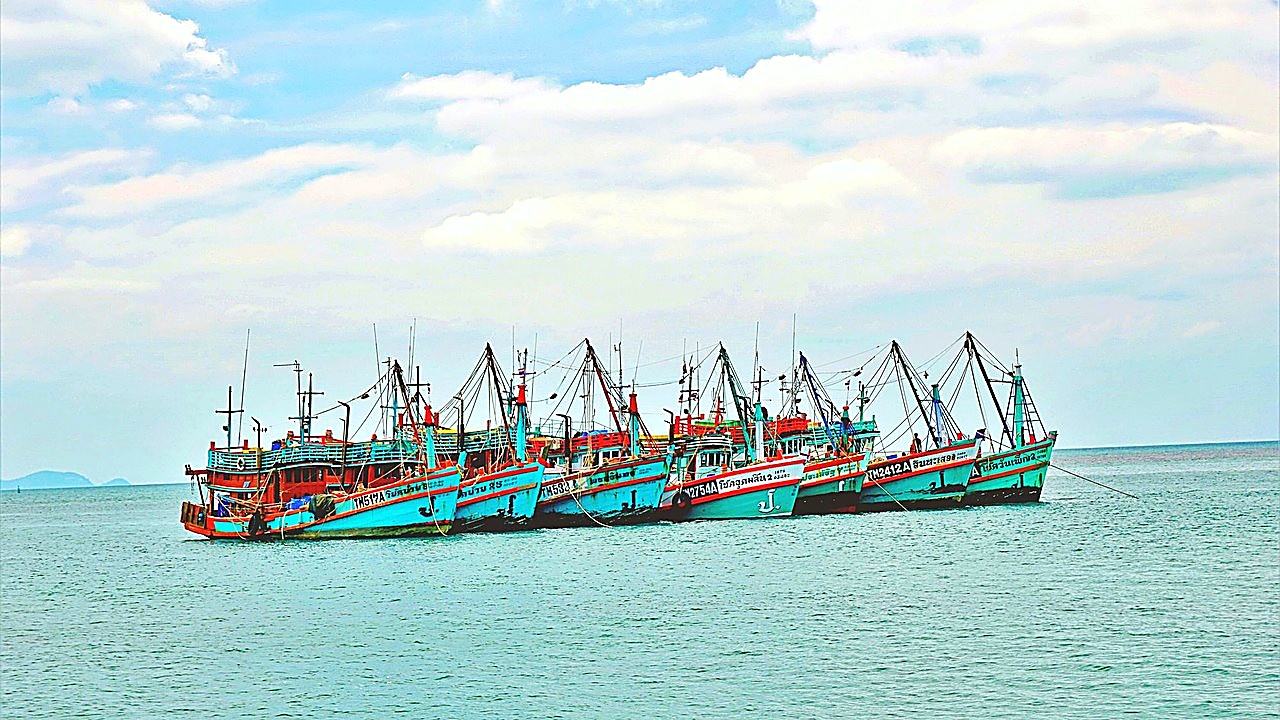
The East (Ko Chang, Trat, Koh Samet, Rayong, Chanthaburi): seafood docks, durian-season fruit markets, old-town shops—lower crowd density than Phuket, more local supply in price and rhythm. Around May to July fruit peaks; around October to December watch the sea.
How it grew: fishing-port and orchard economies, thinner international resort capital—markets feel like livelihood, not stage.
5. The Andaman West: Resort Night Markets and Old-Town Streets
Phuket: Patong’s night market leans tourist menu. Phuket Town’s old street and shophouses are more Southern Thai and Chinese—Hokkien noodles, teahouse dim sum, old coffee shops—better by day than late at night. Seafood stalls follow high-season crowds. During the Vegetarian Festival, vegetarian stalls and spirit-palanquin processions pull the market into a faith temple fair—the town in white, even chain restaurants pausing meat: the strongest case of market as temple fair. Dates: Thailand 2027 festivals. Nights logic: Phuket: Four Nights, Five Nights, and the Boat in Between.
Krabi / Ao Nang, Phang Nga: island-hop supply markets—convenient and predictable, less deep than Bangkok or Chiang Mai; right for one dinner after a day at sea. City pages: Phuket · Krabi. Sample route: Phuket, Phi Phi & Krabi (9 days).
Koh Lipe / Trang area: small in scale; prices and supply follow the ferry schedule. The rawness comes from being hard to reach, not from polished stalls.
How it grew: two-monsoon tourist waves, fishing coming ashore, and the Chinese–Malay food border. The Andaman is liveliest around November to April; in the wet months both stalls and boats slim down. Coast pick: How to Choose Thailand’s Islands.
6. The Gulf East: Island Markets Beyond the Party
Koh Samui: Chaweng and Lamai lean resort night market. Bophut’s Fisherman’s Village has more old-town scale—its Friday night market lining the streets is among the most village scenes in the Gulf.
Koh Phangan: Full Moon Party week is extreme-traffic market. On ordinary days, the quiet bays’ small stalls are the real daily life.
Koh Tao: dive-resupply market—simple meals, bars, gear rental; little cultural layering.
How it grew: the Gulf’s friendlier resort season around January to September. Around October to December the rain peak thins markets and island hops together. Choosing the right coast beats insisting on some specific night market. Gulf sample: Bangkok, Koh Samui & Chiang Mai.
7. One Table: Type × How It Grew × Where to Go
- Floating market — canal shipping, produce off the boat → Amphawa, Damnoen Saduak → old-river Thailand
- Railway market — rail cutting through a settlement market → Maeklong → a daily oddity (go early, mind safety)
- Giant weekend market — capital spending + stall economy → Chatuchak → hunters who can walk
- Chinatown night market — Chinese migrant foodways → Yaowarat → migration history, late shift
- Lanna walking street — old-city scale + craft + temple-fair social → Chiang Mai Sunday Street → slow wandering, crafts, families
- Global-brand mall — capital, metro, riverside landmark → ICONSIAM, Siam district → rain days, brands, family AC day
- Resort island market — tourist waves + fishing → Phuket / Samui → one easy dinner after the sea
- Festival / faith market — alms, lanterns, Vegetarian Festival, Phi Ta Khon → Yi Peng week, Phuket festival → follow the calendar, book early
8. How to Fit It into Your Itinerary
The classic 10–14 days (Bangkok–Chiang Mai–one sea):
- Bangkok: one of mall or Chatuchak + one of floating or railway + Yaowarat late (optional).
- Chiang Mai: one Sunday Walking Street or Saturday / Night Bazaar is enough.
- The coast: one local night-market dinner to close the day. Do not add a third giant market.
Want one extra market-depth day: Bangkok—river and rail plus Chinatown. Chiang Mai—walking street plus next-morning mountain food.
Isan and Far South markets: save for a second trip or 16-plus days.
East Marvel’s scheduling rule: one heavy market per day at most (Chatuchak or Amphawa). Cushion the rest with malls or easy night markets—especially with three generations traveling together. Family pacing: How to Plan a Multi-Generational Family Trip to Thailand. Longer frame: 2-week itinerary · classic triangle with Damnoen + Mae Klong morning: Bangkok, Chiang Mai & Phuket (10 days).
9. Frequently Asked Questions
Can we do a mall and a night market the same day? Yes: morning mall or Chatuchak, evening night market. Do not also add Maeklong plus Amphawa in the same afternoon.
How do we shop Chatuchak with seniors and kids?
Pick one zone, set a meeting point, and keep the private car on call. Do not attempt the full-map checklist. More family logic: multi-generational Thailand.
Floating markets are crowded and hot?
Choose the evening session (Amphawa weekends), shade and hydration. A private boat beats hailing one on the spot. Timing detail: floating-market guide.
Is Maeklong safe?
Follow the locals’ rhythm and step back to the safety line when the train comes. Never stand on the track for a photo.
Can we bargain at Thai markets?
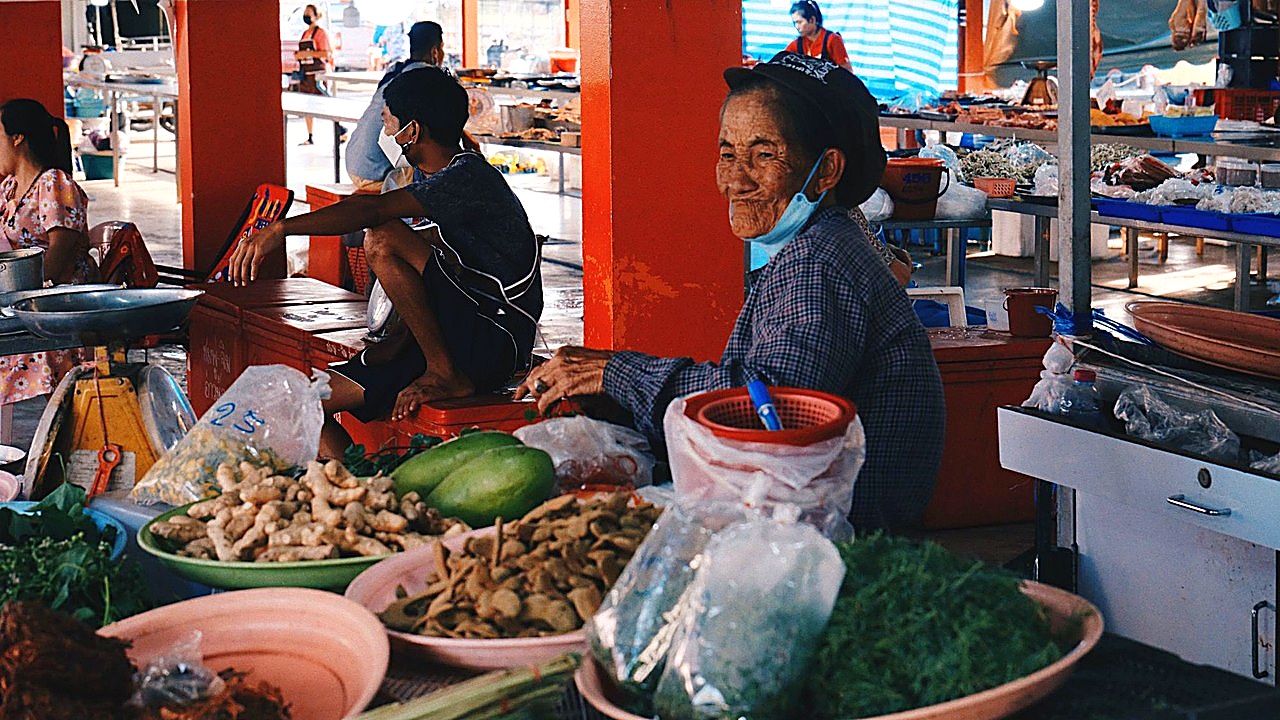
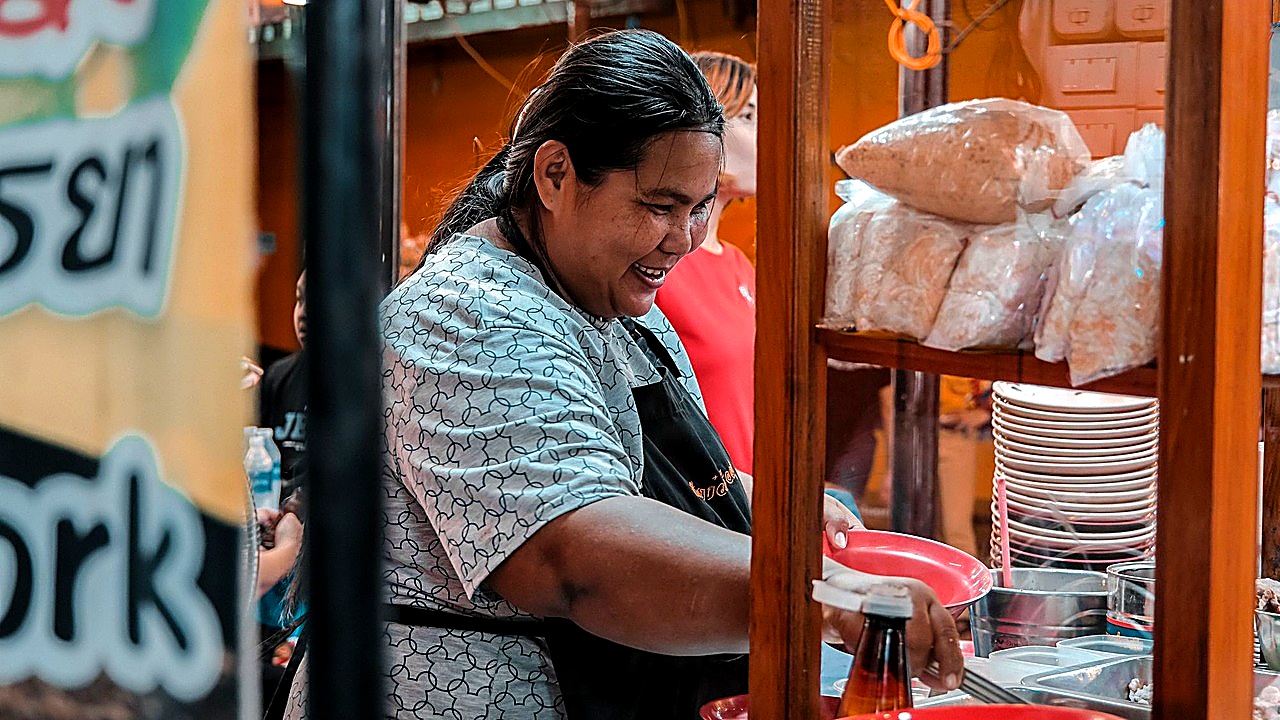
There is generally polite room: ask the price first, smile and offer a reasonable counter, stop once you agree. Temple stalls and chain stores are exceptions. Most stalls pack in paper bags and seat you on plastic stools—dress light and go with the flow.
Which single market deserves an extra night?
Three candidates: Amphawa’s evening river market, Chiang Mai’s Sunday Walking Street, or late-night Yaowarat—depending on whether you want the river, slow social, or migrant-history smoke.
10. Tell Us the Layer You Want
East Marvel has designed private Asia journeys since 1988. We do not ask whether a market is viral. We ask: old river, charcoal night, or air-conditioned new? Private cars dodge peak traffic. Halal, vegetarian, and allergy needs go into the written plan. At Maeklong we explain safe standing positions in advance—the train is daily transport, not a stunt to block the nose.
Easiest start: send your month, party size with children’s ages, how far you can walk, the one market scene you refuse to miss (floating / railway / Chatuchak / Chiang Mai walking street / island night market), and whether you want a mall refuge day. We will mark the default combinations and the stamina buffers. The email quote is the price. Our guides and our proposals work in English. If someone traveling with you is more at ease in Chinese, say so when you write.
Published routes: Thailand tour packages. Write to contact@eastmarvel.com · WhatsApp +1 201 240 4890.
You do not need a viral checklist. Tell us the layer. We hold the hour before the coaches—and the walking-street dusk.
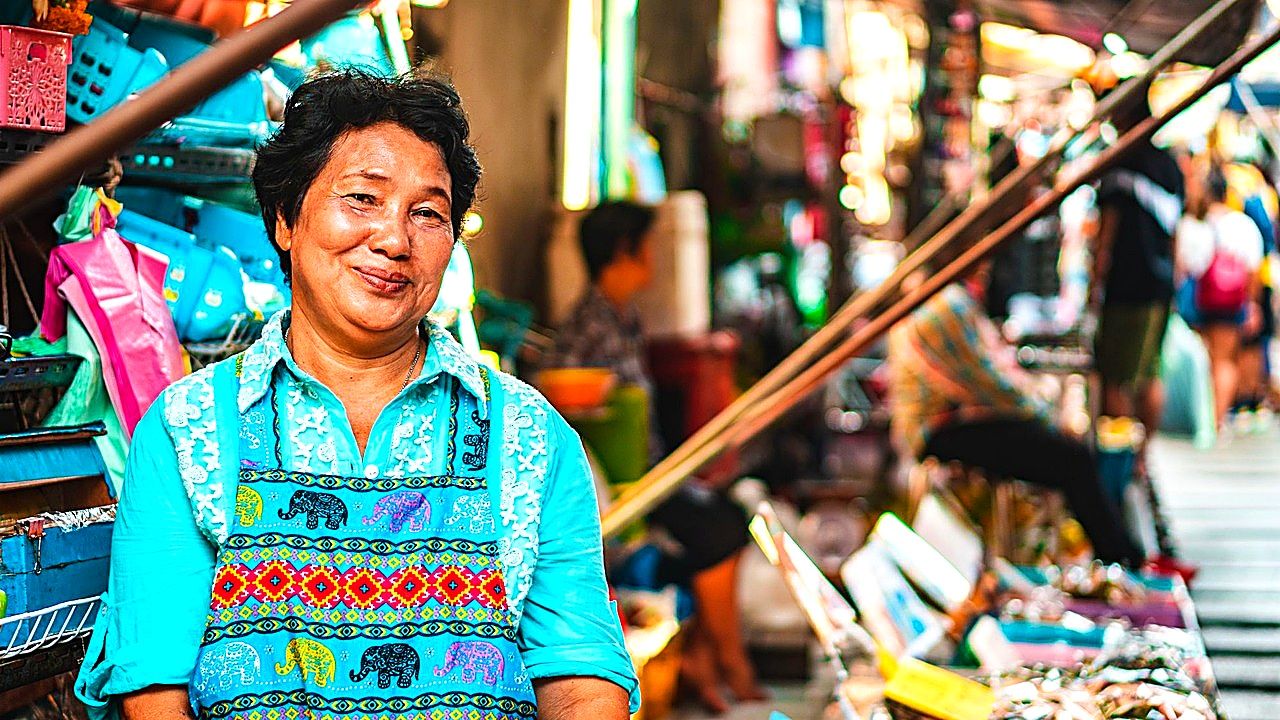
Thailand’s markets are a civilization stacked out of waterways, rails, migrant pots, and air-conditioned atriums. From north to south you meet the Lanna walking street’s slowness. In the Center, river, train, and global malls share one city. West and east, two seas close the day’s waves with resort night markets.
Pick the layer you want first, then start walking—so what you remember is not “Thailand is easy to shop,” but how old-river Thailand, charcoal folk Thailand, and glass-fronted global Thailand grew on the same map.
Related reading: Thailand’s Food Has Four Faces · Thailand Has Two Faces: Day and Night · How to Plan a Multi-Generational Family Trip · Bangkok floating markets · When to Go.