One yard
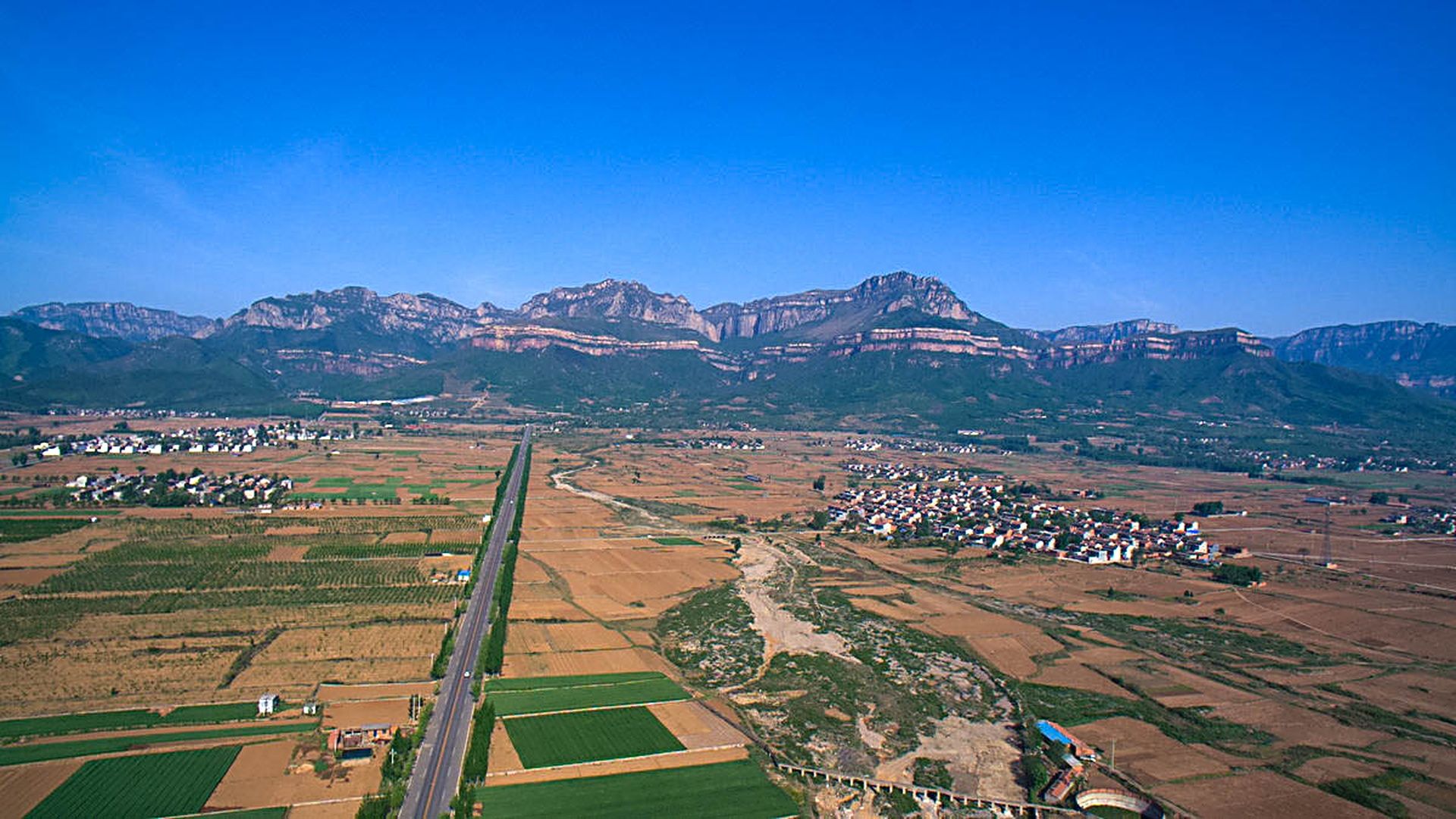
Welcome to Shanxi. The Taihang stands as the outer wall on the east. The Yellow River and the Lüliang stand as the inner wall on the west. The Zhongtiao range closes the south. The Great Wall closes the north. Old books gather the province into one yard and call it biaoli shanhe. The cities sit in basins: Taiyuan, Datong, Linfen, and Yuncheng, each in its own. People here grow wheat, brew vinegar, and turn silver into family shrines and remittance houses.
What is Shanxi like? Dry. Thick. Still here.
Loess underfoot, wheat in the fields, aged vinegar on the table.
Pingyang, Puban, and Anyi
The Yellow River runs along the west wall. When the Chinese tell how their civilisation began, one part of that story is set on this bank. An old line in the south of the province says: Yao held his court at Pingyang, Shun at Puban, Yu at Anyi. Pingyang is today’s Linfen. Puban is Yongji. Anyi is Xia County. Pingyang is in the south of the yard. Puban and Anyi sit at the southwest corner. That is a map in the old books. Under the fields at Linfen is a real city, Taosi. More than four thousand years ago it was already a capital, with walls and a palace quarter. Archaeologists treat it as one. They have not settled whether it was Yao’s. Later, Jin split into Han, Zhao, and Wei. In 403 BC the Zhou king recognised the three as lords. Chinese histories often start the Warring States in that year. The yard has been called Sanjin since.
Loess underfoot, wheat in the fields, aged vinegar on the table.
Shanxi and Shaanxi
Look underground for Shaanxi, and above ground for Shanxi. Shaanxi is the province of Xi’an. In English, Shanxi and Shaanxi differ by one letter. You separate them with your eyes. The Terracotta Army lies in a pit. Shanxi’s halls, pagodas, and stone Buddhas still stand on the ground that came after. The room you walk into is one that is still there.
Black Myth: Wukong
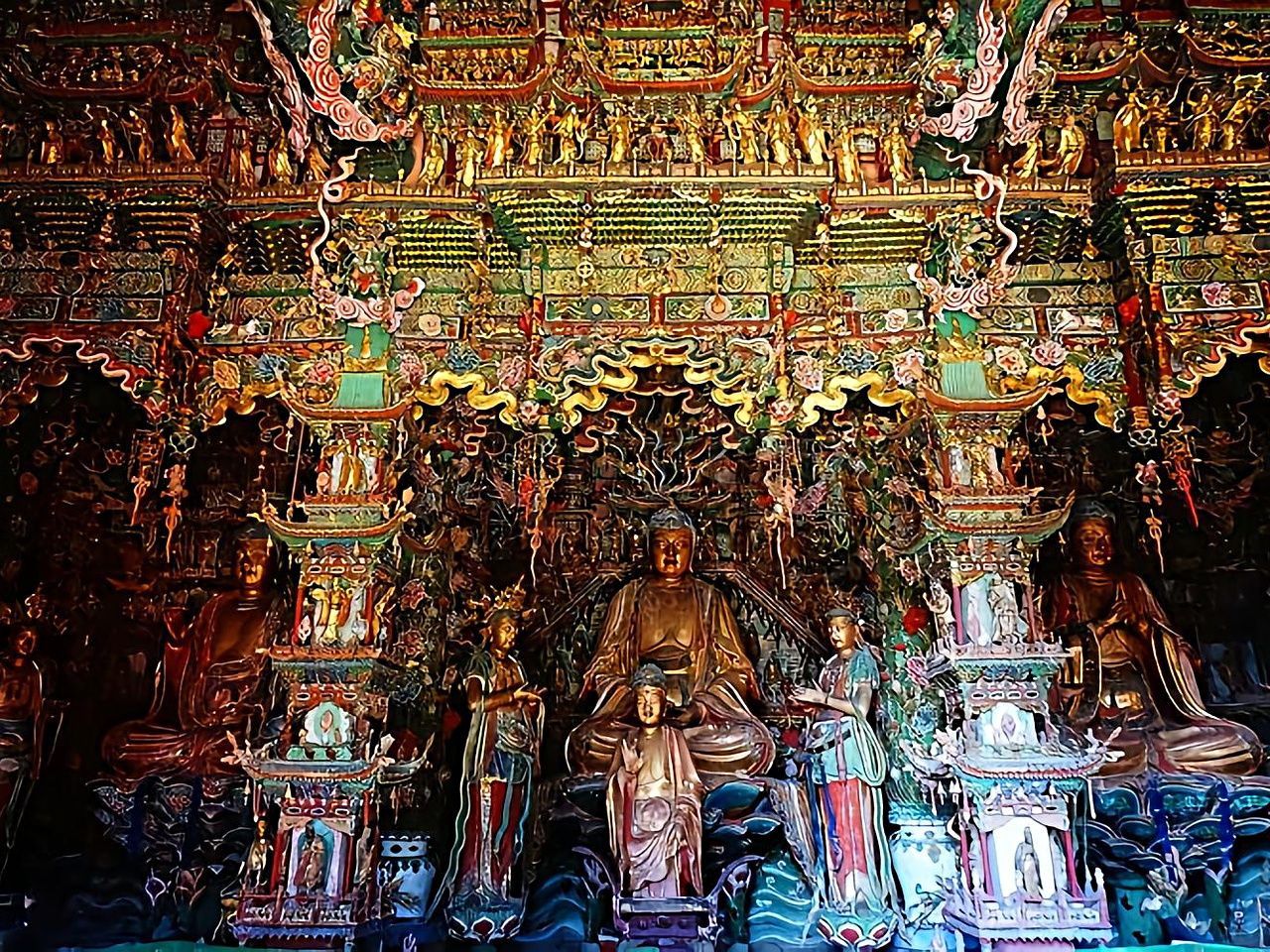
Black Myth: Wukong built scenes from real halls here. You can match three of them. At Xiaoxitian, in Xi County, Linfen — the county is Xixian, pronounced shee — suspended clay covers a very small hall. Players remember the line 既见未来,为何不拜: you have seen the future, so why not bow. At the Yuhuang Temple in Jincheng, each of the twenty-eight lunar mansions keeps an animal. Below Mount Wutai, the Tang scripture pillar outside the East Hall at Foguang Temple is in the game. Shuanglin Temple, just outside Pingyao, is the painted clay itself. Courtyard after courtyard. You look while you stand. It shares the day with Pingyao. Xiaoxitian lies to the south, and the Yuhuang Temple to the southeast. Each asks for another day’s drive.
Level ground, and the climb
The streets of Pingyao, the courtyards of Jinci, and the statues at Shuanglin are level ground. You finish them by looking up. Elders and children share that day. The Hanging Temple at Hengshan is a climb on the cliff. The terraces of Mount Wutai are incense and steps. Keep those two for knees that can still spare them. The Tang timber halls stand in the villages below the terraces: Foguang Temple and Nanchan Temple. Pilgrims going up use a different gate.
Jinci, Pingyao, the pagoda, and Yungang
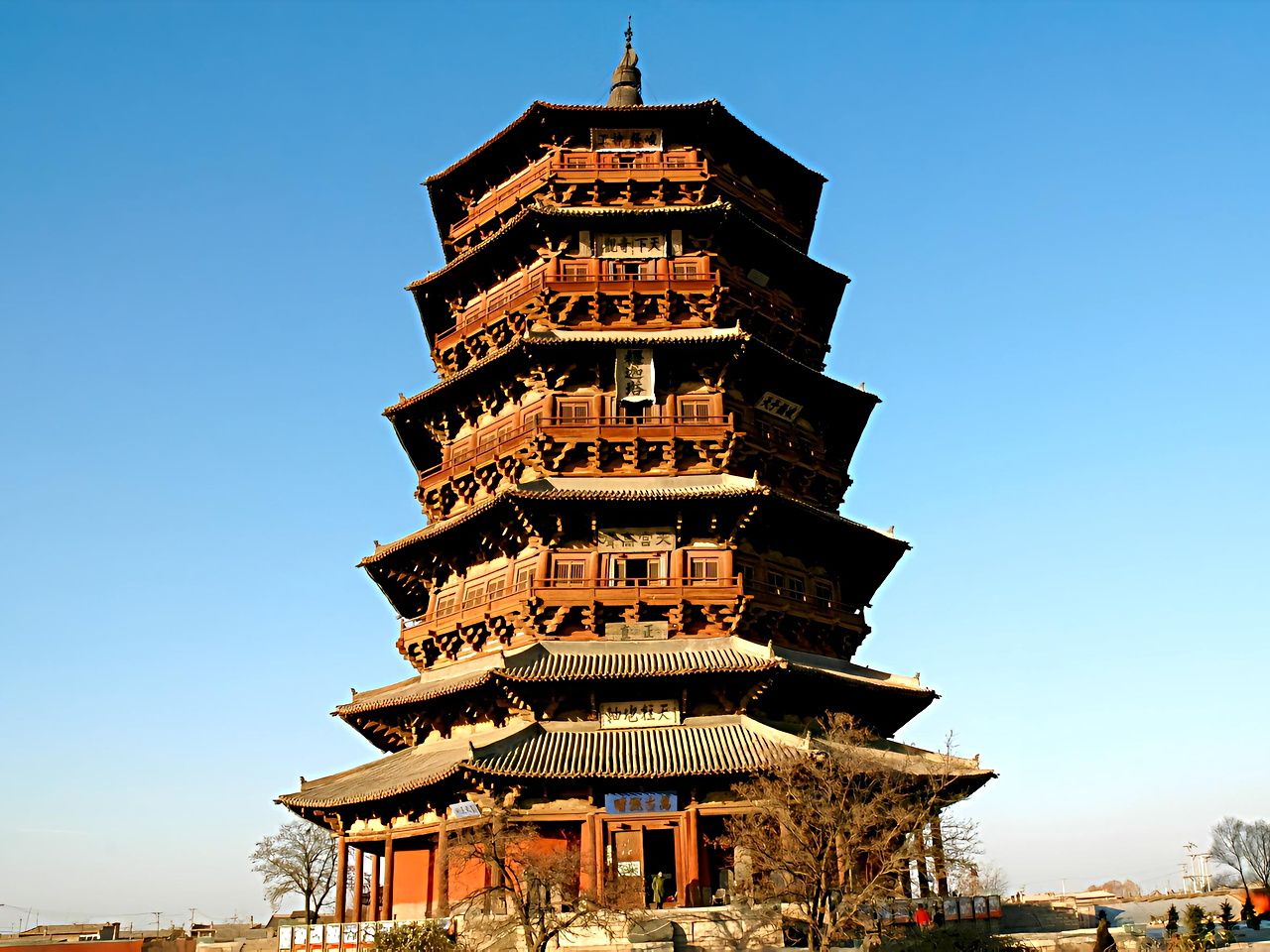
Then go into the yard. Jinci sits at the foot of Xuanwengshan, southwest of Taiyuan. The shrine remembers Tang Shuyu, the ancestor of Jin. In the Hall of the Holy Mother the maidservants are Northern Song. Their hands stop halfway through the work. Look at the hands. The brick on the Pingyao wall is Ming and Qing. Above the counter at Rishengchang are four characters, huitong tianxia. Silver stays in this city. A sheet of paper draws it in another. The timber pagoda at Yingxian has stood since the Liao. Before the car enters the county town, the pagoda is already ahead. At Yungang in Datong the Buddhas are cut into a Northern Wei cliff. The face changes from cave to cave.
Shanxi is not a place you finish in a glance. It is a yard. On a short trip, keep one night in Pingyao or in Datong. Xiaoxitian and the Yuhuang Temple wait until you decide to keep a day for one hall from the game.
See
Jinci. Courtyards at the foot of Xuanwengshan, southwest of Taiyuan.
Pingyao. Ming and Qing brick, and the counter at Rishengchang.
Shuanglin Temple. Painted clay just outside Pingyao. It shares that day.
The Yingxian Pagoda. Already ahead, before the car enters the county town.
The Yungang Grottoes. Buddhas cut into a Northern Wei cliff at Datong.
Foguang Temple. The Tang scripture pillar stands outside the East Hall, below Mount Wutai.
Taste
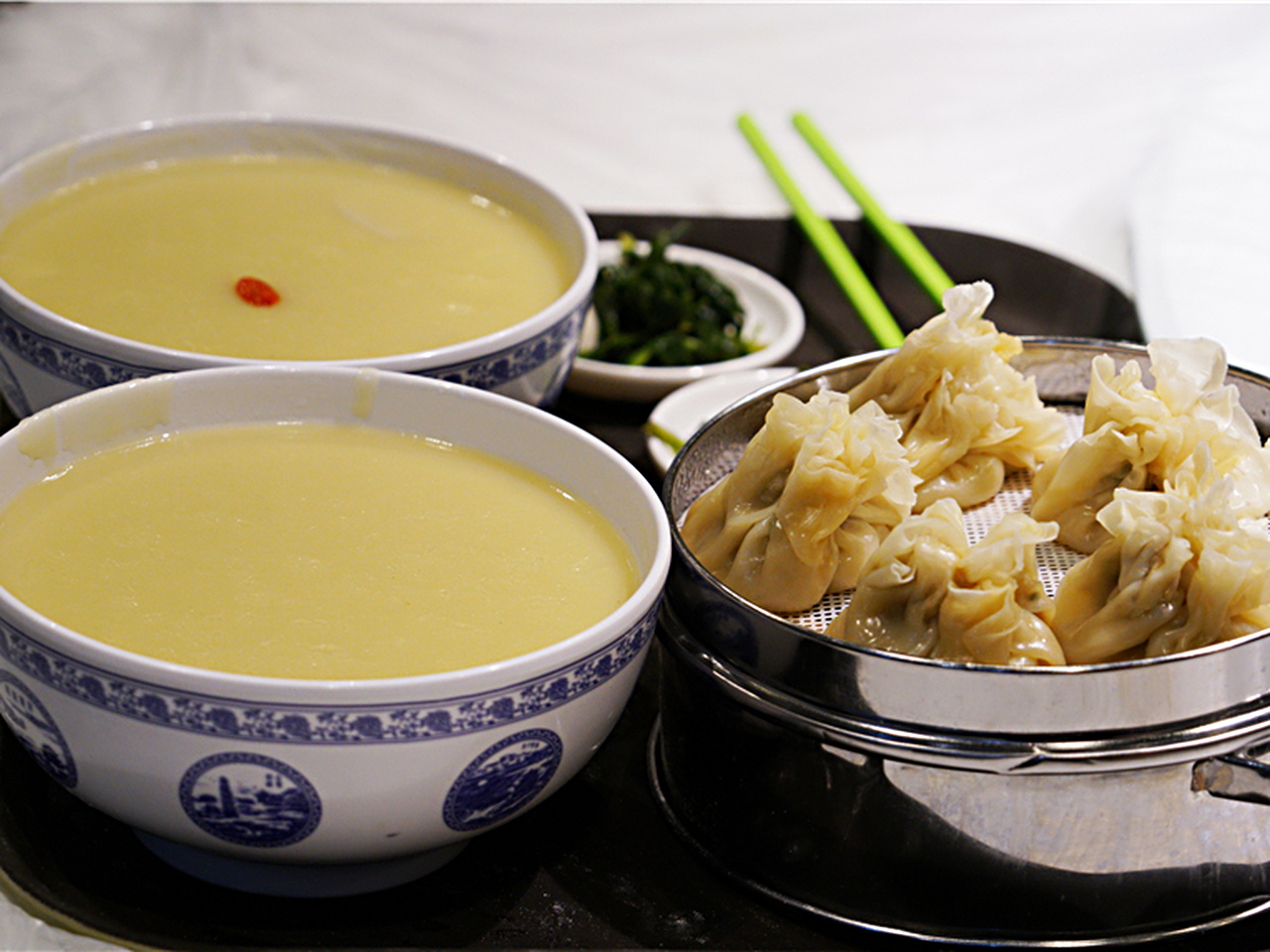
Eat first. A dish of aged vinegar, and a bowl of knife-cut noodles, the slices leaving the knife for the pot. Pingyao beef is salty. Cut it for the road. In Taiyuan, tounao (头脑) is a lamb soup, served only in the morning.
Aged vinegar. On the table.
Knife-cut noodles. The slices leave the knife for the pot.
Pingyao beef. Salty. Cut it for the road.
Taiyuan tounao. A lamb soup, served only in the morning.
What we recommend
The four-day walk is the short trip through this yard. Shanxi knife-cut noodles sit with the other wheat noodles of the north.