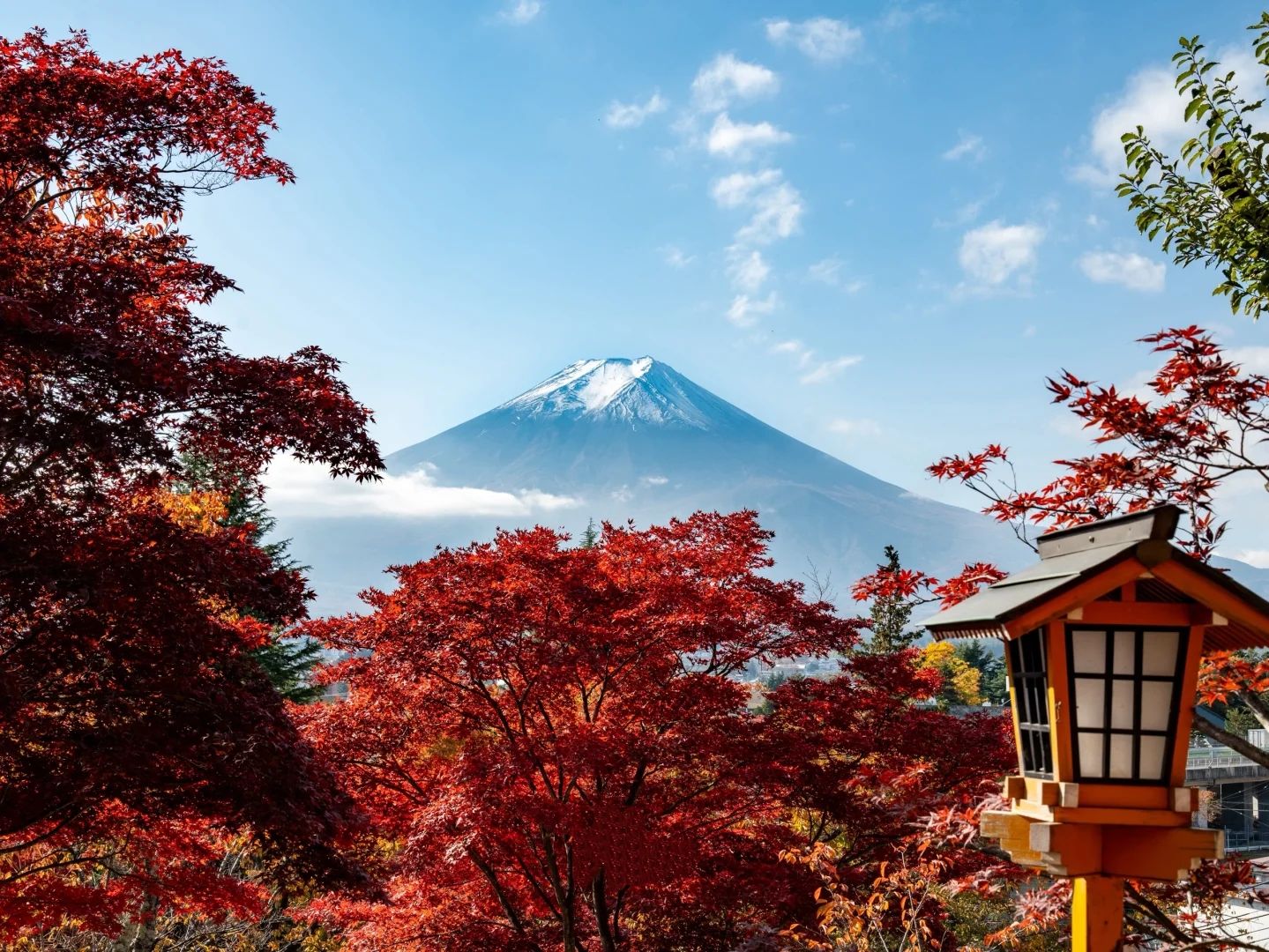
Most first-time Japan plans treat Mount Fuji as a checkbox: leave Shinjuku after breakfast, stand at a viewpoint in haze, shoot a cone that may not appear, race back for a Tokyo dinner. The mountain was on the itinerary. The mountain was not in the trip.
That is enough to pass Fuji. Not enough to meet it.
Fuji opens on different clocks than the capital: a cold clear dawn over Lake Kawaguchi; a pagoda silhouette when cloud lifts for twenty minutes; an onsen evening when the summit stays hidden and the trip still earns its keep; a hut alarm at midnight in July if, and only if, you booked a climb, not a postcard. Viewing needs overnight odds or a Hakone backup. Climbing needs a season, a hut, and recovery. Not a single optimistic afternoon.
East Marvel's default for viewing: see Fuji with at least 1 night at Kawaguchiko, a sunset and a next-morning attempt. See and soak with 2 nights, Kawaguchiko then Hakone, the common bridge from Tokyo toward Kansai. A Tokyo-only day trip only with a clear-forecast morning, accepting that summer haze often wins. Climb Fuji as a separate spine, not 1–2 viewing nights with a summit sticker. Official season only. The hut first. A recovery night after the descent. Never a silent swap for "see Fuji."
Read this beside our Tokyo Travel Guide. On a Tokyo calendar, a Fuji day trip competes with Kamakura, Hakone, or Nikko as one day-5 choice. A Kawaguchiko overnight is a named add. It costs a Tokyo night, or it sits between Tokyo and Kansai. We write the cut on the quote.
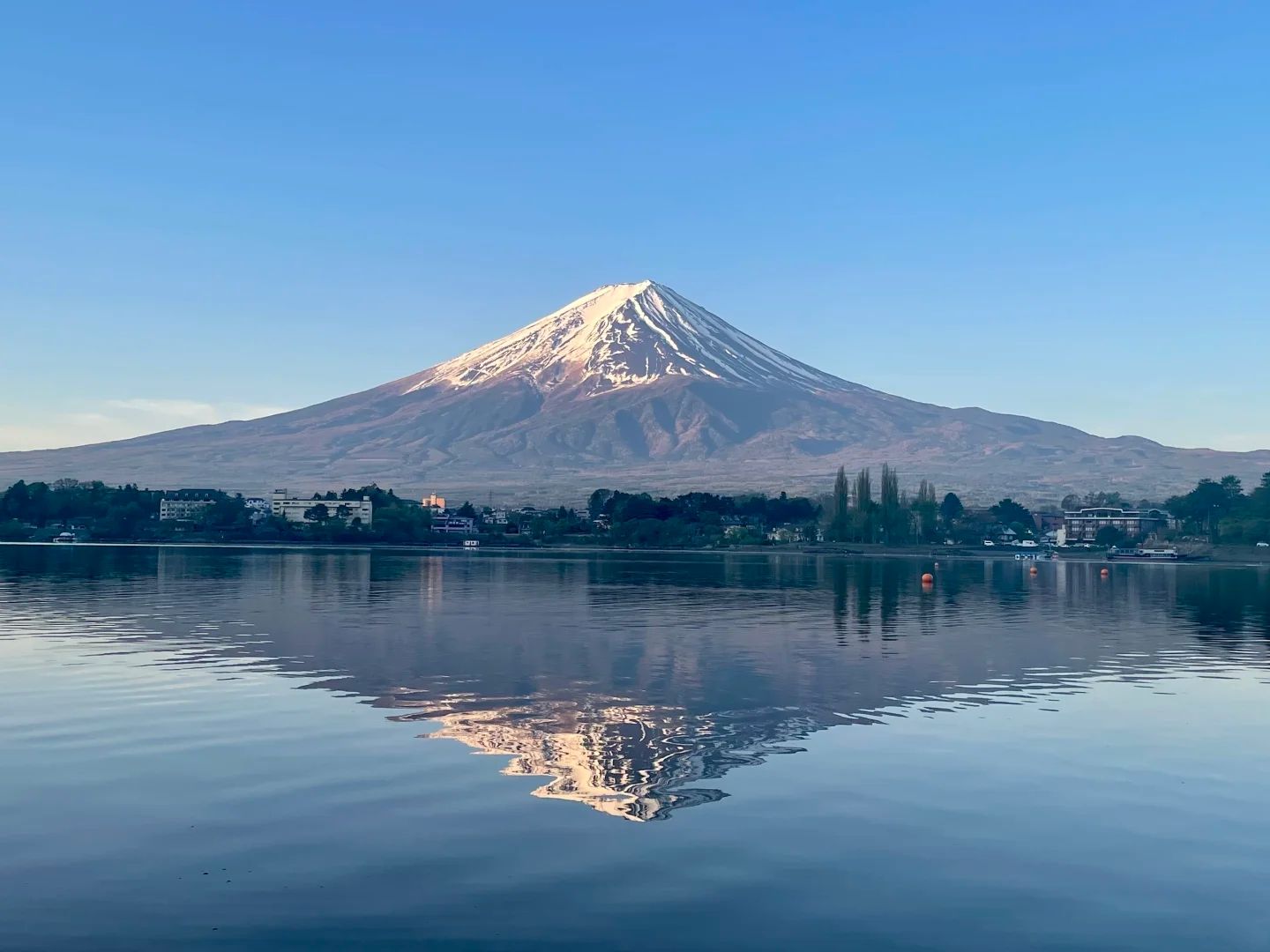
What Fuji is: a mountain misread as a day-trip pin
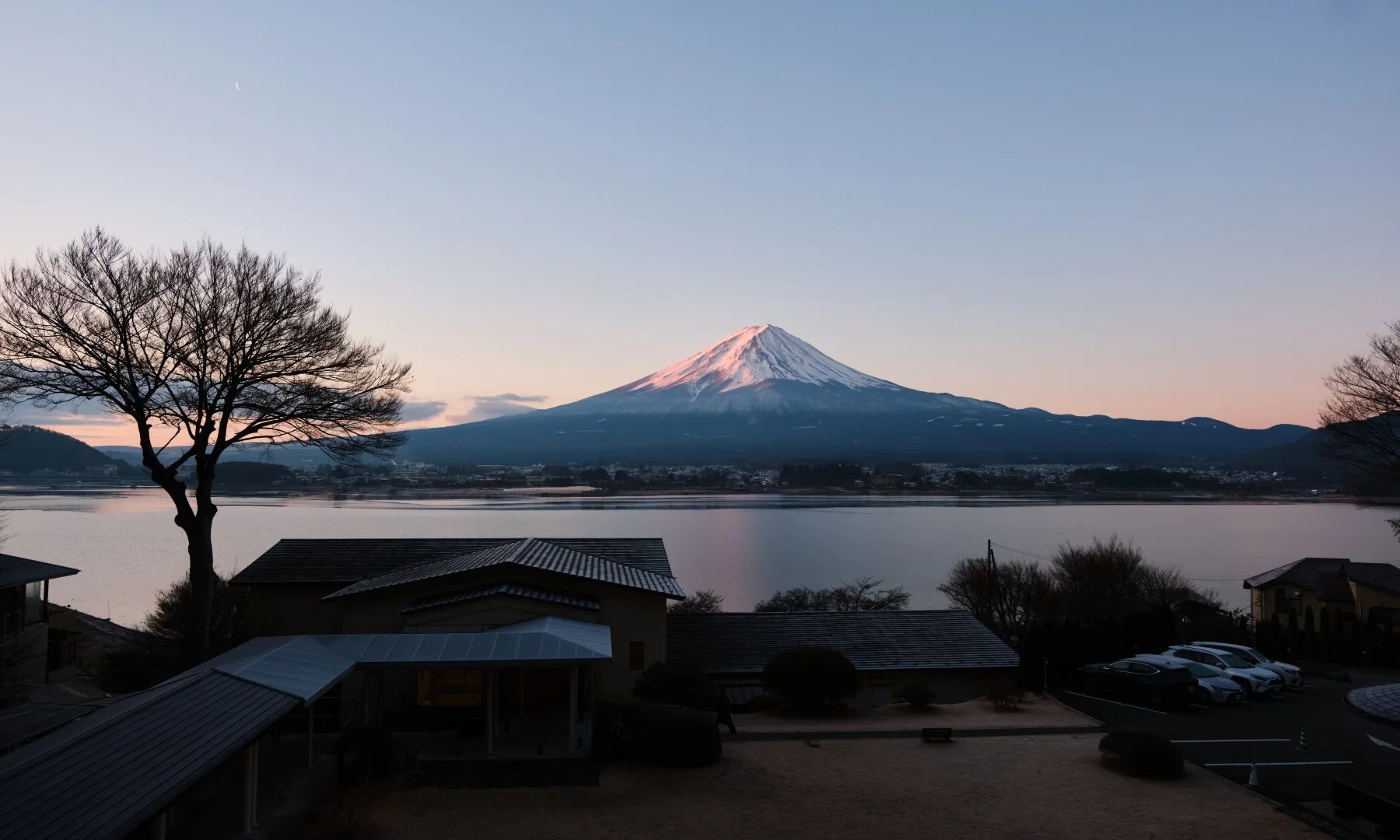
Mount Fuji, Fujisan, is Japan's highest peak at 3,776 meters, a UNESCO-listed sacred and artistic landmark, and a weather argument. It sits across Yamanashi and Shizuoka. The postcard cone is real. So is the cloud that erases it for days.
Western guests often buy Fuji as branding, a logo on a bus, a logo on a lunchbox, then feel cheated when the sky refuses. What holds up is odds and a base: lake light, pagoda geometry, fifth-station logistics, or a ryokan that still works when the summit is a rumor.
Tokyo asks you to move into layers. Fuji asks you to move into chances: clear air, overnight attempts, and an honest backup.
Two products: see the mountain vs climb it
See Fuji. Viewpoints, lake shores, Chureito and the north-shore light, a Fuji-view room if one exists. Default: 1 night at Kawaguchiko. A day trip only on a clear forecast.
Onsen and a soft Fuji. The Hakone loop, a ryokan, the Romancecar or the rail to Odawara and on toward Kyoto. Default: 1 night in Hakone. Fuji is a bonus if it is visible. It is not the point.
See and soak. Kawaguchiko light plus a Hakone bath. Default: 2 nights, the lake then Hakone. The bridge from Tokyo toward Kansai.
Climb Fuji. Fifth station, a hut, sunrise, the descent, then recover. A private climb block in season only. The hut is booked before the romance. Those nights sit on top of the 1–2 viewing nights. They do not replace them.
Do not sell a July climb as a November viewing trip, or a hazy August day bus as "you did Fuji."
Kawaguchiko: why one night changes the odds
Kawaguchiko, Lake Kawaguchi, is the viewing base for most first-timers: highway buses and the limited-express Fuji Excursion from the Shinjuku belt, lakeside hotels, the classic frames.
Picture it: pink light on the water before the tour megaphones; a twenty-minute cloud break that pays for the hotel; hoto noodles after a cold morning.
An overnight beats most day trips. You get a sunset attempt and a dawn attempt, two rolls of the visibility dice. A Fuji-view room, on the north or east shore when one is free, puts the mountain in the morning without a sprint from the station. You stop treating the highway as the product.
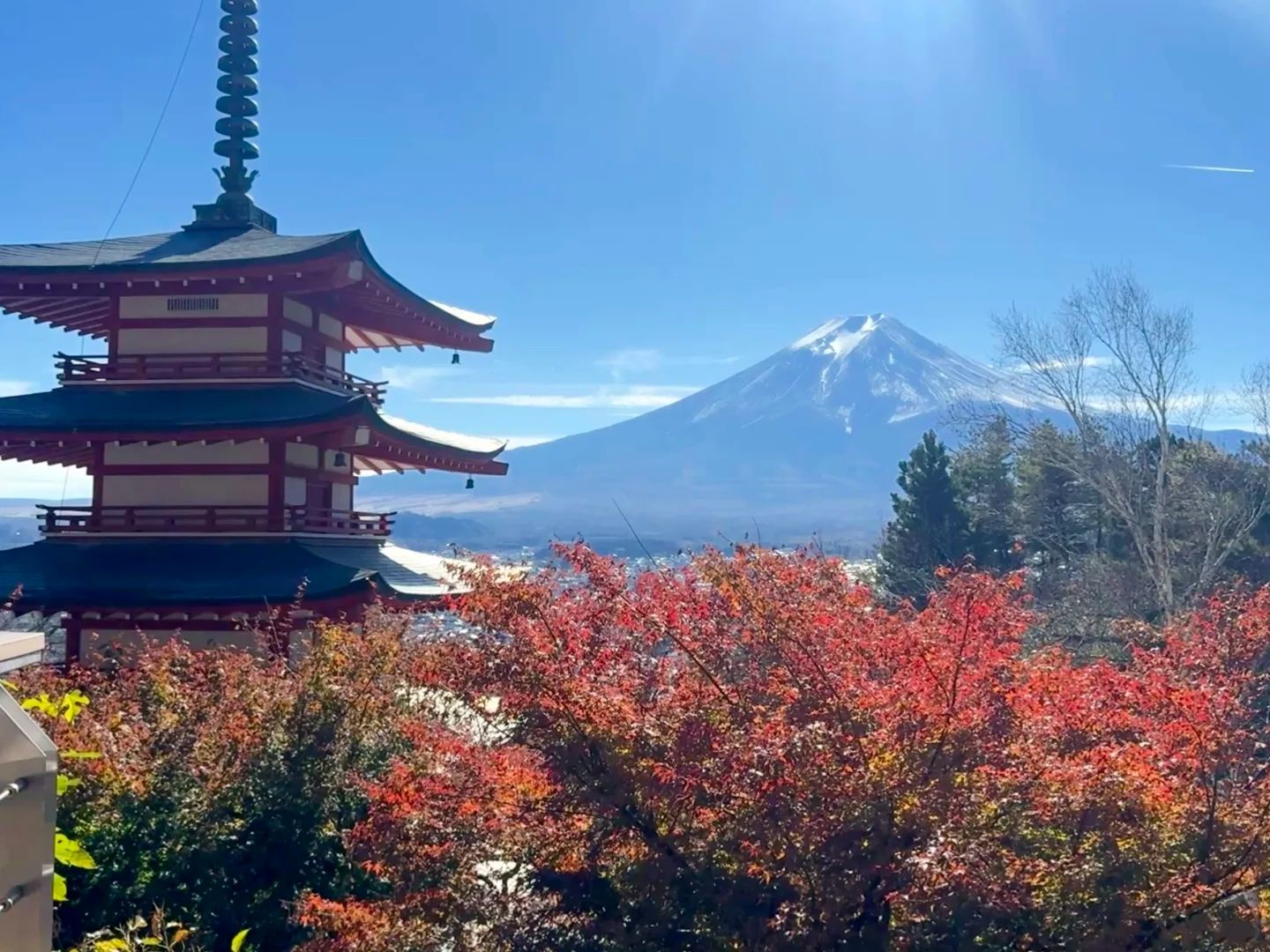
Classic viewing moves. Pick. Do not stack all of them. Chureito Pagoda, in the Arakura area: iconic, better in the morning, real weekend crowds. Walks and hotel decks on the north and east shore. Oshino Hakkai: springs and a village, Fuji when it is clear. Ropeways, caves, and museums are fillers for a cloudy day. Useful. Not a fake stand-in for a clear cone.
Best for guests who named "see Fuji" as a must, for photographers, and for the clearer air from November through February. If someone will not leave Tokyo early and will not stay the night, we drop Fuji as the point and keep the Tokyo depth.
East Marvel pacing: arrive by early afternoon when you can. One heavyweight viewpoint and a lake evening. A second attempt at dawn. Return to Tokyo, or continue to Hakone or Odawara. Print the hours. Never write "on the way."
Hakone: onsen, loop, Kyoto link
Hakone is often sold as Fuji with hot springs. Split that sentence.
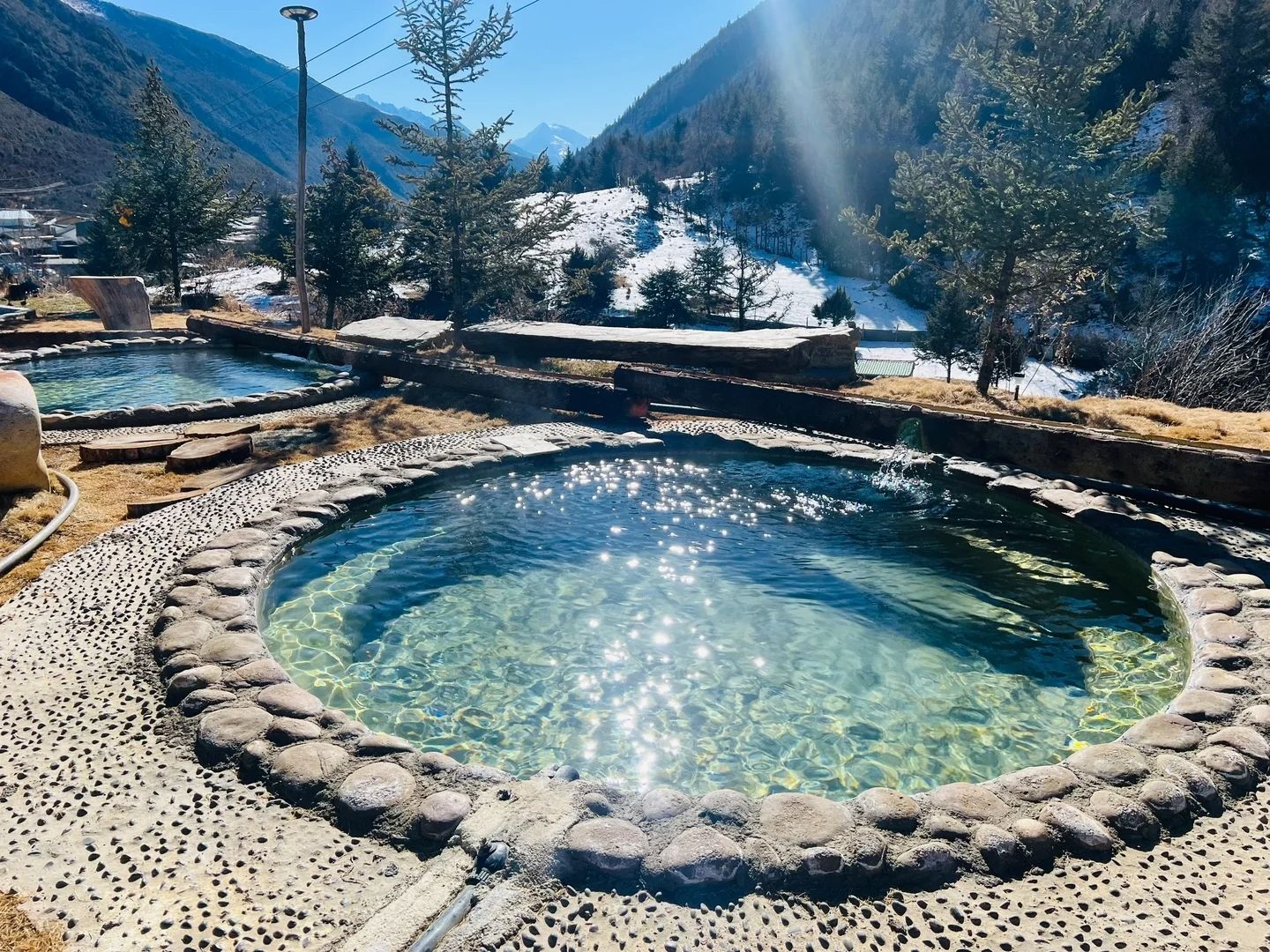
What Hakone reliably sells: the Romancecar, or the rail, from Shinjuku. The classic loop of train, cable car, ropeway, and the Lake Ashi boat. Sections close for maintenance. We confirm them live. An onsen ryokan. Black eggs at Owakudani when it is open. A clean drop to Odawara for the Shinkansen toward Kyoto.
What Hakone does not guarantee: a clear Fuji. Haze and cloud are common, especially in the warmer months. A reflection on Lake Ashi is a bonus, not a contract.
Best for a ryokan night, for seniors who want the soak more than a gamble on the summit, and for the bridge from Tokyo toward Kansai. Choose Kawaguchiko instead when the brief is "I need the cone in the photo."
On the quote, Hakone's point is the onsen and the comfort of the loop. Fuji is labeled a weather-dependent bonus.
Climbing season: Yoshida and the rules that matter
Climbing is not a longer day trip.
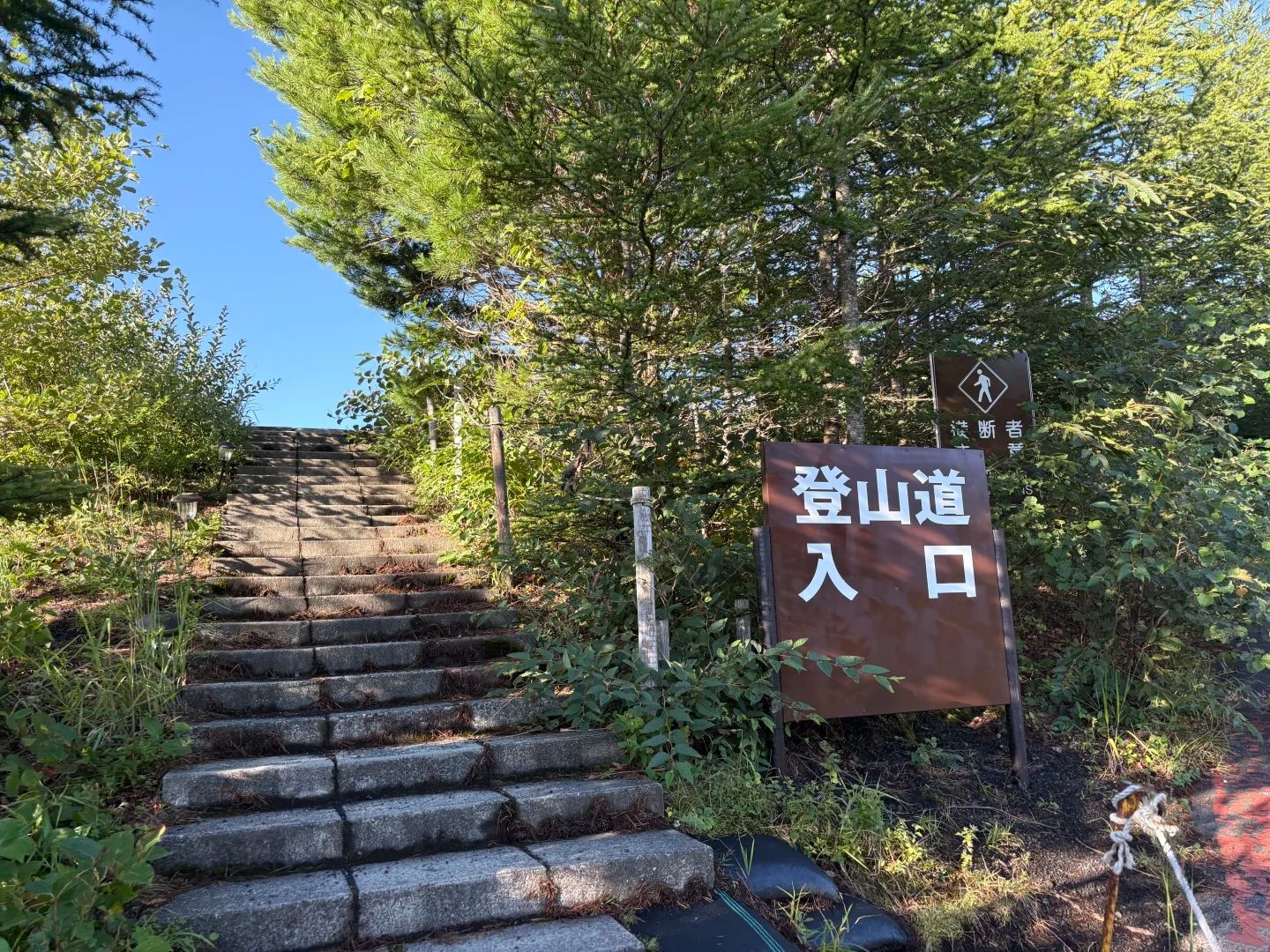
Summit trails open roughly from early July to early September. Exact dates differ by trail and by year. On the popular Yoshida Trail, in Yamanashi, recent seasons run about 1 July to 10 September. Confirm the year on the official Mt. Fuji climbing site, fujisan-climb.jp. An off-season attempt on the summit is dangerous. It is not an East Marvel visitor product.
The Yoshida Trail is the usual first-timer spine. You start at the Fuji Subaru Line 5th Station. Most of the huts and the support are there. Yamanashi applies hiking fees, an advance passage reservation, daily caps, and gate-time rules. Recent seasons have been on the order of 4,000 yen per person, with caps around 4,000 day climbers, and evening gate closures for climbers without a hut. Hut guests follow the posted exceptions. The rules move. We lock the live system on the quote. Private cars face seasonal restrictions on the Subaru Line. Buses and booked transfers are the planning language. The Shizuoka trails, Subashiri, Gotemba, and Fujinomiya, are separate systems. They are not a silent swap.
A typical rhythm: an afternoon climb to a hut at the 7th or 8th station, a short sleep, a midnight push for sunrise, a long descent, then a recovery night. Not same-day Kyoto. Altitude, cold, wind, and rain are normal. Hut cash, a headlamp, layers, a rain shell, and a slow pace are required. A gear check at the gate can turn an under-equipped climber around.
Best for fit guests who asked to climb in season and accept hut conditions. Treat the climb as its own block: preparation, the hut, and recovery. Do not fold it into the viewing title's 1–2 nights as if it were a lakeside sunset.
When visibility, and when to stop gambling
November through February. Often the best odds of clear air. Cold mornings. An overnight at Kawaguchiko is strongly recommended. The trails are closed to visitors.
March through May. Sakura frames are possible. Golden Week crowds. Visibility is mixed. Still closed for a normal climb.
June, the rainy season. Cloud and rain. A Hakone onsen, or drop Fuji as the point. Closed for climbing.
July through early September. The worst viewing haze for many mornings. Do not bet a single afternoon bus. This is climb season, and the climb is a separate product.
September through October. The air improves. Autumn color near the lakes. The season is ending or already closed. Check the dates.
We never promise the cone. We buy attempts: an overnight, a dawn, a forecast. And a day that still works without Fuji: a Hakone soak, the lake, Tokyo's depth left intact.
How to spend 1–2 nights
One heavyweight per day. Weather is a character in the plan. Tokyo's layers stay protected.
Viewing, 1 night at Kawaguchiko, the default for seeing Fuji. Day 1: Tokyo to Kawaguchiko, by bus or the Fuji Excursion. Book seats in a peak period. Chureito or the lakeshore as the heavyweight. A sunset attempt. A Fuji-view room if the inventory allows. Day 2: a dawn attempt. Oshino or a second shore if you want it. Return to Tokyo, or continue toward Kansai through the hub you already planned. The buffers are printed.
The bridge, 2 nights, Kawaguchiko then Hakone. Night 1 is the Kawaguchiko viewing above. Day 2 and night 2: transfer to Hakone, a section of the loop, and a ryokan onsen. Fuji, if it is visible, is a bonus. Day 3: a soft Hakone morning, then Odawara, then the Shinkansen, often toward Kyoto.
The climb block, in season only. These nights are extra. A preparation night in Tokyo or a foothill hotel: gear check, early rest. The climb night: 5th station to a booked hut, fees and reservations already in hand. Summit morning: a sunrise attempt, a full descent, then a recovery night. Not a same-day sprint to Kansai.
Against a Tokyo day-5 day trip: keep a Fuji day trip as one option beside Kamakura, Hakone, or Nikko. If the Kawaguchiko overnight wins, remove a Tokyo night or add days to the calendar. Do not pretend both are free.
What we would do, and what we would not
We would recommend a Kawaguchiko overnight when "must see Fuji" is the brief.
We would recommend Hakone when the onsen and the link toward Kyoto matter more than the odds of the cone.
We would print a weather backup and protect Tokyo's 3–4 night core.
We would run climbs only in the published season, with the hut and the fee system on the plan.
We would not guarantee the cone.
We would not sell an off-season summit climb to visitors.
We would not call Hakone a Fuji guarantee.
We would not stack Chureito, a full lake circuit, the Hakone loop, and a same-day Shinkansen as one light day.
We would not steal Tokyo's east and west layers to fund a hazy afternoon bus without naming the cut.
Practical information
Where to stay. The north or east shore of Kawaguchiko for Fuji-view rooms. Book early for sakura and for autumn. Near Kawaguchiko Station: easier buses, often better value. Hakone at Gora or Lake Ashi: the ryokan and the loop. A Tokyo base only is fine for a day trip led by the forecast. It is not our default when "must see Fuji" is the sentence.
How to move. Kawaguchiko: a highway bus from Shinjuku, Busta Shinjuku, or the limited-express Fuji Excursion. Peak seats sell out. Hakone: the Romancecar and the Odakyu corridor, loop tickets, and a check of suspension notices. The climb: seasonal transport to the 5th station, and that year's fee and reservation system. Expect a weak mobile signal. Screenshots and printouts help. A private car helps seniors and luggage. Mountain roads and the restrictions still rule the plan.
Eat. At Kawaguchiko: hoto, and Yoshida udon. At Hakone: the ryokan meals, and black eggs when the area is open. On the climb: the hut meals you booked. Carry water and cash. Do not bet on an ATM at the 5th station.
How to start. Send the month, whether the point is to see, to soak, or to climb, the Tokyo nights you have, fitness if this is a climb, whether you want a ryokan, and how you need to connect to Kansai. We lock the product first, then the hotel shore, Hakone, or the hut.
About East Marvel
East Marvel builds private Asia trips for Western and international guests. Fuji is paced like the Tokyo guide: odds, bases, and cuts, not viral pins. We recommend Kawaguchiko when you need the cone's best honest chance. Hakone when the bath and the link toward Kyoto matter more. A climb block only in season, with the hut written on the page.
Related reading: read our guide on why Tokyo is worth at least 3–4 nights. We do not point at a page that is not up.
How we decide: clear air, or the onsen, or the altitude. Pick one primary.
FAQ
Is a Tokyo day trip enough? Sometimes, on a clear morning in the dry season. For a first "must see Fuji," we usually recommend one night at Kawaguchiko.
Kawaguchiko or Hakone? If the cone is the priority, Kawaguchiko. If the onsen and the bridge toward Kyoto are the priority, Hakone. If you want both, two nights: the lake, then Hakone.
Can you guarantee we see Mount Fuji? No. We maximize the attempts, and we design a day that still works if the cloud wins.
When can we climb? Only in the published climbing season, roughly July through early September. Outside that, the summit trails are not our visitor product. Yoshida fees, caps, and gate rules are locked to the live official system for your year.
Does Fuji replace a Tokyo night? An overnight does, unless you add days. A day-5 day trip from Tokyo keeps the Tokyo nights and spends the spare day. We show the trade on the quote.
Good with seniors? Viewing and a Hakone onsen, yes, with short walks and help from a car. A full summit climb is a fitness screen. It is not a default add-on.
Are 1–2 nights enough for a climb? No. The 1–2 nights in the title are the viewing default. Climbing needs preparation, the hut, and recovery, quoted as its own block.
Closing
Mount Fuji is not a logo on a highway. It is a chance you overnight for, a bath you enjoy when the chance fails, or a climb you only buy in season.
Protect Tokyo's 3–4 night layers. Then choose: a Kawaguchiko dawn, Hakone steam behind a noren, or a hut alarm. Not all three stacked into one dishonest afternoon.
Send the month, whether this is to see or to climb, and how Tokyo and Kansai must connect. East Marvel will recommend the product that fits, and quote the version we will run.