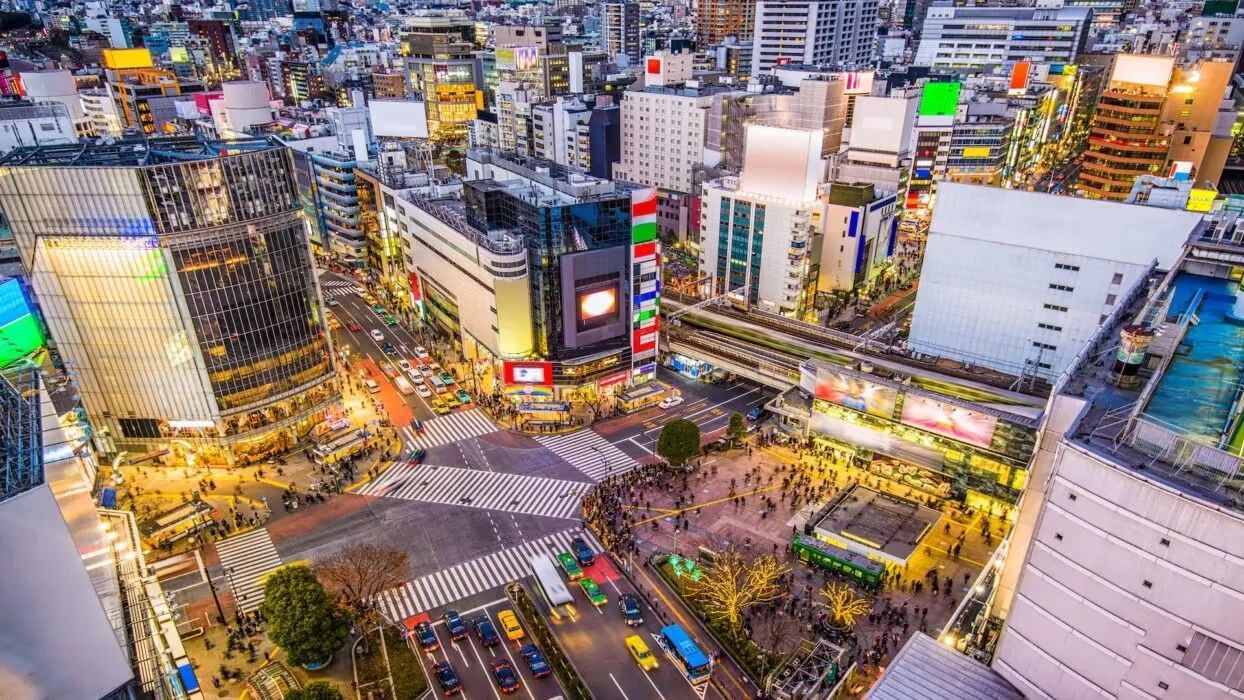
Most first-time visitors to Japan schedule Tokyo as a two-night landing: one photo at Kaminarimon, five minutes in the Shibuya scramble, one neon drink in Shinjuku, then the Shinkansen to Kyoto. Your luggage has barely met the Yamanote Line before you are on another train.
That is enough to pass through Tokyo. Not enough to move into it.
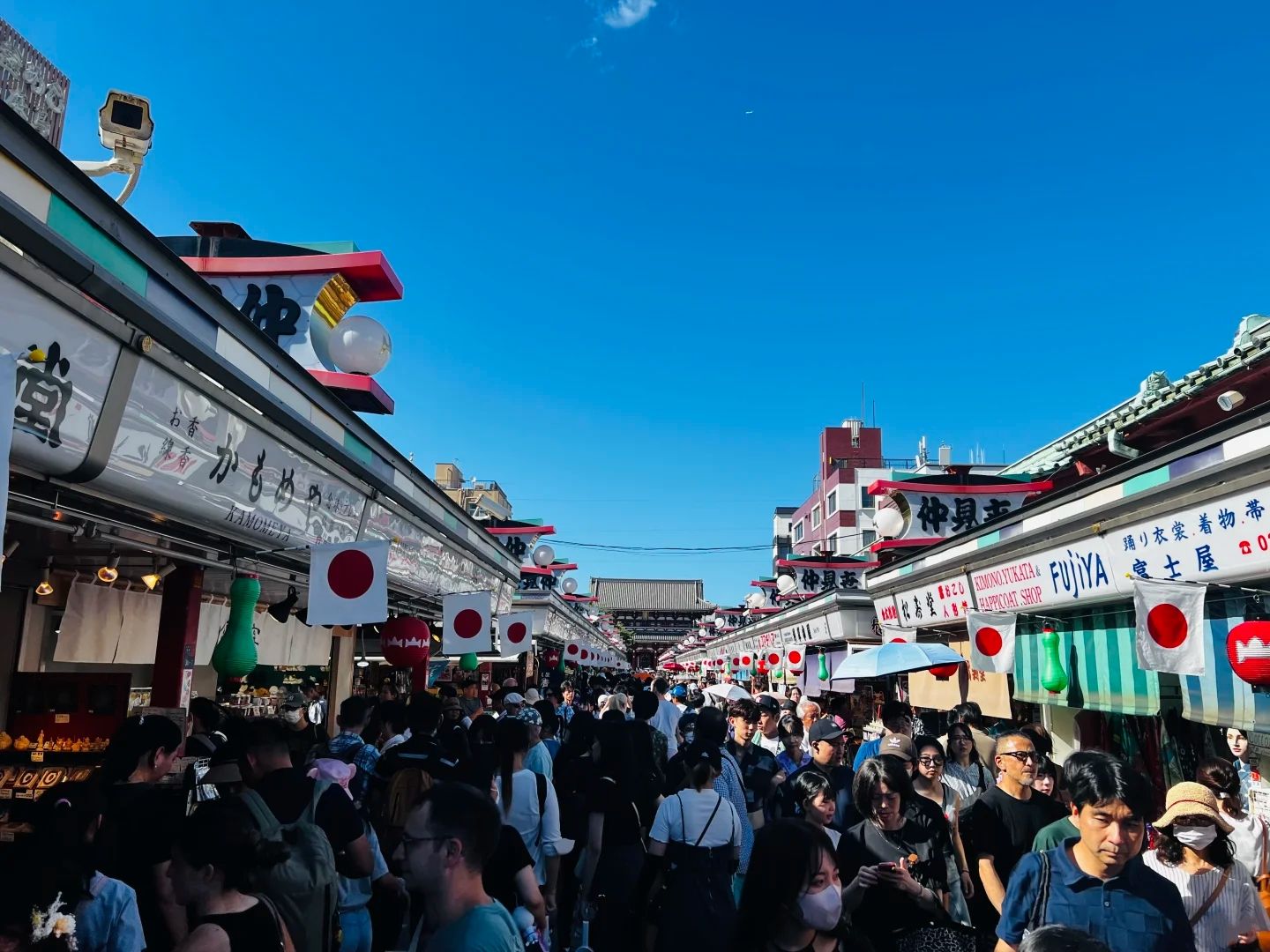
The moments when the city actually opens are not on the tour-map pins: around 7 am on Nakamise-dori at Senso-ji, stalls waking, tour loudspeakers not yet in place; gravel paths in the Meiji Shrine forest where suits brush past yukata; dusk over Tokyo Bay or from Shibuya Sky, water and crossing lights rising together; a curtain pulled back in Golden Gai, smoke and yakitori pulling you into a six-seat room. All of that needs you still in town, not already checking in for the bullet train.
East Marvel's default: at least 3 nights, and 4 feels right. Day four can hold a contemporary-art layer, the central business belt, or a fuller east-west finish. If the whole Japan trip is only 7–10 days and Tokyo can spare just 2 nights, we cut to the classic version, and tell you in advance exactly which layer you miss. With 5 nights, we seriously discuss one day trip, Hakone, Kamakura, or Nikko, without stealing city nights.
Same method as the Bangkok guide: pick the capital layer first, one heavyweight per day, geography before the photograph.
What Tokyo is: a capital misread as a gateway
Tokyo is Japan's heart and one of Asia's densest metropolises: twenty-three wards like puzzle pieces, each with its own weather and bedtime. This is not Kyoto, enlarged. It is a place where everything happens at once: two claps at a shrine in the morning; a hot konbini bento sharing the elevator with office towers at noon; a ramen queue still alive after the last train.
It is usually treated as the door into Japan: Narita or Haneda, land, then west to Kansai. But if Japan reads as a Tokyo gateway, Kyoto temples, and Osaka eats, Tokyo is the density you skipped.
For guests who know New York or London, Tokyo's familiar strangeness hits hardest: the same big-city pace, mixed with wooden temple roofs, vending-machine manners, and streets that treat trash sorting as civic ritual. A capital still in daily use by commuters, craftspeople, and convenience-store clerks.
Kyoto asks you to move into quiet. Tokyo asks you to move into layers: shitamachi in the east, west-side fashion, the central business belt, and a late izakaya, stacked on one city and one Yamanote loop.
Two faces: east and west
East. Asakusa, Skytree, Ueno, Akihabara: shitamachi and temple, park museums, electronics and otaku windows. The rhythm can start early and walk slow. Evenings close sooner. Best for the old-Tokyo face and quieter nights.
West. Shibuya, Harajuku, Shinjuku: the crossing, Takeshita, the west-exit views, Kabukicho and Golden Gai. The rhythm enters in the afternoon and finishes at night. Best for urban energy and izakaya evenings.
Central. Tokyo Station, Marunouchi, the Imperial Palace outer gardens, Ginza, Tsukiji Outer Market. Clean, pricey, easy Shinkansen links. Best for a business feel, shopping, and fewer transfer headaches as a base.
Two faces, really three layers, and two wake-up times. That is why Tokyo deserves 3–4 nights. With 2 nights you pick one side. With 3–4 you fold east and west, temple and night, into the same stay, clustered by geography so the Yamanote does not become a twice-daily diagonal sprint.
Faith and old Tokyo: Senso-ji without the wall of people
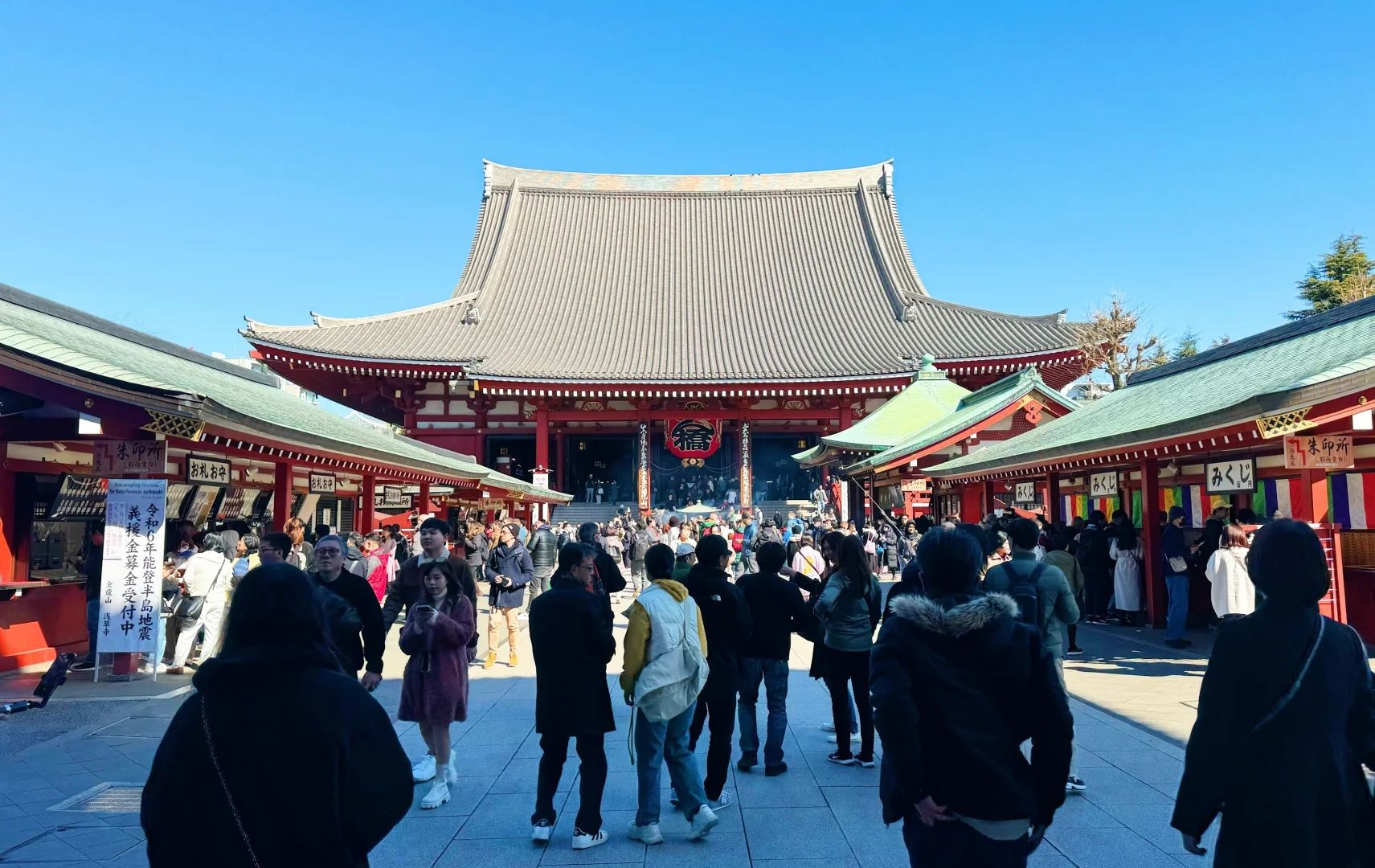
Senso-ji is Tokyo's required course, and the city's most famous human wall. After noon, Nakamise can become a slow luggage conveyor. Not because it is not worth it. Because the timing is wrong.
Arrive early, soon after opening. Around 7:00 often feels best. Main-hall hours shift slightly by season, often from about 6:00. Confirm the day's notice. Soft light, and fewer tour loudspeakers at the gate and the five-story pagoda. One of the best early-morning investments of a Japan trip.
Do not greed the route. Senso-ji plus a Nakamise snack loop is enough for a morning heavyweight. Stacking a Skytree summit, full Ueno museums, and Akihabara shopping wrecks one heavyweight per day. Deepen one of Skytree, the Ueno museums, or Akihabara. Leave the rest for night four or five, or the next Japan.
Kimono or yukata photos are fine, if dressing does not eat the whole faith morning. We write the rental radius and the timing into the plan. We do not default to shoot, then race west.
Best for almost everyone on a first Tokyo visit who wants shitamachi and the temple front-on. Crowd-averse guests keep Asakusa at dawn, then Ueno Park or a Sumida stroll, and swap a tower climb for a west-side view later.
East Marvel pacing: Asakusa always gets the morning slot. The same day does not diagonal to Shibuya for one more pin. An east day keeps one tower or one big museum, not both.
The west side: Meiji Shrine, Shibuya, and Shinjuku nights
The west is not two more malls. It is another Tokyo.
Meiji Shrine. Out of Harajuku Station into a planted forest that still goes quiet. Clap, bow, and leave the noise on Takeshita. Faith and fashion are minutes apart. Shrine first, Takeshita second. Never the reverse, with shopping bags into the trees.
Shibuya. Watch one full light cycle at the scramble. Hachiko, and Shibuya Sky or one high view: pick one. Construction and crowds are normal. Build slack. Do not write a ten-minute photo as the only goal.
Shinjuku. West of the tracks sleeps easier and views well. The Tokyo Metropolitan Government Building north and south observatories are currently free, about 202 meters. The towers rotate closure days. Check the official calendar before you go. Weather can shut the decks. East-side neon, Golden Gai, and Omoide Yokocho, Memory Lane, are the night product.
Stay: a first-timer default is often west Shinjuku, or a quiet street off Kabukicho. Sleep west, walk east for the night. Do not book the loudest block and still expect a 7 am Asakusa start.
Best for urban energy, night food, and hub convenience. Early sleepers and temple-only briefs compress the west to a Meiji half-day plus one dusk view, with nightlife off by default.
East Marvel pacing: a west day runs Meiji, then Harajuku or Omotesando, then Shibuya, then a Shinjuku night. Or a Shinjuku base plus one Golden Gai evening. Never fighting an Asakusa morning for the same legs.
The central layer: Imperial gardens, Ginza, Tsukiji Outer
Use the center on night 3 or 4, or as a rain backup.
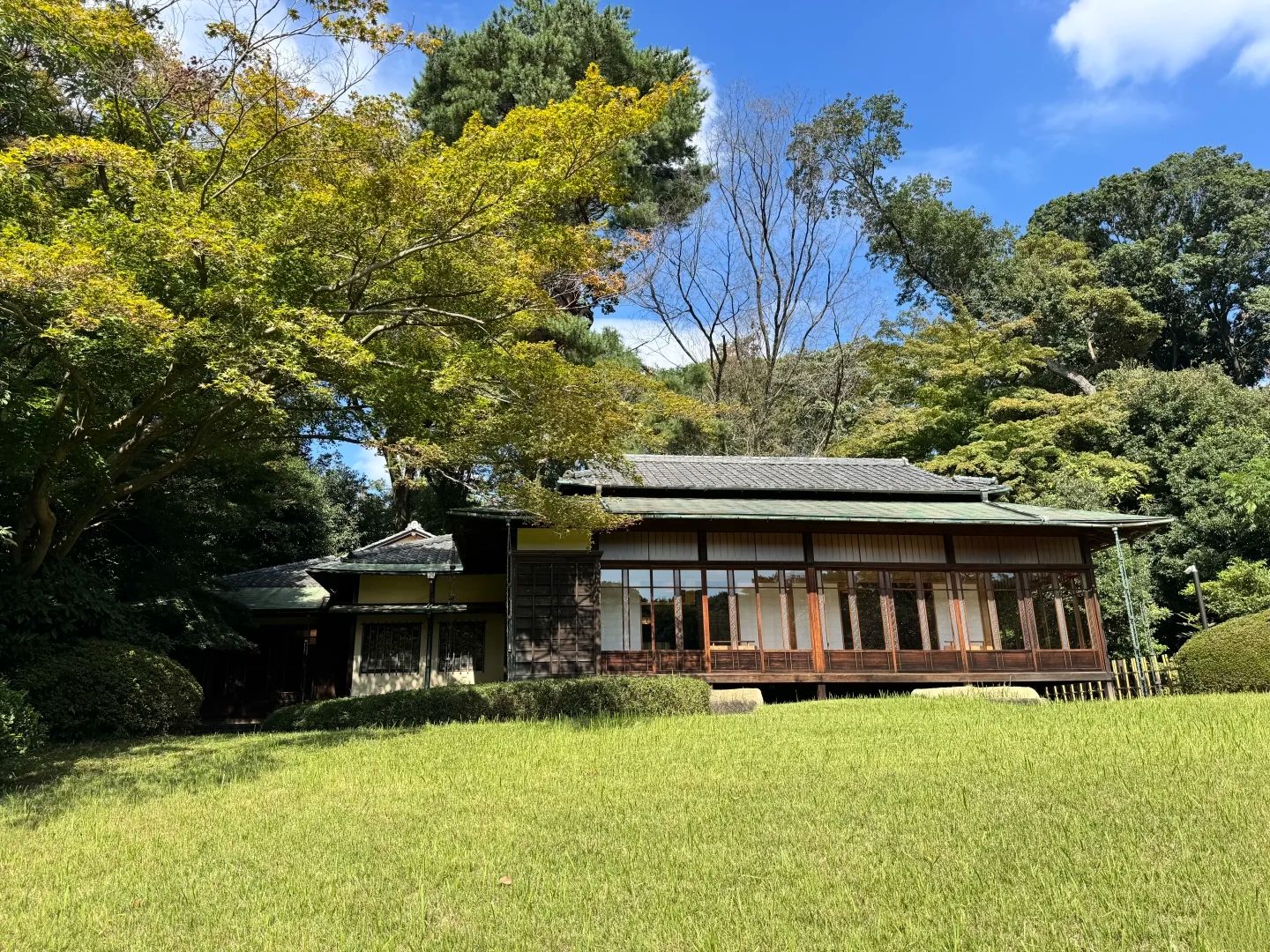
Imperial Palace outer gardens and the Nijubashi views. Lawns and skyline, walkable. We do not promise full palace access.
Ginza. Upscale streets and department-store basements. A reliable safe meal for seniors, children, or careful stomachs.
Tsukiji Outer Market. Still worth an early seafood stop and tamagoyaki. The inner market moved to Toyosu. A deeper market day goes there. Do not sell old Tsukiji as the same product.
teamLab and the contemporary layer. Timed tickets. Borderless is now at Azabudai Hills, not the old Odaiba site. Planets is in Toyosu. Lock the venue and the slot at booking. Half a day is enough. Do not triple-stack it with an Asakusa dawn and a west night.
East Marvel pacing: the central layer is a valve. Shopping, indoor time, and a buffer before Tokyo Station. It is not a raid on the east or west nights.
Food and daily life
Tokyo's best eating is not one viral sushi counter. It is by district and hour.
Asakusa and shitamachi. Ningyo-yaki, tempura houses, riverside set meals. Morning, and snacks while you walk.
Shinjuku and Golden Gai. Yakitori, standing bars, tiny izakaya. A night product. Small seats. Book, or accept a queue.
Shibuya and Harajuku. Youth dens and sweets. Serious dinners often sit one alley off.
Ginza and Tokyo Station. A depachika is the city's refrigerator: bento, sweets, famous counters. An ally on a hot day or a luggage day.
Konbini and station food. Not a compromise. Part of daily Tokyo. A hot canned coffee before the last train is proof you moved in.
East Marvel meal rule: at most one formal reservation meal per day, sushi or wagyu or a high izakaya. The rest goes to markets, basements, and alleys. Allergies in writing. Asakusa in the morning, Shinjuku at night, depachika as backup. The stomach stays intact, so the city does too.
When to go
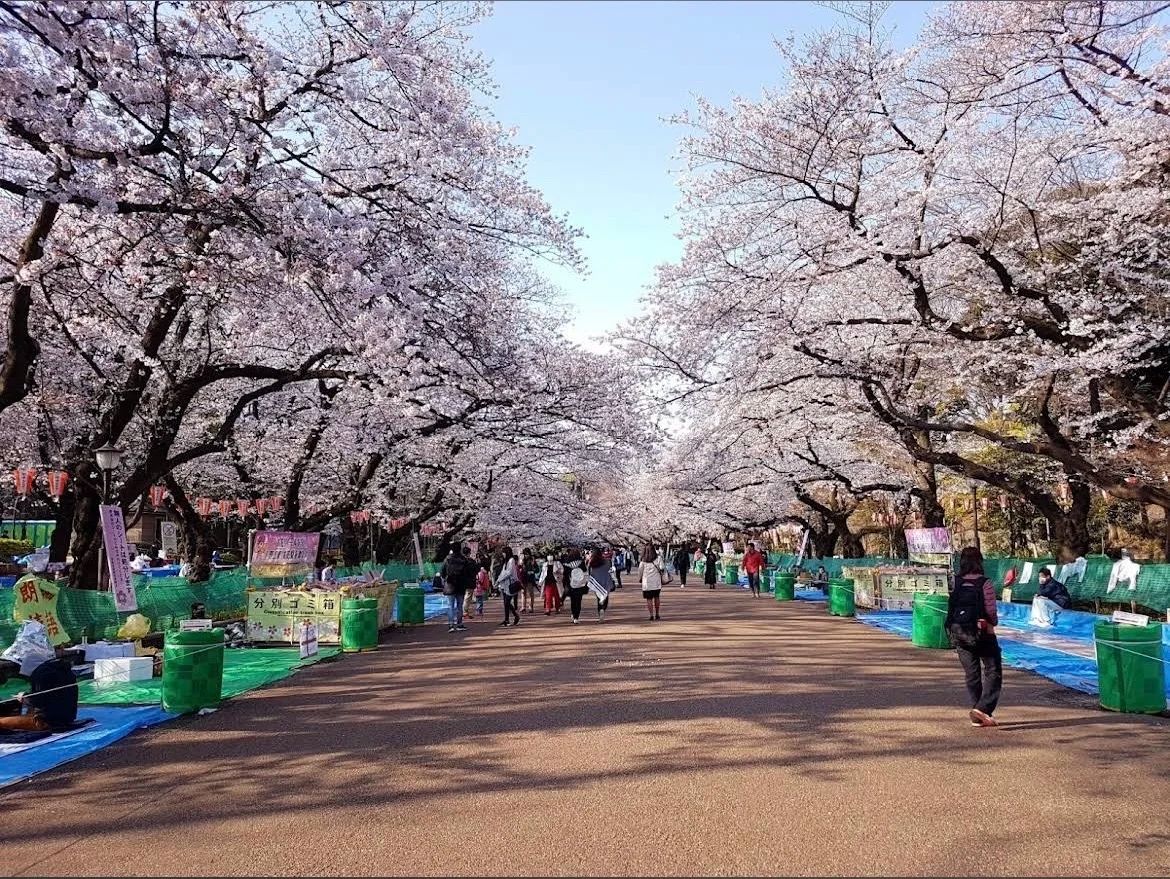
The comfort default is late October through November, and late March through early April for the sakura window. The walking is easy. Blossoms and foliage are beautiful, and hotels plus timed tickets must lock early. Peak bloom floats by the year. We book rooms to the forecast, not to a frozen must-open date.
Crisp winter, December through February, is a dry cold. Crowds are more manageable except at year-end and New Year. Good for museums, ramen, and onsen day trips.
Plan around Golden Week, late April into early May, Obon, and year-end and New Year. Transport and hotels spike. Shift the month if you can. If not, lock early and drop the gambling day trips.
Hot, humid summer, July and August, is doable with early and late outdoor blocks, indoors, and water. Fireworks are beautiful and brutal. Book them as a dedicated ask, not as a default inside a first three-night stay.
The rainy season, around June, brings common showers. Museums, depachika, cafes, and timed indoor venues are the spine. Shrink the outdoor windows.
How to spend 3–4 nights
Slow first, heavyweight second, blank last. One heavyweight per day. Cluster east, west, and central. No diagonal sprints.
Day 1, soft landing. Arrive at Narita or Haneda. Check in. Learn the trains and the konbini. An evening stroll near the hotel, and an easy dinner in a depachika or the hotel belt.
Day 2, east, old Tokyo. Senso-ji early, Nakamise snacks, then deepen one of Skytree, an Ueno museum, or Akihabara. An early wind-down, or a Sumida walk.
Day 3, the west. Meiji Shrine, then Harajuku or Omotesando, then the Shibuya crossing and one view, then a Shinjuku night: Golden Gai, Omoide Yokocho, or the Metropolitan Government observatory.
Day 4, central or blank. The outer gardens plus Ginza or Tsukiji Outer. Or teamLab for half a day, Borderless at Azabudai or Planets in Toyosu, locked in advance. Or a cafe, a station basement, and a buffer for the Shinkansen or the next city.
Three nights only. Cut the day-4 central layer. Keep the east dawn and a full west day and night. Art and day trips wait.
Five nights. Day 5 is one day trip: Kamakura, Hakone, or Nikko. Pick one. Sleep early the night before. Do not stack it on a west nightlife night.
If only 2 nights: keep the Asakusa dawn, plus a west half-day and night. Cut the center and the day trips. It works, but it is thin. We mark classic against full-layer on the quote.
Stacking with Kyoto and Osaka: Tokyo for 3–4 nights, then Kansai, or Kansai and then a Tokyo exit. Both work (see our Japan tour packages). Do not open Japan with two Tokyo nights and call the capital finished. Even on a tight route, protect one complete Tokyo face.
Practical information
Where to stay. Shinjuku, especially the west, has the deepest train lines and the most hotels. A frequent first-timer default. Quiet streets over the Kabukicho core. Shibuya and the Harajuku belt are young and loud, fine for 2–3 nights. Light sleepers should beware. Asakusa and Ueno, in the east, are temple and shitamachi, with quieter evenings. Best for the old-Tokyo face and early risers. Ginza, Tokyo Station, and Marunouchi are pricey and polished, with an easy Shinkansen. Seniors, business, fewer transfers. Never default a hotel in the loudest nightlife core if an Asakusa dawn is on the plan.
How to move. In town, metro and JR, the Yamanote first. Load a Suica, a Pasmo, or the current visitor IC before you need it. Card types shift. Confirm before the trip. Sightseeing days often run an English-speaking guide plus public transit, or a private car when the party needs it. Tokyo traffic is slow and parking is dear. A car is a tool for seniors, heavy luggage, or a day with several stops. It is not the default way to save money. Haneda is closer, Narita is farther. Write the pickup buffers. Big bags avoid the peak diagonal transfers.
Etiquette and bookings. At shrines and temples, stay quiet and follow the photo signs. The Meiji forest especially dislikes noise. Book a serious sushi counter or a popular izakaya. Carry a backup and a queue plan for walk-ins. Few public bins. Carry trash out. That is manners, not hardship.
How to start. Send the month, the Tokyo nights you have, the ages in the party, whether an Asakusa dawn works, where you want to stay (a Shinjuku hub, quiet Asakusa, or clean Ginza), whether a day trip is in and which one, allergies, and luggage size. East Marvel locks the east and west layers and the key bookings first: Asakusa timing, the Meiji order, the teamLab venue, the views and the dinners. Hotel romance and blank hours come after.
About East Marvel
East Marvel builds private Asia trips for Western and international guests, with the same method as the Bangkok guide on why that city wants at least 3–4 nights. We do not ask whether a place is viral. We ask whether the brief is shitamachi, the west side, the central business belt, or a day trip. Asakusa gets the dawn. The west clusters by the map. Nightlife is graded to sleep, and to tomorrow's plan.
Related reading, as those guides are published: why Bangkok wants at least 3–4 nights, and what Western eyes see in Japanese tea. For the next stop on your journey, see our Osaka Travel Guide to decide how many nights to allocate in Kansai.
FAQ
Are 3 nights enough for a first visit? Enough to see one east temple layer and one west city layer. Four nights add the center or a contemporary layer. Five nights comfortably host one day trip. On a very short Japan, 2 nights work if you accept a thinner city.
Can Asakusa really feel less crowded? Dawn, and cutting the tower and museum stack, changes the day. Not a zero-people guarantee. The odds shift in your favor.
Good with seniors or kids? Yes. Asakusa and the outer gardens stay gentle. West-side crowds can be shortened. Stations mean stairs. We write the elevator lines and the fewer transfers. A local car when it is needed.
Best time to go? Spring and autumn comfort windows first. Sakura and foliage need early locks. Avoid Golden Week and year-end if you can. Summer works with early and late outdoor blocks.
Shinjuku or Asakusa? Hub and night: west Shinjuku. Temple and early quiet: Asakusa. On 4 nights or more you can split two in the east and two in the west. The face change is worth it. The moving day is not a sightseeing day.
Is the Metropolitan Government observatory really free? The north and south decks are currently free. Closure days rotate, and weather can shut them. We write "subject to the day's opening," and keep a paid view as backup.
Closing
Tokyo is not a gate you finish on the way to Kansai. It is a layered capital that opens only when you stay: Senso-ji bells and incense at dawn, Meiji gravel quiet, scramble light cycles, smoke behind a Shinjuku noren, a depachika bento as daily proof.
When time is short, the win is not more pins. It is knowing which layer earns a full day, and ordering east, west, and central so the fragments become a stay: slow first, heavyweight second, blank last.
When you are ready to turn Tokyo from a gateway into a capital you live in, send the month, the nights, and who is traveling. East Marvel will put the Asakusa dawn, the west-side clusters, and the key bookings on the written itinerary.