An East Marvel guide. Updated November 2026.
Isan is the week for someone who has already walked Bangkok, Chiang Mai, and a beach, and who will sit in a car for three hours to have a ruin at dawn. It is worth its own trip. The Khmer stones and the Udon week are not on our fifteen published itineraries, and Isan has no destination page. Khao Yai is already one day on the 12-day Bangkok, Chiang Mai, and Krabi route: into the park in the morning, Haew Suwat, and back to Bangkok that night. The nights in the hills, and the rest of this week, are how the email quote gets built.
Send this week if you want ruins, a mountain forest, a lake, and a vineyard, with space between them. A first trip that still wants the classic cities and the sea should start there. Five days is enough for one of the three routes below. The ten places sit in four provinces. Put all of them into three days and the holiday is the drive.
When to go
The figures are Thai Meteorological Department normals for 1991–2020, Nakhon Ratchasima for the southern ruins and Udon Thani for the north of the region.
November to February is the comfortable stretch. At Korat, days run about 30–34°C and nights about 19–22°C. December is the driest month there, about 3 mm. Up in Udon, December and January nights average about 17°C. All ten places work in this window. The red lotus flowers inside it, December into February. Phanom Rung's sunset alignment falls around 5–7 March and 5–7 October, so March is the edge of this season and October is the edge of the rains.
March to May is inland heat, heavier than Bangkok. April afternoons at Korat average about 37°C. The highest April reading in that 30-year set is 43.2°C. Walk the ruins from seven to ten in the morning. The sunrise alignment around 3–5 April is the busiest of the year, and a festival comes with it.
May to October brings the afternoon storms. September is Korat's wettest month, about 239 mm. The stone is cooler, the grass is green, and the courtyards are quiet. Khao Yai's waterfalls run full, and the trails are slick.
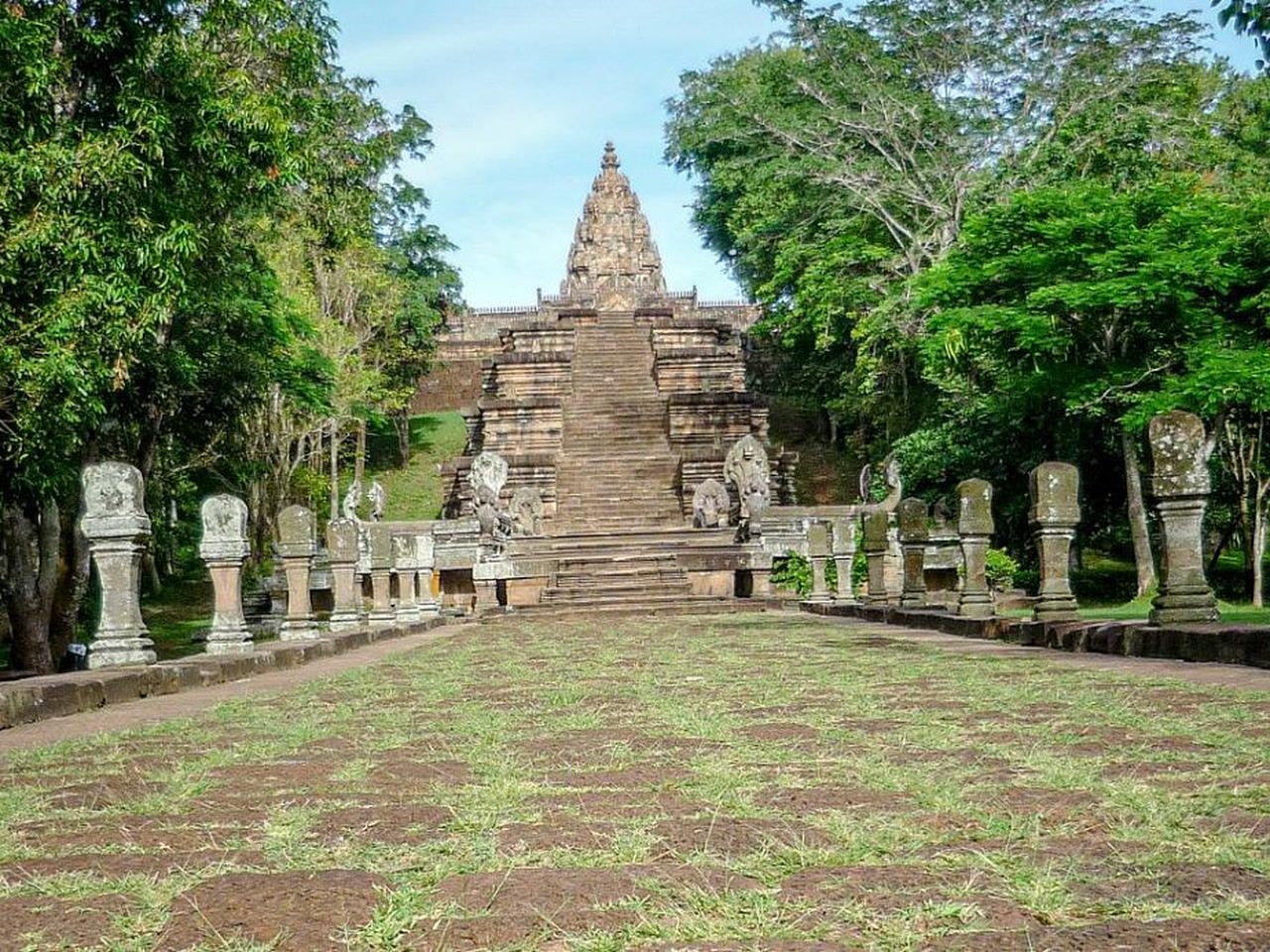
Phanom Rung puts the sun through all fifteen doorways four times a year. Sunrise comes through them around 3–5 April and 8–10 September. Sunset comes through them around 5–7 March and 5–7 October. The dates move a day or two, and the park's own announcement settles the year. You see it only if the sky is clear. April is the crowded sunrise. September is the quiet one. If you want the photograph, take September and be on the causeway before the sun.
Three routes, not one list
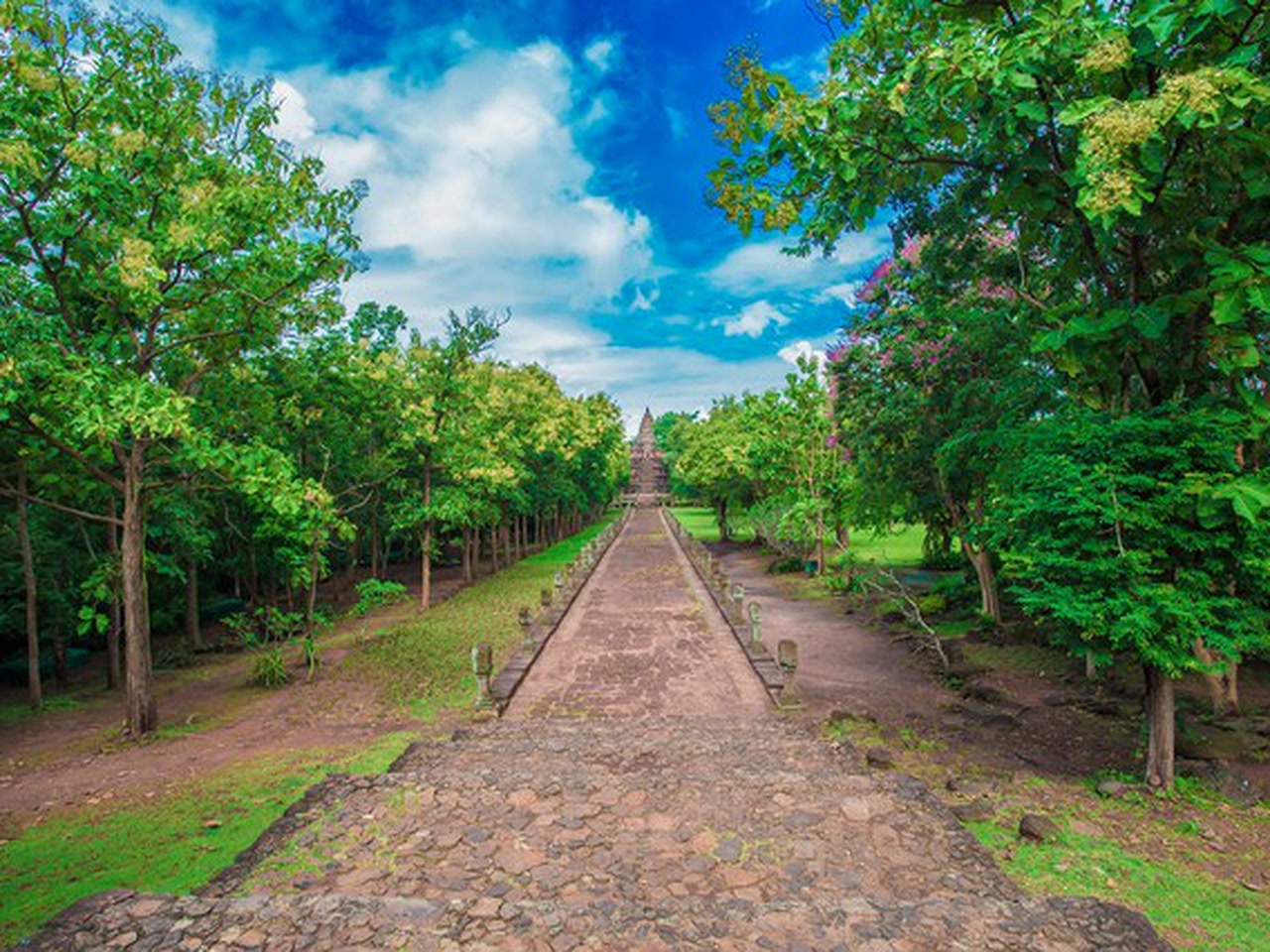
These places look close on a map of the northeast. In a car they run in three directions.
Khao Yai, from Bangkok
The park is about three hours from Bangkok, and it was proclaimed Thailand's first national park in 1962. It also sits inside the Dong Phayayen–Khao Yai Forest Complex, listed in 2005. Leave the city after lunch and sleep in the hills. Two or three nights are enough, and the park stands on its own if the rest of Isan can wait. The day already printed on the 12-day route does not include that night.
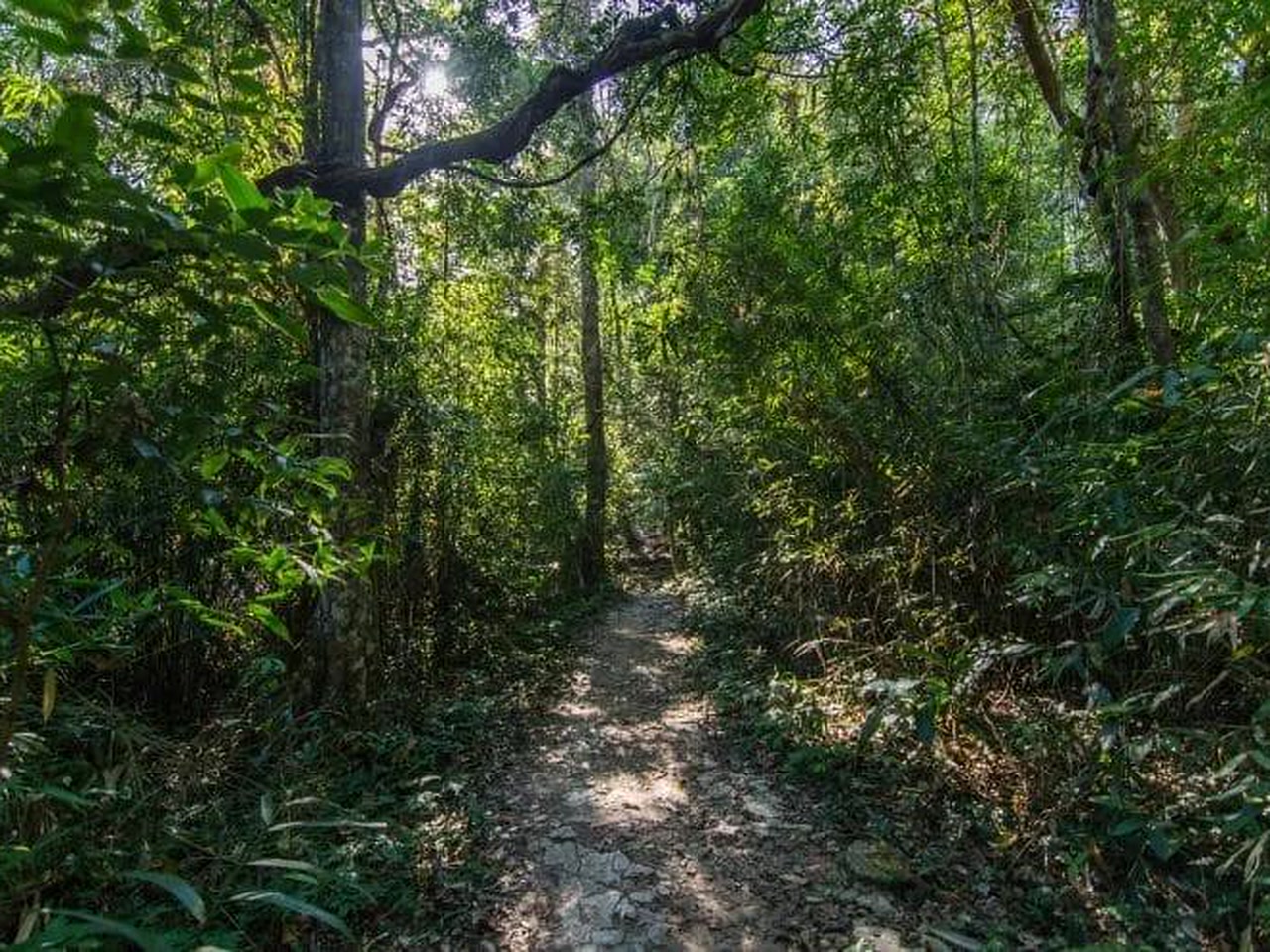
Walk a trail at dawn. Elephants, gibbons, and hornbills are real possibilities on that walk. A possibility is not a sighting, and we will not put a tiger on the day sheet. Haew Suwat and Haew Narok are the falls. In the rains they are full, and the path is slippery.
GranMonte is in Asoke Valley, beside the park, at 350 meters. The estate grows Syrah, Chenin Blanc, and Cabernet Sauvignon and pours them as Khao Yai wine. Take the vineyard in the afternoon, after the trail.
The Khmer stones
Phimai, in Nakhon Ratchasima, is a late-11th- to late-12th-century temple at the far end of the old road from Angkor. The axis is the same idea you meet at Angkor, on a site you can walk in a morning. If Angkor is already behind you, you will recognize the plan. If it is not, Phimai still holds as a ruin with room around it.
Phanom Rung, in Buriram, stands on an extinct volcano, in sandstone and laterite, built and rebuilt from the 10th to the 13th century. The sanctuary was dedicated to Shiva. You reach it up a naga staircase, so the walk is a climb. At dawn on an ordinary day the staircase can be yours and a few local visitors, with the plain below.
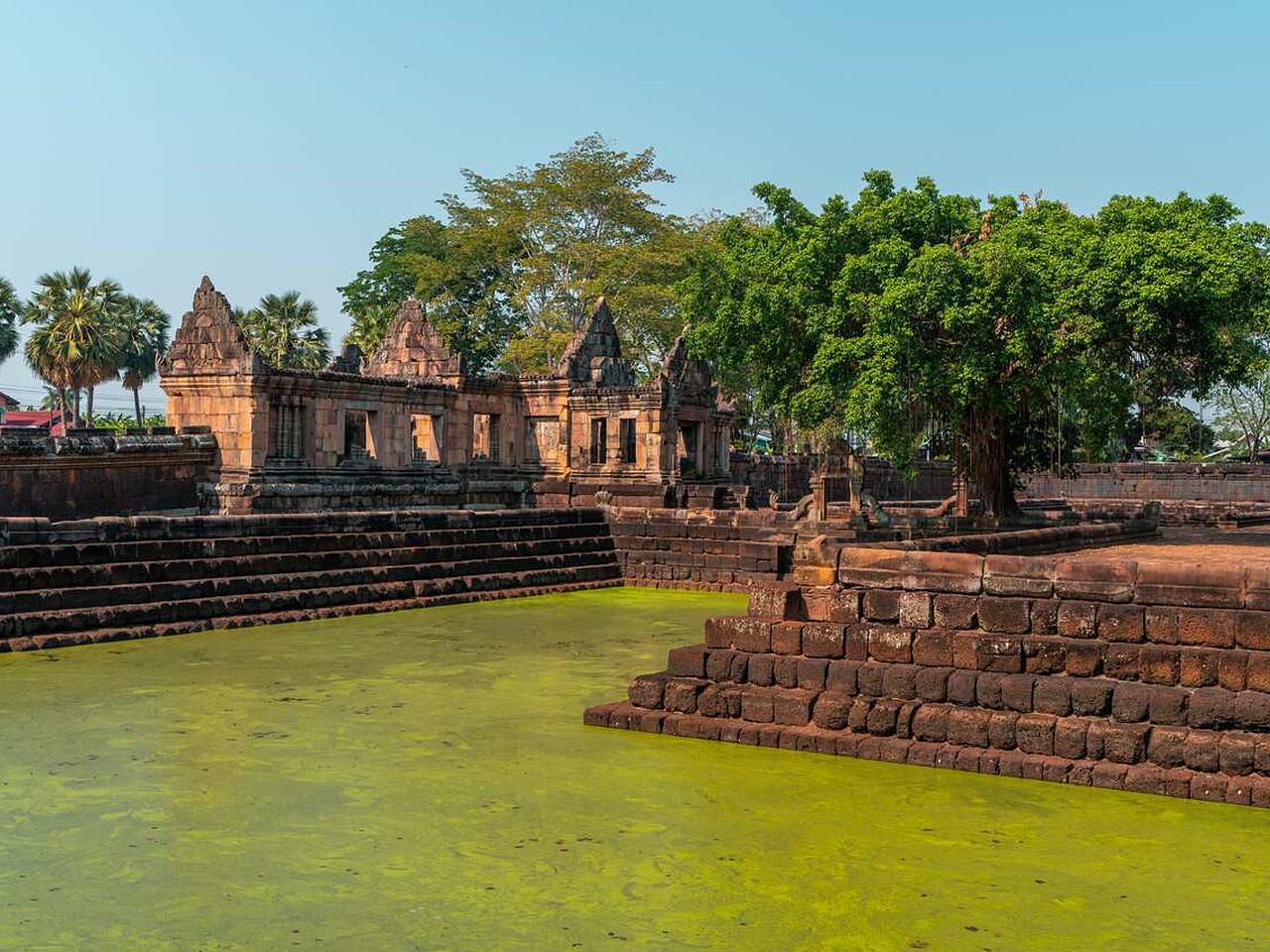
Prasat Mueang Tam is about eight kilometers from Phanom Rung, a smaller sanctuary from around the 11th century. Four L-shaped ponds surround it. That is the part Phanom Rung does not have. Give the two the same morning.
Udon and Khon Kaen
Udon Thani is still the only province in Thailand with two World Heritage sites. Phu Phrabat joined Ban Chiang in 2024. The site inscribed in July 2026, Wat Phra Mahathat Woramahawihan, is in Nakhon Si Thammarat, so Udon still has the only pair.
Ban Chiang was inscribed in 1992. The museum holds the pottery, the bronze, and the burials. The site itself is a quiet mound. Put the hour at the cases.
Phu Phrabat, in Ban Phue, west of the city, was inscribed as a testimony to the sima-stone tradition of the Dvaravati period. The visit is still the rocks: shelters, paintings, and the stones, in morning light. It is about an hour and a half from Udon. At noon the rocks go flat.
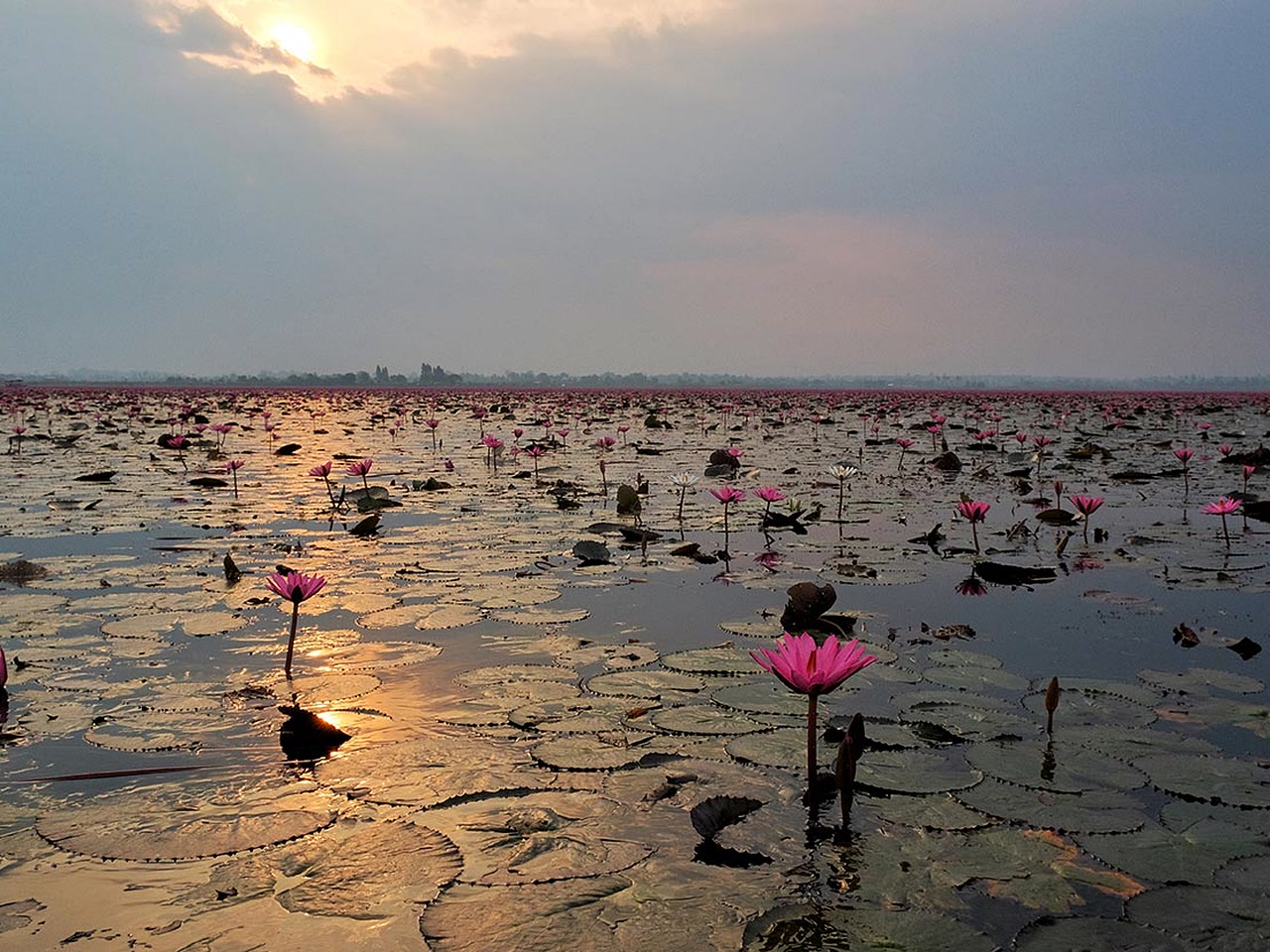
Red Lotus Lake, Talay Bua Daeng, is in Kumphawapi, south of Udon. The boats go at first light, because the flowers close as the sun climbs. The bloom usually runs December into February, and it varies by year. Outside those months we leave it off the plan. Confirm the flower before we lock the week.
Wat Pa Phu Kon is a white monastery on a hill, with the countryside laid out below. Go early, while the courtyard is still quiet.
Phra Mahathat Kaen Nakhon, at Wat Nong Waeng in Khon Kaen, is a nine-storey stupa and a working pilgrimage place. Cover your shoulders and your knees. Leave space around a monk.
Getting there
Buriram is a Thai AirAsia flight from Don Mueang. The winter timetable has run a morning and an afternoon. Udon Thani and Khon Kaen have flights from Bangkok through the day, about an hour to an hour and twenty minutes in the air. The week you fly settles the clock.
The State Railway runs overnight trains from Bangkok through Nakhon Ratchasima to Udon Thani and Nong Khai. A berth is how you sleep through the transfer. The railway's own notice has the cars.
Between the stops, the day is a private car. A bus cuts the morning into pieces. Phanom Rung and Mueang Tam share a morning. Phimai, Khao Yai, and Udon do not.
What the plan leaves off
No elephant riding. Wildlife at Khao Yai stays a possibility, not a highlight. Isan silk around Khon Kaen and Buriram is worth buying. If you want to see it made, say so, and the guide takes you to a weaving workshop. We do not put ten places into three days.
Isan needs its own costing: rooms, the car, the language your guide works in, and the airports you use. Send the dates and the pace. We send a plan and a price. The email quote is the price.
East Marvel has designed private Asia journeys since 1988. The trip is planned at our U.S. headquarters and led on the ground by licensed English-speaking guides. Our guides and our proposals work in English. If someone traveling with you is more at ease in Chinese, say so when you write, and we will plan for that.
The fifteen published itineraries are at eastmarvel.com/thailand/packages.html. Isan is quoted separately. Write to contact@eastmarvel.com with your month and which of the three routes you want.
Alignment dates, flower seasons, flights, and trains follow that year's notice from the park, the lake, the airline, and the State Railway. Temperatures follow the 1991–2020 normals and will differ in a given week. This page is travel guidance for planning a private trip.