Thailand Monsoon (Green Season) Travel Guide: Where to Go, What to Do, What to Pack
Navigate Thailand's monsoon season with month-by-month coastal guides, weather tips, and packing advice. Plan your green season trip with our Bangkok team.
When to go
Decision articles first — then destinations, then tours
From our team on the ground: seasons, months, Bangkok nights, islands, papers, and ethical wildlife.
Cool, hot & green: the big calendar decisions before you lock hotels or a coast.
Navigate Thailand's monsoon season with month-by-month coastal guides, weather tips, and packing advice. Plan your green season trip with our Bangkok team.
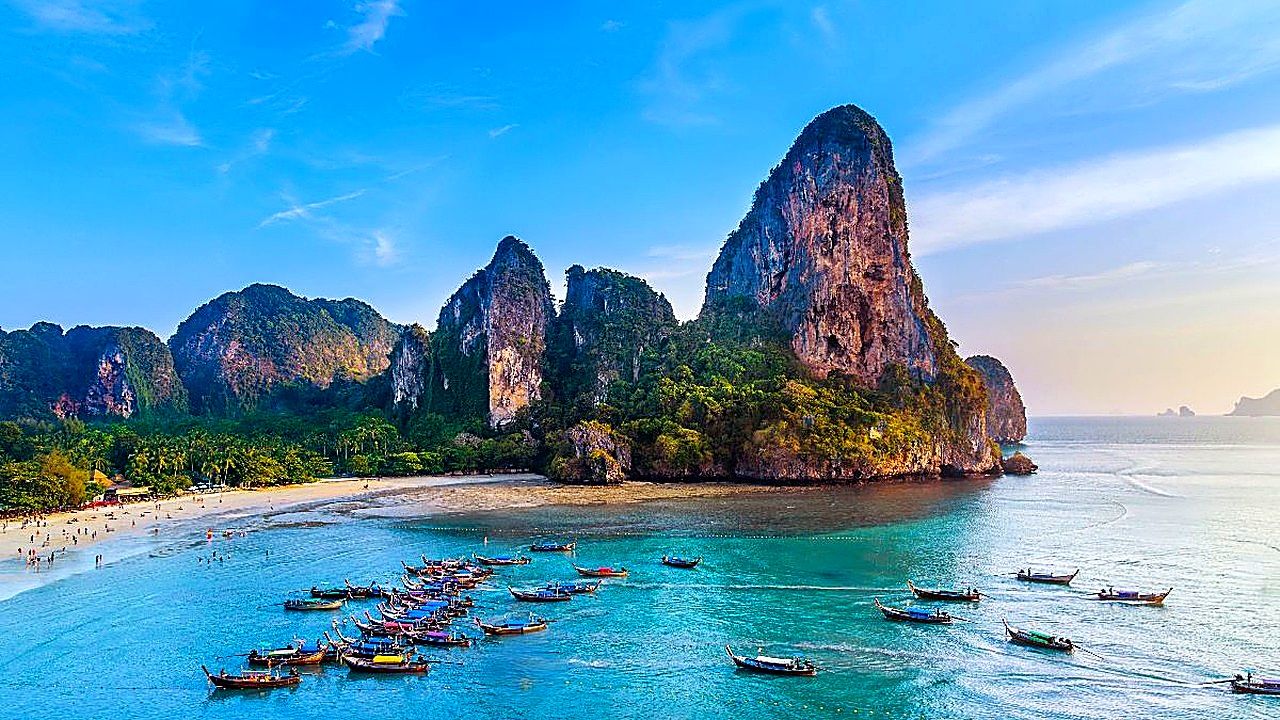
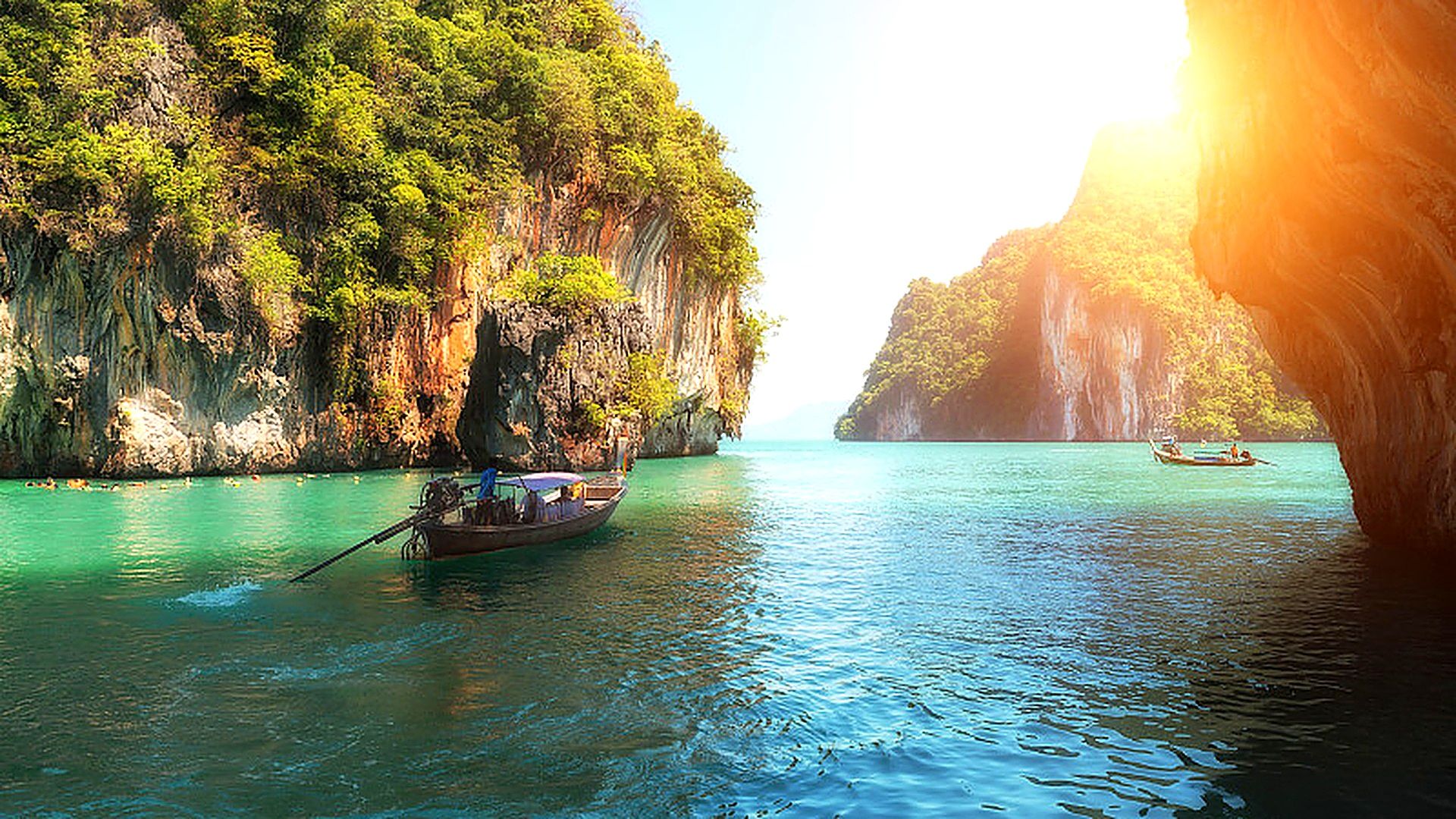
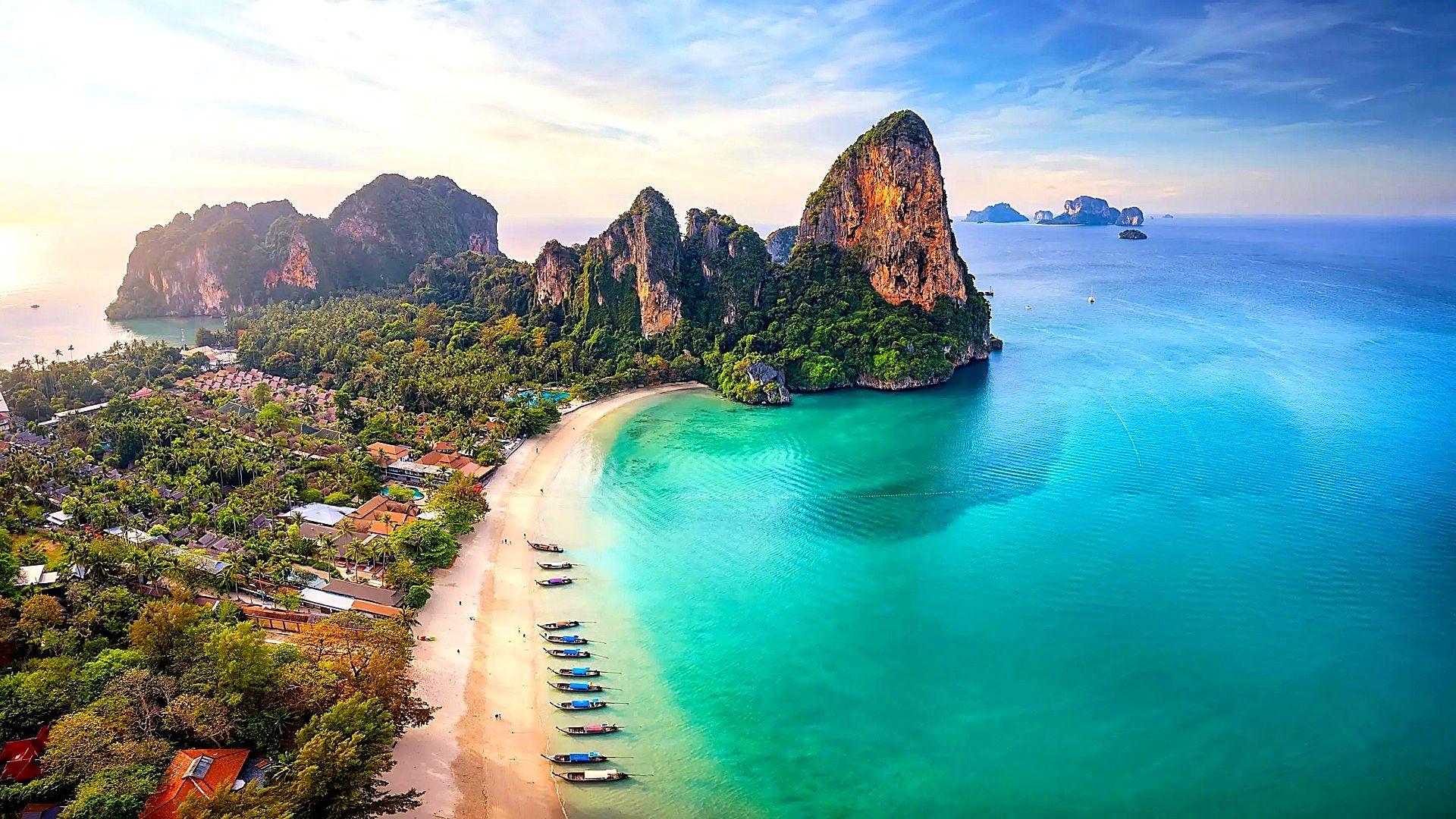
Thailand is not a December-only destination. Cool season is easiest. Hot season is dry but fierce. Rainy season is greener and often cheaper if you plan for short storms. Pick the coast as carefully as the month.
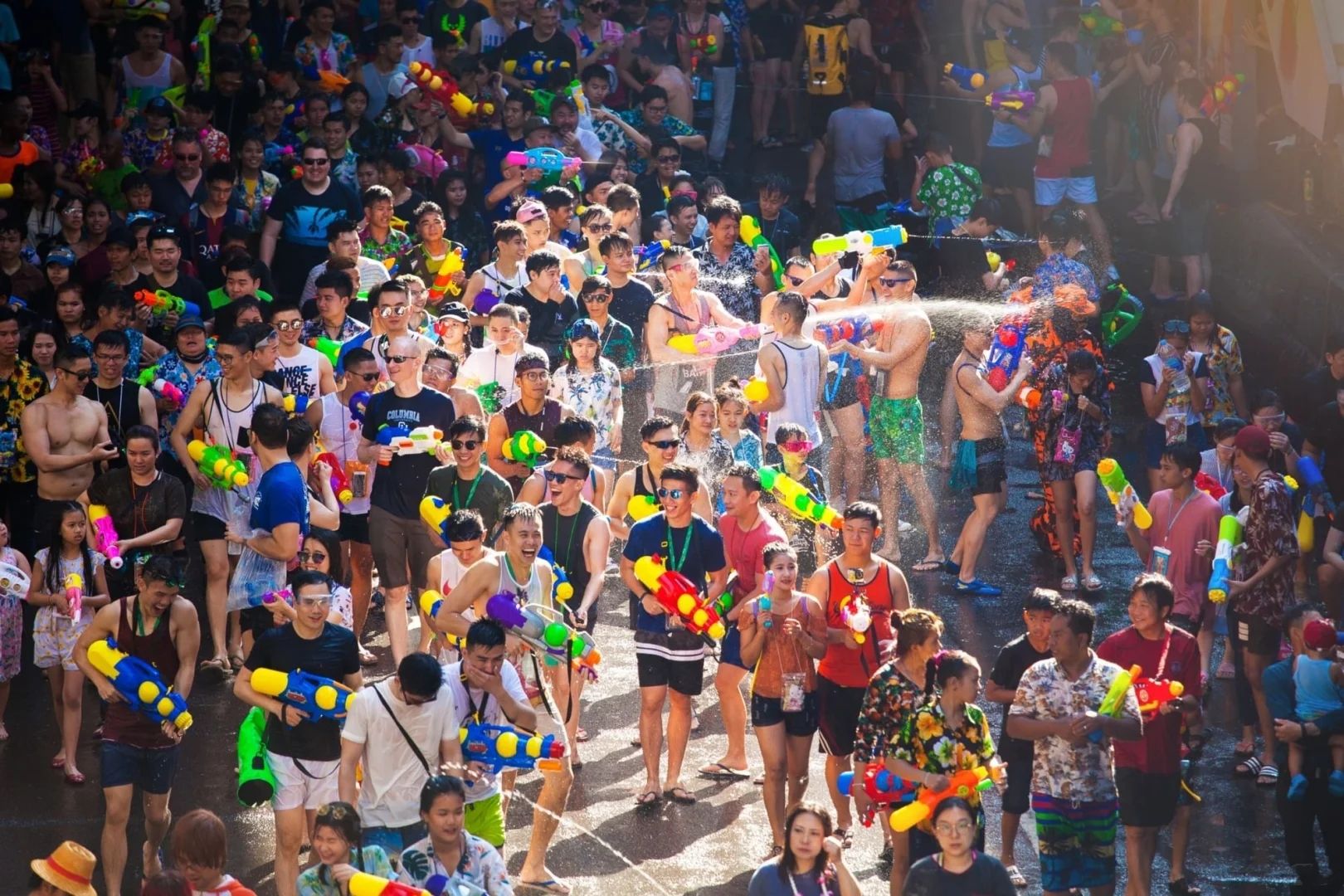
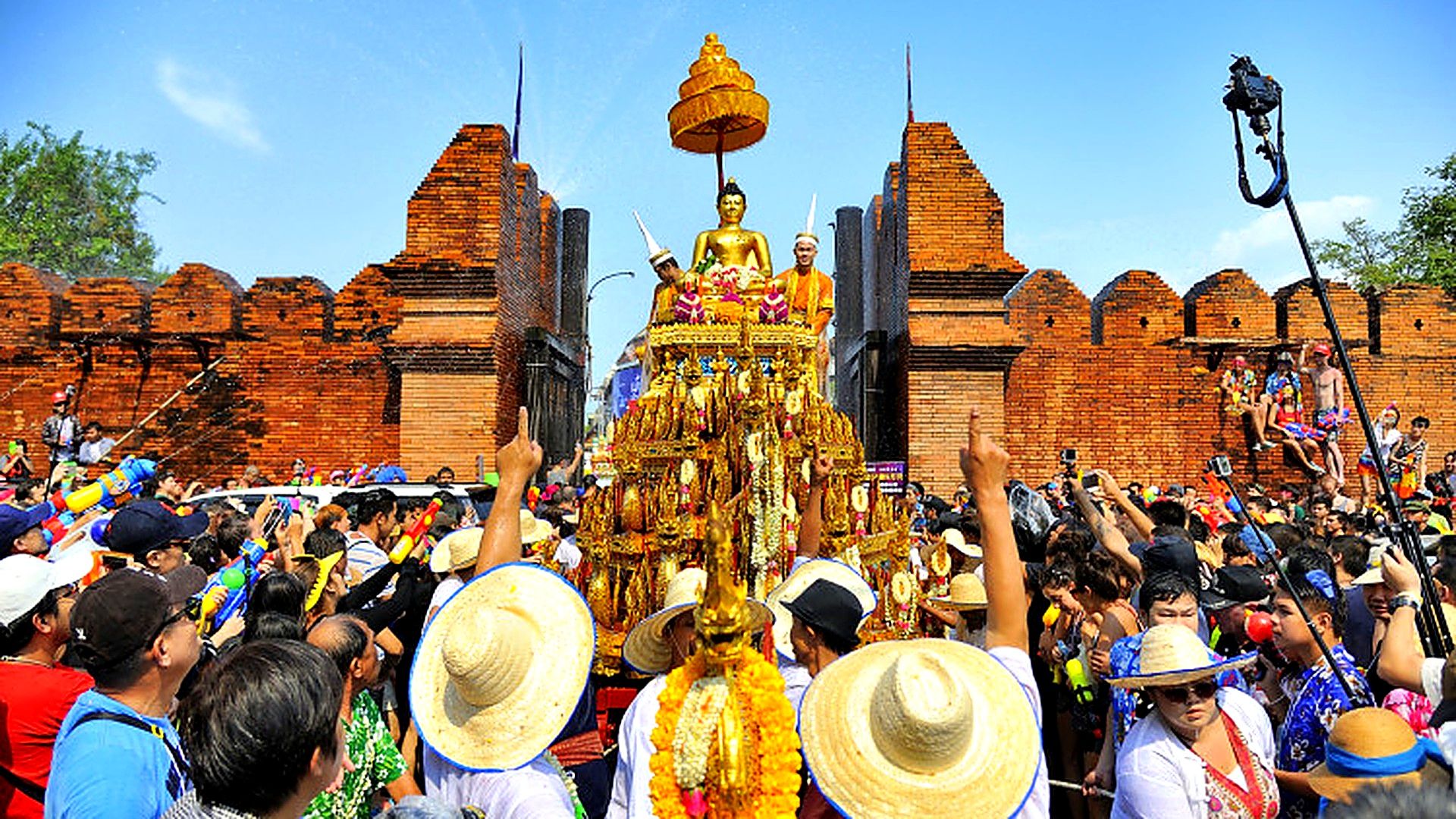
Songkran is not a normal peak season. It is hot, wet, pricier—and genuinely fun if that is what you came for. Decide first whether mid-April is right for you. Then choose Bangkok, Chiang Mai, or the islands, and know the etiquette and what your quote includes.
Do not assume Thailand is temples by day and night markets by night. Bangkok’s incense runs beside the morning commute; Chiang Mai moves to temple bells and lanterns; Isan beats with drums and Mekong light boats; the South holds the call to prayer and the temple bell on one street. Pick your kind of day and night first—then plan the trip.
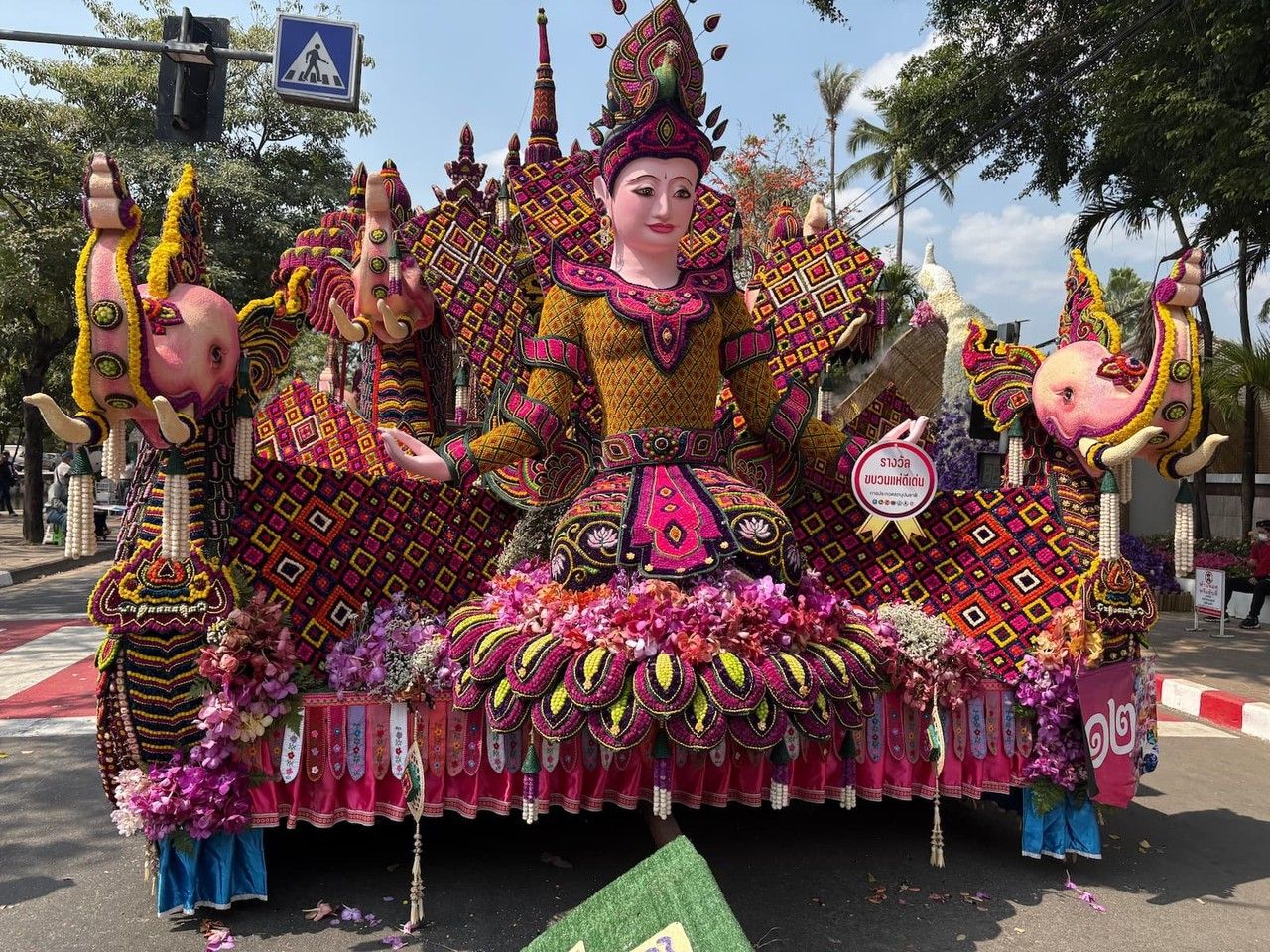
The 50th Chiang Mai Flower Festival will most likely fall on 5–7 February 2027. The flower-float parade usually runs only once—on Saturday morning. Keep your dates flexible, choose a viewing spot and an Old City hotel, then fold the festival into Chiang Mai without rebuilding your whole Thailand trip.
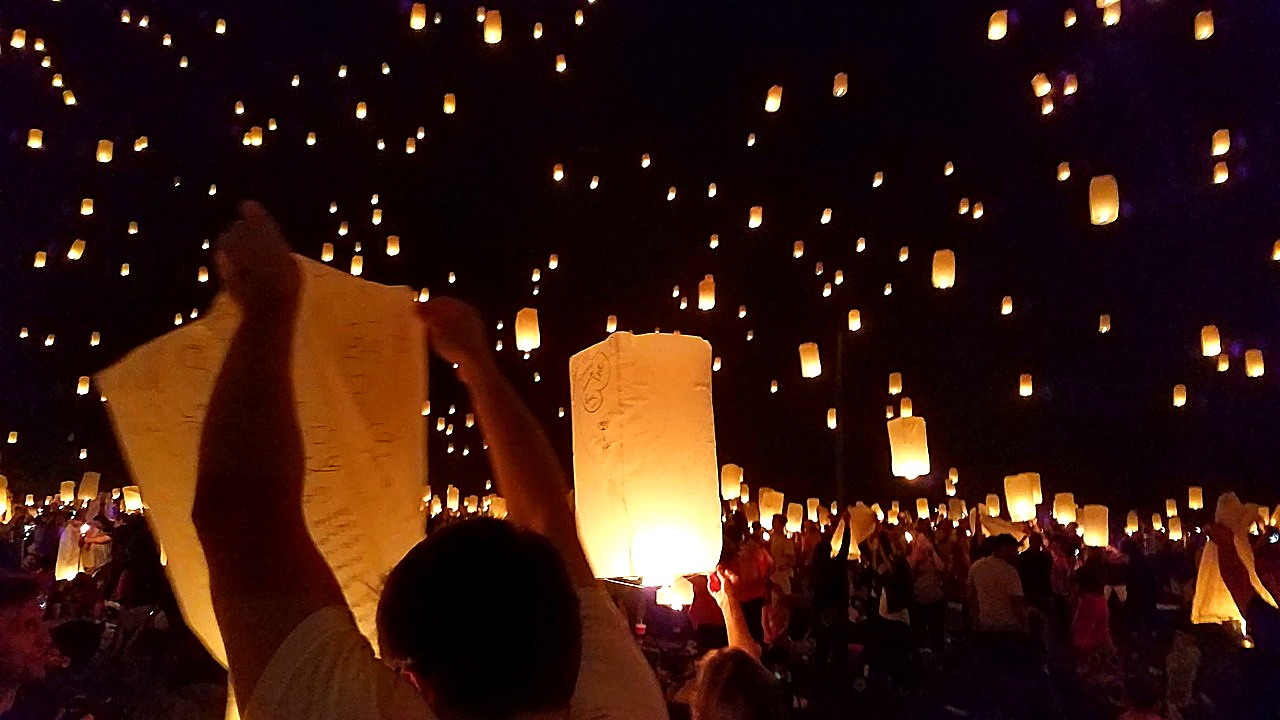
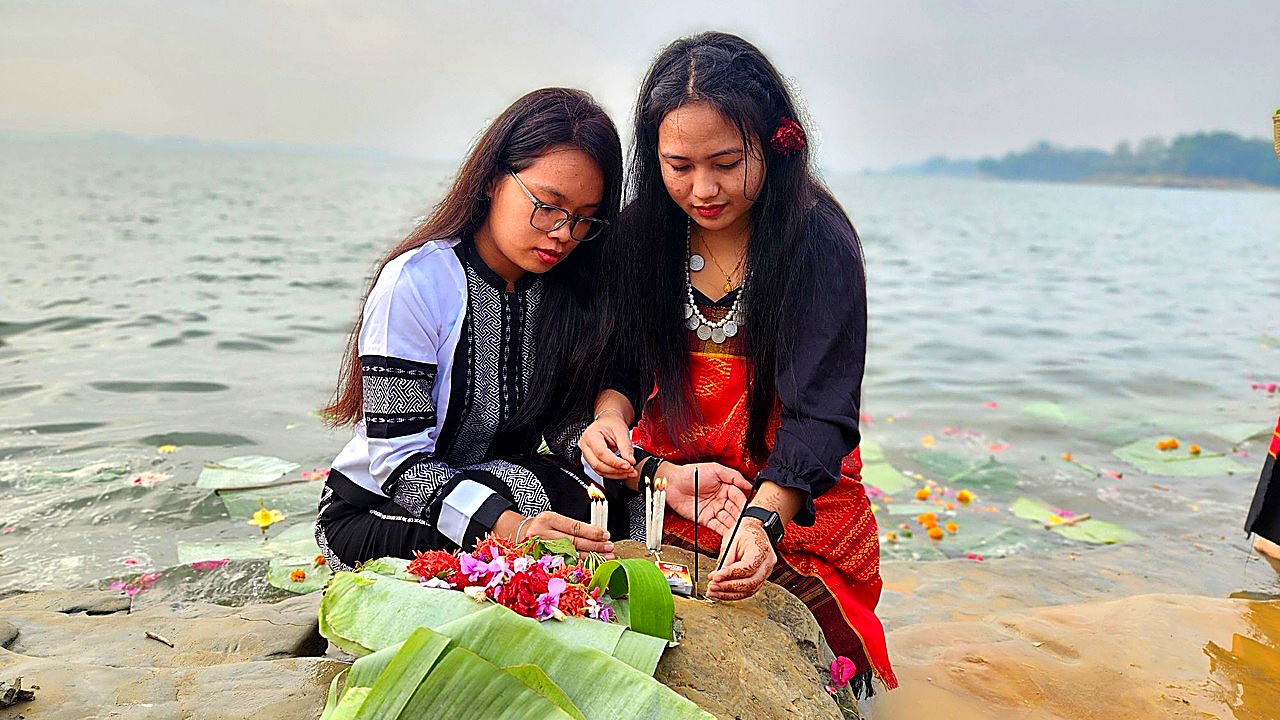
Loy Krathong 2027 falls on Saturday 13 November. Twenty minutes on the water are yours—then the city fills. Hold 13–14 Nov until Chiang Mai and Sukhothai post their nights.
Weather windows that change the coast.
January is Thailand’s steadiest cool-season month—clear Andaman seas, cool northern mornings, and peak demand. Book villas and Similan boats 2–3 months ahead for 2027 dates.
February 2027 is Thailand’s steadiest comfort month—clear Andaman seas, cool northern mornings, Chinese New Year on 6 Feb, and Makha Bucha late month. Book villas and Similan boats 2–3 months ahead.
March 2027 opens hot season on land—and puts both Thai coasts in a clear, calm marine window. Skip the smoky north, lean into islands, and book Similan boats early before Songkran.
April is Thailand’s hottest month—and its biggest festival. Songkran turns cities into water, both coasts stay clear, and Similan is still open before mid-May.
May is Thailand’s value transition—heat easing into green season. Pick the Gulf for beach days, go early if you want the Andaman, and keep mornings outdoors.
June opens green season—softer rates, quieter sights, and beach days that still work on the Gulf. Pick Samui over Phuket, and keep mornings outdoors.
July is mid green season—lush north, softer rates, and beach days that still work on the Gulf. Pick Samui over Phuket, and keep mornings outdoors.
August is peak green season and soft rates—if you pick the Gulf, not the Andaman. Short showers, lush north, and beach days that still work on Samui.
September is peak green season and peak value—if you pick the Gulf, not the Andaman. Short showers, empty sights, and room rates that finally behave.
October is when neither Thai coast is at its best—and when prices hit the floor. Skip daily island-hopping; build city, inland and near-shore days instead.
November is Thailand’s monsoon switch-over: choose the Andaman for beach days, book Loy Krathong and Yi Peng early, and treat Samui as a hard bet—not a default.
December is Thailand’s highest-certainty weather month—and the hardest to book. Prefer the Andaman for calm seas; treat Christmas–New Year as peak pricing; copy a 7- or 10-day route as written.
Nights, papers & the first-trip default: how long to stay, what to file before you fly, and a route that usually works.
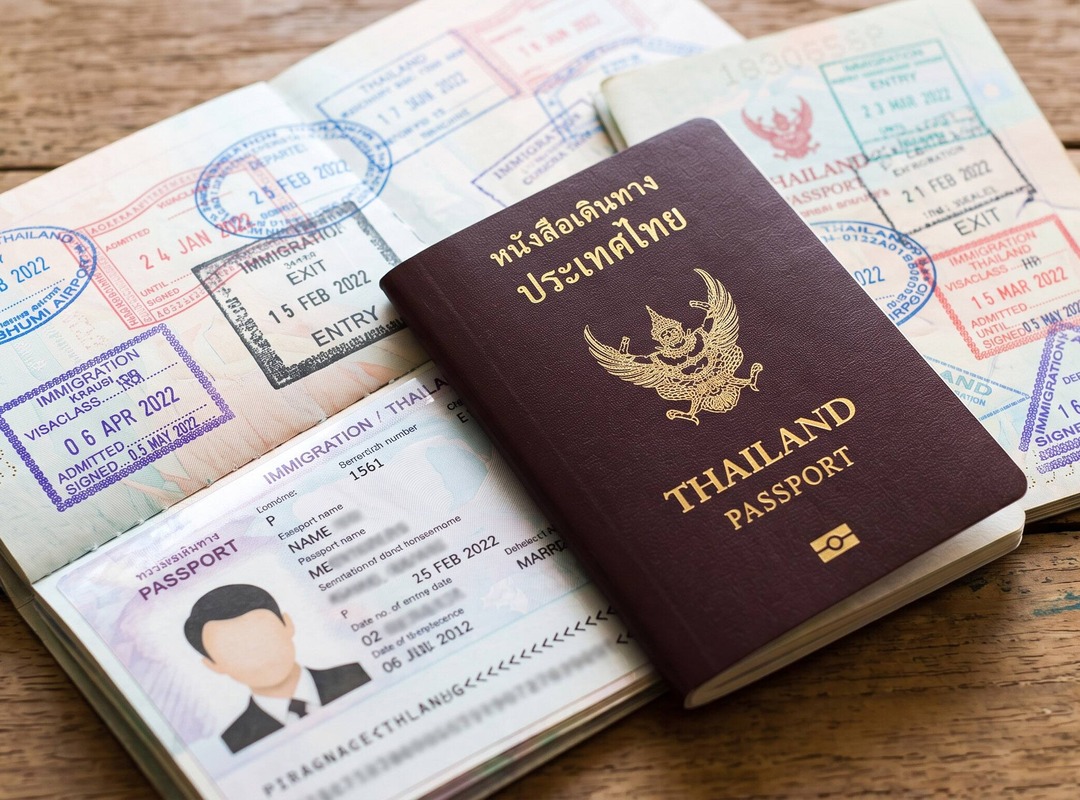
Most travellers refused entry are missing paperwork, not welcome. Fix passport validity, file the free TDAC within 72 hours, and carry onward proof—using only official .go.th links.
First trips usually go wrong on month and coast, not on flights. Start with Bangkok, Chiang Mai, and one Andaman beach in January or February. Change that default only for a clear reason.
Two weeks is not more stops. It is one week of culture and one week that ends in the tropics. Lock the default route first, then swap the coast by month. Koh Samui or the Andaman depends on when you travel.
Three generations, one comfortable rhythm: match months to what your family wants, pick destinations that work for grandparents and kids, choose hotels by location over stars, and plan the East Marvel way—one slow highlight a day, beach resorts you can retreat to, flights over long buses.
Thailand is kind to older travellers if you plan for three things: the heat, the stairs, and, for a few months, the grey sky over the north. November to January, twelve days: Bangkok, Chiang Mai, and one coast.
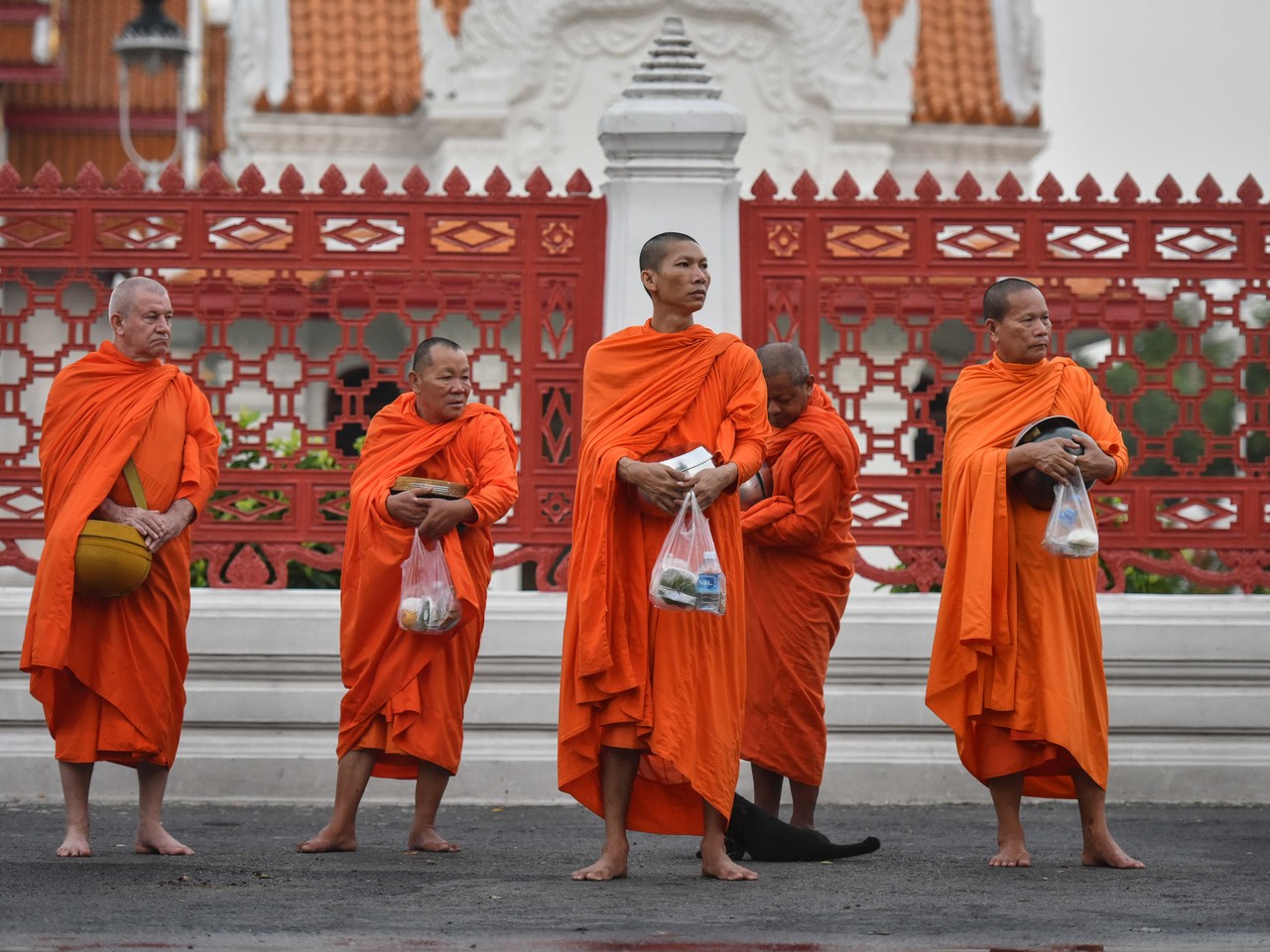
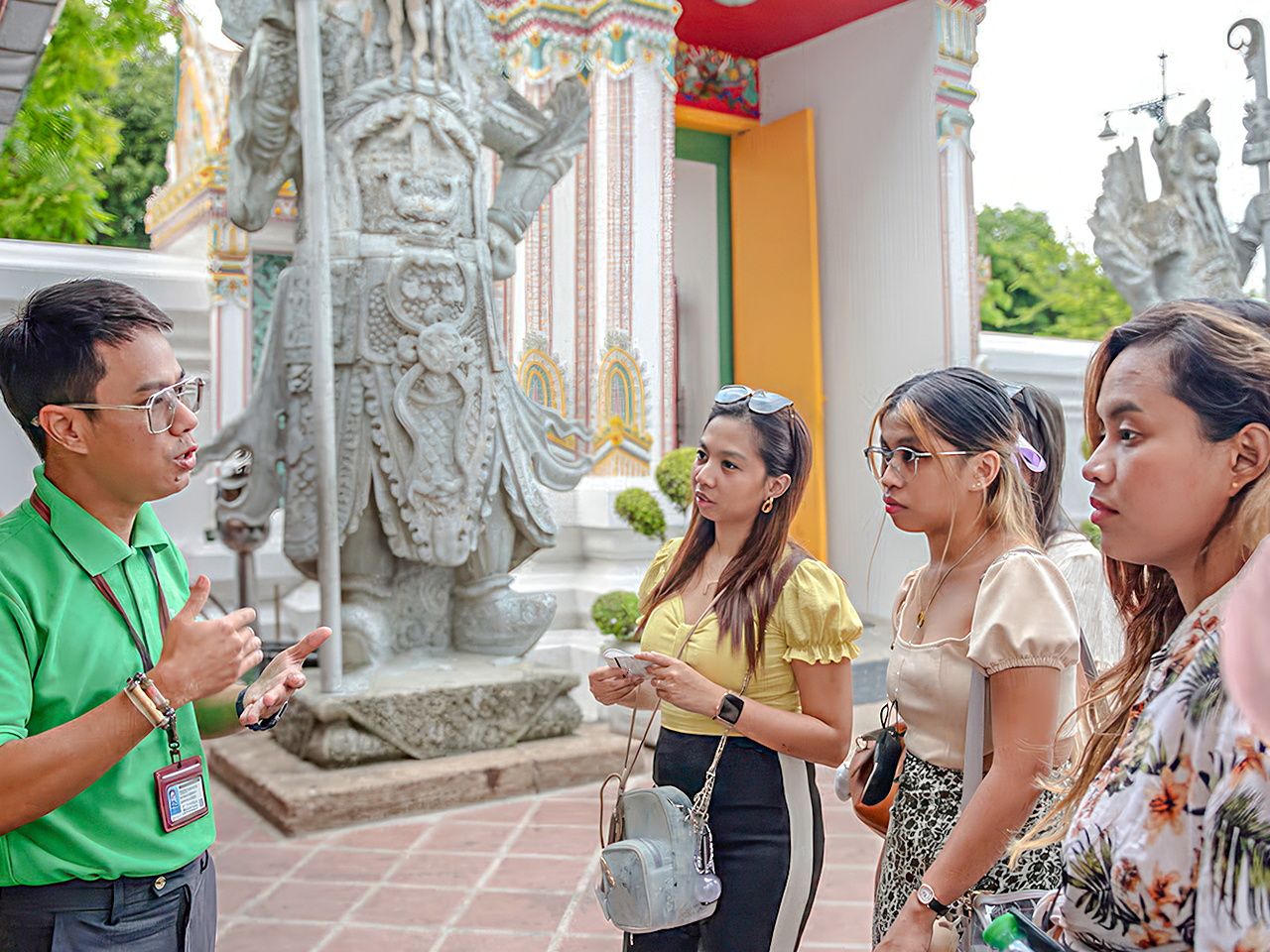
About 95% of Thais practice Theravada Buddhism. Learn how it shapes a Thai day and lifetime, which festivals you may meet on the road, how customs differ from Bangkok to Chiang Mai, Isan, and the South—and the etiquette that turns a temple visit from awkward to respectful.
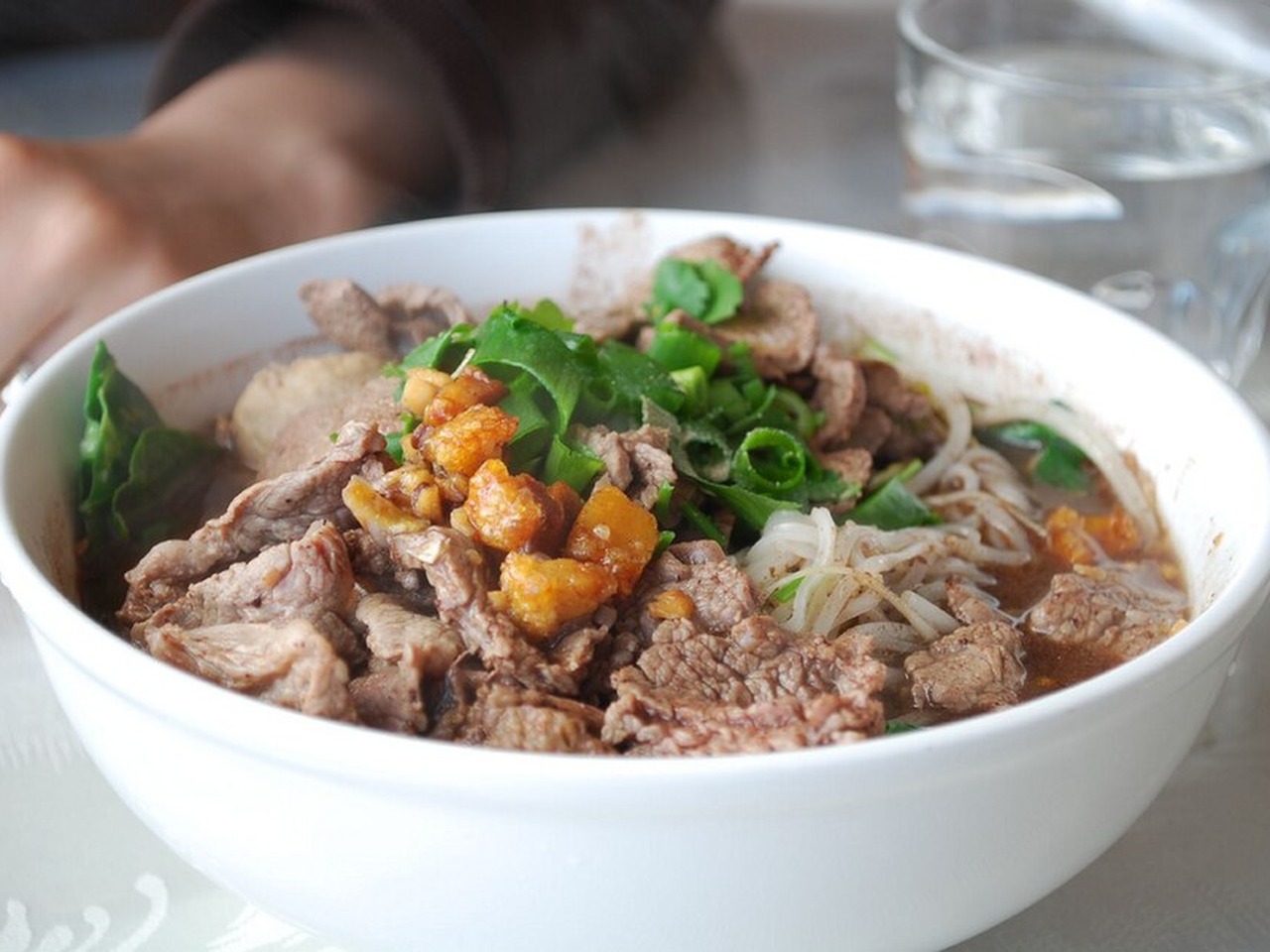
Do not reduce Thai food to tom yum and mango sticky rice. Bangkok is migrants and palace in one pot; Chiang Mai is slow mountain flavor; Isan is rice fields and fermentation—loud; the South is two seas, two faiths, and the Chinese diaspora. Pick your taste personality first—then the cities and the dietary notes.
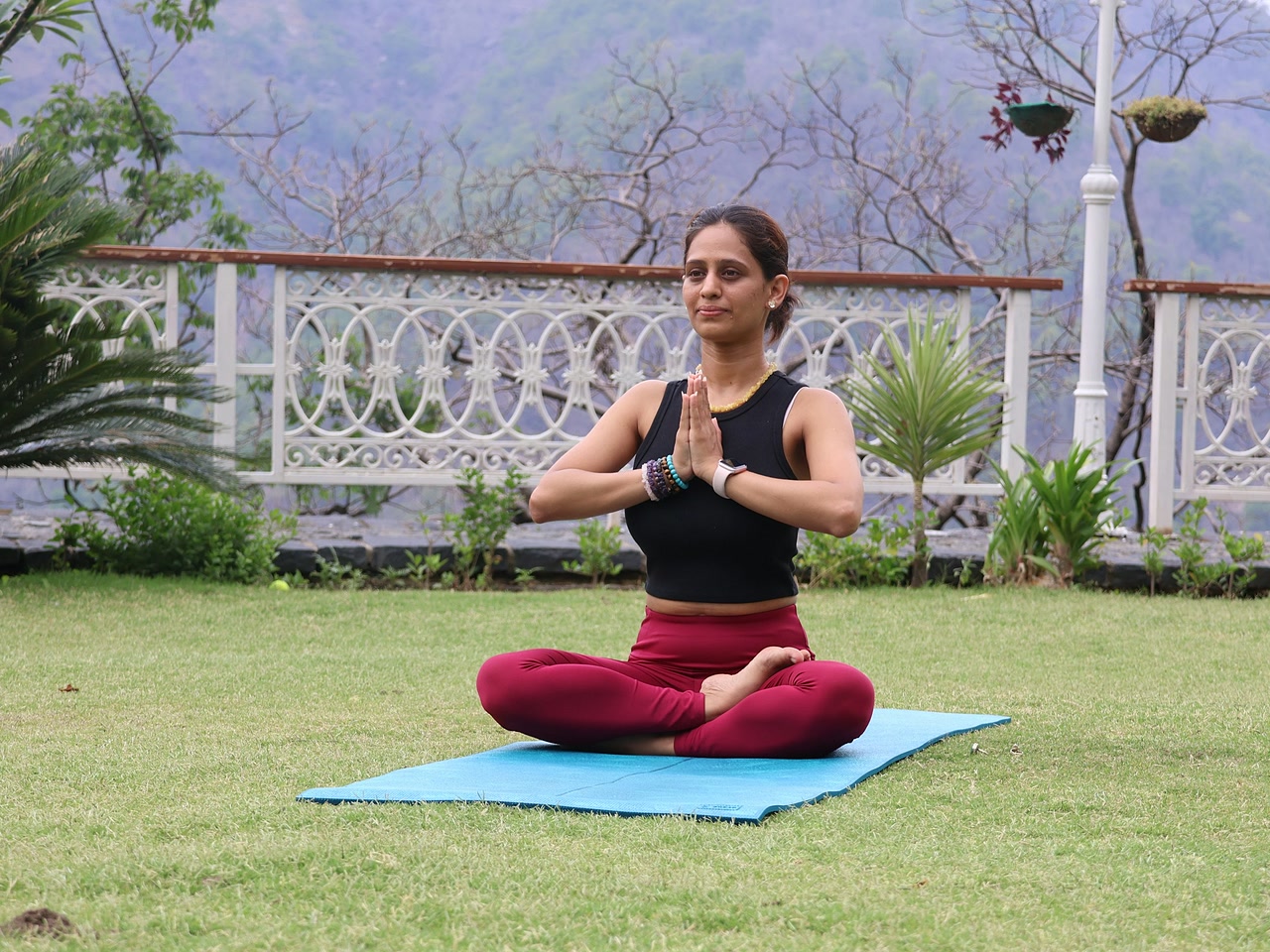
A wellness trip here is a slower day in a place that can carry it, in a month when you can stay outside. The place is the north, Bangkok at the start, the Gulf, or the Andaman. One outdoor block, one quiet block, and an evening that ends.
The right way to move is the one that still leaves you able to walk into the temple. Four decisions settle a Thailand trip: the airport, the legs between cities, the day inside Bangkok, and the water between islands.
How long to stay, once the route is chosen.
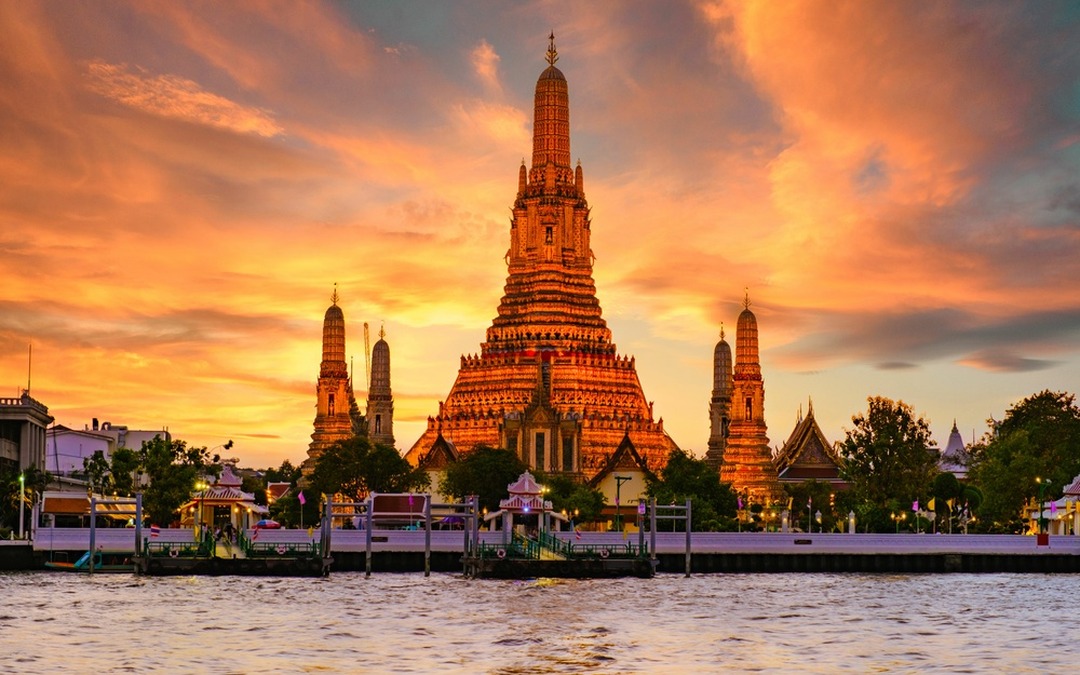
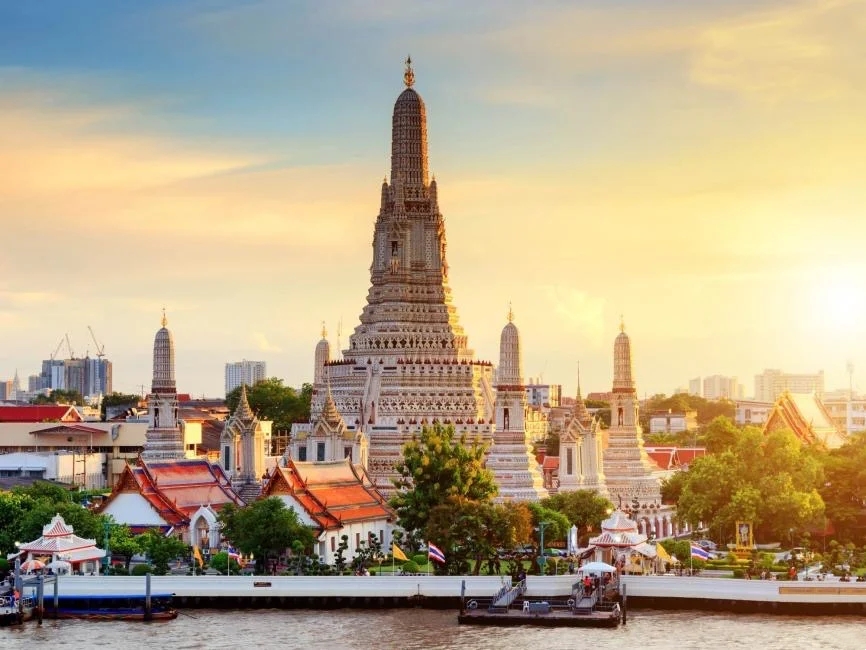
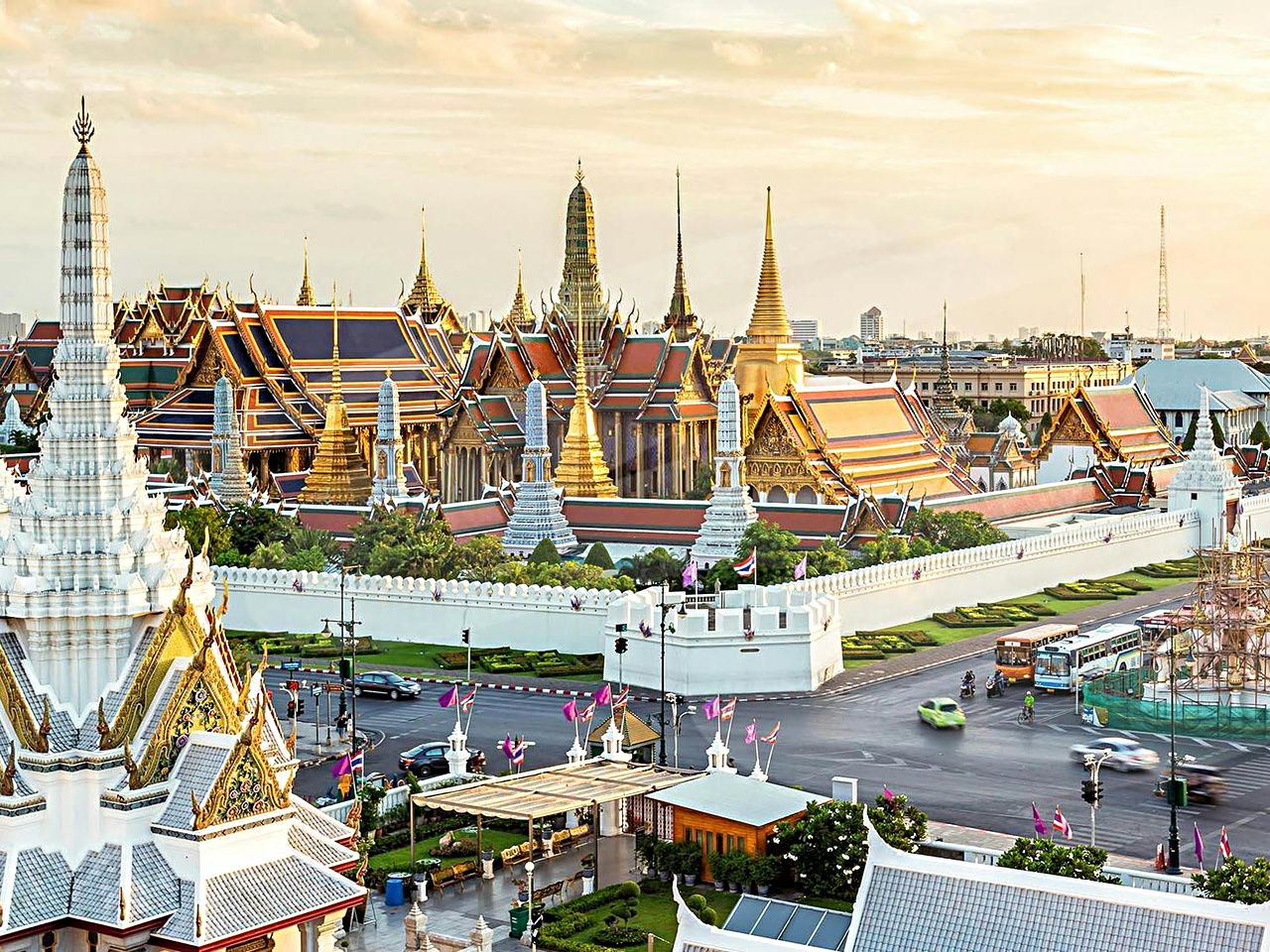
Plan a 3- to 4-night Bangkok itinerary with the Grand Palace, Wat Pho, and Chinatown street food — tailored by our Bangkok travel team for first-timers.
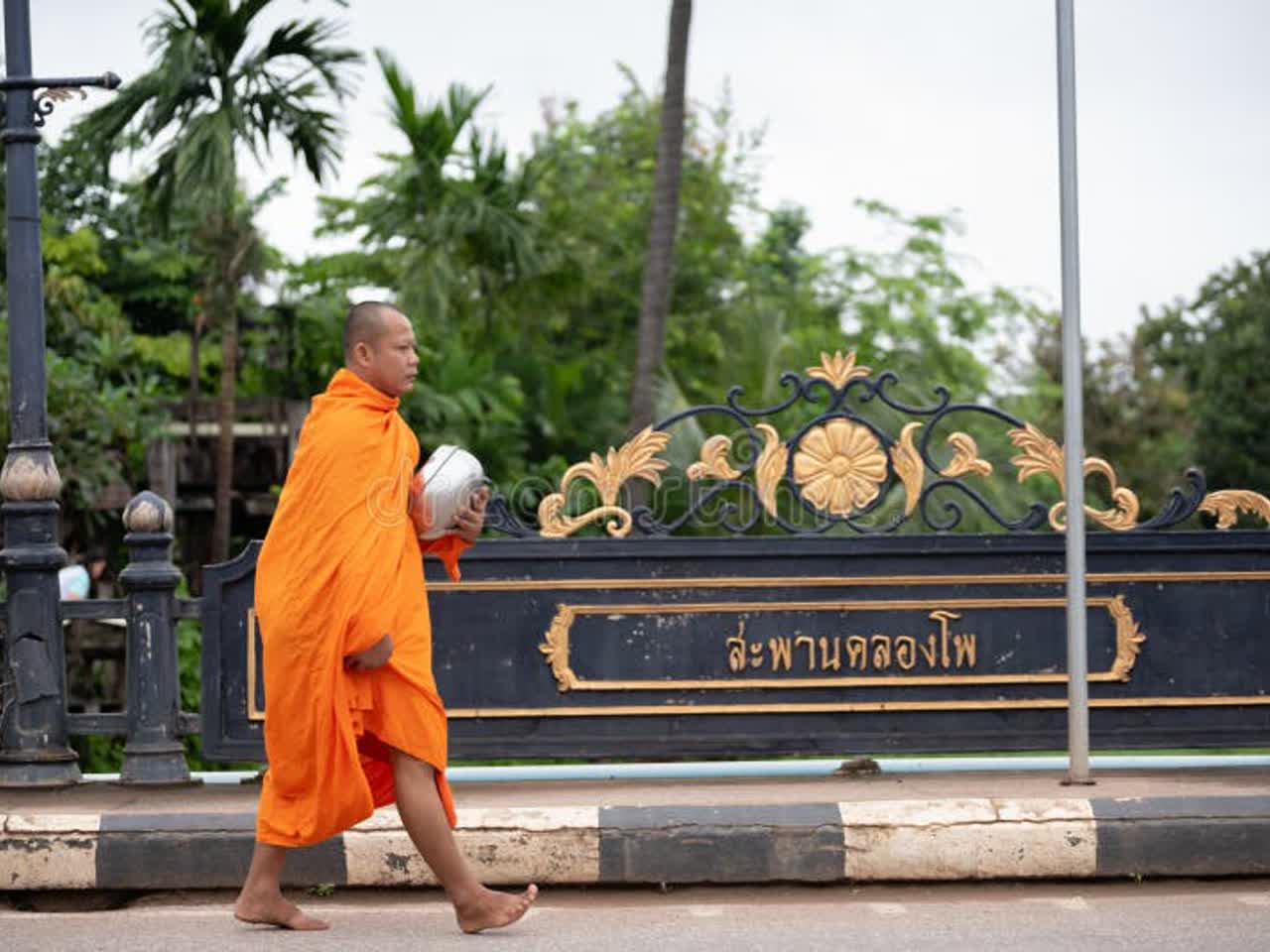
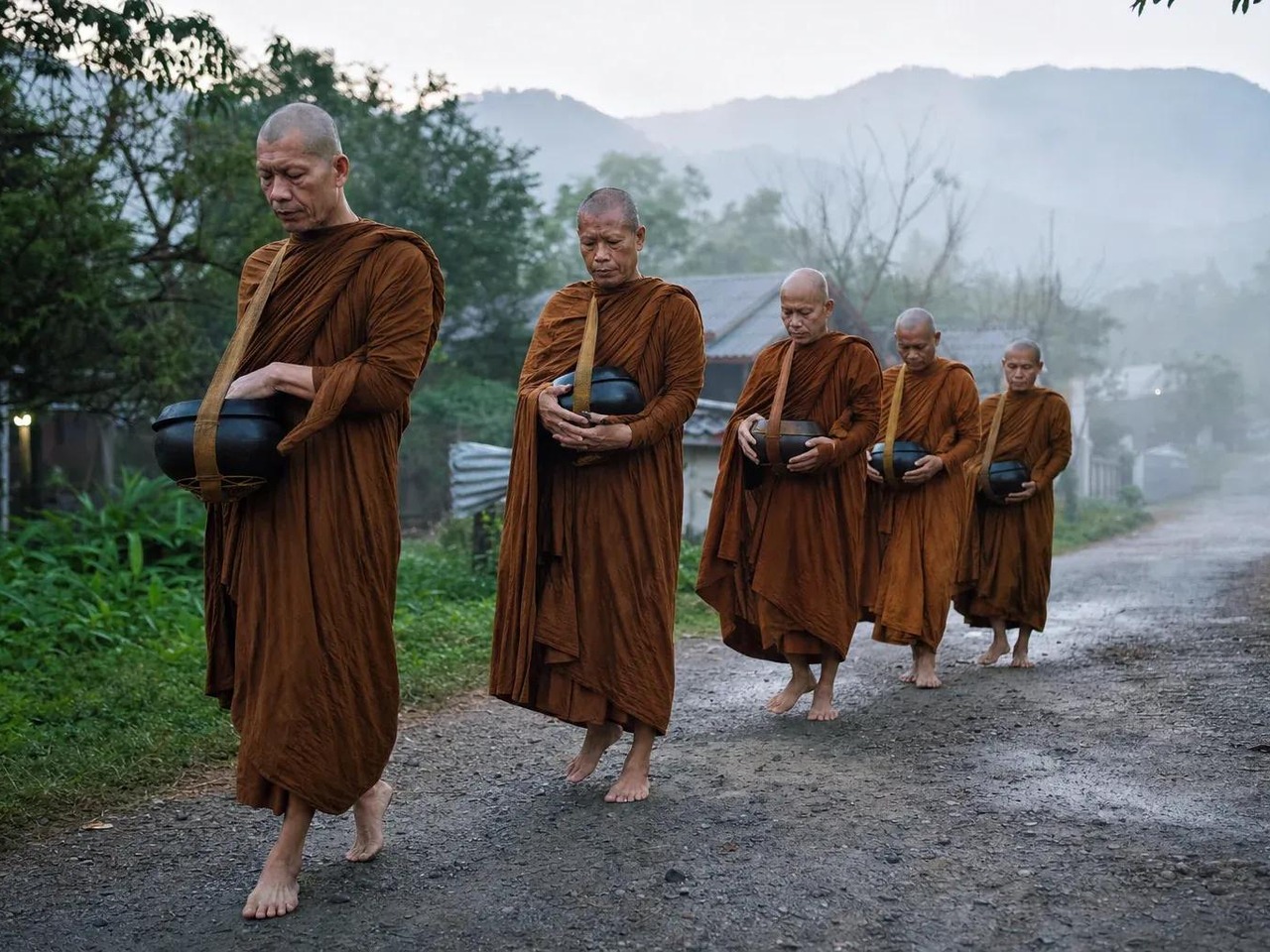
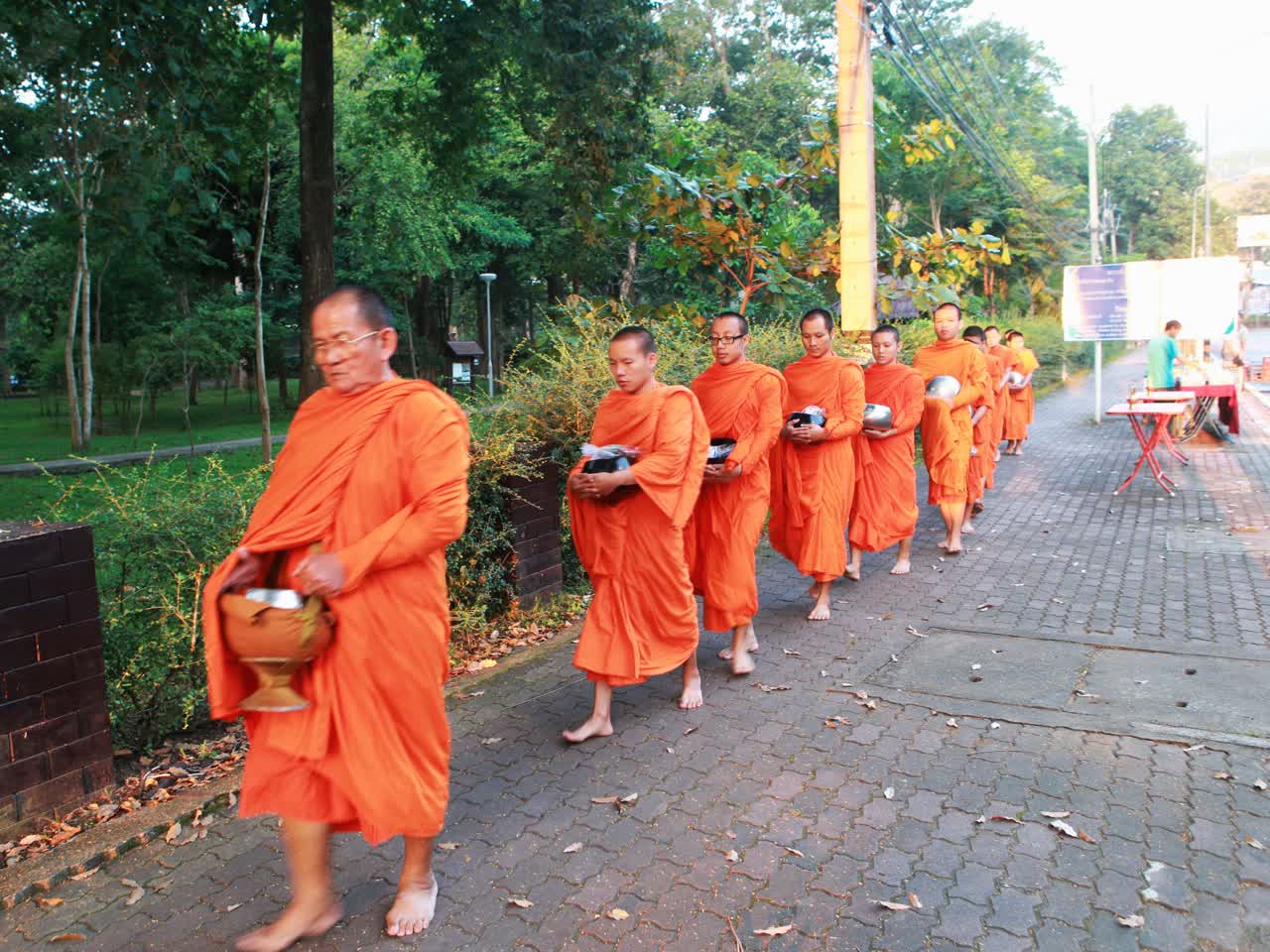
Two nights shows Chiang Mai. Four nights lets you stay for morning alms, dusk chanting at Wat Chedi Luang, and a full day in the mountains. One heavyweight a day, then room to breathe.
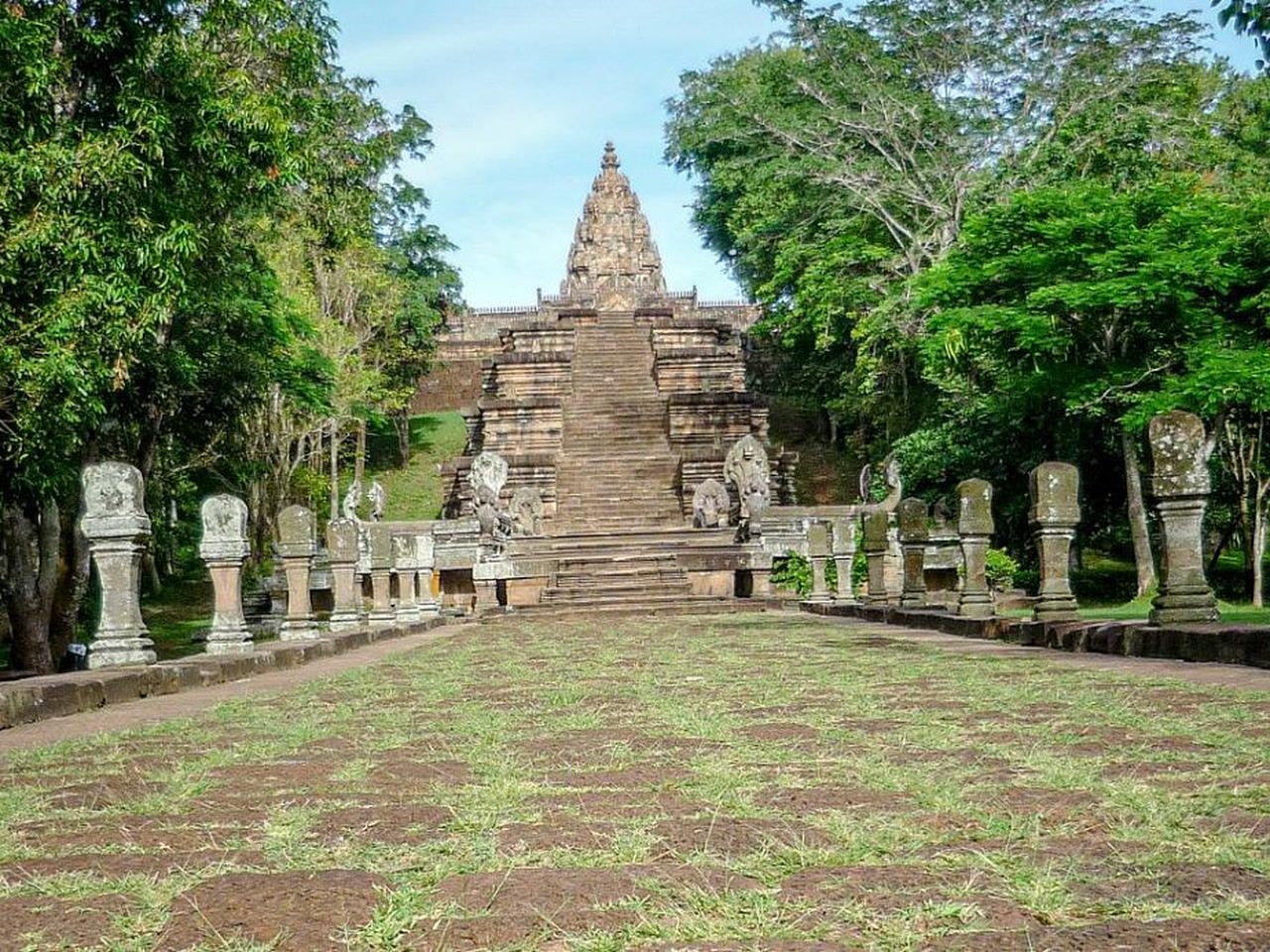
Isan is the week for someone who has already walked Bangkok, Chiang Mai, and a beach, and who will sit in a car for three hours to have a ruin at dawn. Five days is enough for one of the three routes.
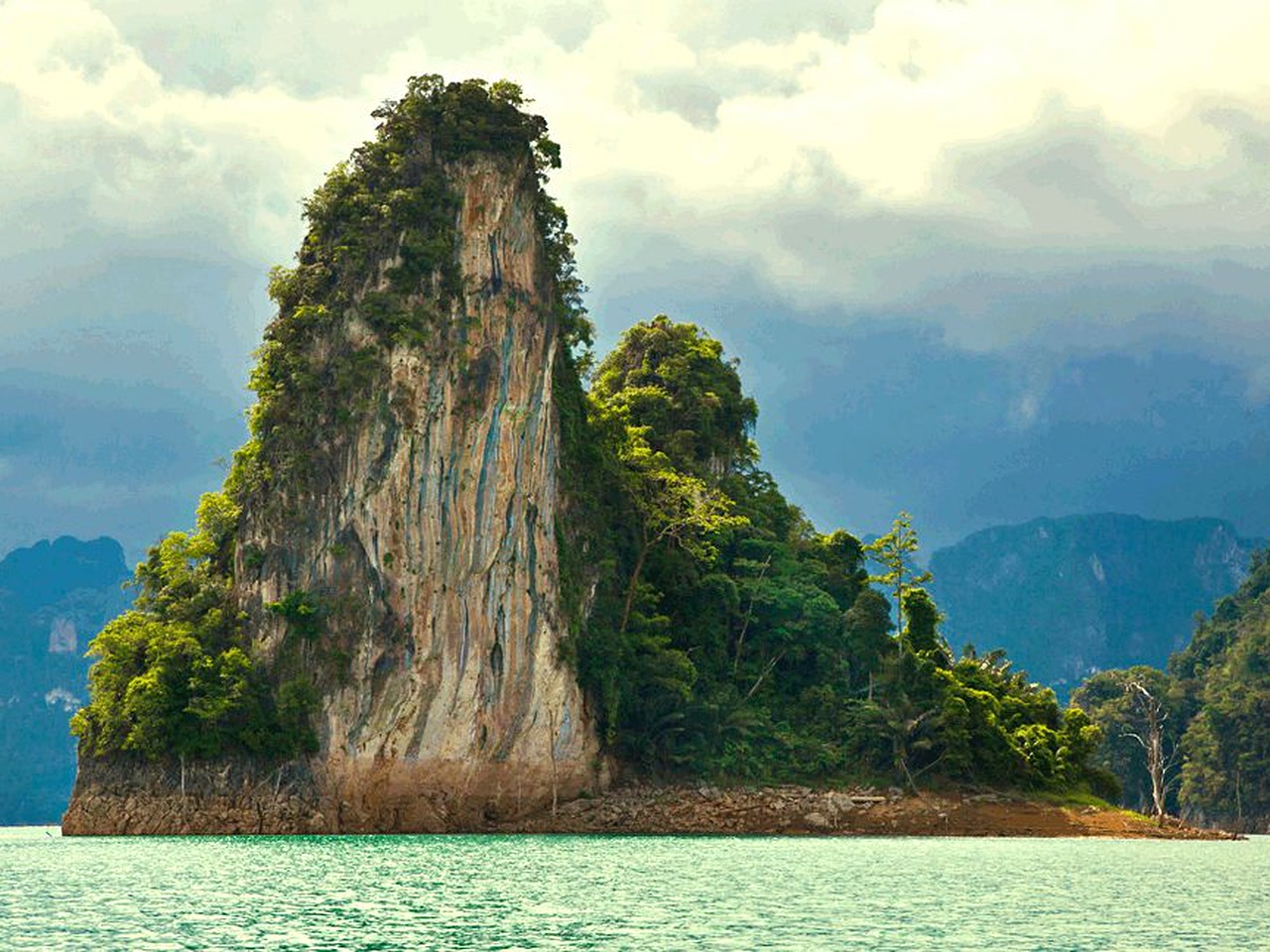
Give Khao Sok two nights, and make them different nights. One in the trees at the village. One on the water at Cheow Lan. February is the month to aim at if you want a dry trail and a chance at the flower.
One coast. One beach base. No riding. Island-hopping that actually helps, and sanctuaries we will recommend.
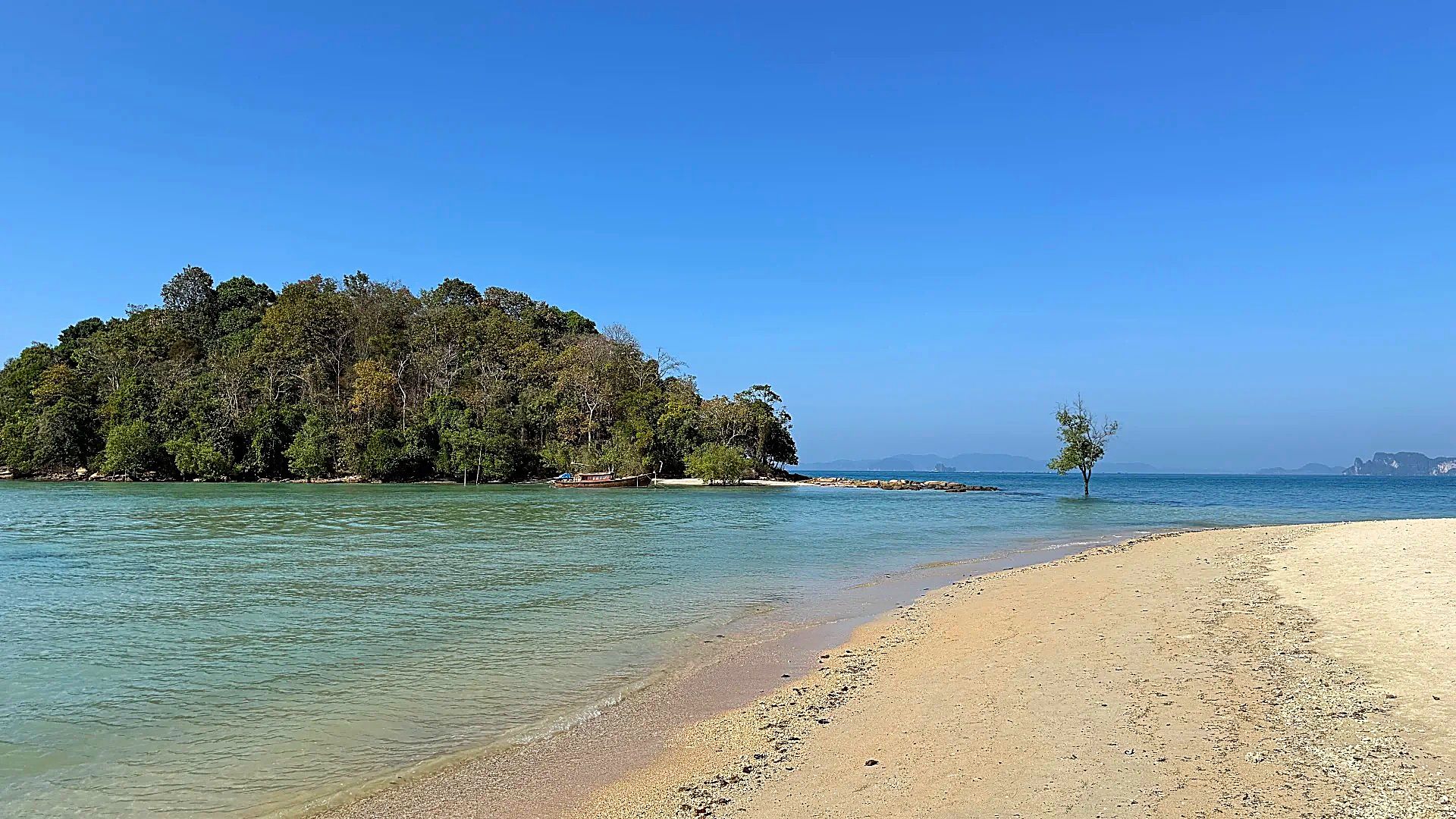
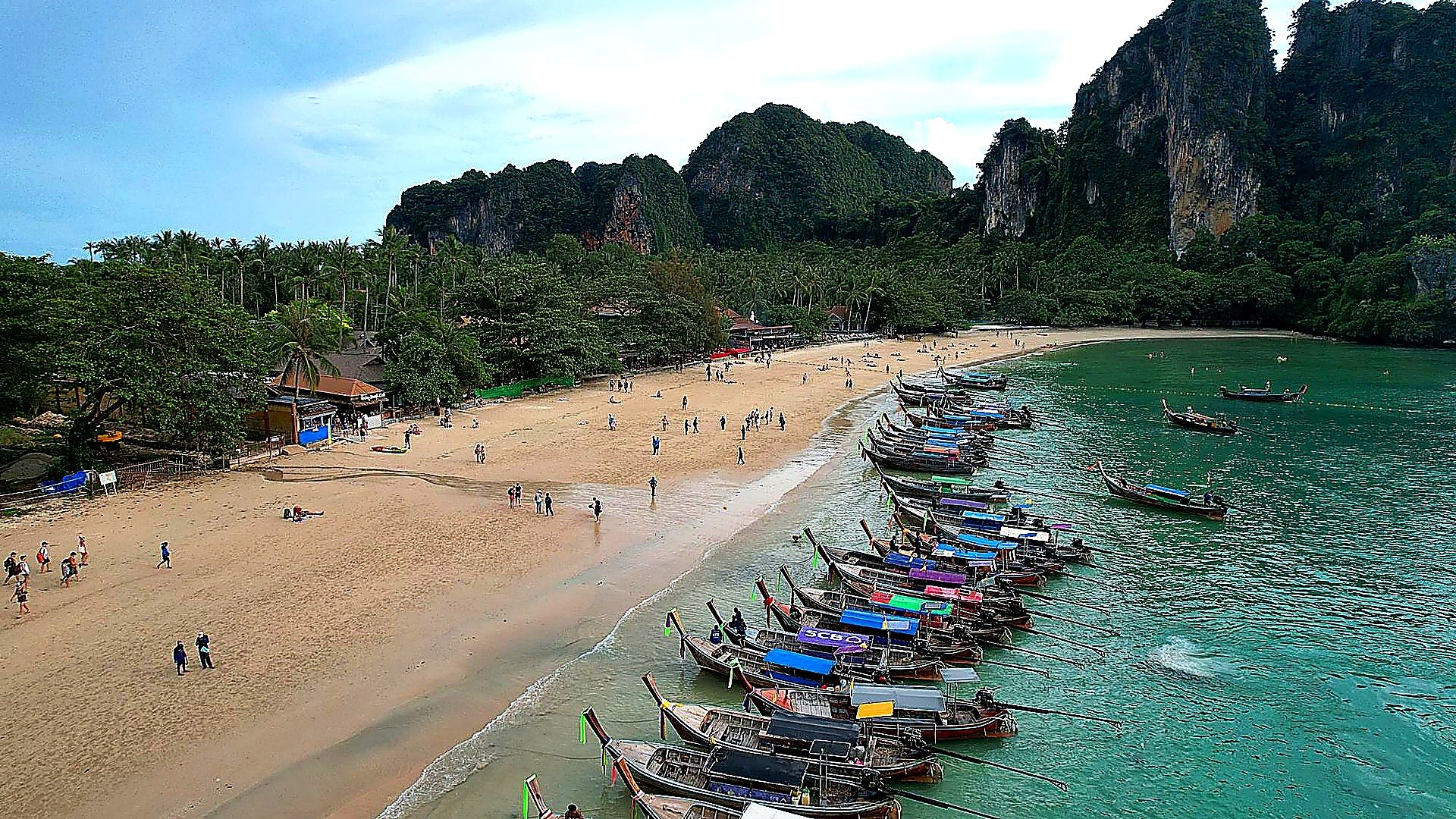
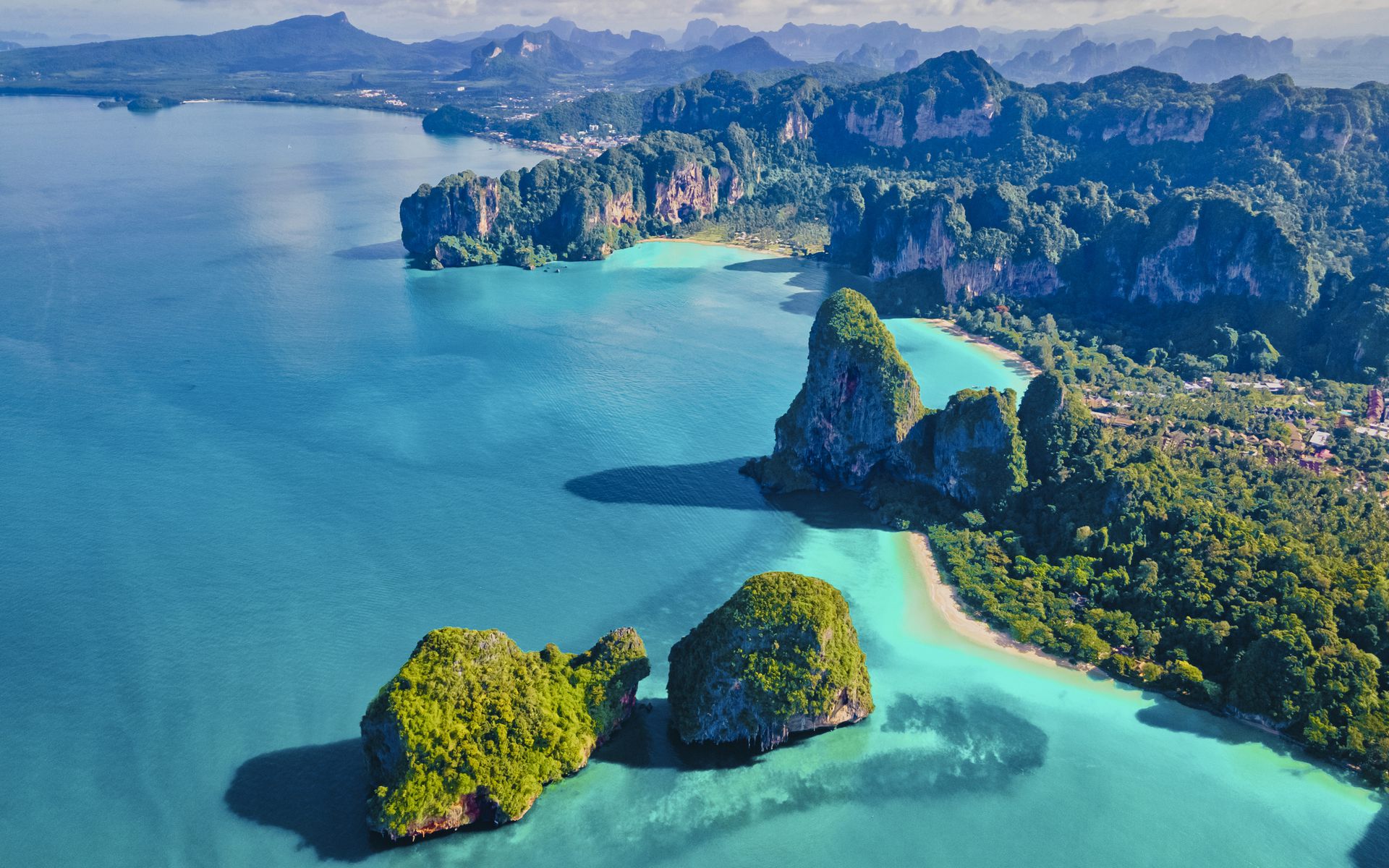
Thailand has hundreds of islands. Most first trips go wrong by mixing coasts in the wrong month—or hopping three islands in five days. Lock Andaman or Gulf by season, then pick one beach base. Add a second island only if you have nights to spare.
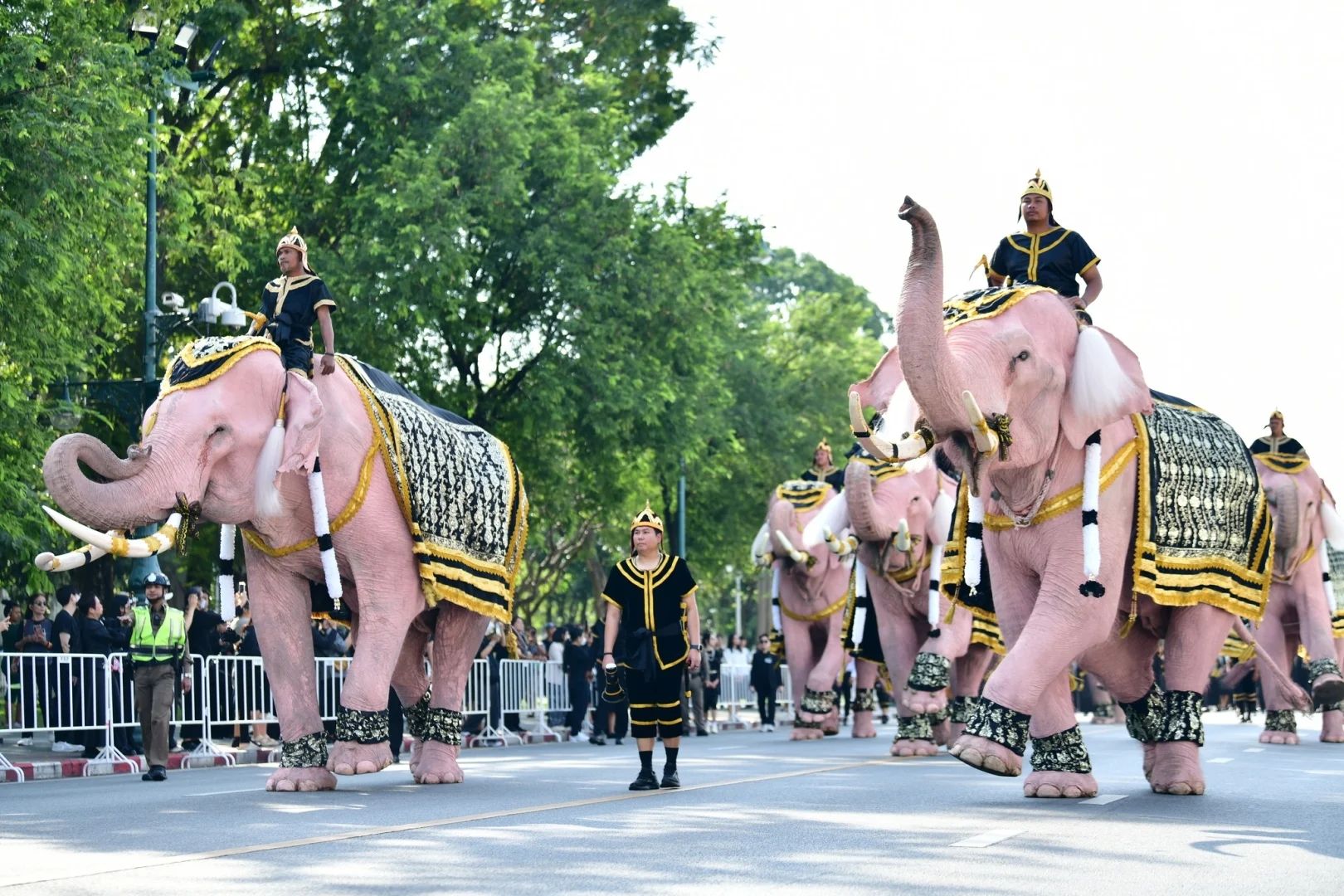
Thailand has 80-plus elephant camps. How do you choose? Is riding ethical? Here are six sanctuaries we will actually recommend: no riding, no shows, no chains—plus cost, what a visit looks like, best months, and stays near elephants.
Phuket works as four or five nights—not three. Book the boat first, then the beach. 2027 park seasons, Maya Bay rules, and which pier actually matches your morning.
Four regional kitchens, and how to behave in a temple.
About 95% of Thais practice Theravada Buddhism. Learn how it shapes a Thai day and lifetime, which festivals you may meet on the road, how customs differ from Bangkok to Chiang Mai, Isan, and the South—and the etiquette that turns a temple visit from awkward to respectful.
Do not reduce Thai food to tom yum and mango sticky rice. Bangkok is migrants and palace in one pot; Chiang Mai is slow mountain flavor; Isan is rice fields and fermentation—loud; the South is two seas, two faiths, and the Chinese diaspora. Pick your taste personality first—then the cities and the dietary notes.
You will rarely be corrected out loud. The room goes quiet, and the day has changed shape. Most of what follows is courtesy. Three items are rules with consequences: the monarchy, a Buddha image in your suitcase, and the date stamped in your passport.
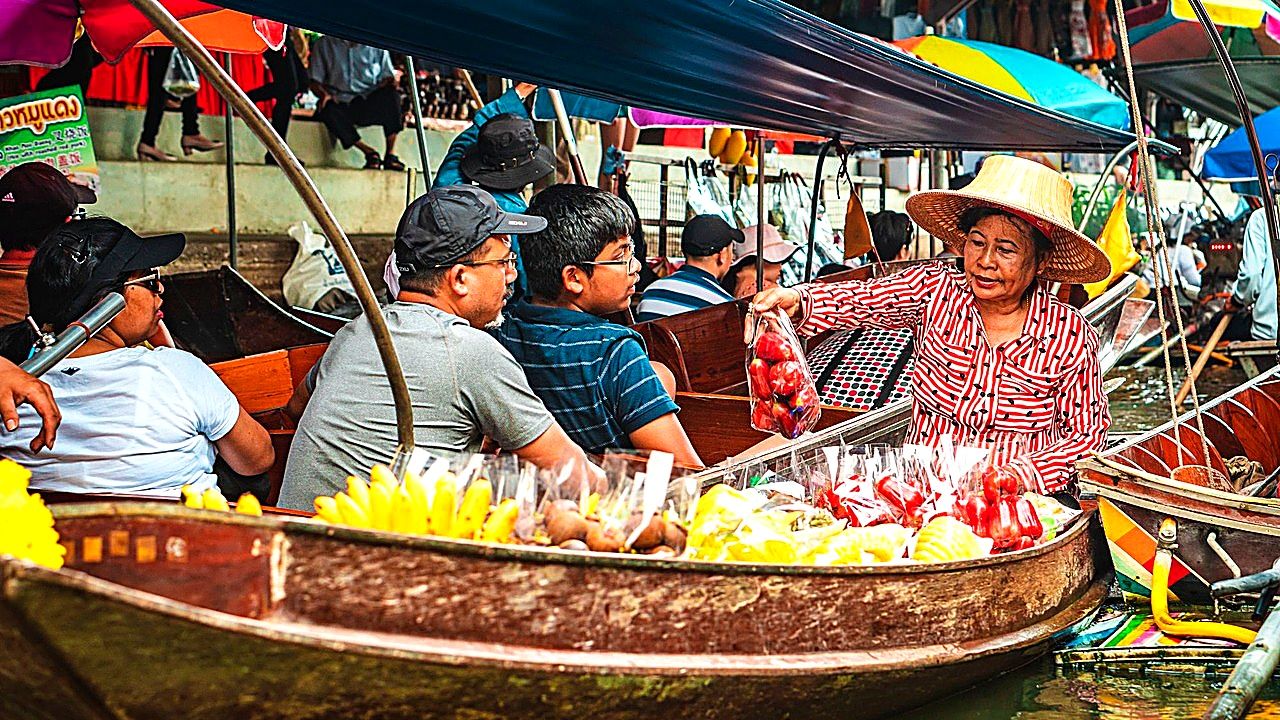
Several places near Bangkok use the name floating market. Damnoen Saduak is the one where selling is still boat to boat—and only early. Three numbers decide the day: open time, drive time, and how you get back.
Thai festivals come in two kinds: fixed Gregorian dates you can circle now, and lunar ones that wait for the moon—and the notice. Three are worth moving a 2027 trip for.
Thailand is not just an island country. Mountains crown the North, the plateau hardens the Northeast, the Chao Phraya enlivens the Center, and the peninsula runs to two seas. Decide slow, lively, stubborn, or loose first—then match months to coast.
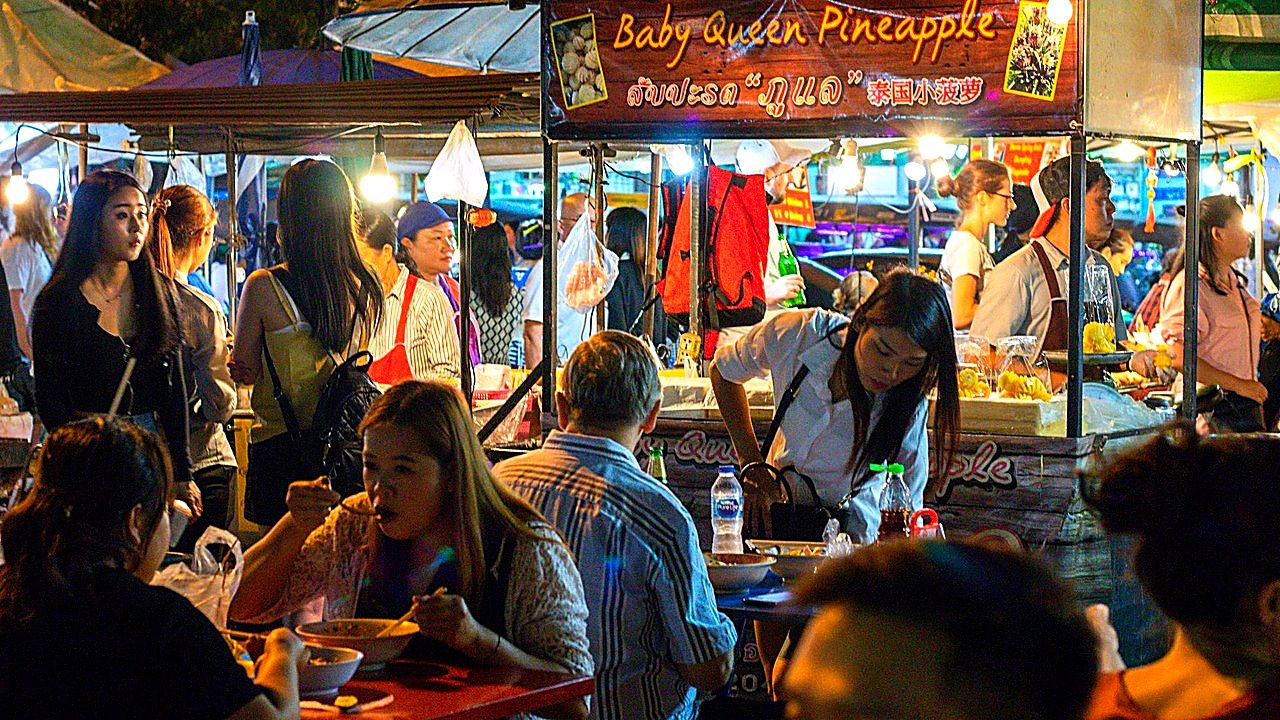
Bangkok has global-brand malls and railway markets, floating markets, and roadside night markets—not a contradiction but Thailand’s normal. Pick old-river Thailand or air-conditioned new Thailand first, then match markets to region and season.
November to February is the window we try to book first. You can stand in the Grand Palace courtyards through the morning and still want a night market after dinner. If those months are already full, the choice is April's heat or a heavy afternoon shower.
Medical cover and tour-money protection are different jobs. Here is what Schengen, the UK, the US and operator licensing rules actually ask for—as of November 2026.
You will rarely be corrected out loud. The room goes quiet, and the day has changed shape. Most of what follows is courtesy. Three items are rules with consequences: the monarchy, a Buddha image in your suitcase, and the date stamped in your passport.
Several places near Bangkok use the name floating market. Damnoen Saduak is the one where selling is still boat to boat—and only early. Three numbers decide the day: open time, drive time, and how you get back.
Thai festivals come in two kinds: fixed Gregorian dates you can circle now, and lunar ones that wait for the moon—and the notice. Three are worth moving a 2027 trip for.
Thailand is not just an island country. Mountains crown the North, the plateau hardens the Northeast, the Chao Phraya enlivens the Center, and the peninsula runs to two seas. Decide slow, lively, stubborn, or loose first—then match months to coast.
Bangkok has global-brand malls and railway markets, floating markets, and roadside night markets—not a contradiction but Thailand’s normal. Pick old-river Thailand or air-conditioned new Thailand first, then match markets to region and season.
November to February is the window we try to book first. You can stand in the Grand Palace courtyards through the morning and still want a night market after dinner. If those months are already full, the choice is April's heat or a heavy afternoon shower.
A wellness trip here is a slower day in a place that can carry it, in a month when you can stay outside. The place is the north, Bangkok at the start, the Gulf, or the Andaman. One outdoor block, one quiet block, and an evening that ends.
The right way to move is the one that still leaves you able to walk into the temple. Four decisions settle a Thailand trip: the airport, the legs between cities, the day inside Bangkok, and the water between islands.
Isan is the week for someone who has already walked Bangkok, Chiang Mai, and a beach, and who will sit in a car for three hours to have a ruin at dawn. Five days is enough for one of the three routes.
Give Khao Sok two nights, and make them different nights. One in the trees at the village. One on the water at Cheow Lan. February is the month to aim at if you want a dry trail and a chance at the flower.
Loy Krathong 2027 falls on Saturday 13 November. Twenty minutes on the water are yours—then the city fills. Hold 13–14 Nov until Chiang Mai and Sukhothai post their nights.
Phuket works as four or five nights—not three. Book the boat first, then the beach. 2027 park seasons, Maya Bay rules, and which pier actually matches your morning.
Medical cover and tour-money protection are different jobs. Here is what Schengen, the UK, the US and operator licensing rules actually ask for—as of November 2026.
The 50th Chiang Mai Flower Festival will most likely fall on 5–7 February 2027. The flower-float parade usually runs only once—on Saturday morning. Keep your dates flexible, choose a viewing spot and an Old City hotel, then fold the festival into Chiang Mai without rebuilding your whole Thailand trip.
Thailand is kind to older travellers if you plan for three things: the heat, the stairs, and, for a few months, the grey sky over the north. November to January, twelve days: Bangkok, Chiang Mai, and one coast.
About 95% of Thais practice Theravada Buddhism. Learn how it shapes a Thai day and lifetime, which festivals you may meet on the road, how customs differ from Bangkok to Chiang Mai, Isan, and the South—and the etiquette that turns a temple visit from awkward to respectful.
March 2027 opens hot season on land—and puts both Thai coasts in a clear, calm marine window. Skip the smoky north, lean into islands, and book Similan boats early before Songkran.
Do not reduce Thai food to tom yum and mango sticky rice. Bangkok is migrants and palace in one pot; Chiang Mai is slow mountain flavor; Isan is rice fields and fermentation—loud; the South is two seas, two faiths, and the Chinese diaspora. Pick your taste personality first—then the cities and the dietary notes.
February 2027 is Thailand’s steadiest comfort month—clear Andaman seas, cool northern mornings, Chinese New Year on 6 Feb, and Makha Bucha late month. Book villas and Similan boats 2–3 months ahead.
January is Thailand’s steadiest cool-season month—clear Andaman seas, cool northern mornings, and peak demand. Book villas and Similan boats 2–3 months ahead for 2027 dates.
Two nights shows Chiang Mai. Four nights lets you stay for morning alms, dusk chanting at Wat Chedi Luang, and a full day in the mountains. One heavyweight a day, then room to breathe.
Three generations, one comfortable rhythm: match months to what your family wants, pick destinations that work for grandparents and kids, choose hotels by location over stars, and plan the East Marvel way—one slow highlight a day, beach resorts you can retreat to, flights over long buses.
Do not assume Thailand is temples by day and night markets by night. Bangkok’s incense runs beside the morning commute; Chiang Mai moves to temple bells and lanterns; Isan beats with drums and Mekong light boats; the South holds the call to prayer and the temple bell on one street. Pick your kind of day and night first—then plan the trip.
April is Thailand’s hottest month—and its biggest festival. Songkran turns cities into water, both coasts stay clear, and Similan is still open before mid-May.
May is Thailand’s value transition—heat easing into green season. Pick the Gulf for beach days, go early if you want the Andaman, and keep mornings outdoors.
July is mid green season—lush north, softer rates, and beach days that still work on the Gulf. Pick Samui over Phuket, and keep mornings outdoors.
June opens green season—softer rates, quieter sights, and beach days that still work on the Gulf. Pick Samui over Phuket, and keep mornings outdoors.
Plan a 3- to 4-night Bangkok itinerary with the Grand Palace, Wat Pho, and Chinatown street food — tailored by our Bangkok travel team for first-timers.
August is peak green season and soft rates—if you pick the Gulf, not the Andaman. Short showers, lush north, and beach days that still work on Samui.
Navigate Thailand's monsoon season with month-by-month coastal guides, weather tips, and packing advice. Plan your green season trip with our Bangkok team.
October is when neither Thai coast is at its best—and when prices hit the floor. Skip daily island-hopping; build city, inland and near-shore days instead.
September is peak green season and peak value—if you pick the Gulf, not the Andaman. Short showers, empty sights, and room rates that finally behave.
December is Thailand’s highest-certainty weather month—and the hardest to book. Prefer the Andaman for calm seas; treat Christmas–New Year as peak pricing; copy a 7- or 10-day route as written.
November is Thailand’s monsoon switch-over: choose the Andaman for beach days, book Loy Krathong and Yi Peng early, and treat Samui as a hard bet—not a default.
Most travellers refused entry are missing paperwork, not welcome. Fix passport validity, file the free TDAC within 72 hours, and carry onward proof—using only official .go.th links.
Thailand has hundreds of islands. Most first trips go wrong by mixing coasts in the wrong month—or hopping three islands in five days. Lock Andaman or Gulf by season, then pick one beach base. Add a second island only if you have nights to spare.
First trips usually go wrong on month and coast, not on flights. Start with Bangkok, Chiang Mai, and one Andaman beach in January or February. Change that default only for a clear reason.
Two weeks is not more stops. It is one week of culture and one week that ends in the tropics. Lock the default route first, then swap the coast by month. Koh Samui or the Andaman depends on when you travel.
Songkran is not a normal peak season. It is hot, wet, pricier—and genuinely fun if that is what you came for. Decide first whether mid-April is right for you. Then choose Bangkok, Chiang Mai, or the islands, and know the etiquette and what your quote includes.
Thailand has 80-plus elephant camps. How do you choose? Is riding ethical? Here are six sanctuaries we will actually recommend: no riding, no shows, no chains—plus cost, what a visit looks like, best months, and stays near elephants.
Thailand is not a December-only destination. Cool season is easiest. Hot season is dry but fierce. Rainy season is greener and often cheaper if you plan for short storms. Pick the coast as carefully as the month.
We’ll mark the coast and return a private outline — usually within 24 hours.