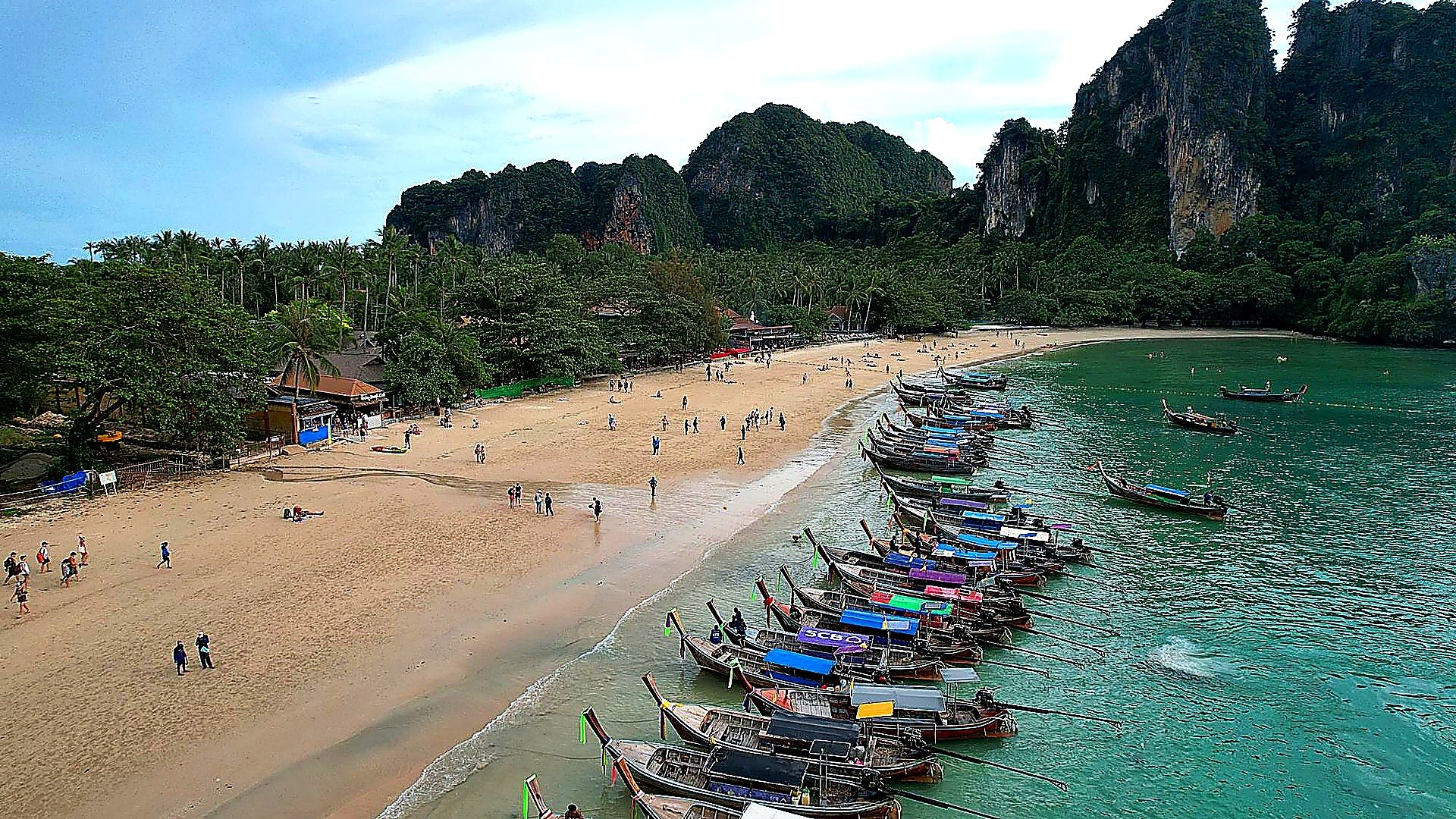
Thailand is not just an island country. The land is often compared to an axe—or an elephant: northern hills for the head, the Northeast as plateau, the Center as the Chao Phraya plain, the South as a long peninsula between the Gulf of Thailand and the Andaman Sea.
Each landscape shapes its people. Mountains slow the North. The river enlivens the Center. The plateau makes the Northeast stubborn. The sea loosens the South. Geography decides what Thais eat, how they live, what they believe—and how many different Thailands you will meet.
If you have been searching Thailand regions, Andaman vs Gulf, or first time Thailand itinerary, start here: pick which Thailand you want—slow mountain, lively river, stubborn plateau, loose coast, or all four—then match months to coast. Hub: East Marvel Thailand. Season frame: When to Go to Thailand. Planning: How to Plan a Trip to Thailand in 2027. Browse routes: Thailand tour packages.
East Marvel’s default: we do not ask what Thailand has. We ask which Thailand you want. Settle flavor and rhythm first; then cities, dates, and hotels. Closed-island seasons, the northern burning season, and the two seas’ complementary wet and dry calendars go into the written plan—not left to luck on the road.
1. The North: Mountains, Temples, Lanna, and Slow Life
Chiang Mai, Chiang Rai, and Pai are the North’s three faces.
Chiang Mai sits in a mountain basin, once the center of the Lanna kingdom. The old city’s moat, temples, night markets, craft shops, and coffee blur together. Doi Suthep looks over the town. Nimman leans young. Weekend walking streets and night markets reward slow wandering. For elephants, choose ethical, no-riding projects only—responsible to the animals and to your itinerary. Sanctuary shortlist: ethical elephant choices.
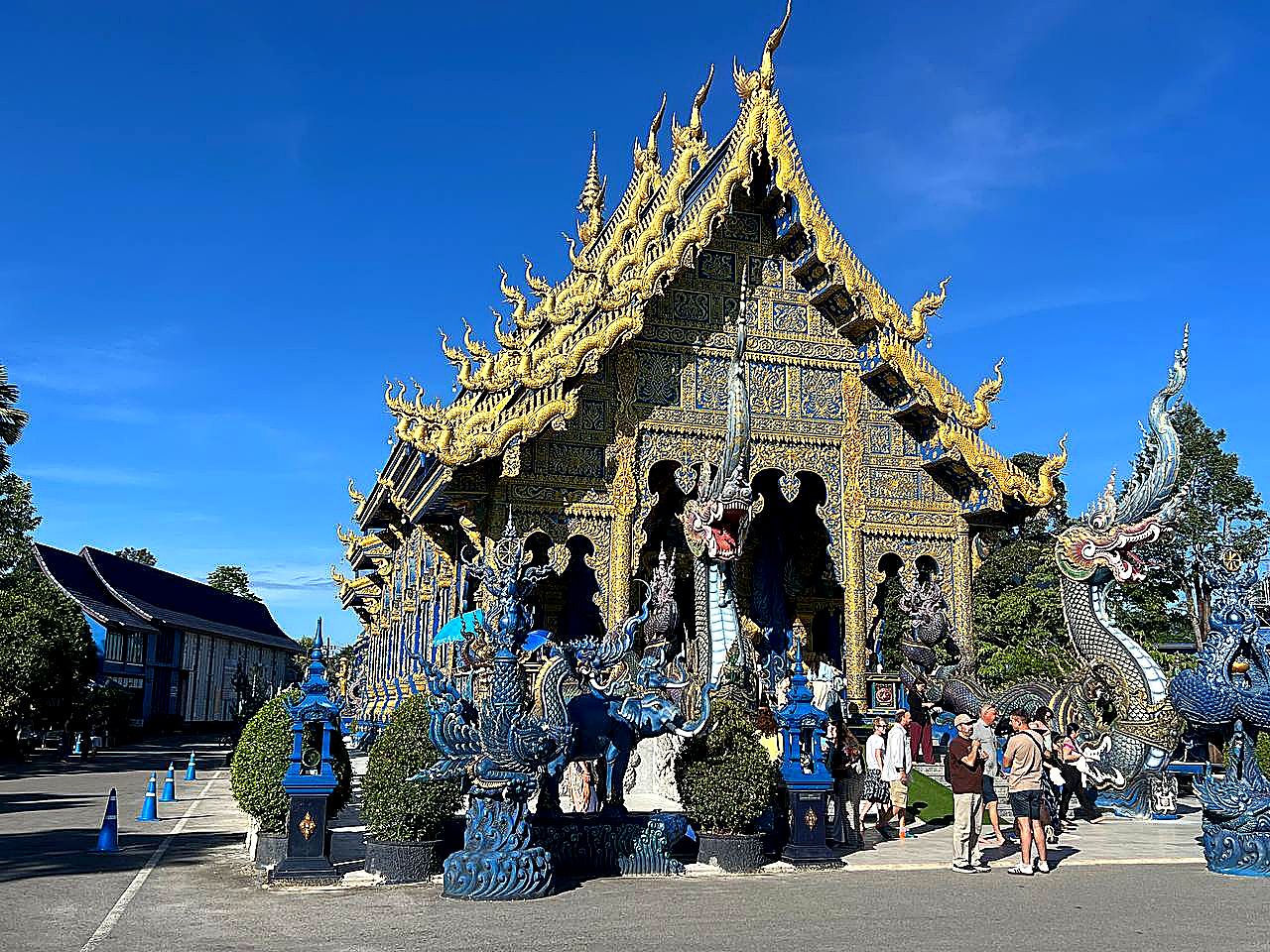
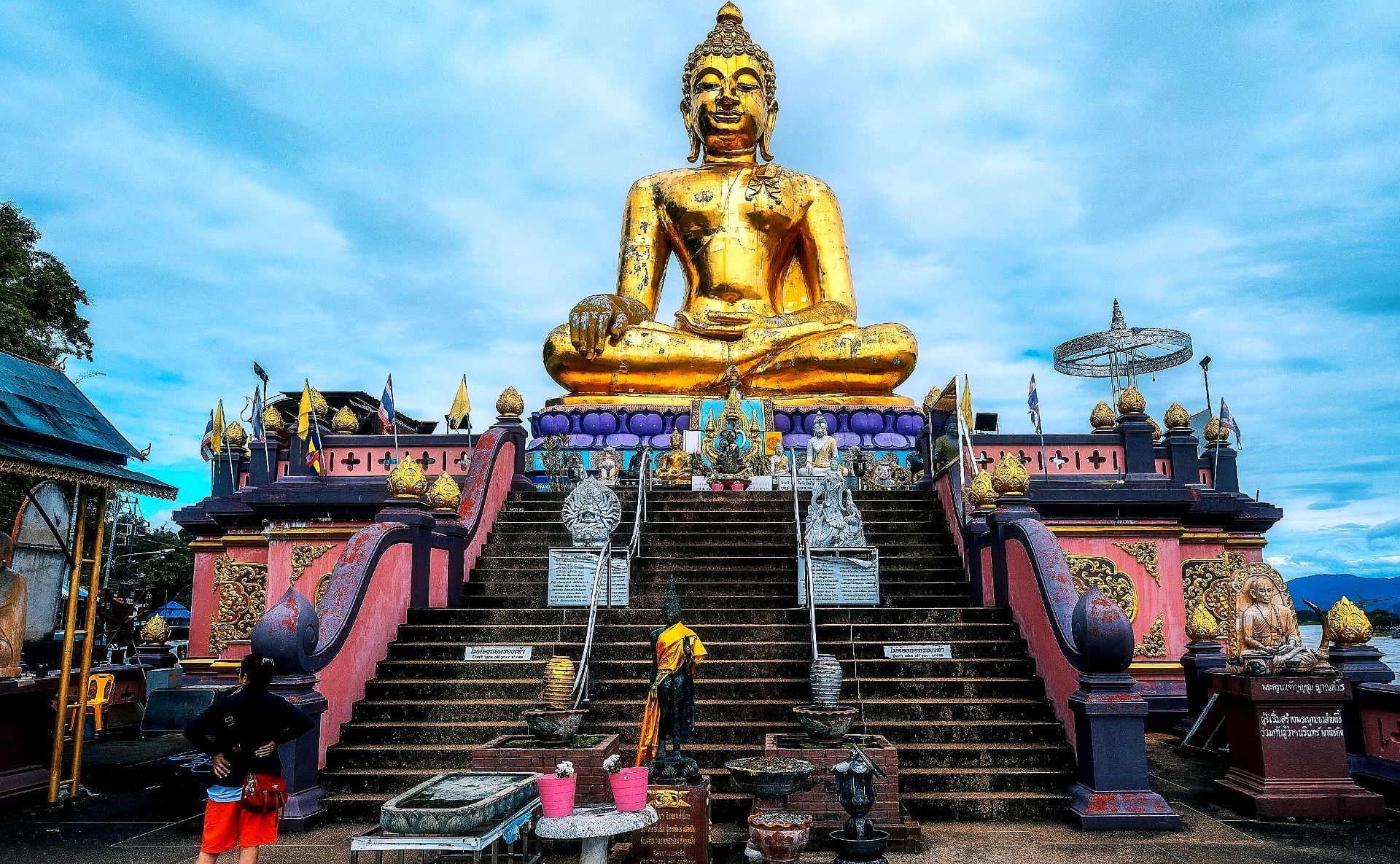
Chiang Rai is wilder: the White Temple, the Black House, and the Golden Triangle—contemporary art, symbolic installations, and Mekong border history. Pai hides among the hills; its 762 curves are scenery in themselves, for canyons, hot springs, pine forests, and looseness.
When: roughly November to February is best—cool and dry. Around February to April the North often enters burning season; air quality can drop—check the day’s index before you go.
City base: Chiang Mai travel guide. Compact northern build: Romantic Northern Thailand (7 days). Day-and-night rhythm: Thailand Has Two Faces.
2. The Northeast: Plateau, Sticky Rice, and Honest Flavors
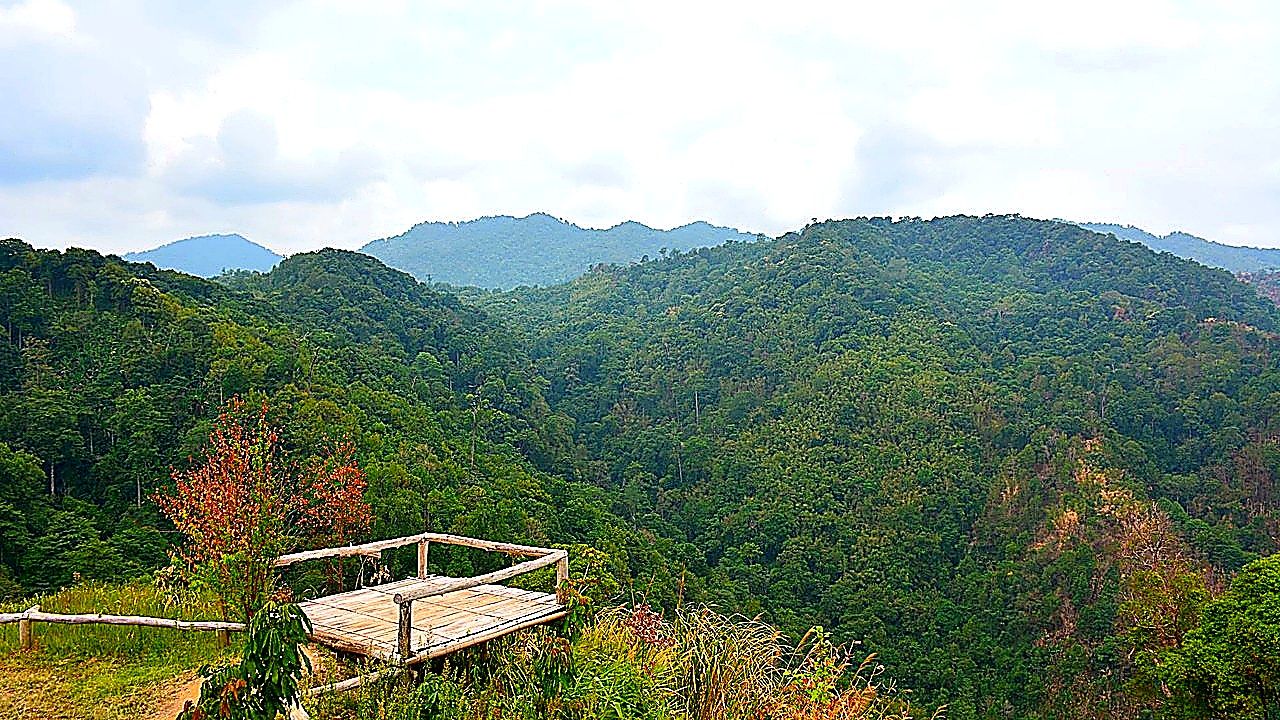
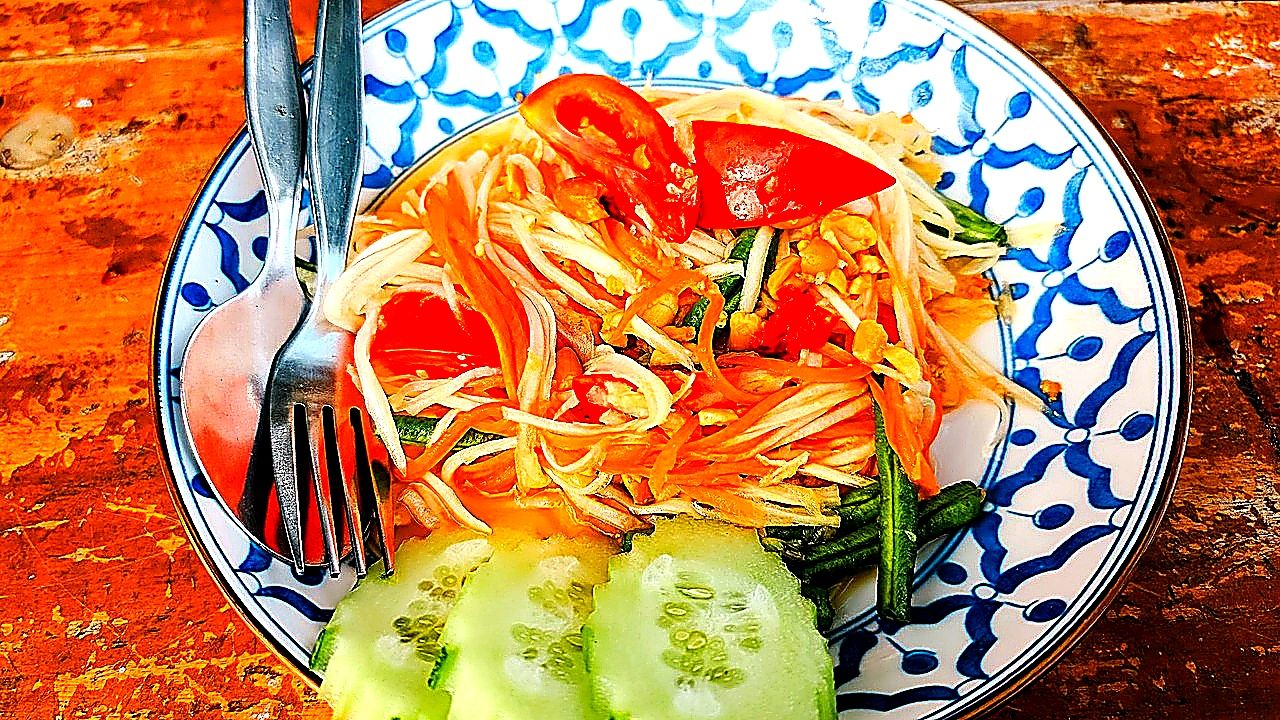
The Khorat Plateau is the region travelers overlook most. The land runs dry, rice farming is stubborn, and the people are plain-spoken. Sticky rice, som tam, grilled chicken, fermented fish, and chili dips make the Isan table. It is not polished. It is the root of everyday Thai life.
To see it for real: Khao Yai National Park, Mekong border towns, and around May the Rocket Festival (Bun Bang Fai)—home-built rockets fired to call the rain, one of Thailand’s most field-born faith scenes. Festival frame: Thailand 2027 festivals.
When: skip inland heat around March to April; roughly November to February is cool and right for the countryside. Deep Isan belongs on a second trip or 16-plus days. Do not wedge it into a 10-day classic triangle.
Taste map: Thailand’s Food Has Four Faces.
3. The Center: Chao Phraya Plain—Royalty, Markets, Commerce
Bangkok is the gateway—and the most layered city in the country.
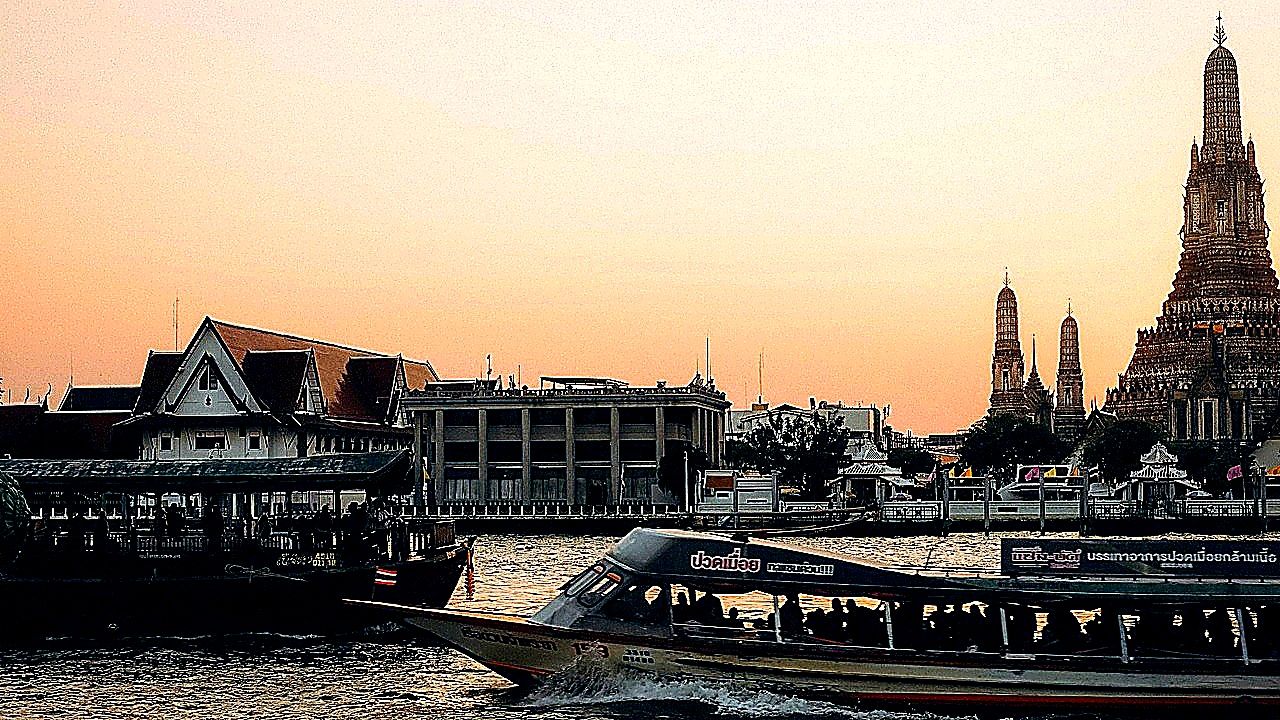
Royalty and faith: the Grand Palace, Wat Phra Kaew, Wat Pho, and Wat Arun. The Chao Phraya’s banks still carry old Bangkok’s river life. Yaowarat’s Chinatown heats up after dark—Teochew flavors, skewers, and old shophouses mixed.
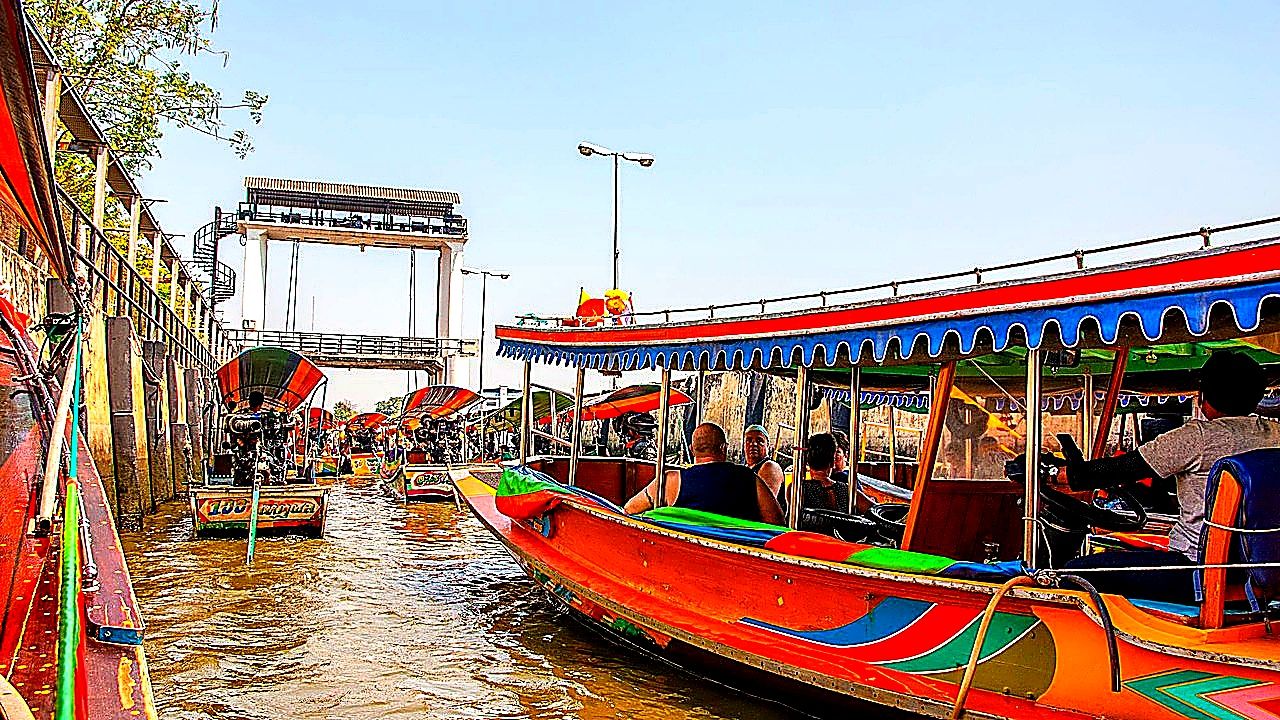
Markets worth seeing: Chatuchak weekend market is enormous. The Maeklong Railway Market has trains threading past the stalls. Amphawa’s floating market is at its best in the evening—take a boat for fireflies. Timing: Bangkok: Only One Floating Market Still Floats · market map: Thailand’s Market Culture.
Modern: ICONSIAM stacks provincial food, an indoor floating market, and river views—the footnote to prosperous Thailand.
Beyond the city: Ayutthaya’s ruins, Kanchanaburi’s River Kwai and bamboo rafts, Hua Hin’s seaside-town charm—each worth one extra leg.
When: roughly November to January is most comfortable; April to May is hottest; June to October rains more, but city-and-culture travel runs year-round—move outdoor stops to the morning.
City base: Bangkok Travel Guide · Bangkok destination. Faith etiquette: Thai Buddhism Explained.
4. The East: Ko Chang, Trat, and the Overlooked Coast
Most travelers fixate on Phuket and Samui. The East is quieter.
Ko Chang is Thailand’s second-largest island, much of it rain-forest green, with clear water and lighter crowds. Trat is more than Ko Chang: mangroves, a century of durian orchards, old streets, and seafood. Koh Samet sits close to Bangkok, good for a short hop. Rayong and Chanthaburi combine fruit, coast, and old town.
When: roughly May to July brings fruit season and steadier seas; around October to December watch for tropical disturbances.
How it grew into the trip: fishing-port and orchard economies, thinner international resort capital—markets and beaches feel like livelihood, not stage. Coast logic: How to Choose Thailand’s Islands.
5. The Andaman Sea: Phuket, Krabi, Similan, Limestone Bays
The southwest Andaman coast is the face that looks most like an island resort.
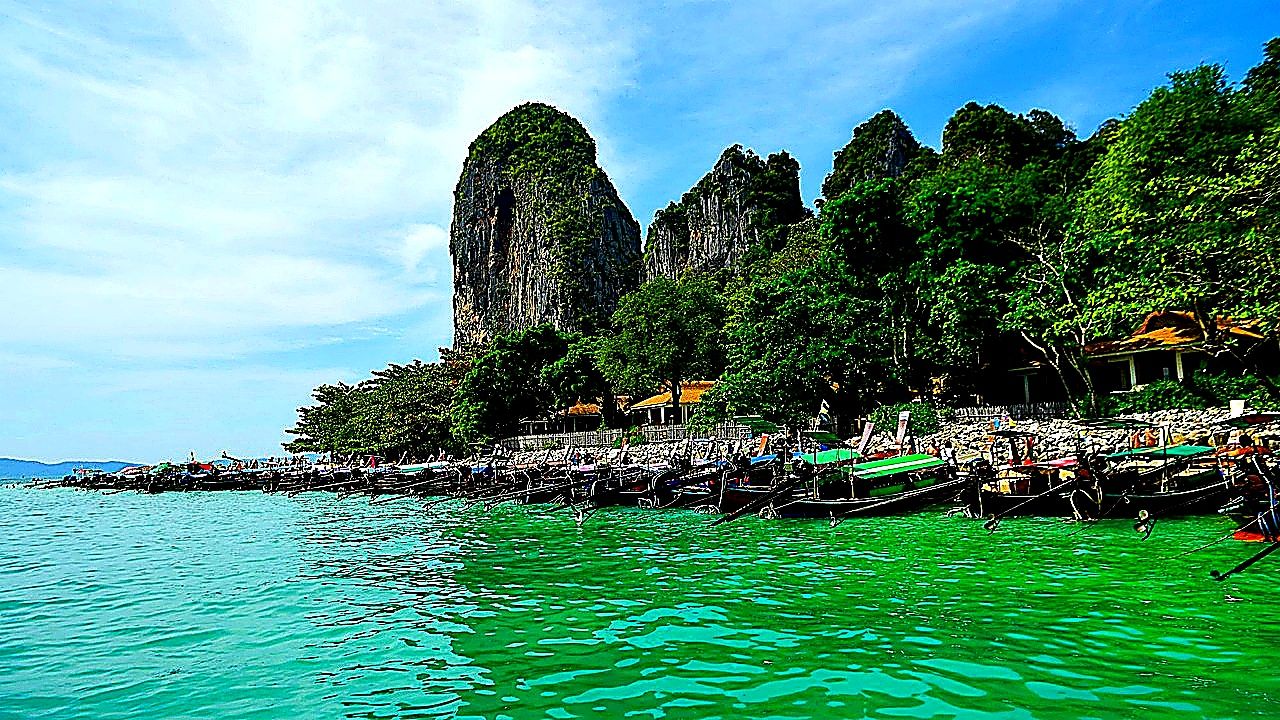
Phuket is the most developed: Patong is loud; the old town’s painted shophouses carry Southern Thai flavor. Krabi suits limestone sea-and-mountain scenery—Ao Nang, Railay, Phang Nga Bay, and James Bond Island are instantly recognizable. The Similan Islands have striking clarity, but the window usually opens only around November to April—confirm that year’s park notice before you go.
When: roughly November to April is best; around June to October the swell builds and some routes and island hops may stop. If you need beach time in Andaman peak wet months, look to the Gulf instead.
City pages: Phuket · Krabi. Nights and boats: Phuket: Four Nights, Five Nights, and the Boat in Between. Sample route: Phuket, Phi Phi & Krabi (9 days).
6. The Gulf of Thailand: Koh Samui, Phangan, Koh Tao
The Gulf runs on a different rhythm.
Koh Samui is more resort-like: Chaweng and Lamai are lively; Bophut and Mae Nam quieter. Koh Phangan has the Full Moon Party and quiet bays both. Koh Tao is known for dive training. Ang Thong Marine Park suits island hopping, kayaking, and hiking.
When: roughly January to September is friendlier; around October to December the Gulf’s rain peak arrives—especially Samui, Phangan, and Tao in late monsoon, so keep the plan flexible.
Gulf sample: Bangkok, Koh Samui & Chiang Mai. Island decision frame: How to Choose Thailand’s Islands.
7. The Far South: Koh Lipe, Trang, and Quieter Seas
For even fewer people, go further south.
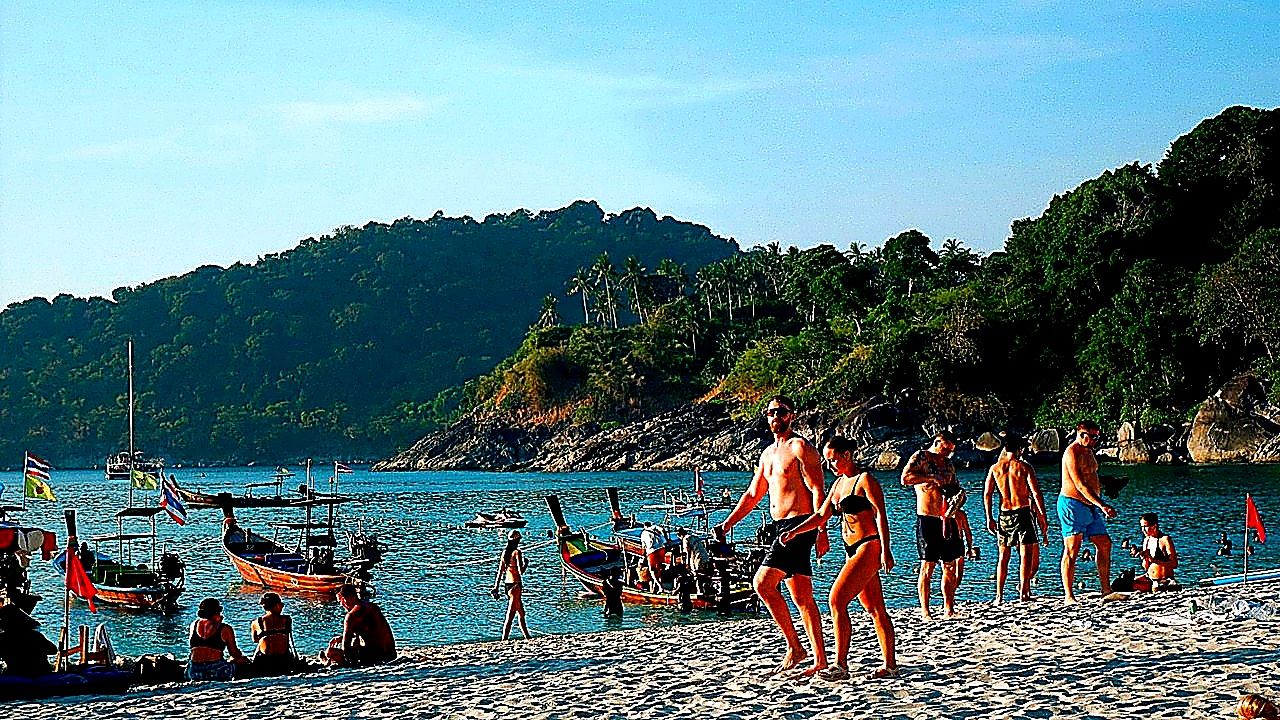
Koh Lipe’s water is blue and its sand fine—but high season still crowds it. The Trang islands (Koh Lao Liang and others) pair limestone cliffs with white sand and far fewer visitors. Awkward transfers are exactly what keep them quiet. They suit guests who will change boats twice—not a three-day forced island-hop marathon.
When: follow the Andaman’s main window, roughly November to April.
8. Food and Faith — Geography Decides Both
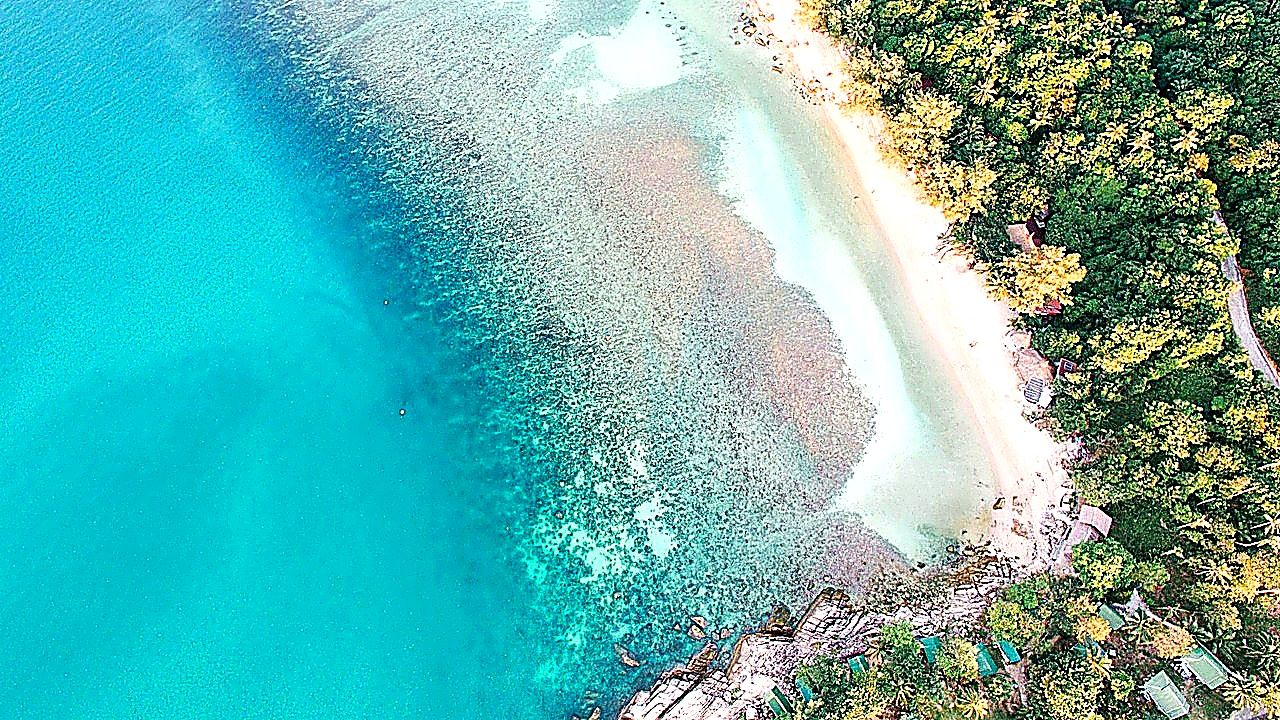
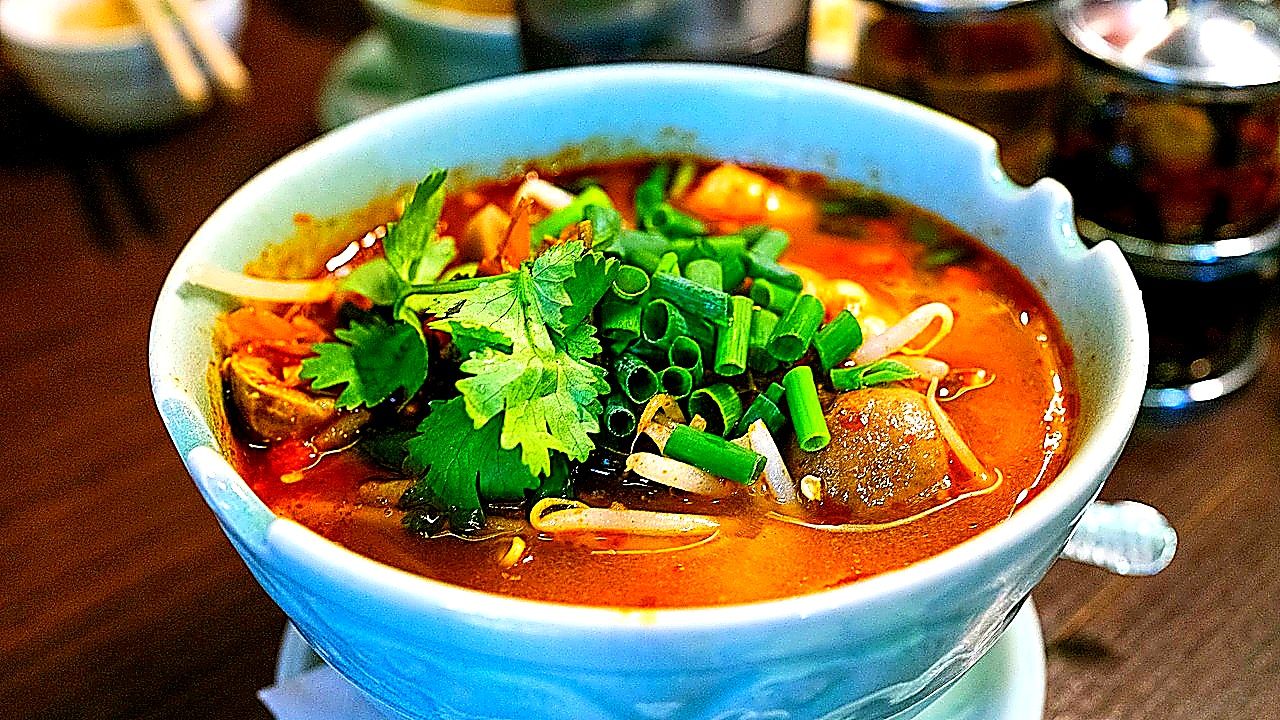
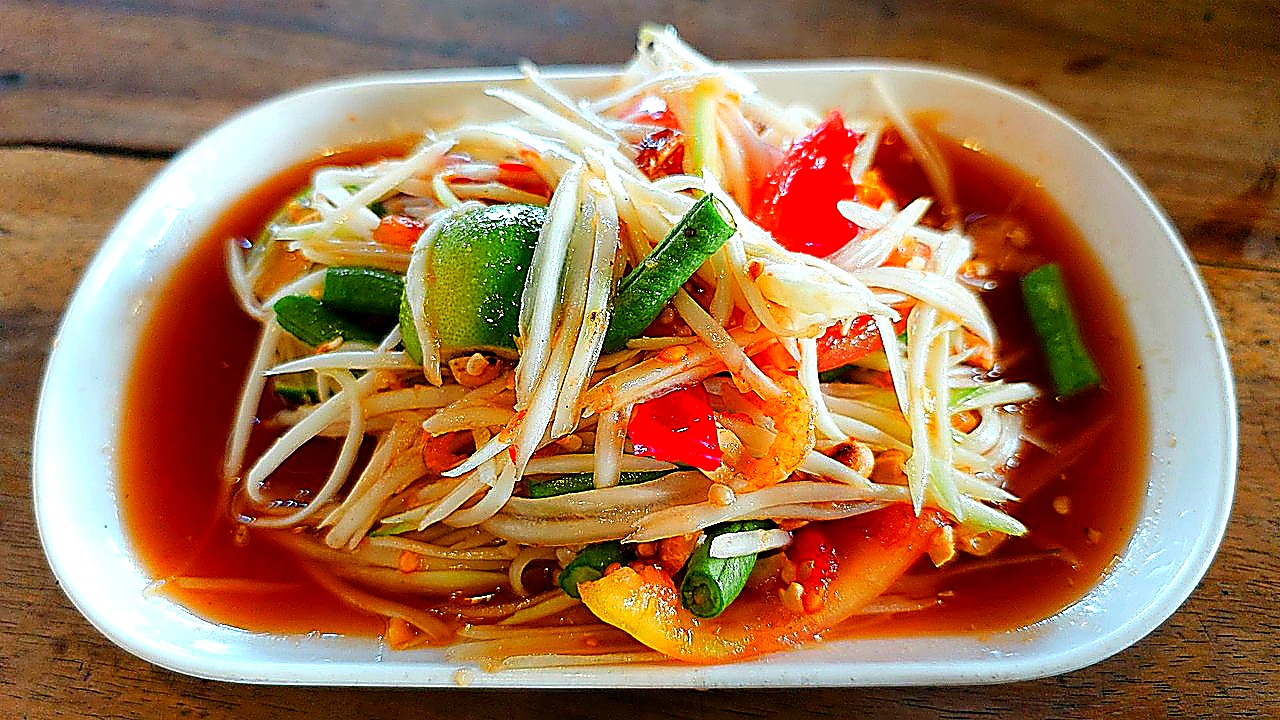
Food: Thai cooking balances sour, hot, salty, sweet, and bitter—but each region has its own table personality. The North leans gentler and richer (khao soi, dips, sticky rice). Isan is the most makes-do table (som tam, grilled chicken, pla ra). The Center is the most balanced—palace, Chinese wok, river fish. The South is the fiercest—seafood, coconut, turmeric; Phuket, a UNESCO City of Gastronomy, shows Chinese, Malay, Muslim, and Southern Thai tables in one town.
Days limited? Deepen one taste theme—Bangkok’s night-market line or Chiang Mai’s mountain line. Do not take one bite of all four and call it done. Full map: Thailand’s Food Has Four Faces.
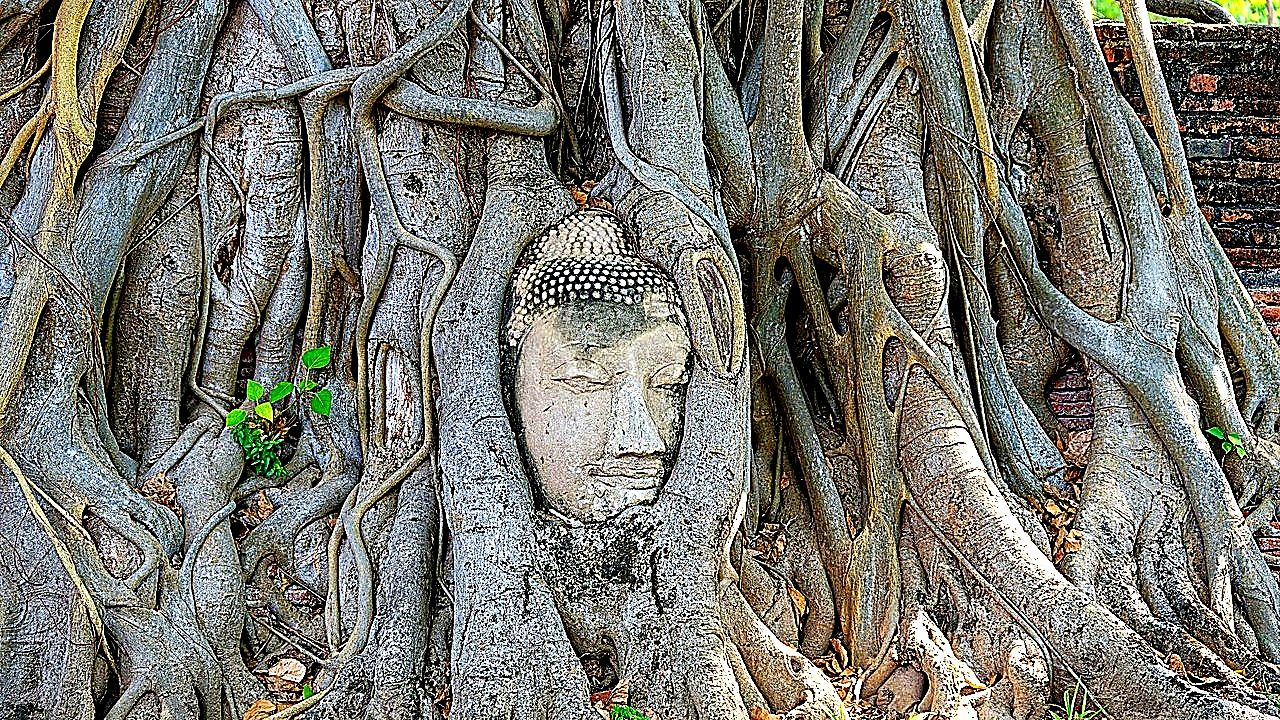
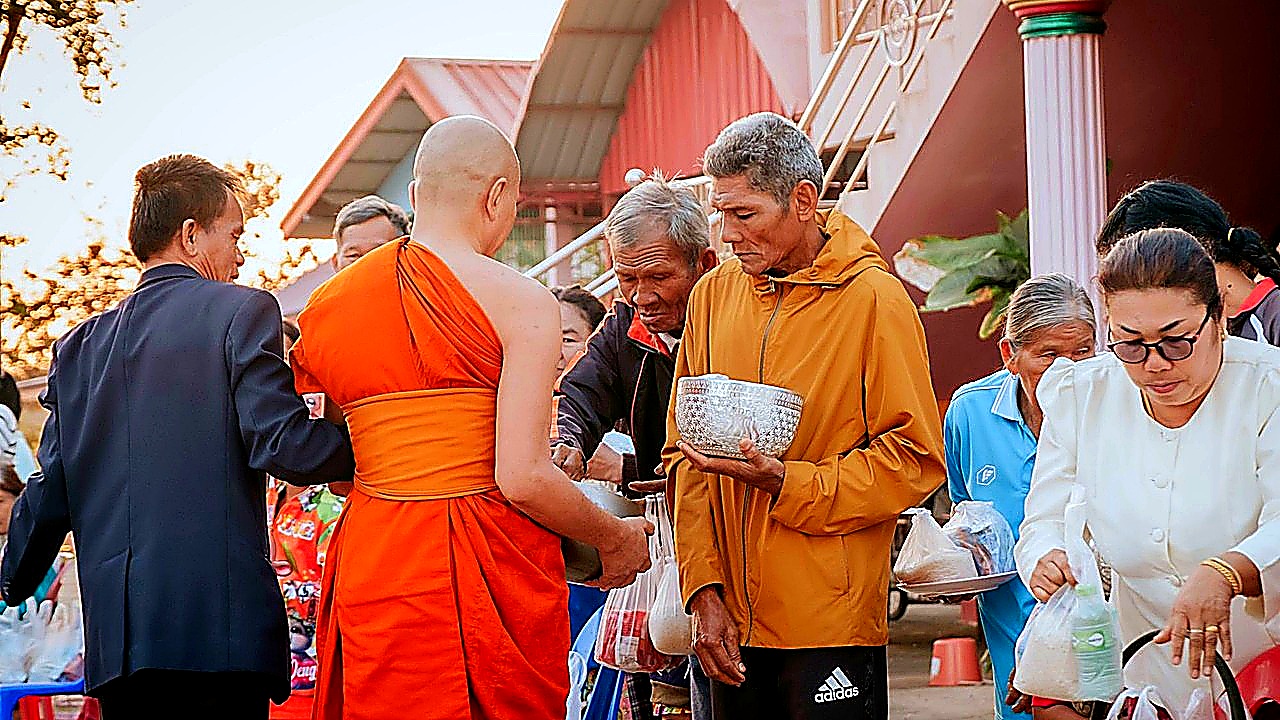
Faith: Theravada Buddhism runs deep—temples, monks, alms rounds, festivals. Chiang Mai’s old city is dense with temples. Bangkok’s palace and Emerald Buddha are solemn. Ayutthaya’s ruins keep the marks of fallen dynasties. Islam is Thailand’s second-largest faith, densest along the southern border; Bangkok’s Muslim communities are woven into city life. On one Southern street, the morning temple bell and the call to prayer can coexist. Ordinary vacation defaults land on mature points such as Phuket or Hat Yai—sensitive border districts are not a first flop-and-relax trip.
Etiquette: Thai Buddhism Explained · clocks: Thailand Has Two Faces.
9. Best Months at a Glance
- About November–February — most of the country: Bangkok, Chiang Mai, Ayutthaya, Kanchanaburi, Phuket, Krabi. Most comfortable peak; higher prices; book early.
- About March–May — Samui, Phangan, Tao, eastern islands. Inland muggy; North—check burning-season air Feb–Apr.
- About June–August — Samui, Phangan, Tao, Trat. Andaman and North rain more; lush, lower prices.
- About October–December — depends on coast: Andaman still workable vs Gulf rain peak. Right coast beats any random week.
East Marvel’s scheduling logic: decide which sea you want first (Andaman or Gulf), then read it against the month table. The two coasts’ wet and dry seasons complement each other. The right coast beats a hard-set date. Detail: When to Go to Thailand · How to Choose Thailand’s Islands.
10. A Deep North–South Route — and the Short Version
For roughly 15 days or more, when you want the country’s faces in one sweep:
- Bangkok, about 2 days — palace, temples, Chao Phraya, Chinatown, ICONSIAM, Chatuchak if the weekend fits.
- Ayutthaya / Kanchanaburi, about 1–2 days — ruins, River Kwai, bamboo rafts.
- Chiang Mai, about 3 days — old city, Doi Suthep, night markets, ethical elephants.
- Chiang Rai or Pai, about 1–2 days — White Temple / Golden Triangle, or slow mountain wandering.
- Ko Chang / Trat, about 2 days — rainforest, beaches, seafood (optional; if it competes with the Gulf or Andaman, go deeper on one coast instead).
- Andaman, about 3–4 days — Phuket or Krabi / Phang Nga; Similan in season.
- Gulf, about 2–3 days — Samui / Phangan / Tao—pick one direction, not all three.
- Far South, about 2 days — Koh Lipe or the Trang islands—add if you want to dodge crowds.
Short on days? Take only three or four stops: one slow (Chiang Mai), one lively (Bangkok), one loose (the right sea). That already sketches a three-dimensional Thailand. Do not cram the full north–south line into ten days.
Ready skeletons: Bangkok, Chiang Mai & Phuket (10 days) · 2-week itinerary · Gulf swap: Bangkok, Koh Samui & Chiang Mai · family pacing: multi-generational Thailand.
11. Frequently Asked Questions
First time—what is the minimum?
About 10–14 days: Bangkok, Chiang Mai, and one right sea. The full north–south sweep is for 15 days or more.
Do we have to do Phuket?
No. The month decides the coast. For quiet, look to Krabi / Lanta or the Samui side. See How to Choose Thailand’s Islands.
Is Isan worth a special trip?
For travelers who want fields and fiery flavor, yes. It is not a first flop-and-relax default.
What about the northern burning season?
Around February to April, watch the air index. If it is bad, shift to city and indoor stops, or move the mountains to November–January.
Andaman or Gulf—how do I choose?
Match the month first, then the mood (resort hub vs softer Gulf). The coasts’ wet seasons complement each other—picking the right sea beats locking the wrong beach.
12. Tell Us Which Thailand You Want
East Marvel has designed private Asia journeys since 1988. We do not ask whether the package includes Phuket. We ask whether you want the slow mountains, the lively river, the stubborn plateau, or the loose sea. Closed islands, burning season, and the two seas’ seasons go into the proposal notes. Hotels are chosen by rhythm, not pushed by star rating. The email quote is the price. Our guides and our proposals work in English. If someone traveling with you is more at ease in Chinese, say so when you write.
Easiest start: send your month, party size with children’s ages, your lean (slow / lively / folk-distant / pure beach), and the one stop you refuse to cut. We will mark the default city order, which coast should switch for your dates, and which days to leave open.
Published routes: Thailand tour packages. Write to contact@eastmarvel.com · WhatsApp +1 201 240 4890.
You do not need every Thailand in one week. Tell us which one first. We hold the mountains—or the right sea—around that choice.
Related reading: Thailand Has Two Faces · Thailand’s Food Has Four Faces · Thai Buddhism Explained · How to Choose Thailand’s Islands · How to Plan a Trip to Thailand in 2027 · Multi-Generational Family Trip · Thailand’s Market Culture.