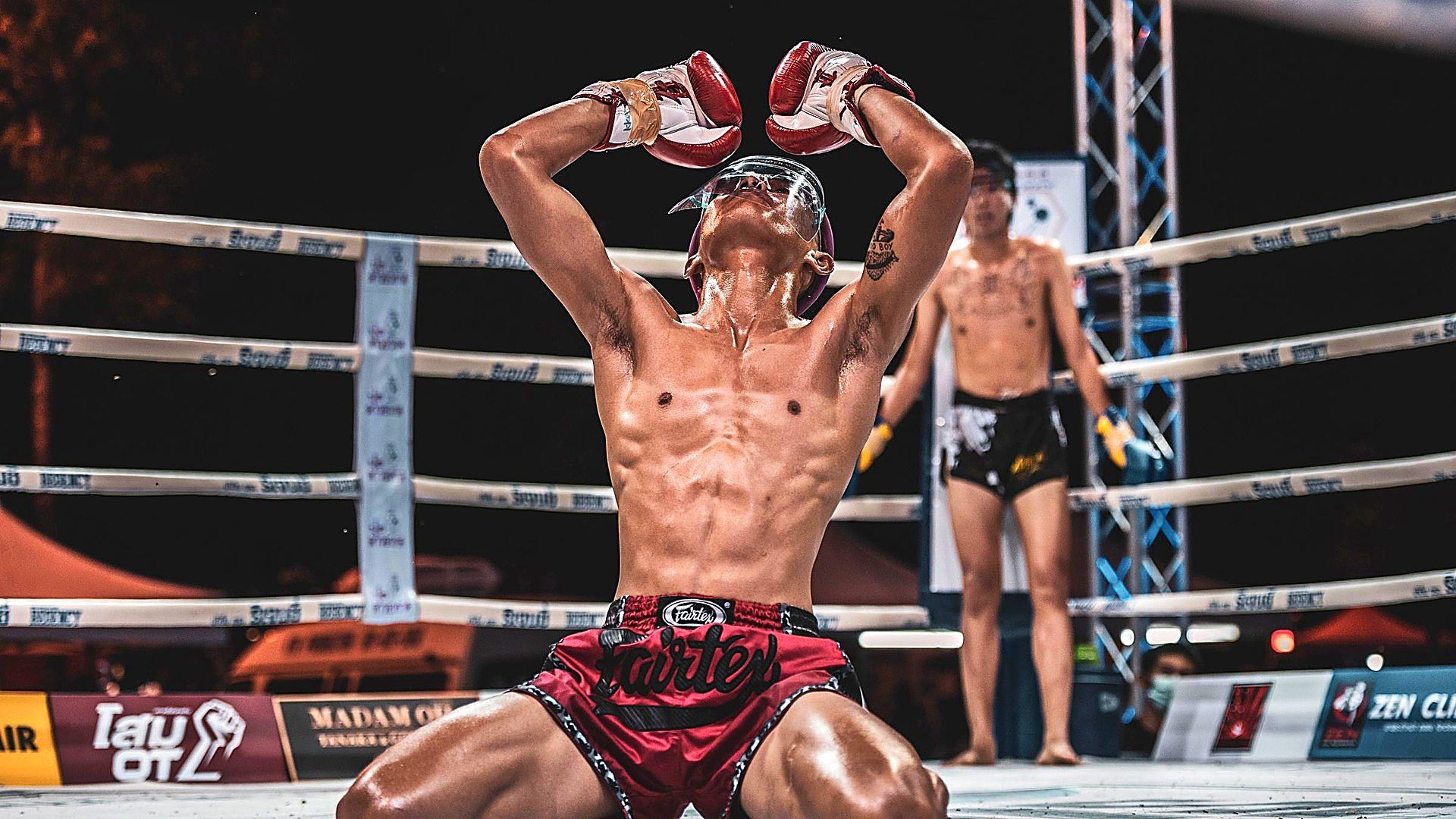
Ask a Western visitor for a first image of Muay Thai and you usually get two: a loudspeaker on a Phuket bar street, or rope-wrapped fists from a film. Both real—and both only the cover.
Open the sport and you see three layers stacked: physical technique (the “art of eight limbs”), a ritual system that bows before it strikes, and a mass entertainment industry that can lift a rural teenager—or leave him with scar tissue and no belt. Monks’ amulets at the ropes; families around a TV card; a gym in Isaan where food and a future arrive in the same bargain.
East Marvel’s default: we ask first—do you want to read a fight, take a class, or understand the culture without getting hit? Then we match city and night (Bangkok stadium card vs island entertainment show). Muay Thai goes into the itinerary as a cultural heavyweight, not as nightlife filler.
Series continuity: On default The Triangle or a kids’ Bangkok + one coast trip, Muay Thai is usually one evening or one session—not the spine. If it is your hard ask, we add it and name what it displaces. Triangle: First Time: 9, 10, or 12 Days. Kids coast: Thailand with Kids: Bangkok + One Coast. Hub: East Marvel Thailand.
1. What It Actually Is
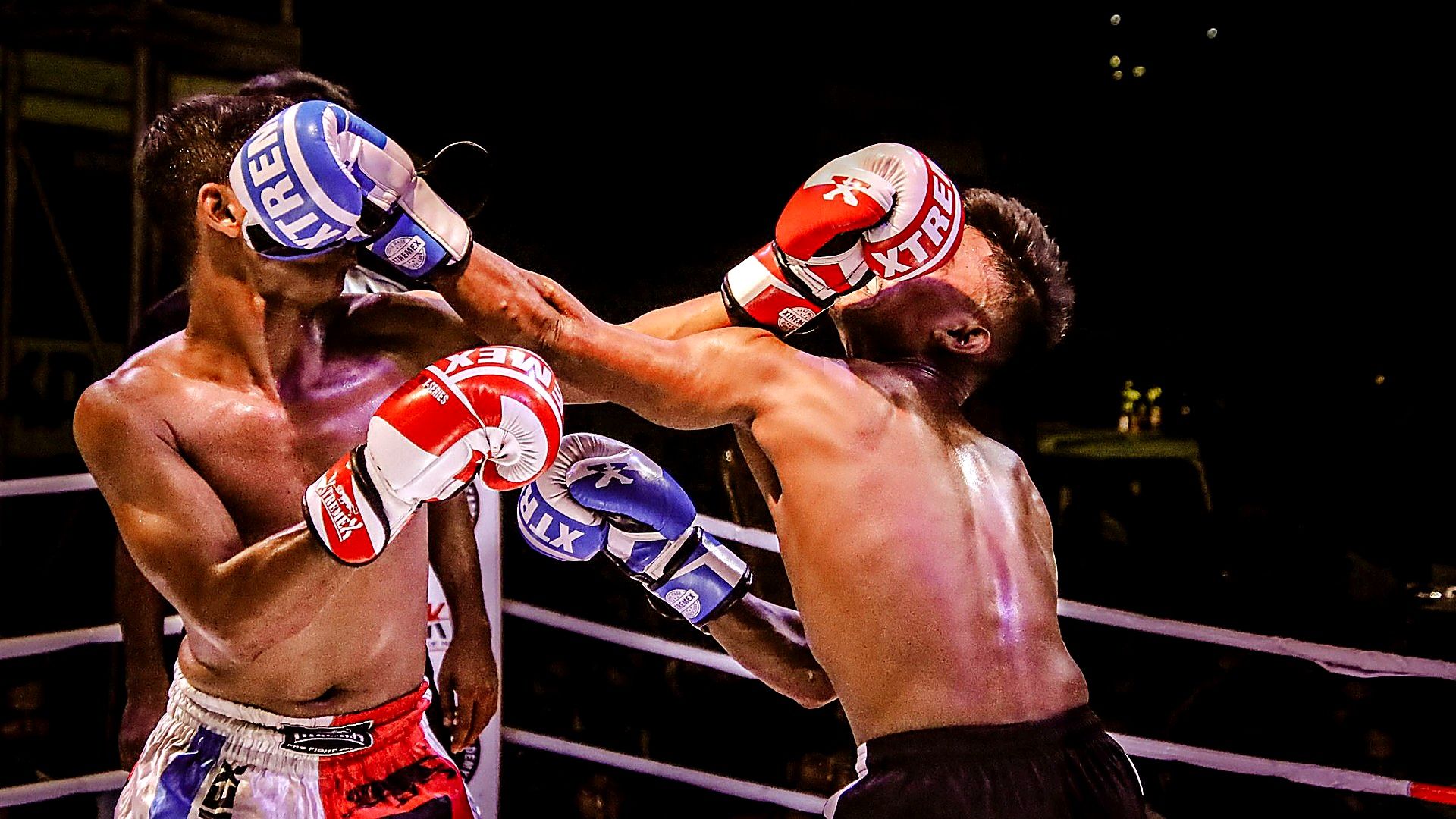
The root is not the bar. It is pre-modern close combat—skills that mattered when a weapon was gone and the body was still a weapon. Courts and festivals later made the skill watchable. Modern centuries added ropes, rounds, gloves, weight classes—so the tradition could enter sport commerce and television.
Late twentieth-century broadcast put Muay Thai in living rooms; global gyms and Hollywood put “Thai boxing” into Western fitness. Hence today’s split:
- In Thailand: profession, hometown honor, TV product, betting atmosphere.
- Abroad: often a fitness class, weight cut, or self-defense brand.
Both true. Travelers who only see the second miss the first’s thickness; travelers who chase only blood miss the ritual.
East Marvel’s read: you do not need a dynasty timeline. Remember one line—Muay Thai was a Thai body tradition before it was a global workout. Faith at the edge of many careers: Thai Buddhism Explained.
2. History: From Battlefield to National Sport
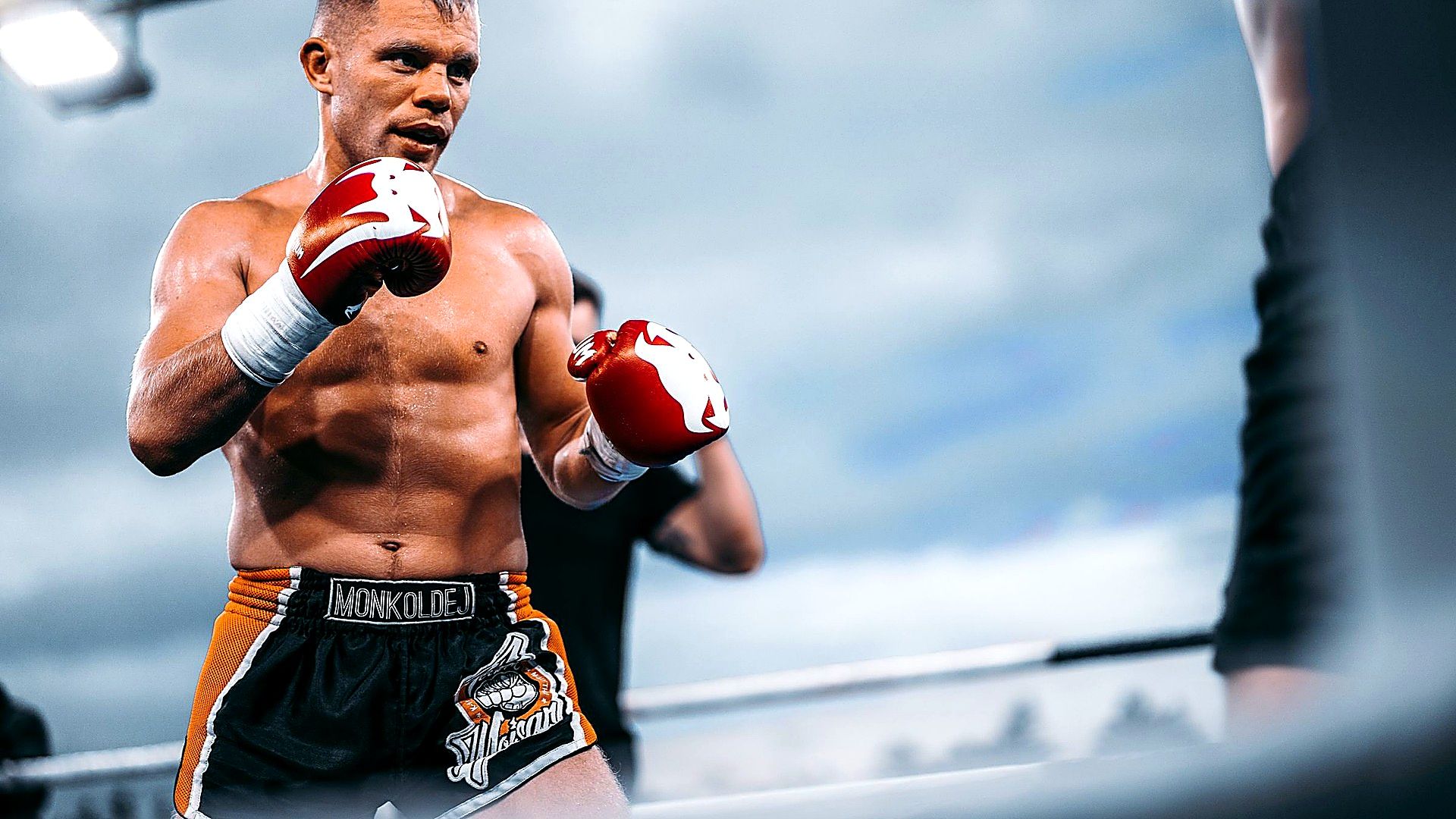
The root is not the bar. It is pre-modern close combat—skills that mattered when a weapon was gone and the body was still a weapon. Courts and festivals later made the skill watchable. Modern centuries added ropes, rounds, gloves, weight classes—so the tradition could enter sport commerce and television.
Late twentieth-century broadcast put Muay Thai in living rooms; global gyms and Hollywood put “Thai boxing” into Western fitness. Hence today’s split:
- In Thailand: profession, hometown honor, TV product, betting atmosphere.
- Abroad: often a fitness class, weight cut, or self-defense brand.
Both true. Travelers who only see the second miss the first’s thickness; travelers who chase only blood miss the ritual.
East Marvel’s read: you do not need a dynasty timeline. Remember one line—Muay Thai was a Thai body tradition before it was a global workout. Faith at the edge of many careers: Thai Buddhism Explained.
3. Ritual: The Three Minutes Before the Bell
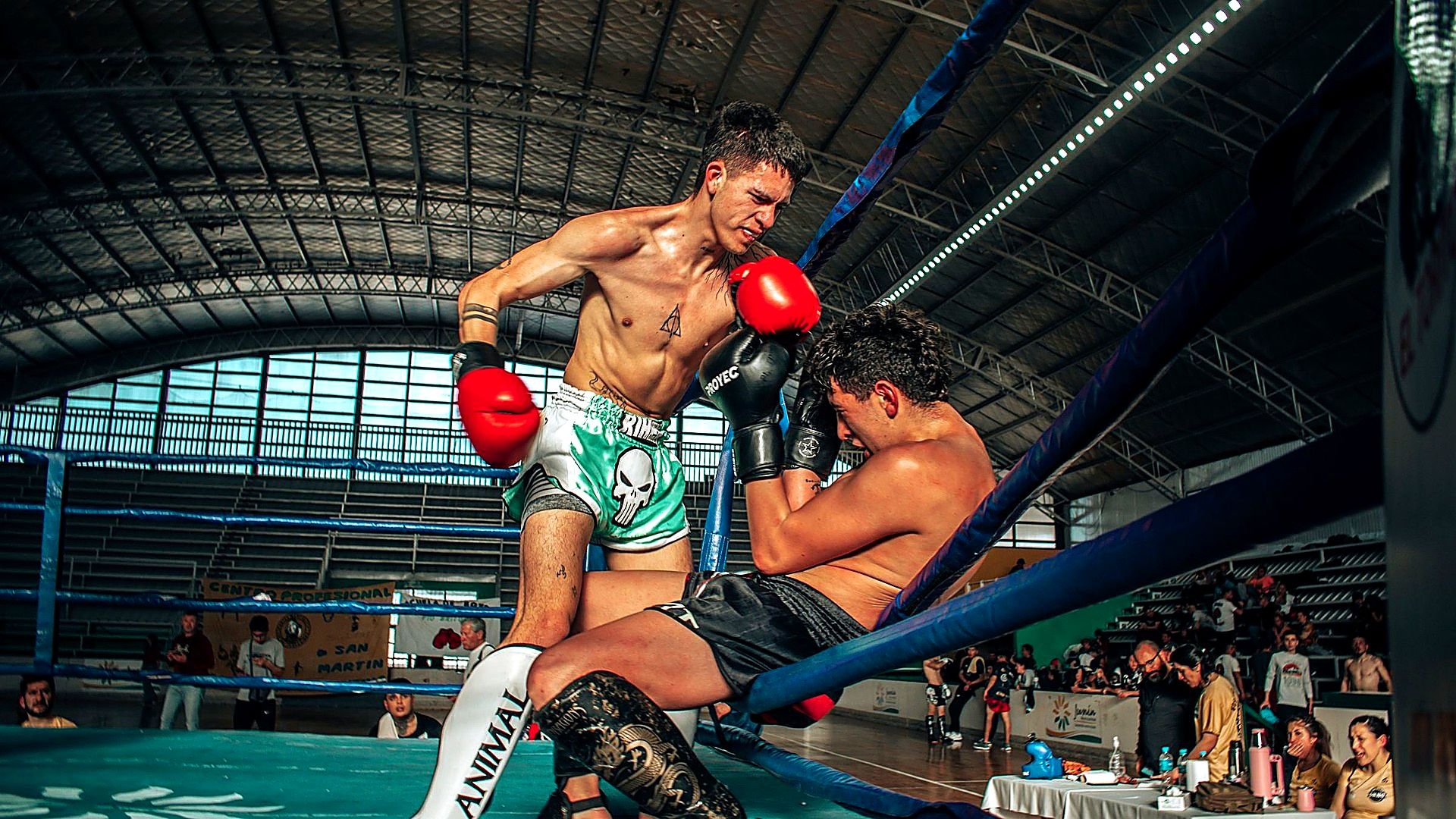
This is the layer worth ten minutes of Western attention—and the easiest to ruin with a selfie.
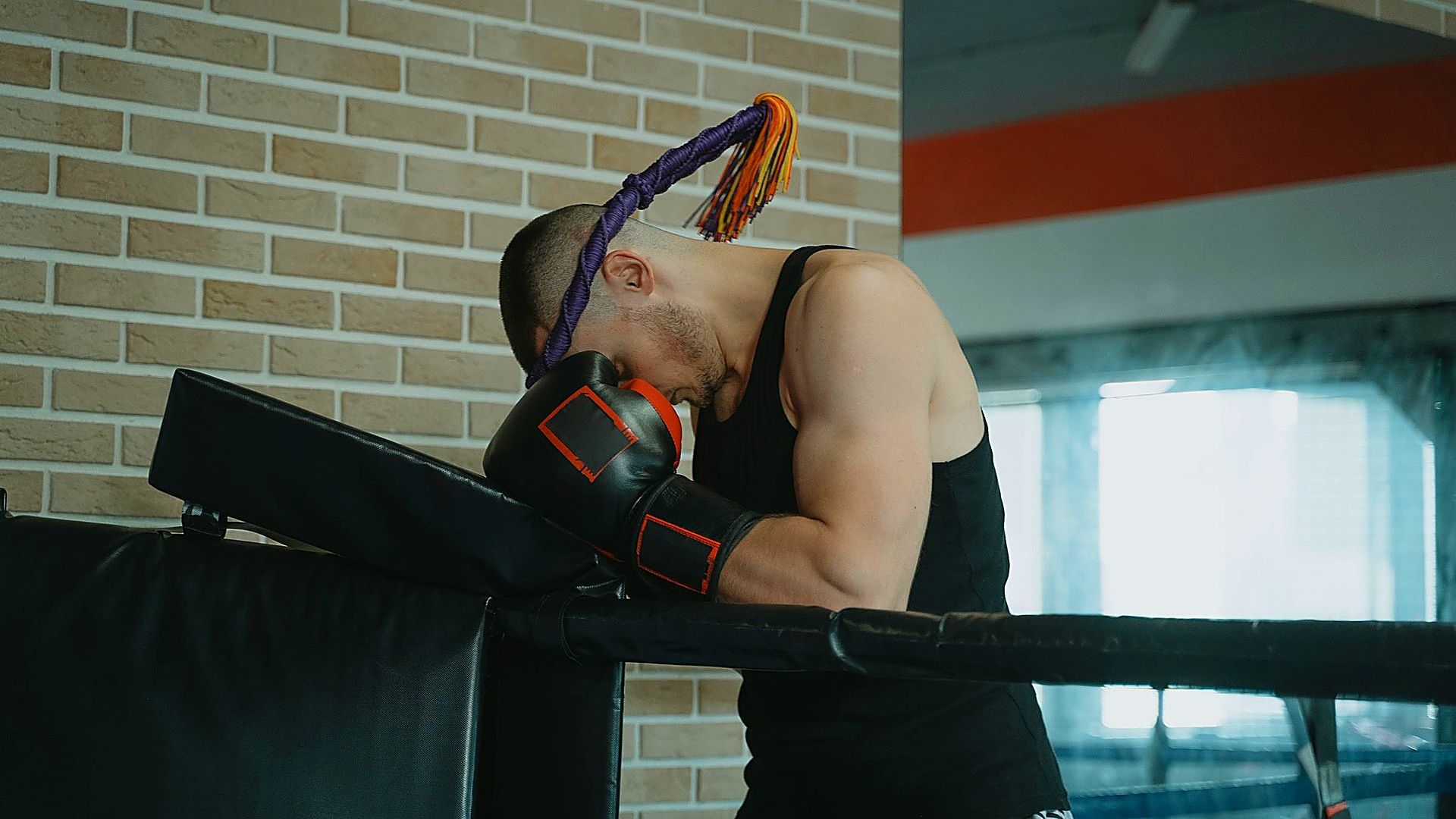
- Wai Khru / Ram Muay — A ritual dance before a bout or formal session: thanks to teachers, parents, land, protection. Details vary by gym and fighter—like a signature. Talking over the music or blocking the aisle is the cultural equivalent of filming someone mid-prayer.
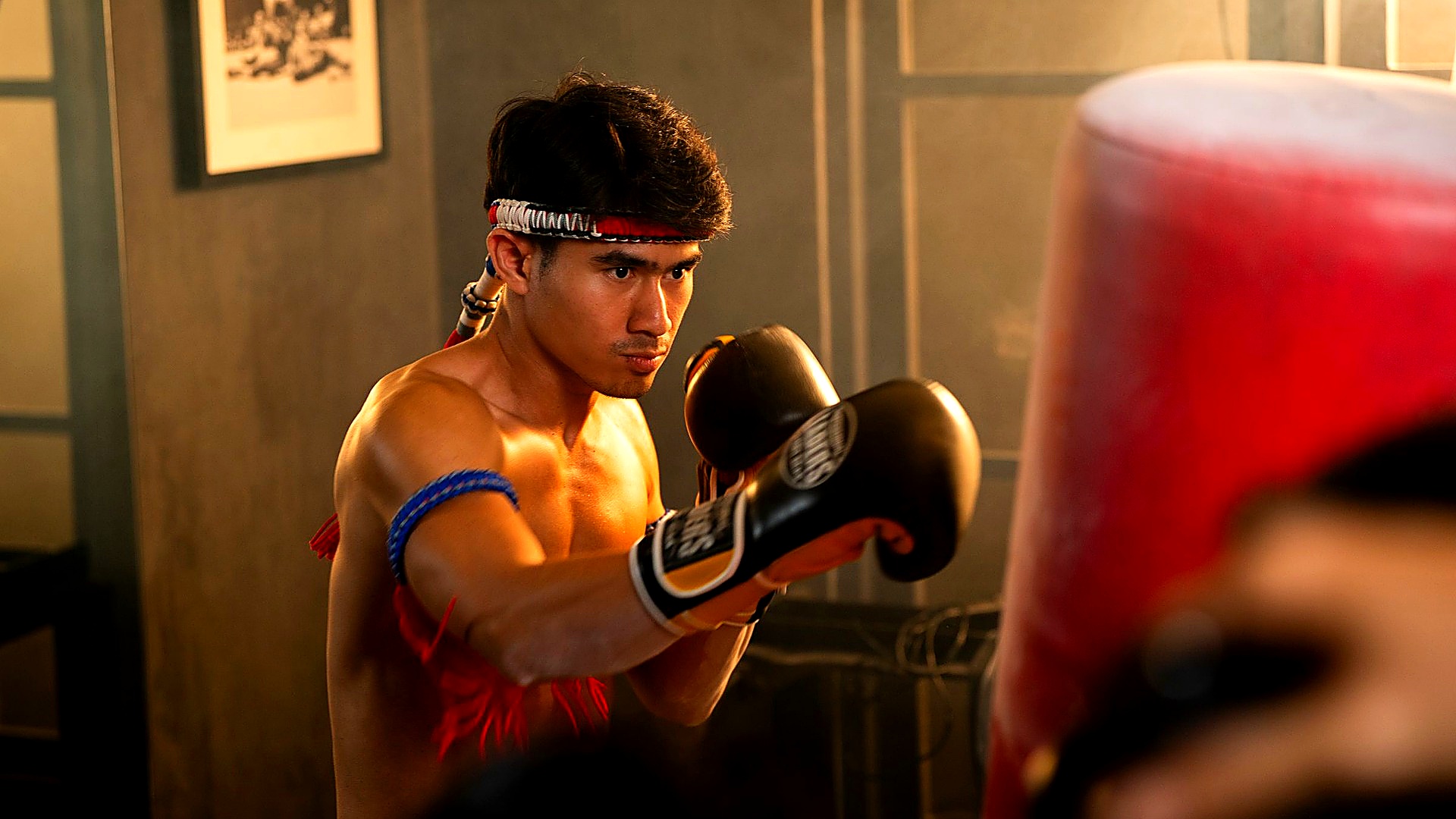
- Mongkhon and pra jiad — The headband is usually placed and removed with the coach’s hand and carries ritual weight; armbands speak of luck and belonging. They are not costume jewelry.
- Respect inside the rules — Hardship inside the rules is expected; humiliation outside them is not. Applause that knows the sport goes to timing and courage—not only to blood.
- Faith at the edge of the ring — Amulets, blessings, temple stories sit beside many careers. You need not share the belief; you should not assume “violence show = no sacred.”
One line: culture is not how fancy the kick looks. It is completing the debt to lineage before the sport allows cruelty.
4. The Shape of a Fight—and the Two Stadium Names
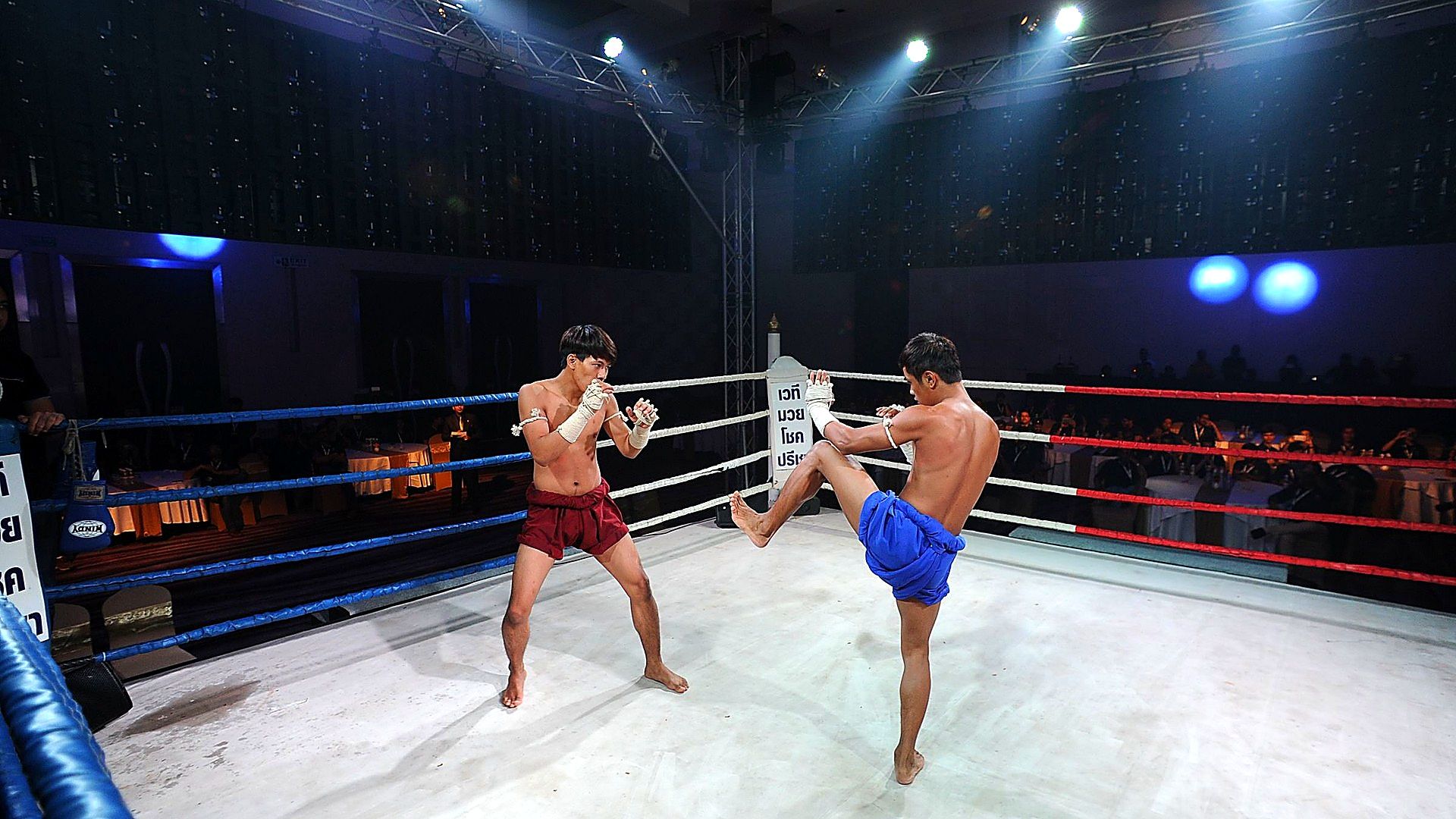
A Bangkok “proper card” night is not a five-minute clip. Budget gate, seating, undercard, main fights, exit—often a full evening. Music, scorecards, and crowd noise are part of the machine.
Two names Western guests will hear:
- Rajadamnern (Ratchadamnoen) — Historic Bangkok stage; old-town side; strong “first proper stadium night” atmosphere for many visitors.
- Lumpinee — The other prestige name; modern north-Bangkok arena era (Ram Inthra); big televised / promotion cards in recent years.
Schedules, promoters, and ticket channels change—we lock the actual card and seat tier on your dates, not on a blog diagram.
Women in the ring: for decades the grand stadiums kept women out of the sacred canvas under older taboo. That wall has been cracking in the 2020s (Lumpinee and Rajadamnern both staged landmark women’s bouts). City gyms already had far more female coaches and foreign women training. Your travel product is usually the gym or a mixed card—not a history lecture ringside.
Ticket ballpark (foreign visitor seats; confirm at booking): stadium tourist / standard tiers often land roughly THB 1,000–3,000+; true ringside / VIP packages climb sharply (sometimes toward THB 10,000 on big cards). Hotel “VIP” bundles can be the same seat with a transfer markup—compare tier name, not the word VIP. Touts outside exist; official windows and named partners beat the sidewalk.
Island entertainment nights exist too—and are denser as show than as championship: Phuket destination.
5. Social Standing: Narrow Gate, Glow, and Wear
If you read Muay Thai as only “underground fighting,” you mis-seat it. In Thailand it is a highly visible popular profession—glamour and damage in the same frame.
- The narrow gate — Especially in tighter economies (Isaan stories are common), a gym can mean food, board, and a chance at purse money. It is social mobility with a low hit rate and a real injury bill—not a novel.
- Stars and everyone else — Champions reach TV and ads; most careers stop at provincial cards, short runs, or a second trade. Respect attaches to “skilled and mannered,” not automatically to a middle-class salary.
- Gambling atmosphere — Cards and broadcasts often sit next to betting culture. For guests, that is part of the noise; for families we choose quieter gym visits or carefully briefed stadium nights—not a “bring the toddler to the loudest drum” default.
- Child boxers — Underage fights exist in the wider ecosystem and draw justified Western concern. East Marvel does not sell child bouts as a tourist attraction. We steer adults to adult cards and gyms; if the topic comes up, we discuss ethics, not photo ops.
One line on status: national recognition for the sport; individual lives on a long spectrum between halo and scar.
6. Four Things Visitors Misread
- Muay Thai = bar show — Island entertainment exists. A stadium card and a beer-bucket demo are different densities. Say which you want.
- One class = ready for five rounds — A trial teaches stance, basics, and etiquette—not a pro challenge. Good coaches stop at safe; pressure to “go hard” is a red flag.
- More blood = more authentic — Authenticity shows first in ritual, timing, and gym manners. Blood can happen; it is not a quality KPI.
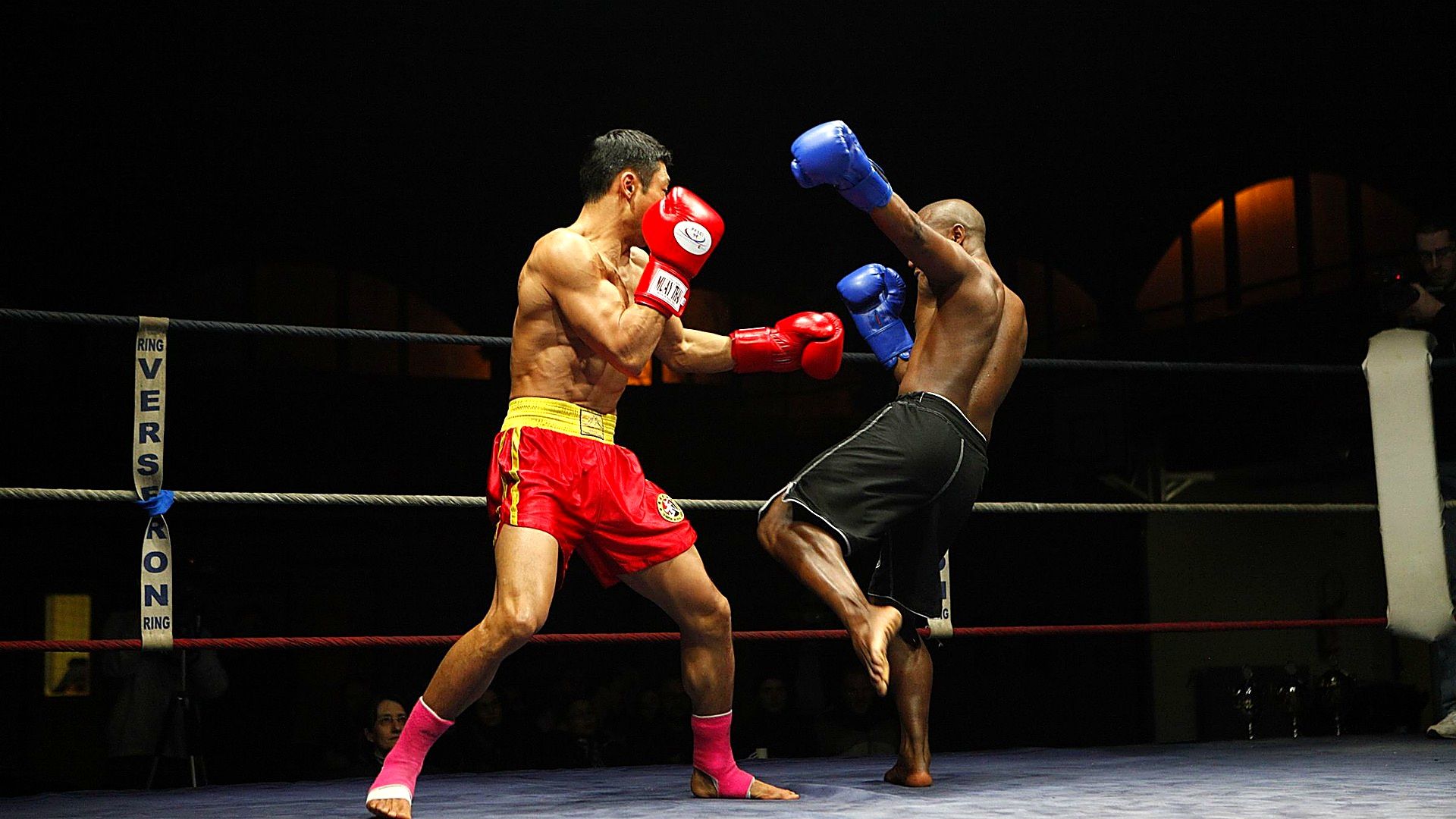
- “Just like kickboxing” — Shared tools, different elbows/knees package—and a ritual layer Western kickboxing rarely carries.
7. How to Put It in a Trip
- Stadium / proper card — Best for guests who want social heat + ritual. Bangkok when possible; seats and transfer written; brief etiquette before the gate.
- Trial class (~90 min) — Best for guests who want the body memory. Reputed gym; warm-up, basics, Wai Khru explanation; no forced sparring.
- Gym visit + talk only — Best for seniors, kids, non-fighters. Observe and understand—no contact.
- Tourist show — Atmosphere photos only. Labeled entertainment—not “traditional championship” copy.
One heavyweight per day: palace morning + evening card can work; palace + floating market + card + club night does not. Day-and-night clocks: Thailand Has Two Faces. Family default still parks loud cards: Thailand with Kids.
8. What We Would Do / Would Not Do
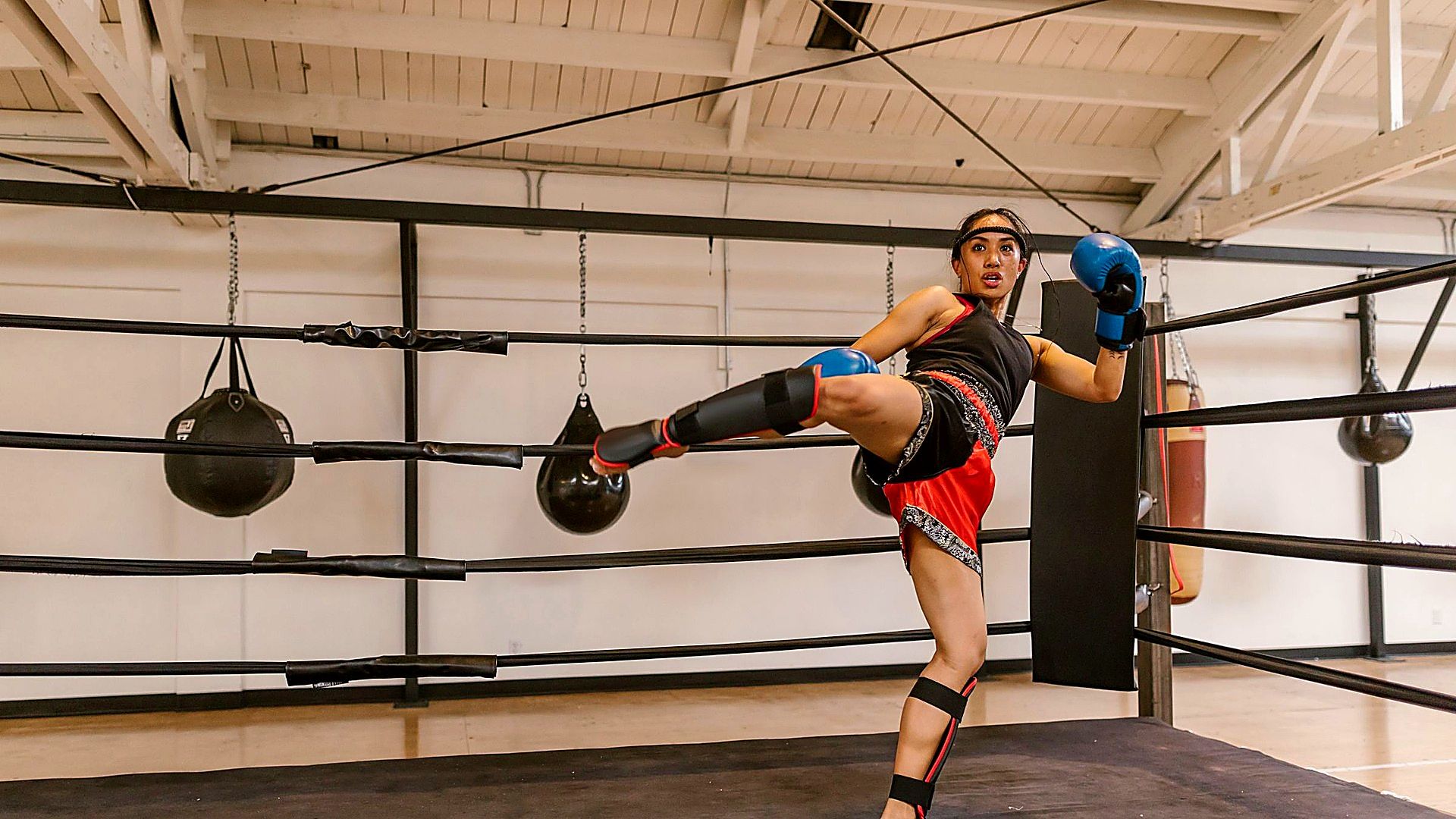
We would
- Brief ritual before fists.
- Prefer named stadiums / named gyms; print seat tier and pickup.
- Confirm age, injury, fitness before a class.
- Keep families away from the noisiest betting-floor energy unless adults insist after briefing.
We would not
- Market “guaranteed blood.”
- Put minors into inappropriate cards without clear parental brief—or sell child fights as content.
- Write a bar show as a championship night.
- Force sparring against a coach’s stop.
9. Frequently Asked Questions
Can we bring children?
Gym visit or a carefully chosen adult-briefed evening can work; loud betting-floor cards are a no by default. We stay conservative.
Will it be gory?
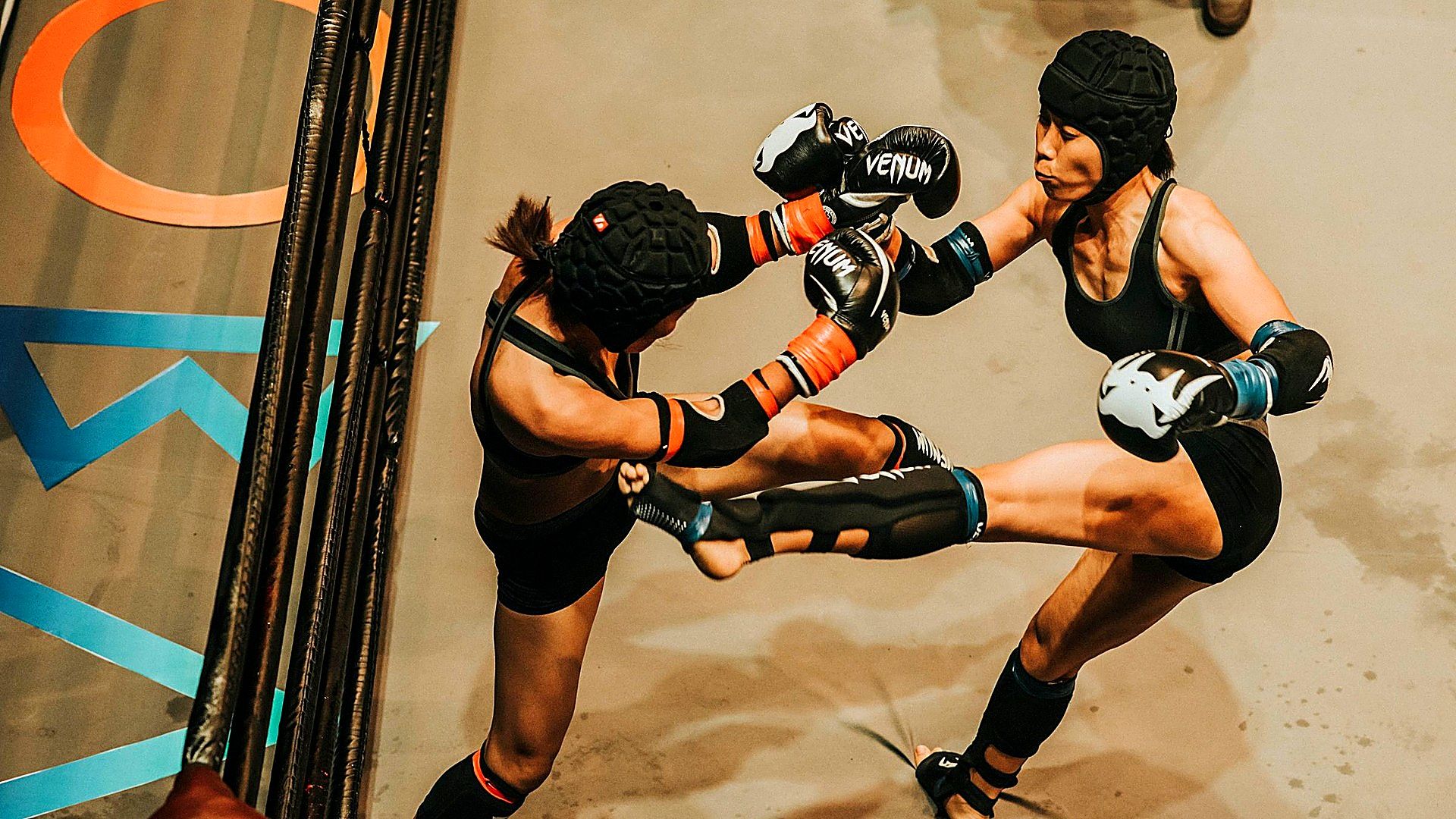
Pro cards can be hard and may draw blood. They are not staged “for blood.” Sensitive guests: class or gym visit.
What to wear?
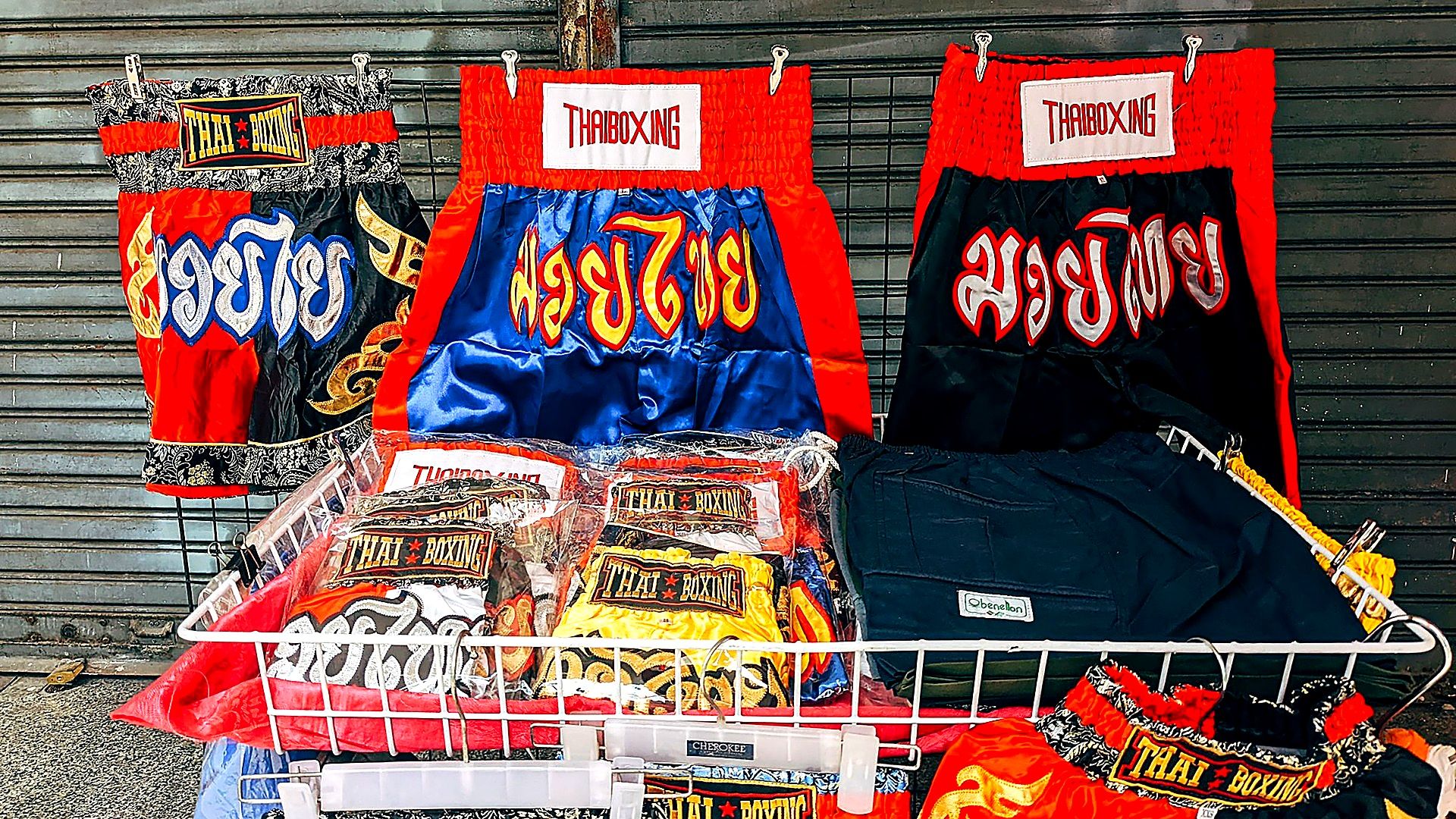
Watch: comfortable; follow venue dress norms. Class: training kit; remove jewelry as the gym asks; expect barefoot work.
Same as MMA or Western boxing?
Overlapping tools; different rule package—and the Wai Khru layer is the Thai tell.
Is a tourist show worth it?
As entertainment, sometimes. As your only culture class, no—add a real card or a good session.
10. Tell Us Watch, Train, or Understand
East Marvel has designed private Asia journeys since 1988. For Muay Thai we ask: watch, train, or understand only? Venue, class, and transfer go into the written itinerary; guides match “can you read it,” not shopping stops. The email quote is the price. Our guides and our proposals work in English. If someone traveling with you is more at ease in Chinese, say so when you write.
How to start (send this—we reply with one evening or one session):
- City (Bangkok / Phuket / Chiang Mai…)
- Date window
- Watch / class / visit only
- Party ages
- Injuries / fitness limits
- Tolerance for noise and crowds (and whether kids are in the group)
We lock the card or gym slot first, then the evening rhythm—one cultural heavyweight, not nightlife filler.
Published routes: Thailand tour packages · Bangkok destination · 10-day Triangle. Write to contact@eastmarvel.com · WhatsApp +1 201 240 4890.
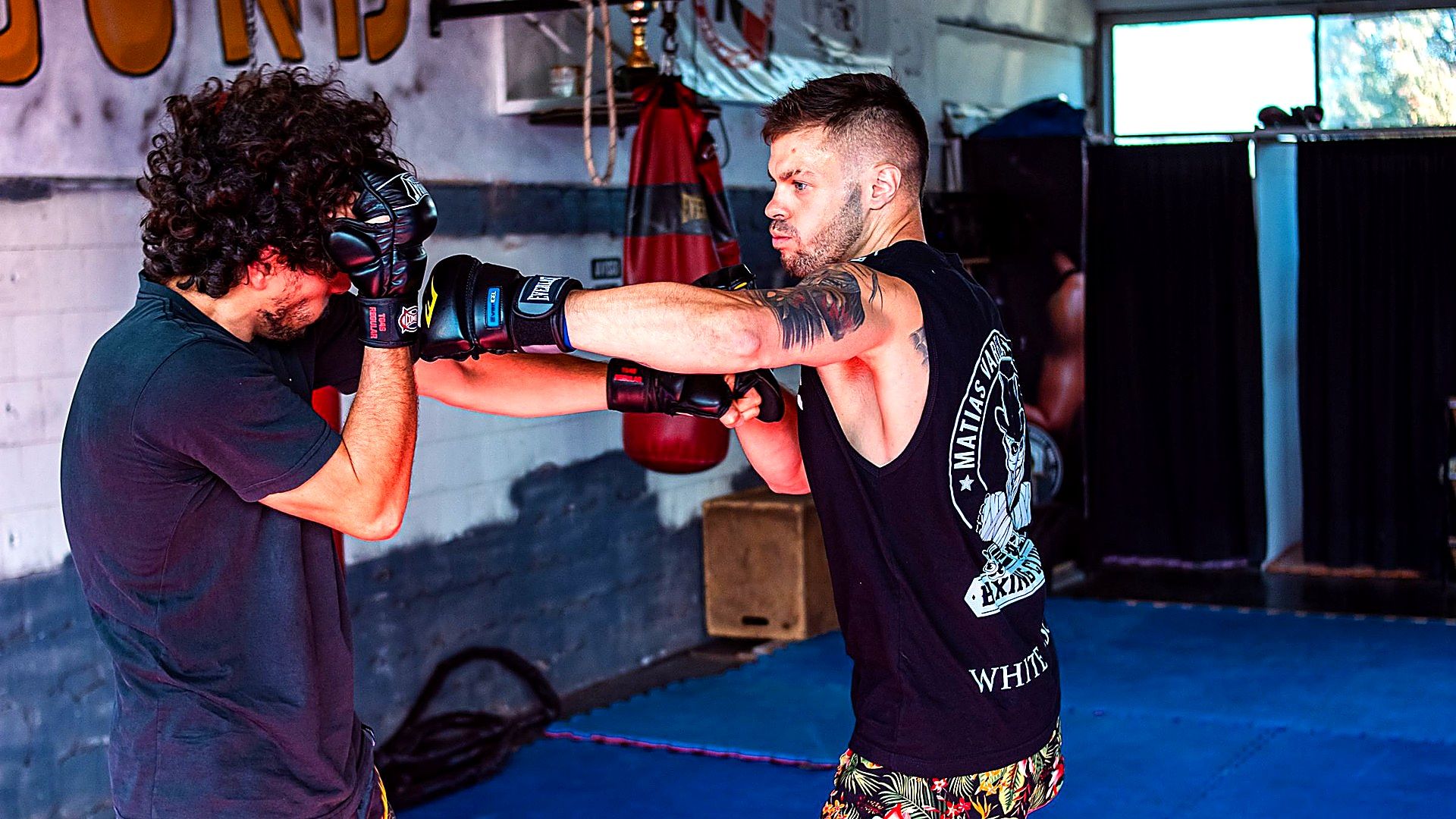
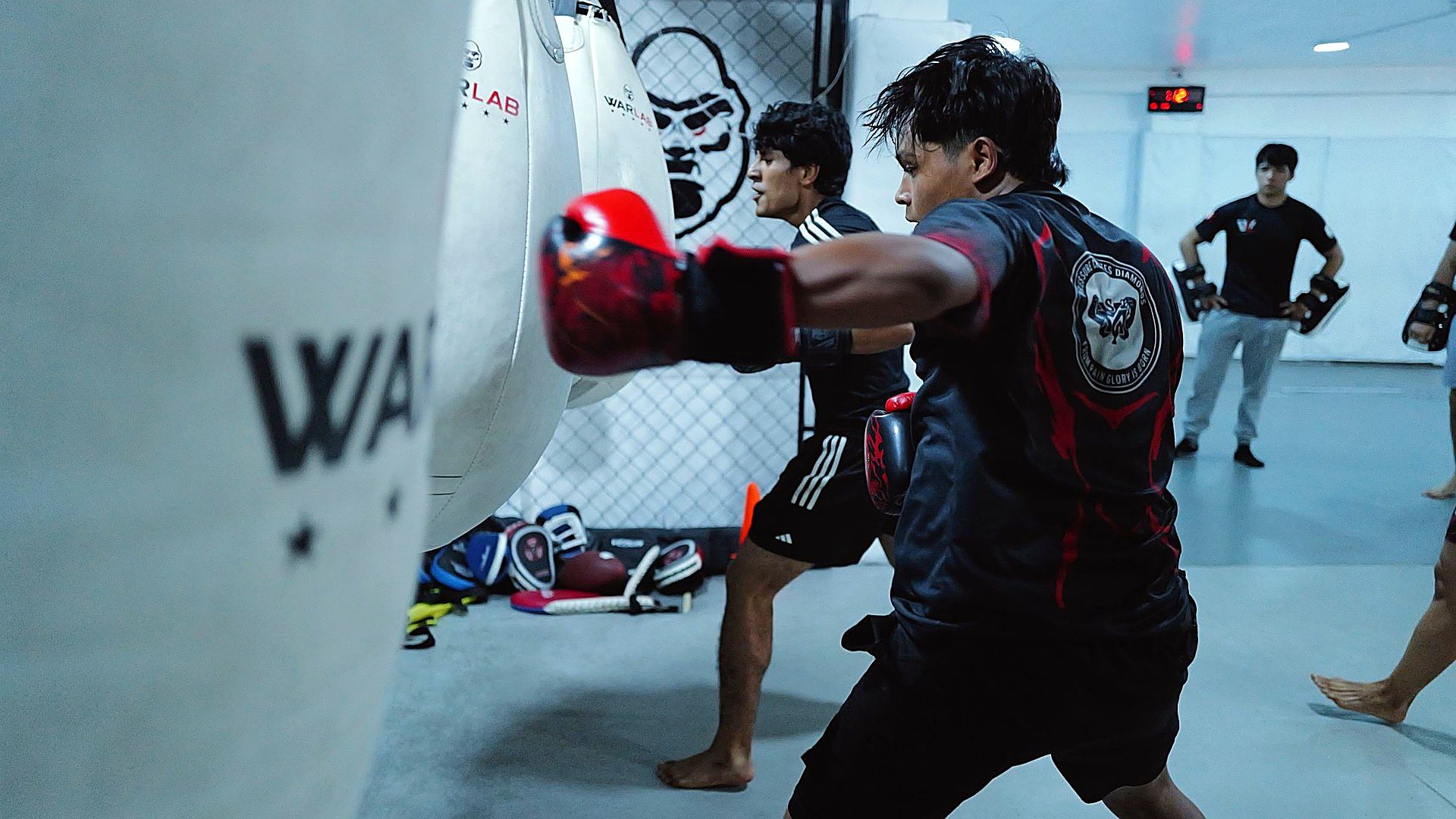
If you want that layer on the itinerary, send city, date, and watch / train / understand. East Marvel will pace it as a cultural heavyweight—so you leave with a Thailand you can read, not only a clip of two people trading kicks.
Related reading:
First Time: 9, 10, or 12 Days ·
Thailand with Kids: Bangkok + One Coast ·