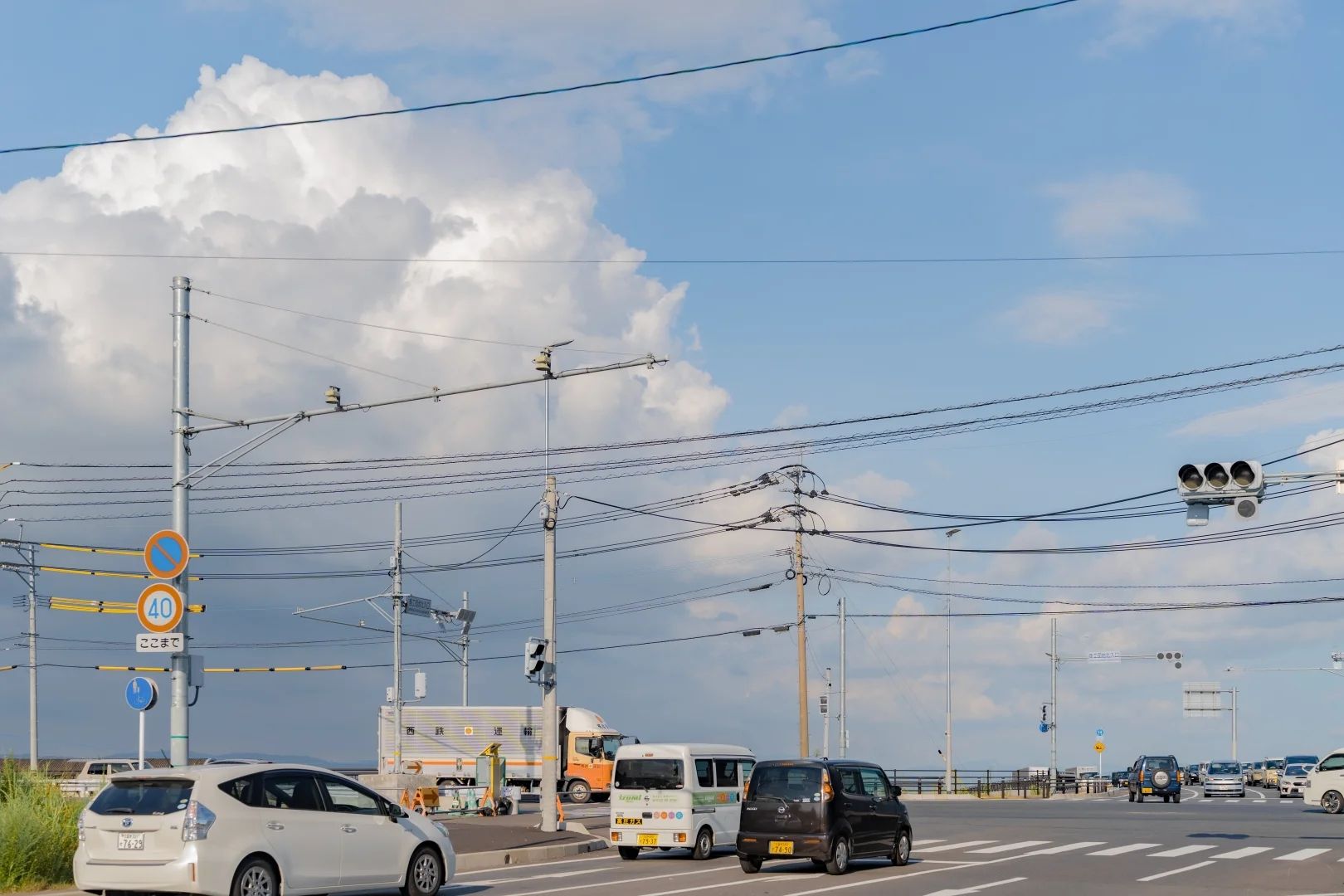
Most first-time Japan plans treat Fukuoka as a layover with better soup: land at Fukuoka Airport, one tonkotsu bowl near Hakata Station, one Canal City photo, then a morning flight or shinkansen elsewhere. The city was on the ticket. The city was not in the trip.
That is enough to pass through Fukuoka. Not enough to eat your way into it.
Fukuoka opens on a different clock than Tokyo's layers or a Hakone onsen night: subway minutes from the domestic terminal into Hakata; Kushida and the old festival streets when you are not racing a boarding call; Nakasu yatai steam when cash and a short stool still matter; Tenjin after dark; Dazaifu's plum-cake approach when the shrine is a real half-day, not a checkbox from the airport curb. All of that needs nights in Hakata or Tenjin, not a single hungry evening treated as Kyushu's leftover.
East Marvel's default: at least 2 nights, and 3 feels right. That is the city food layers plus one Dazaifu day, without diagonal exhaustion. With 4 nights, we seriously add one regional day, Yanagawa, Itoshima, a Mojiko or Kokura face, or the start of a wider Kyushu block, without stealing the yatai evenings. If the whole Japan trip can spare just 1 night, we cut to a classic food landing, and tell you which layer you miss. Yufuin, Beppu, Nagasaki, and a full Kyushu loop are named products. They are not free footnotes on a short Fukuoka stay.
Same method as the Hakone, Osaka, and Tokyo guides: layers, not landings; one heavyweight per day; geography before the photograph. Fukuoka is Kyushu's door and kitchen. It does not stand in for Osaka's Minami nights or Hakone's soak. Protect Tokyo's 3–4 night layers when the capital is on the quote. Do not stack airport ramen, a Dazaifu sprint, and same-day Nagasaki as one light day.
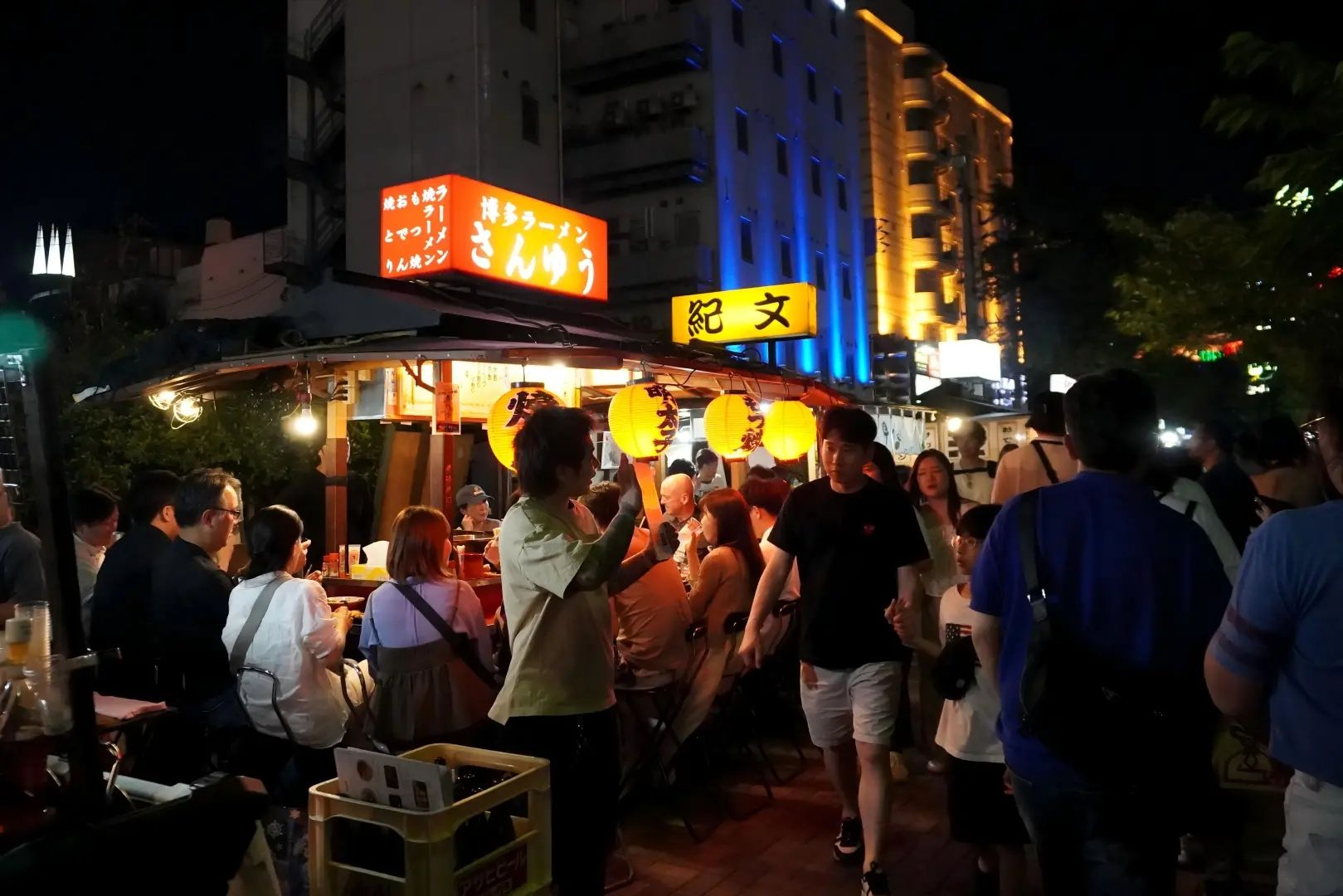
What Fukuoka is: a Kyushu door misread as a ramen layover
Fukuoka is Kyushu's largest city and one of Japan's easiest international gateways: a compact subway spine, serious food pride, and a festival city. Hakata Gion Yamakasa still shapes the civic calendar. It is not Osaka, smaller. It is a place where appetite and access share one line: Airport Line stations, river yatai, a station depachika, and day trips that leave from the right face of town.
It is usually treated as the door out of, or into, Kyushu: land, eat, leave. But if Japan reads as Tokyo layers, Kansai temples, and one Hakata bowl, Fukuoka is the city you skipped while photographing the noodles.
For Western guests who know port cities, night-market stools, or compact European capitals more than shrine circuits, Fukuoka's familiar strangeness hits hard: big-city energy without Tokyo's transfer tax, food that refuses to whisper, and an airport that can put you downtown before your jet lag finishes its speech.
Hakone asks you to move into the soak. Osaka asks you to move into nights and Kansai trains. Fukuoka asks you to move into food nights and a clean Kyushu radius: Hakata logistics, Tenjin evenings, one shrine day, then, only with the nights, a second Kyushu bead.
Two faces: Hakata and Tenjin
Hakata. The JR, shinkansen, and highway-bus hub, and the closest easy subway hop from the domestic airport terminal. Old Hakata streets, Kushida, the Kawabata arcade, a walk through Canal City. Best when arrivals, departures, and Kyushu rail matter. The first-timer default when luggage and trains dominate.
Tenjin. The Nishitetsu door toward Dazaifu and Yanagawa, with shopping and cafe density, and a closer rhythm to Ohori Park and the castle-ruin walks. Best when Dazaifu mornings and evening strolls are the point. Nakasu sits between the two faces. It is yatai geography. It is not a third hotel strategy by itself.
From the domestic terminal, the Airport Line subway to Hakata is often about 5 minutes, two stops. Tenjin is about 10 minutes. Confirm the live fare. The international terminal needs the free inter-terminal shuttle first. Print that hop, so "five minutes to Hakata" does not become a luggage surprise. Hakata to Tenjin is only a few subway stops, often about 5 minutes.
Two faces, one compact subway. That is why Fukuoka deserves 2–3 nights. With 1 night you get soup and little else. With 2 you fold in yatai and one city face. With 3 you add Dazaifu, or a second deepen of the city, without pretending Kyushu is a single station.
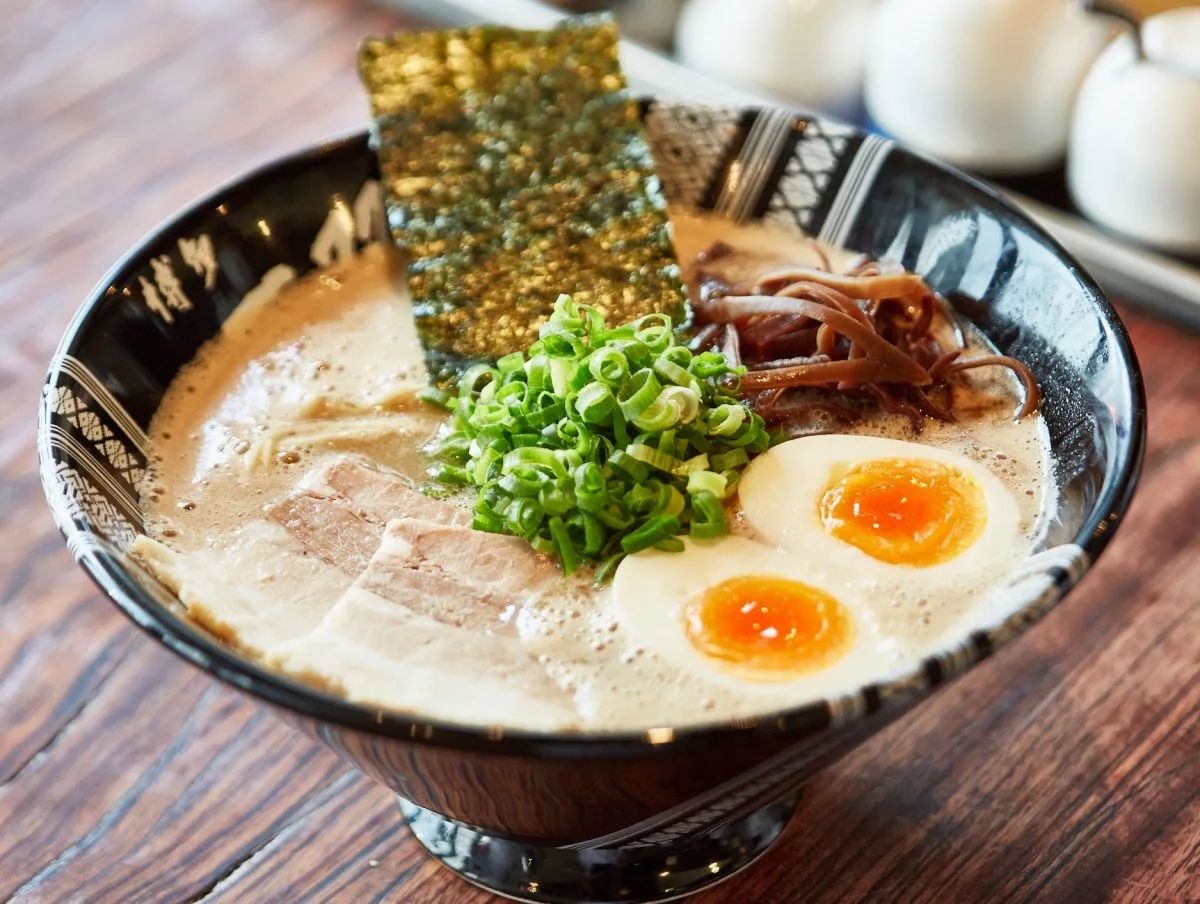
Food nights: tonkotsu, yatai, and what the stomach can hold
When we sell Fukuoka, the measure is appetite, not a mall directory.
Tonkotsu ramen, Hakata style: rich broth, thin noodles, ticket machines, often a quick turn. One serious bowl is a heavyweight. Stacking a tourist ticket-machine shop, a local counter, and late yatai ramen in one digestive act is not a travel plan.
Yatai, the street stalls. Nakasu and other pockets: small stools, ramen, skewers, oden. Cash-heavy. Sensitive to weather and to days off. Many are quiet on Sundays or in heavy rain. Order food and a drink. Do not camp the bench. Go early in the stay. Do not leave yatai only for the exit night.
Motsunabe, mentaiko, and the other Hakata extras. Hot pot and spicy cod roe are civic pride, not souvenirs only. One formal hot-pot night at most, beside the ramen grazing.
East Marvel meal rule: at most one serious reservation or hot-pot table per day. The rest goes to counters, yatai, and a depachika. Allergies in writing. A yatai evening, one intentional lunch, and restraint on the Dazaifu snacks. The stomach stays intact, so the city does too.
Best for almost every first Fukuoka visit. Guests who hate smoke, queues, or communal stools shift to indoor counters and the hotel dining room. We do not force the postcard stall.
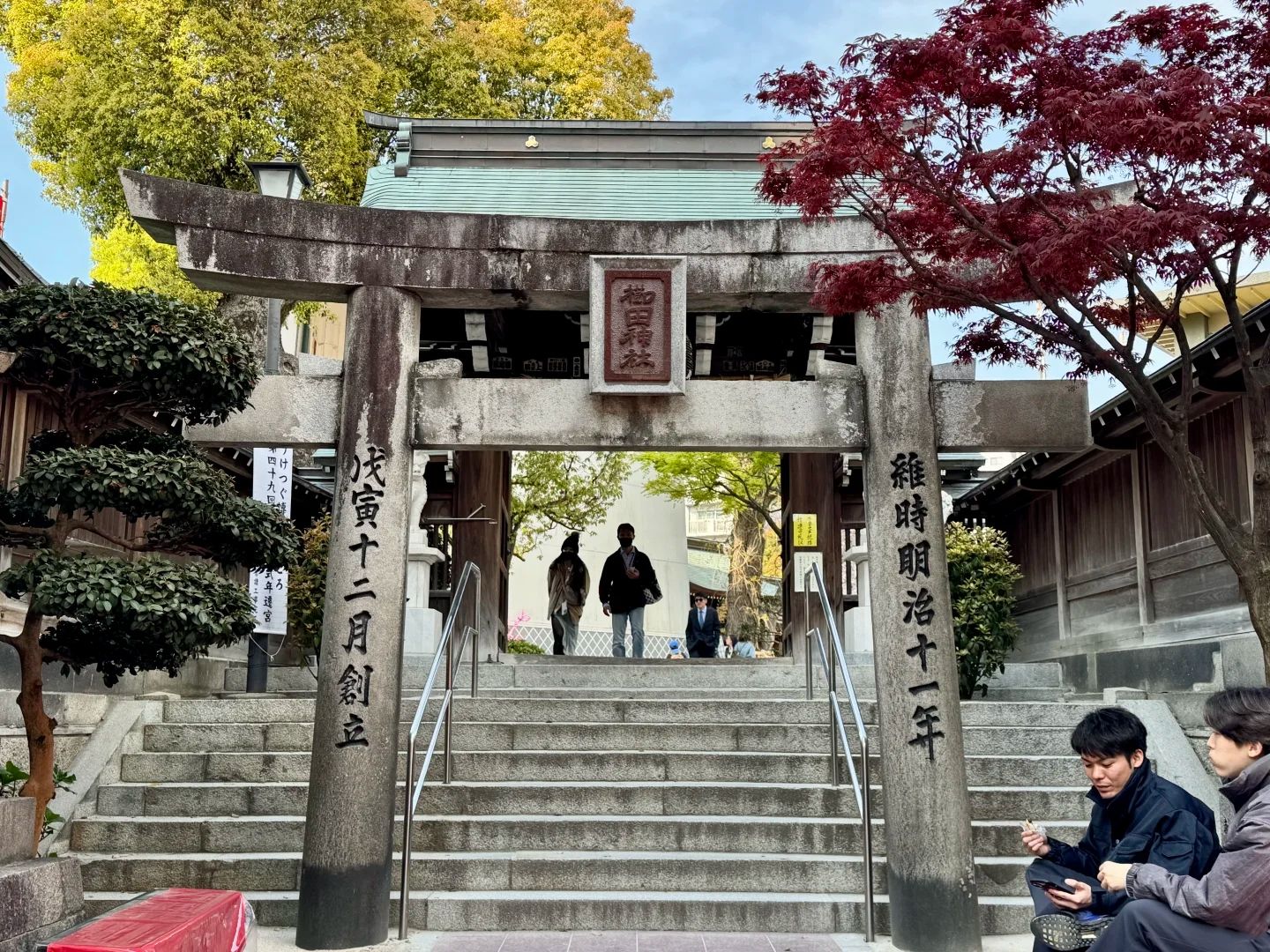
Dazaifu: half-day temptation, full-day reward
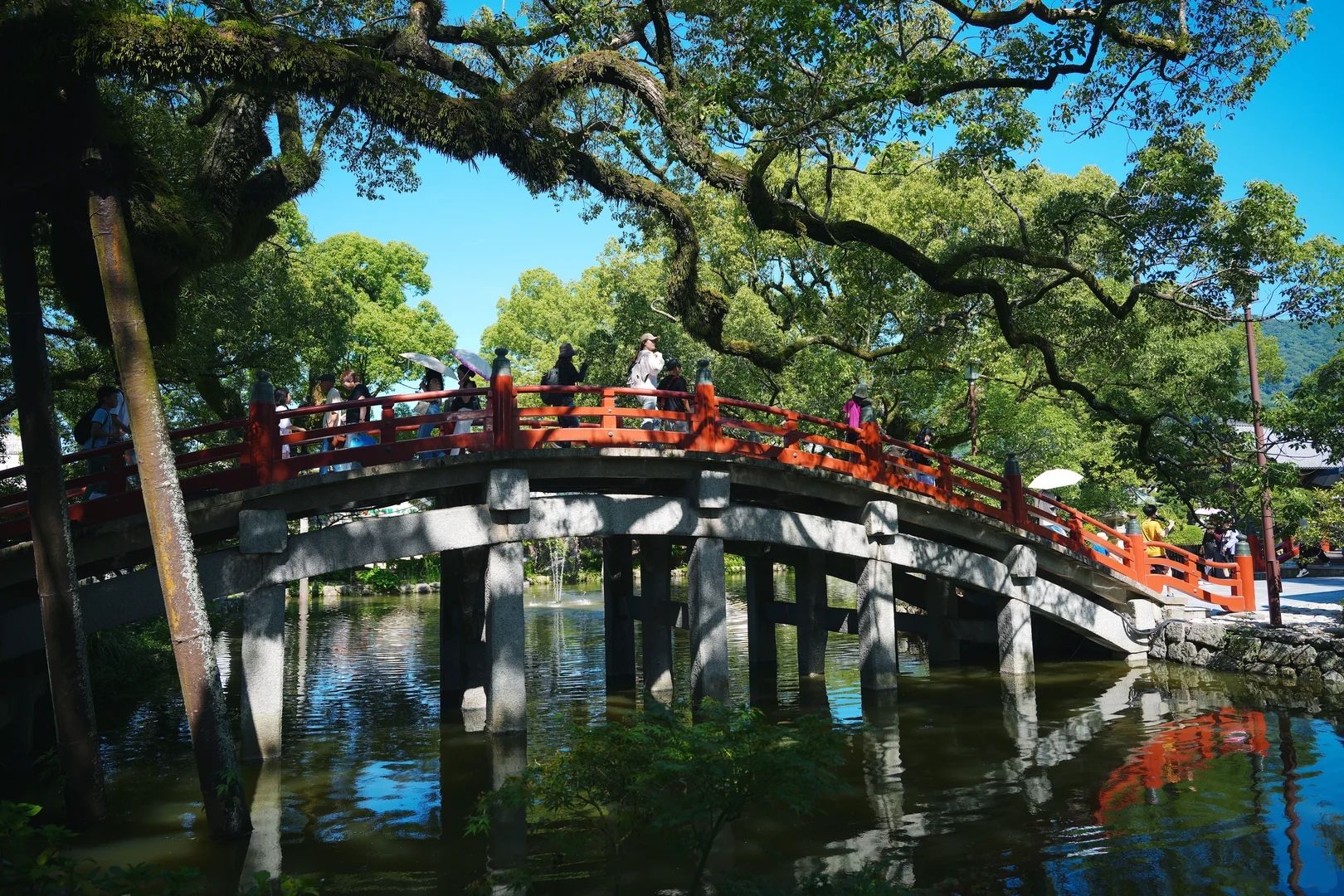
Dazaifu Tenmangu sits close enough to be abused: pop over after lunch, back for shopping. That produces approach photos and sore feet. It does not produce a shrine town.
From Nishitetsu Fukuoka, in Tenjin, the usual rail pattern to Dazaifu is often about 30–35 minutes, including the transfer at Futsukaichi. Confirm it live. From Hakata, direct buses exist, useful when the bags and the station face favor Hakata. Give most of a half-day, up to three-quarters of a day: the approach walk, the shrine, one snack lane for umegae mochi, and the Kyushu National Museum if you want to deepen it. Not every side shrine, every souvenir, and a forced Mojiko finale.
East Marvel rule: Dazaifu is the clean heavyweight on day 2 or day 3 of a 2–3 night stay. Do not stack Dazaifu, Yanagawa, and a full yatai checklist into one date.
Best for first-timers, families, and anyone who wants Kyushu shrine texture without leaving the Fukuoka radius. On a pure food-and-city brief with only two nights, keep the yatai and Hakata or Tenjin. Dazaifu waits for night three, or the next Kyushu.
Longer products: Yanagawa, coast, onsen Kyushu
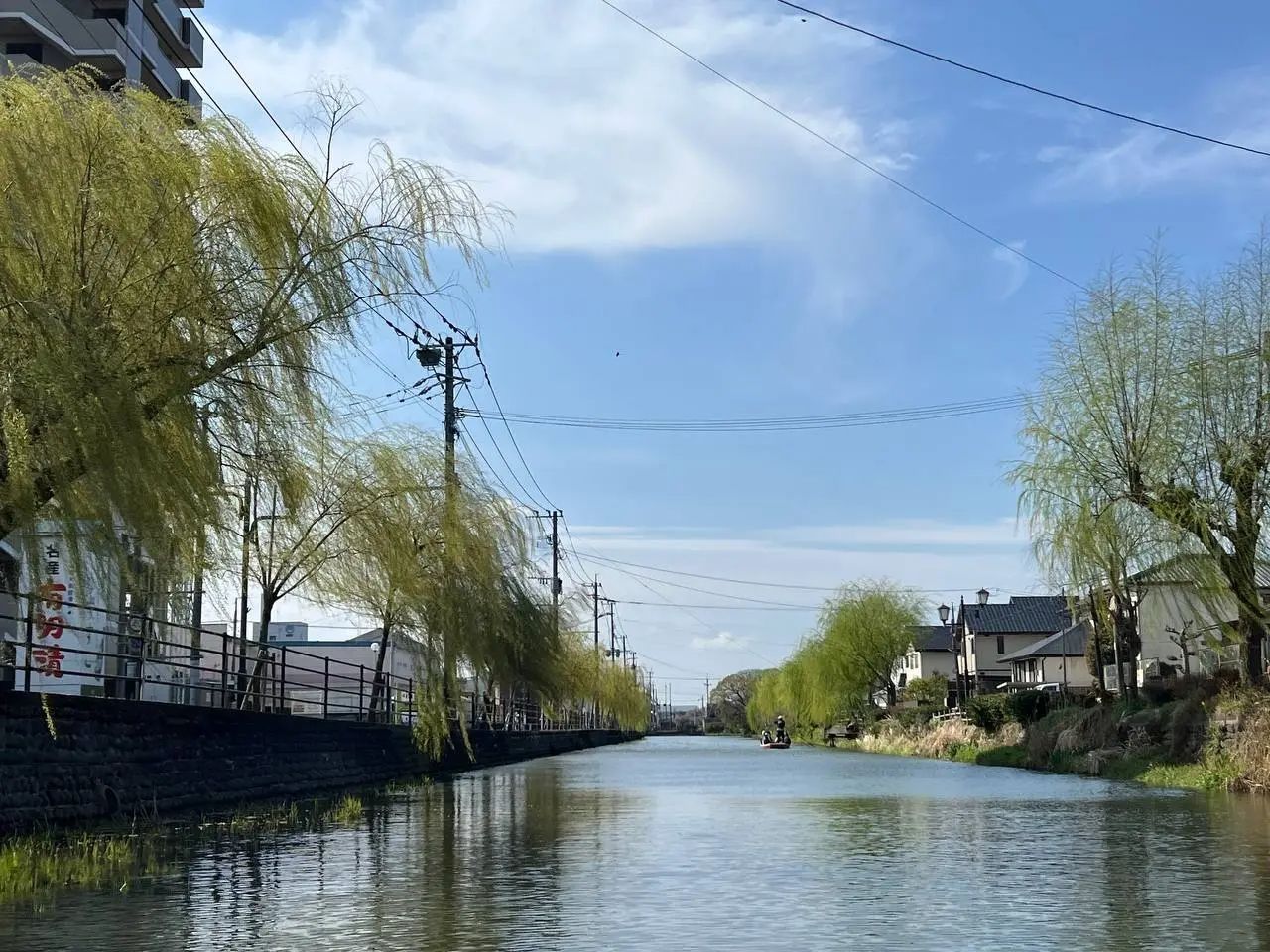
Yanagawa canal boats. A clean extra day from Tenjin on the Nishitetsu, on a four-night stay, or instead of Dazaifu if the canals are the point.
Itoshima coast. A nature and cafe day. Be honest about the weather. One day. Do not stack it with Dazaifu.
Mojiko or Kokura, the Kitakyushu face. A JR day to the north. Possible on four nights. It does not stand in for a Fukuoka evening.
Yufuin or Beppu. A named Kyushu block. Sleep in the onsen town. Fukuoka is the door. It is not the soak hotel.
Nagasaki. Its own nights. Not a casual same-day from a Fukuoka food stay.
Do all of Kyushu in three Fukuoka nights. We refuse that.
Fukuoka nights buy food and the compact city. A second regional day buys canals or coast. Onsen and Nagasaki buy their own itineraries, or they stay off the plan.
When to go
The comfort default is late October through November, and March through May. The walking is easy. Food queues are still real on peak weekends.
Hakata Gion Yamakasa, in mid-July, is a civic spectacle and a crowd spike. Worth it only if the festival is the ask. Book early.
Summer, July and August, is heat and humidity. Outdoors early, yatai late, midday indoors. Hydrate.
Winter, December through February, is good for motsunabe and indoor layers. Yatai still work when the weather cooperates.
Plan around Golden Week, Obon, year-end and New Year, and Yamakasa week. Hotels and popular counters spike. Lock them early, or shift the dates.
How to spend 2–3 nights
Slow first, heavyweight second, blank last. One heavyweight per day. Cluster the food nights. Leave day trips from the station face that actually serves them.
Two nights is arrival, one full day, and a morning exit. Three nights is arrival, two full days, and a morning exit. We print the exit, so the last morning does not pretend to be endless.
Day 1, soft landing. Arrive at Fukuoka Airport. From the domestic terminal, about 5 minutes to Hakata or about 10 to Tenjin. From the international terminal, the shuttle first, then the subway. Check in at Hakata or Tenjin. Easy station food, or a light walk. A yatai evening if the energy allows: orient, and do not finish the menu.
Day 2, the city layer, the default on a two-night stay. Hakata: Kushida, Kawabata, or Canal City. Or Tenjin and Ohori. Pick one face and deepen it. A second food night with intent: motsunabe, or another ramen lane. Not both, and not a yatai encore on top.
Day 2, the Dazaifu swap. Only if the shrine is the point of a tight two-night stay. Then the city deepen waits. Still keep one yatai night, or an indoor food night.
Day 3, when three nights are held. Dazaifu, or a deeper city day. The default is a half-day or a full day at Dazaifu, then a softer dinner. If day 2 already took Dazaifu, deepen the other city face.
Day 4, when four nights are held. One region day. Yanagawa, Itoshima, or Mojiko. Pick one. A soft return.
Two nights only. Keep day 1 soft and day 2 in the city, or the Dazaifu swap. Region days wait.
One night only. A classic food landing. Dazaifu stays off the menu unless the brief is the shrine alone.
Stacking with Tokyo, Kansai, and Hakone: Fukuoka works as the open or the close of a Japan trip, especially with flights into Fukuoka. Squeezing it between Tokyo's 3–4 nights and Osaka's 2–3 nights on a short total usually starves someone. Protect the capital and the Kansai layers when those are sold. Fukuoka gets a named block, or a clean "next Kyushu."
What we would do, and what we would not
We would default first-timers to 2–3 nights. Hakata when trains and the airport dominate. Tenjin when Dazaifu and the Nishitetsu dominate.
We would put yatai early in the stay, with a weather backup.
We would give Dazaifu a real half-day or more on a three-night quote, or as an explicit swap on two nights.
We would print the airport terminal and the subway minutes on the plan.
We would add Yanagawa, the coast, or Mojiko only when a fourth night, or a day swapped on purpose, pays for them.
We would tell a guest on a short Japan when Fukuoka should wait, or stay as a pure food door.
We would not sell a one-bowl airport dash as Fukuoka.
We would not stack Dazaifu, Yanagawa, and a full yatai raid into one date.
We would not promise yatai on a rainy Sunday.
We would not treat Yufuin, Beppu, or Nagasaki as Fukuoka day-trip footnotes.
We would not ignore the international-terminal shuttle and still print "five minutes to Hakata."
We would not swap Tokyo's 3–4 night capital layers for one Hakata bowl and call Japan balanced.
Practical information
Where to stay. Hakata for the shinkansen, JR, the bus terminal, and the fastest domestic-airport subway. A frequent first-timer default. Tenjin for shopping, the Nishitetsu to Dazaifu and Yanagawa, and the density of an evening stroll. The Nakasu edge for nightlife. Manage the noise if you need sleep before a dawn departure. Never default an airport hotel as the sightseeing base unless the brief is pure transit sleep.
How to move. The Airport Line subway for the compact core. An IC card, as elsewhere in Japan. The Nishitetsu for Dazaifu and Yanagawa. JR for northbound Kitakyushu and Mojiko. A private car for seniors, luggage, or a day with several stops. City parking and one-way streets make the car a tool. It is not the default way to save money.
Etiquette and bookings. A popular ramen shop or a motsunabe table: a queue plan, or a reservation when the table is the point. At a yatai: cash, order courteously, and rotate the seats. In a festival week, the rooms come first.
How to start. Send the month, the Fukuoka nights you have, whether you arrive on a domestic or an international flight, whether you lean Hakata or Tenjin, whether Dazaifu is mandatory, how you feel about yatai, the ages in the party, allergies, and whether a fourth-night region day is wanted. East Marvel locks the face and the food nights first, then Dazaifu against a region day. Hotel romance and blank hours come after.
About East Marvel
East Marvel builds private Asia trips for Western and international guests, with the same pacing as the Hakone, Osaka, and Tokyo guides. We do not ask whether the ramen is viral. We ask whether the brief is a yatai night, Hakata logistics, a Tenjin evening, a Dazaifu day, or a wider Kyushu bead. The city clusters appetite and access. Onsen towns and Nagasaki wait for real nights.
Related reading, as those guides are published: why Hakone wants at least 1–2 nights; why Osaka wants at least 2–3 nights; why Tokyo wants at least 3–4 nights. We do not point at a page that is not up.
FAQ
Are 2 nights enough? Enough to enter: food nights plus one city face. Three nights feel right when Dazaifu is on the brief. Four if a second Kyushu day is non-negotiable.
Hakata or Tenjin? Trains, the shinkansen, and airport ease: Hakata. Dazaifu, the Nishitetsu, and shopping evenings: Tenjin. On three nights or more you can feel both without changing hotels every night. The subway is short.
Is a day trip from elsewhere enough? Fukuoka is rarely a satisfying day-trip city if you fly in and out the same day. Sleep here if food and yatai are why you came.
Can we see Dazaifu and Yanagawa in one day? We usually refuse that on a first stay. Pick one heavyweight. Save the other for night four, or the next Kyushu.
Good with kids or seniors? Yes, with shorter yatai visits, indoor backups, elevator-aware stations, and fewer mall marathons. Strollers against subway gates go on the plan we send.
Best season? Spring and autumn for comfort. Summer for Yamakasa only if you booked for it. Winter for hot pots.
Is Fukuoka a substitute for Osaka? No. A different kitchen, and a different rail map. Osaka buys Kansai nights. Fukuoka buys Kyushu's door.
International arrival: really five minutes to Hakata? Only after you reach the domestic subway. Budget the inter-terminal shuttle first.
What if the yatai are closed? Rain, Sundays, and stall holidays happen. We keep an indoor ramen or motsunabe backup on the plan. Appetite still earns the night.
Hakata or Tenjin: must we change hotels? No. The subway hop is short. Pick one base and visit the other face.
Closing
Fukuoka is not Japan's southern layover. It is a door with a kitchen: subway minutes from the runway, shrine wood in old Hakata, river stools when you are still checked in, Dazaifu when the calendar allows, and a second Kyushu day only when you pay for it in nights.
Protect Tokyo's layers. Protect Osaka's food nights if Kansai is on the quote. Give Hakone its soak when the mountain bath is the ask. Then give Fukuoka 2 nights to arrive, 3 to breathe, and 4 when the map grows past the city.
Send the month, the nights, the arrival terminal, and whether Dazaifu or a region day matters. East Marvel will recommend the face that fits, and quote the version we will run.