Last updated: 5 November 2026, for travel in 2027.
Thailand is kind to older travellers if you plan for three things: the heat, the stairs, and, for a few months, the grey sky over the north. Do that and it is still one of the easiest corners of Southeast Asia.
This piece answers four questions: which three months, how many days, which three bases, and what to fix before you leave. Visa rules, the entry fee, the lantern dates, and the smoke window can all move again in 2027. Where it says check again, check again.
Is Thailand senior-friendly?
Yes. Staff at hotels, temples, and airports will come over and help. The main sights mostly have a lift or a ramp. The old quarters and the older temples do not. The private hospitals are among the best in Southeast Asia.
Four frictions, each specific.
Heat. April is the worst month. On 30 April 2026 Bangkok’s heat index reached 52°C, the top category on the city’s four-tier scale, “extremely dangerous”. The forecast air temperature that day was in the mid-to-high 30s. The city put everyone over 60 on its high-risk list and asked them to stay indoors in daylight. The index crossed 52°C again on 4 May.
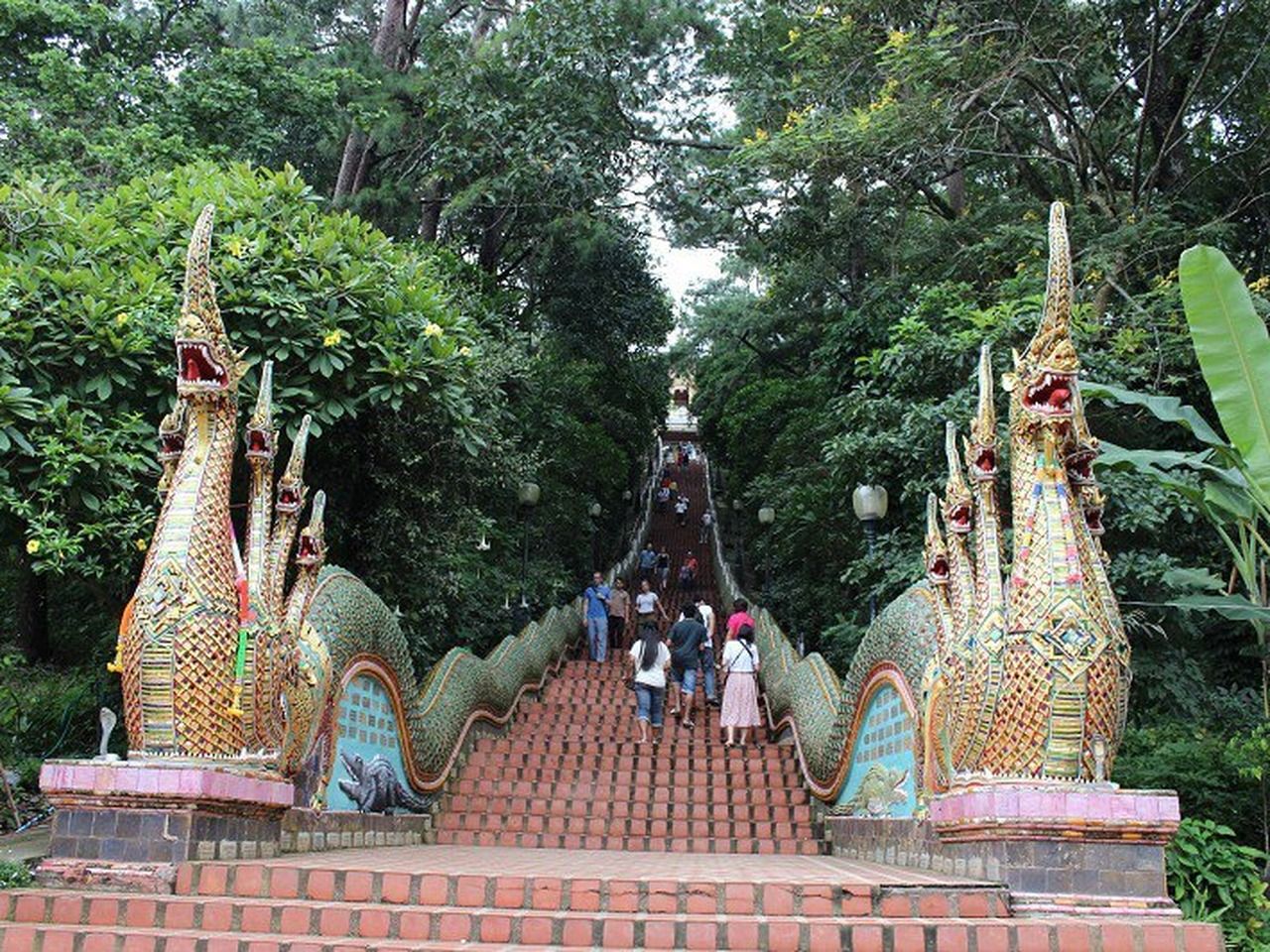
Stairs. Old towns are stepped and uneven. At Doi Suthep the naga staircase is about 300 steps; published counts differ by where the first step is. A funicular runs beside it.
Smoke. The fields around Chiang Mai are burned from late February into April, and the valley holds the smoke. On 30 March 2026 the city was briefly the most polluted major city in the world. That was one day, not every day of two months. If your heart or lungs are weak, keep those weeks out of Chiang Mai.
Distance. Two dots look close on the map. The road between them detours, crosses a river, and jams. Between the three bases, fly.
Four fixes cover it: the right months, enough nights in each place, 11am to 3pm indoors, and flights instead of buses.
The three months
November, December, January. This is the cool season. Bangkok sits around 30°C by day. Chiang Mai mornings run 15–20°C. The Andaman sea is calm.
Early February still works. From late February, drop Chiang Mai.
April: no. The heat, plus Songkran. In 2027 the public holidays are 13–15 April. Chiang Mai’s water fighting usually runs past that, to the 16th. Streets are wet, traffic stops, and drink-driving rises.
May to October, the Andaman coast is wet: Phuket, Krabi, Phi Phi. September and October are the wettest. In the wettest weeks, boats are cancelled at short notice. October is the turn. The calm season has not started.
Samui is on the other sea. Its wet season is October to December, wettest in November. Going to Samui in November is going to the wrong sea.
November. All three places work. Chiang Mai’s lantern nights fall on the full moon of the twelfth lunar month. Diaries published so far put 2027 on 13, 14, or 15 November, and they do not agree. The Tourism Authority and the ticketed venues have not confirmed it. Treat that weekend as the festival until they do. The mass releases are at authorised sites outside the city. Releasing a lantern inside Chiang Mai is banned, and the airport restricts movements on those nights. Rooms and flights go early, and they go dear. If the lanterns are not why you are coming, come the week before.
December. Everywhere works. The priciest month, and the steadiest.
January. Everywhere works. Chiang Mai usually has its clearest air of the year. Mornings can be 15°C.
Early February. All three work. Chiang Mai depends on the sky. The flower festival fills the city, usually the first weekend of the month. Do not lock the 2027 dates until the city publishes them.
Late February to April. Bangkok and the coast only. Chiang Mai is out.
May to September. Samui and Bangkok. The Andaman is wet.
October. Samui is still wet. The Andaman has only just turned. Neither is a good bet. Wait for November if you can.
How many days
Twelve days, eleven nights. Bangkok three, Chiang Mai three, the coast four, and one night near Bangkok airport before you fly home.
Arrival day is rest. Departure day is travel. Three internal flights each take half a day. You actually get two full days and an evening in each place.
Ten days does not cover it. After three moves, the third place gets an evening and an airport.
More than two weeks is surplus. A fourth base adds little, and most people spend the last two days sitting down.
Nine days: cut one base. Bangkok and the coast, or Bangkok and Chiang Mai. No third flight.
No internal flights at all: Bangkok and Hua Hin. About three hours south by road, traffic depending. A beach, large old beach hotels with lifts and staff who have done this for decades, and a night market you can walk to.
The three places
Bangkok is where you acclimatise, not a stop between flights. Spend the first two nights by the river or in the Siam district. From Suvarnabhumi the airport rail link takes about 30 minutes to Phaya Thai. Don Mueang is not on that line. Book a Grab, door to door, with the price fixed.
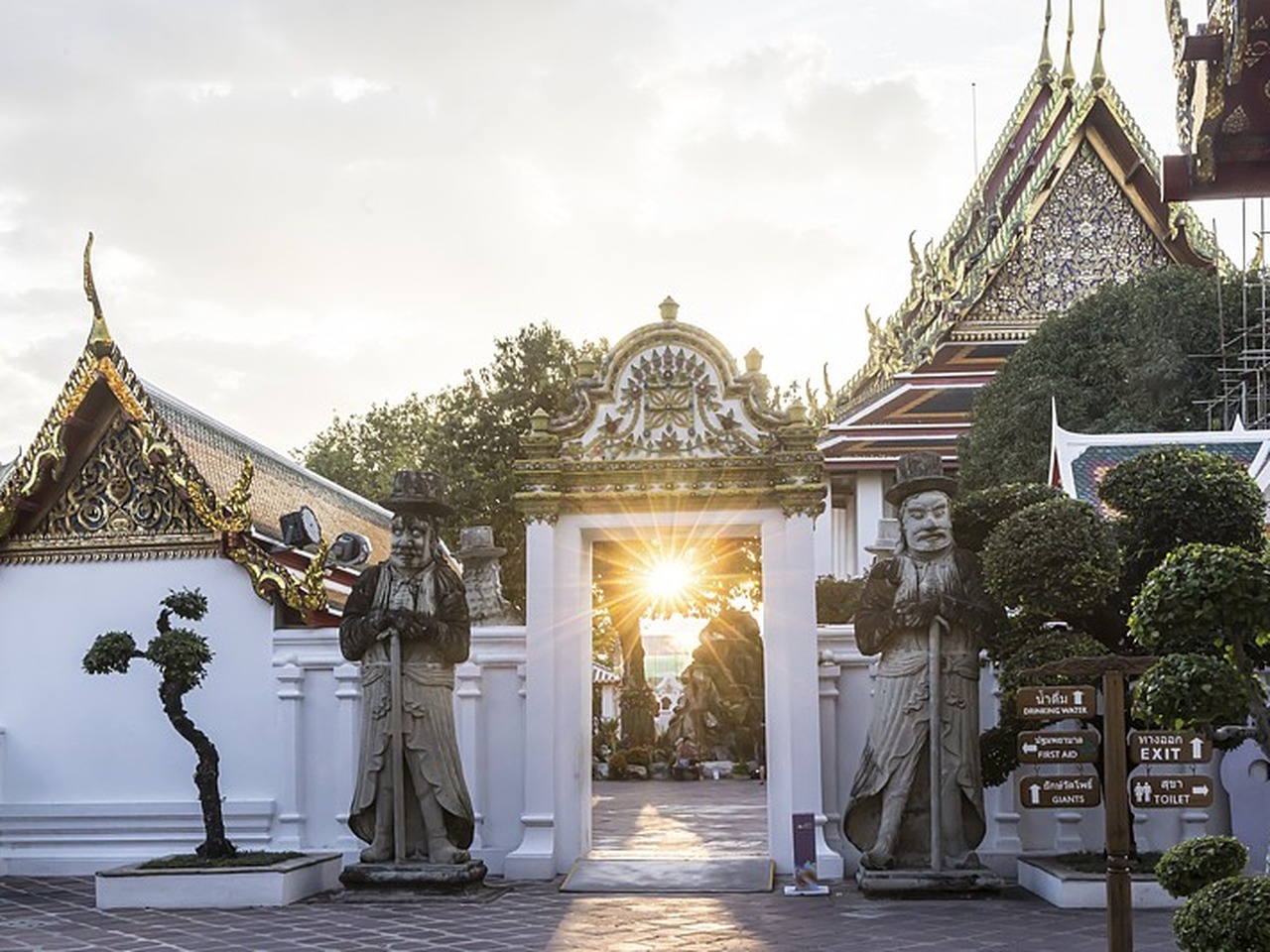
The Grand Palace — the Emerald Buddha is inside it — and Wat Pho sit a few hundred metres apart, on mostly flat ground. One morning, at opening. The grounds are large, much of the walk is unshaded, some thresholds are high, and the crowd shoulders you. Back to the room at noon. At dusk, a boat on the river, or dinner on the far bank. Use the hotel’s own shuttle or a private boat, not the public pier. The pontoons rise and fall, and they crowd against the steps. Before you book a dinner cruise, ask whether the music runs all evening. Khao San is for other people.
Chiang Mai runs slower, and the airport is about four kilometres from the Old City. That is the easiest arrival of the trip. At Doi Suthep, take the funicular. Ask the hotel, or the temple, whether it is running that week. There are still steps up into the halls. The mountain road is about half an hour of switchbacks, so take a travel-sickness tablet if anyone needs it. Go before 9am or after 4pm. Between 11am and 2pm the tour buses have it. Wat Umong, lower on the same ridge, is quiet, and you can ask a monk for a short blessing. The temples inside the moat are on flat ground. On weekend evenings some streets in the Old City close to cars. Flat, pleasant, and packed. If you are coming for the lanterns, book these three nights over that weekend.
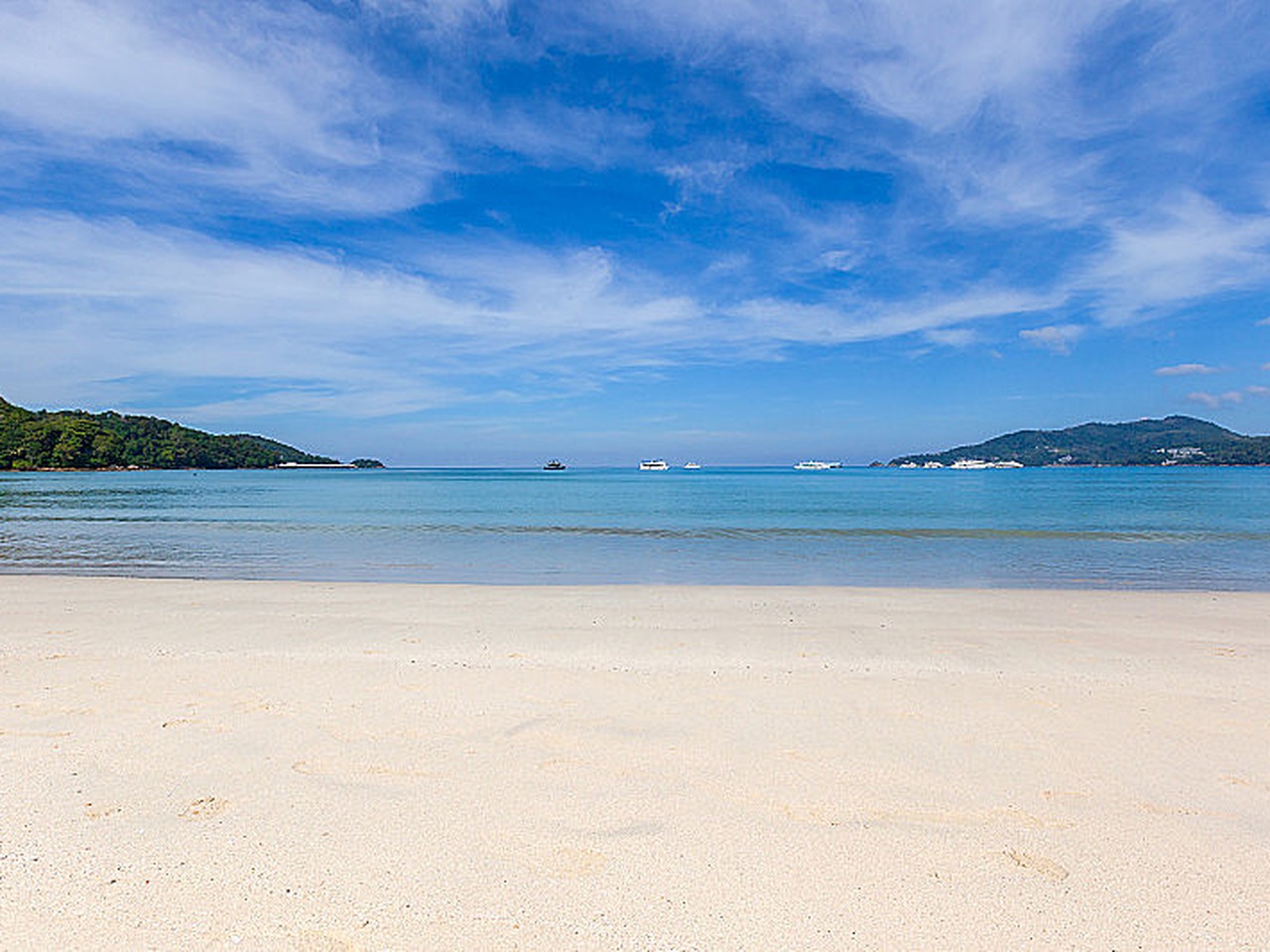
On the coast, take one bay and stay in it. Phuket: Kata or Karon for flat roads and restaurants; Mai Khao for quiet. Krabi: Ao Nang, about half an hour from the airport, with a long beach road you can walk. To Phi Phi, take the large ferry, not a speedboat, and ask about the sea that morning. If the answer is bad, stay in the bay.
One extra day worth adding: Ayutthaya, about ninety minutes north of Bangkok. Flat ruins, and a Buddha head held by tree roots. Take the buggy, not a bicycle. The loops between temples are long, and the park traffic is worse than the city’s. Choose this or the floating market. Not both.
Visas and entry in 2027
The 60-day exemption ended on 15 September 2026. Tourism entry now runs in tiers. Sixty countries and territories get 30 days, among them the United States, the United Kingdom, Canada, Australia, New Zealand, Japan, and most of the European Union. Mauritius and Seychelles get 15 days.
Azerbaijan, Belarus, and Serbia take a visa on arrival: 15 days. The fee is 2,000 baht in cash. Bring a passport photo, an onward ticket, and the address where you will stay. Do not count on an extension.
South Korea and China are not on the 30-day tourism list. They have their own agreements. South Korea: 90 days. China: 30 days a visit, and no more than 90 days in any 180-day period. Mongolia is bilateral too, at 30 days. Rules like these can be revised. If you hold one of these passports, check your own embassy page before you book.
If your passport is on no list, apply at thaievisa.go.th at least three weeks ahead. Some embassies quote ten working days at best, and four to six weeks in high season.
Twelve days sits inside thirty, with room to move a flight. If the dates slip badly, a 30-day extension is sometimes granted once at an immigration office: form TM.7, usually 1,900 baht, not refunded if refused. That is a half-day errand. Treat it as a fallback, not a plan.
Under the exemption, entries at land checkpoints are generally capped at two a calendar year. Malaysia, Brunei, Indonesia, and Singapore are exempt from that cap. This trip arrives by air, so the cap does not apply. If you also cross a land border the same year, check with your own mission. Some word the limit more widely than the tourism authority does.
Proof of funds: an officer may ask, in cash or the equivalent. For a visa-exempt stay the notices do not agree: 10,000 baht a person or 20,000 a family in one, and 20,000 and 40,000 in another. Children under 12 are outside this check. It is not checked every time. Do not arrive empty-handed.
Passport: six months of validity, and a ticket out that the airline can see, dated within the days your entry permits. The airline checks this at the desk even when immigration does not.
TDAC, the digital arrival card, is free. File it within the three days before arrival, arrival day included. It covers one entry. Leave and come back, and you file a new one. The only official site is tdac.immigration.go.th. Anything that asks for payment is not the government. Screenshot the QR code before you board. Looking for wifi in the arrivals hall means queueing twice.
The entry fee is not being collected as of 5 November 2026. The draft is 450 baht a foreign visitor, starting with air, 180 days after the notice is published in the Royal Gazette. Land and sea would follow later. A public consultation that closed on 28 September 2026 largely supported the draft. It still needs the tourism policy committee and the Cabinet. Officials point at 2027, with no date set. The fee is meant to bundle a basic insurance policy, and it may be added to the airfare rather than asked for at the counter. There is no official payment page today. Anyone selling you an “entry fee” is selling you nothing.
Twelve days, day by day
Day 1. Rest. Walk one block in the evening.
Day 2. Grand Palace, then Wat Pho, in the morning, at opening. Room at noon. River, or dinner across the water, at dusk.
Day 3. Khlong Lat Mayom floating market in the morning. Be there by 8. It is hot, and it is spent by 11. Room in the afternoon. For flat ruins instead, take Ayutthaya. Not both.
Day 4. Fly to Chiang Mai, an hour to an hour and a quarter. The Old City, on flat ground, in the afternoon.
Day 5. Doi Suthep early, funicular up. Wat Umong after.
Day 6. Cook two dishes. A massage in the afternoon, a night market after. Drop either if you are tired.
Day 7. Fly direct to Phuket, about two hours, or to Krabi, about an hour and three quarters. On the coast by afternoon. Direct flights exist on both routes. The timetable is thin, and it changes with the season. If the only departure is at 6am, either take it and give up that morning, or route via Bangkok and lose the afternoon instead.
Day 8. Nothing.
Day 9. Out in the morning, back by mid-afternoon. Phuket Old Town is flat. In Krabi, if you go by boat, go on the large ferry, and ask about the sea first.
Day 10. Keep it empty. Phi Phi is optional. If the sea is up, stay in the bay.
Day 11. Fly back to Bangkok, about an hour and twenty. Hotel near the airport.
Day 12. Depart. Leave room for the connection.
Things to remember
11am to 3pm, indoors. Even in the cool season, noon can reach 32°C. Bangkok lists air-conditioned cooling rooms on the BMA’s Greener Bangkok pages and in the AirBKK app. Look the nearest one up on the day, rather than trusting a list saved from a blog.
Dengue runs all year and rises in the rains. From 1 January to 19 August 2026 the Department of Disease Control recorded 21,620 cases and 31 deaths. Of those, 1,785 cases and four deaths were in Bangkok. The mosquito bites in daylight, especially at first light and last light. Put repellent on when you dress, not only before dinner. Long sleeves, and a repellent with DEET or picaridin. The same cover helps against chikungunya and Zika.
Medication in its original box, English names on the label, enough for the whole trip plus three days, and a letter from your doctor naming each drug by its generic name. Thailand treats some ordinary prescriptions as controlled, codeine compounds and strong sedatives among them. Blood-pressure cuff, medication list, and a passport copy in one bag.
Insurance. European health cards do not work here. Buy a policy that bills the hospital directly, covers pre-existing conditions at your age, and puts no ceiling on the medical cover. Many policies stop issuing new cover at 75 or 80. Read that line before you pay. Private hospitals generally ask for a deposit before treatment, insurance or not. Save the numbers from the hospitals’ own sites: Bumrungrad and Samitivej in Bangkok, Chiang Mai Ram, Bangkok Hospital Phuket, and one private hospital in Krabi. Ambulance 1669. Tourist police 1155. English is spoken.
Airports. Wheelchair and priority assistance is free. Book it with the airline about 48 hours ahead, for every internal flight, not at the desk on the day. Security queues can be slow. Leave time.
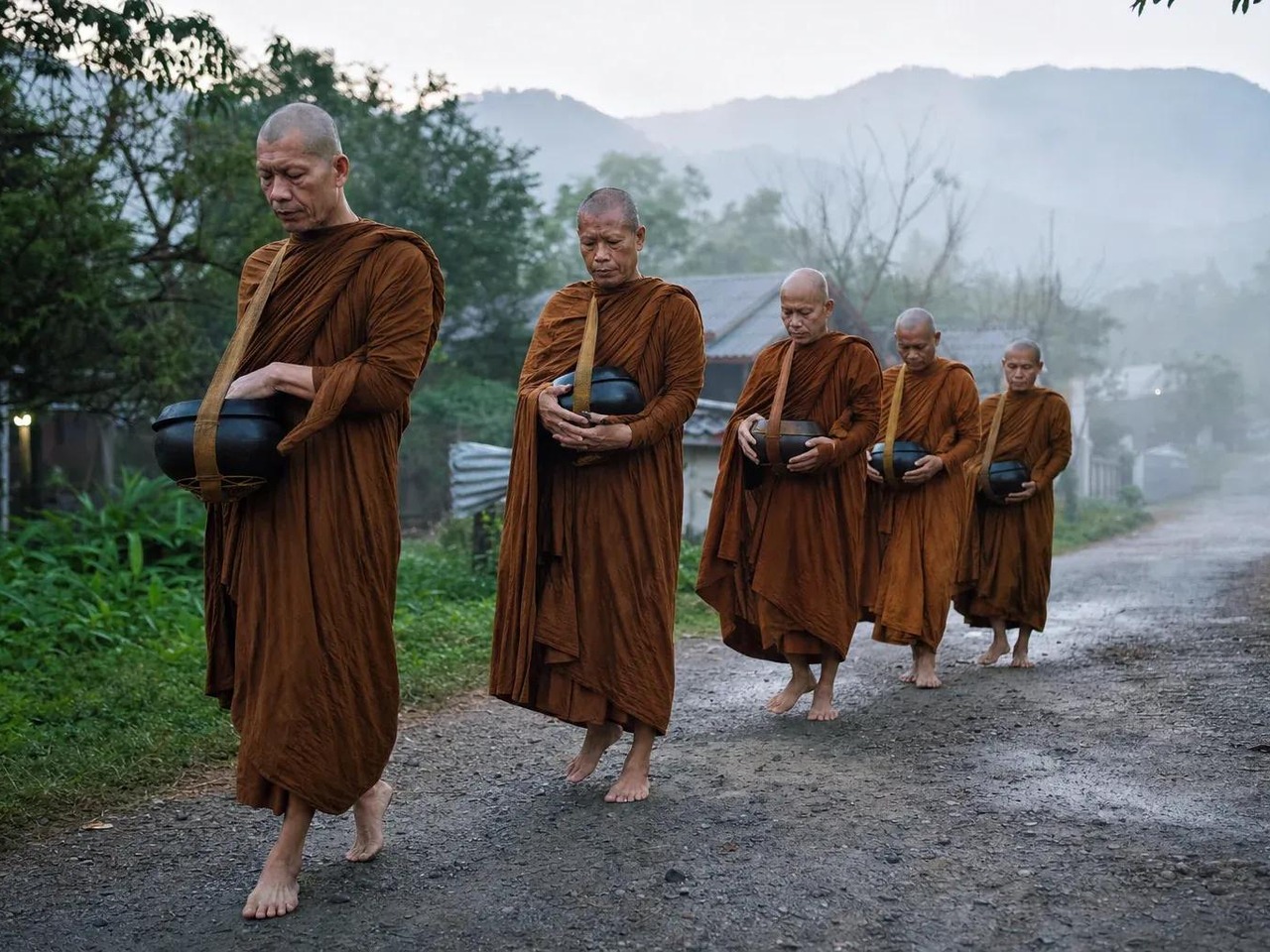
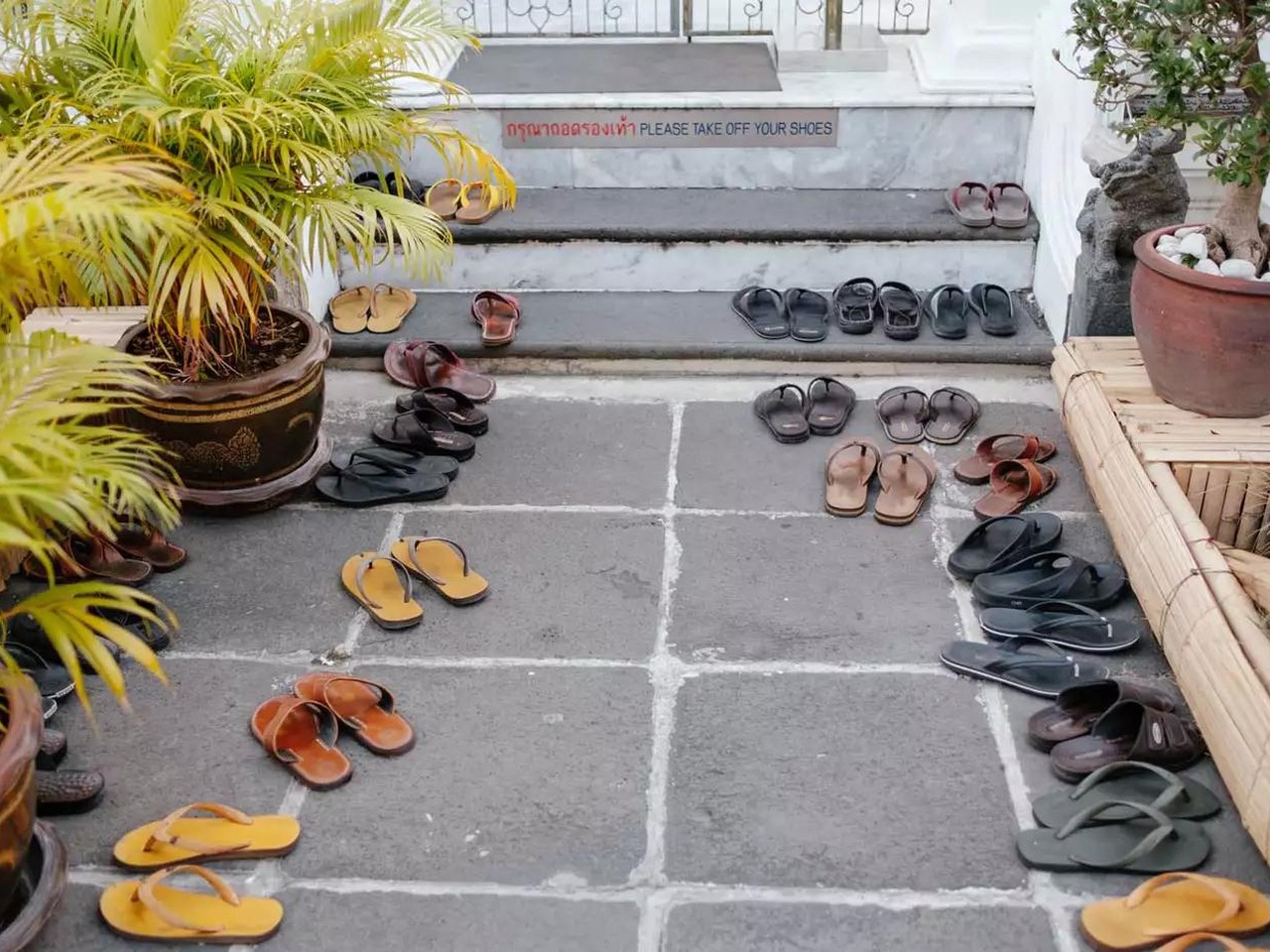
Temples. Shoes off, thin socks on. The barefoot walk is longer than you expect, on gravel and hot tile. Shoulders and knees covered. Sarongs are usually borrowed at the gate. Your own scarf saves the queue. Women do not hand things directly to a monk. On the main Buddhist holy days, ordinary shops do not sell alcohol. Hotels and some licensed places may still serve it. Check whether one of your twelve days is one.
Getting around. A tuk-tuk for a short hop, price agreed before you get in. Grab for anything longer, price fixed. Trains and metro changes mean long walks on escalators. For hips and knees, the car door is kinder.
At the Grand Palace, if someone says it is closed today, or closed for a ceremony, and that he will take you somewhere else, keep walking. Read the notice at the main gate. Walk past the massage touts. Do not go into a gem shop. Do not buy a fish to release in a temple pond.
Massage. Say where it hurts, and say stop. “Gentler” is often still firm. If you have a joint replacement, a dental implant, or a wired jaw, say so before they start. Therapists work the hands and feet hard, and they will find that spot.
What to pack
Thin socks. Repellent with DEET or picaridin. Medication in the original box, and the doctor’s letter. The insurance policy and the claims line. The TDAC screenshot. A passport copy. One light jacket, for Chiang Mai mornings and air-conditioned rooms. Rehydration salts. A KN95 or FFP2 mask if your dates brush the smoke window, and a room that says air purifier, not only air conditioning.
Thailand does not sell sights. It sells a slowness you can arrange.