Written 17 November 2026. Nights mean nights on the spine, not kilometres that redraw the whole dragon. Bus reservations and Noto access follow live operator and lodging reality.
Most first-time Japan plans treat this belt as Golden Route leftovers: one Nagoya night, one Kenroku-en photo, twenty minutes at Shirakawa-go, then back to Tokyo or Osaka. The dragon was on the brochure. The traveler was not on the spine.
That is enough to pass Shoryudo. Not enough to enter it.
East Marvel's default: 5 nights for the classic Dragon Spine. Nagoya 1, Takayama 2, Kanazawa 2, with Shirakawa as the day between. 6 nights is the spine plus a buffer or a soft deepen: Gero, Toyama, or a second Kanazawa layer. 7 nights is the spine plus one named add-on day: Tateyama, or Eiheiji, or Kaga and Wakura, or the start of Noto. Not a stack. 2–3 nights is a Kanazawa door only, and we mark it thin. Shoryudo is a named Japan block. It is not a hallway between Tokyo's 3–4 nights and Osaka's food nights.
Same method as the Tokyo, Osaka, Hokkaido, and Hakone guides, and the Shikoku henro essay: name first, cut second, nights third. No map fantasies.
Clear the name
Shoryudo, 昇龍道, also called the Dragon Route, is a tourism-region brand for Central Japan and Hokuriku. It is wider than Hokuriku alone. On the map, the Noto Peninsula reads like a dragon's head. The belt from the Pacific side toward the Sea of Japan is sold as a dragon rising. Official materials use it for a connectable travel zone. Local dragon lore exists. That does not make the brand a rite.
It is not Shikoku's o-henro. No eighty-eight mandatory numbers, no default white coat and staff, no religious "finished only when complete." The henro ring, Kukai, about 1,200 km, an Edo-period circuit, is a different product: a rite, stages, stamp-office hours. We do not rewrite Shoryudo as a Hokuriku henro.
The correct ask is not a pilgrimage of Shoryudo. The correct ask is a longitudinal travel spine nicknamed a dragon. Spine first, forks second.
Casual spellings point at the same 昇龍道. Nine is not nine sacred stages.
The full dragon is a publicity radius. Nights on one spine are the operable product.
Radius vs spine: what we sell
The body crosses climate and transport belts: a Nagoya gateway, the Hida mountains and the gassho villages, Kanazawa and Toyama on the Sea of Japan, then an optional alpine machine at Tateyama or the peninsula head at Noto. Official demos often split into Dragon, Nostalgic, Great Nature, and Tokaido-mood lines. Labels drift. The trap does not: wanting every demo in one short stay.
The poster dragon is a multi-prefecture radius. Do not sell the whole of it.
The Dragon Spine is Nagoya, then Hida, then a Shirakawa day, then Kanazawa. Five nights is the classic. Gero or Toyama only when six or seven nights pay for them.
The Kanazawa door is a city-led Hokuriku stay. Two or three nights.
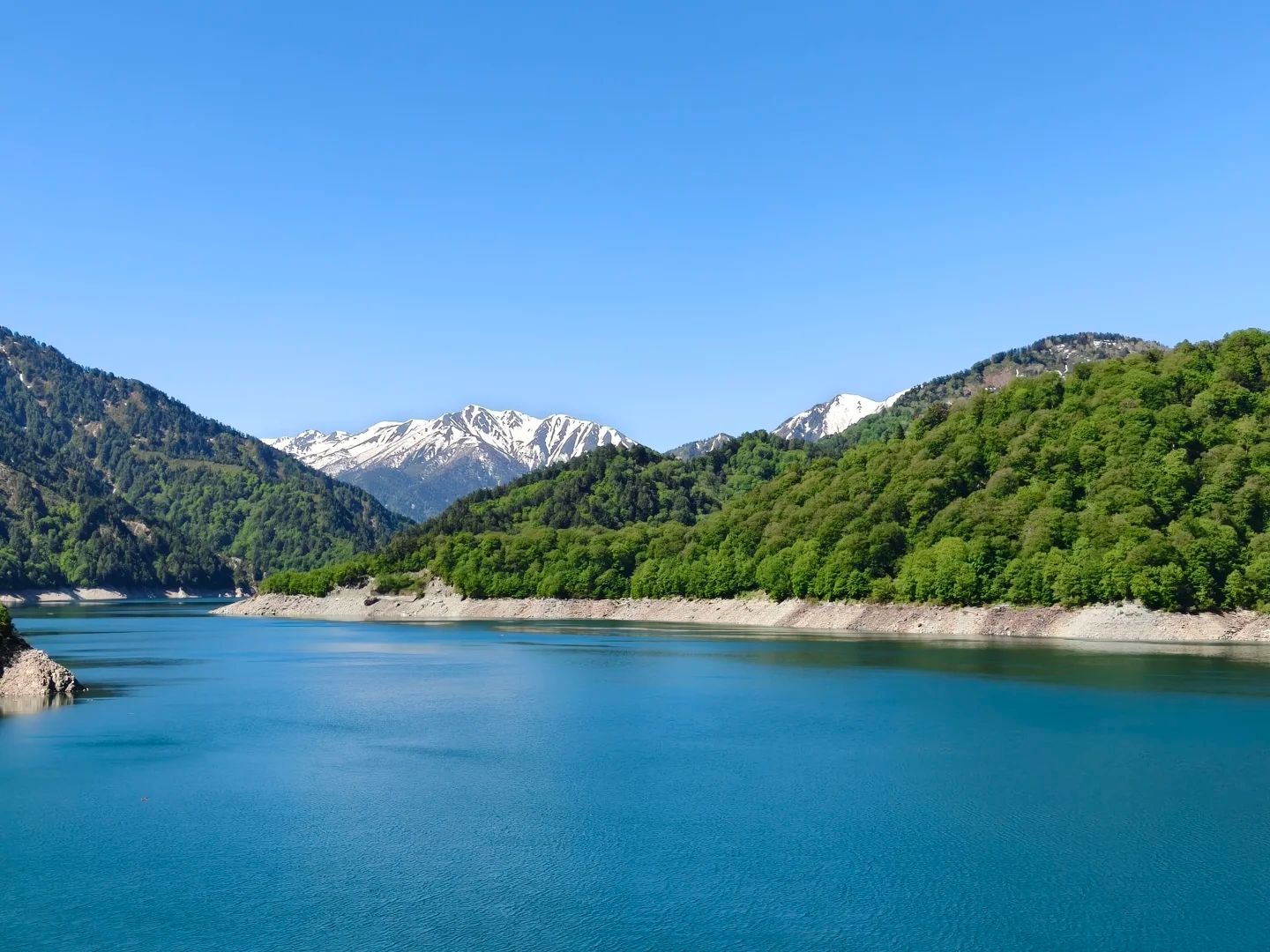
Tateyama Kurobe is a machine day inside its season window. A named add.
Noto is the peninsula head. A separate block, after a live confirm.
Ise and Kumano are southern faith and heritage walking. Another calendar.
Shikoku sells chapters on a ring. Shoryudo sells segments on a spine. The segments have to stay honest.
How many nights
Brochures stack 3-day passes, 5-day wide tickets, and 7-day models. Readers think they own all three. We keep one scale.
2–3 nights. A Kanazawa door. Hida and Shirakawa stay off, or stay tiny.
4 nights. Takayama and Kanazawa. Shirakawa only as a packed day, or skip it.
5 nights. The classic Dragon Spine. Nagoya 1, Takayama 2, Kanazawa 2. Shirakawa is the day between. Gero is usually off.
6 nights. The spine plus a buffer or a soft deepen. Weather, a second Kanazawa layer, or Toyama.
7 nights. The spine plus one add-on day. Tateyama, or Eiheiji, or Kaga and Wakura, or the start of Noto. Not all of them.
8–10 nights. The spine plus a heavier Noto, or two named adds. Only when those are named.
Ise and Kumano on the same short spine. We refuse that.
Five nights is night 1 in Nagoya through night 5 in Kanazawa, then a morning exit on day 6. We print the exit. A day-7 row exists only when a seventh night is bought.
How we cut the Dragon Spine
Four pacing labels, Start, Grind, Open, and Close, are writing aids only. They are not henro stages.
Start, Nagoya, in Aichi. The door from Chubu Centrair. The castle, Sakae, Osu, or industrial heritage: one soft day. No Shirakawa on the landing day. Reshape: a shinkansen from Tokyo into Kanazawa, a Hokuriku-side start. Or a southbound spine, Kanazawa to Takayama to Nagoya, when Kansai or Centrair is the exit.
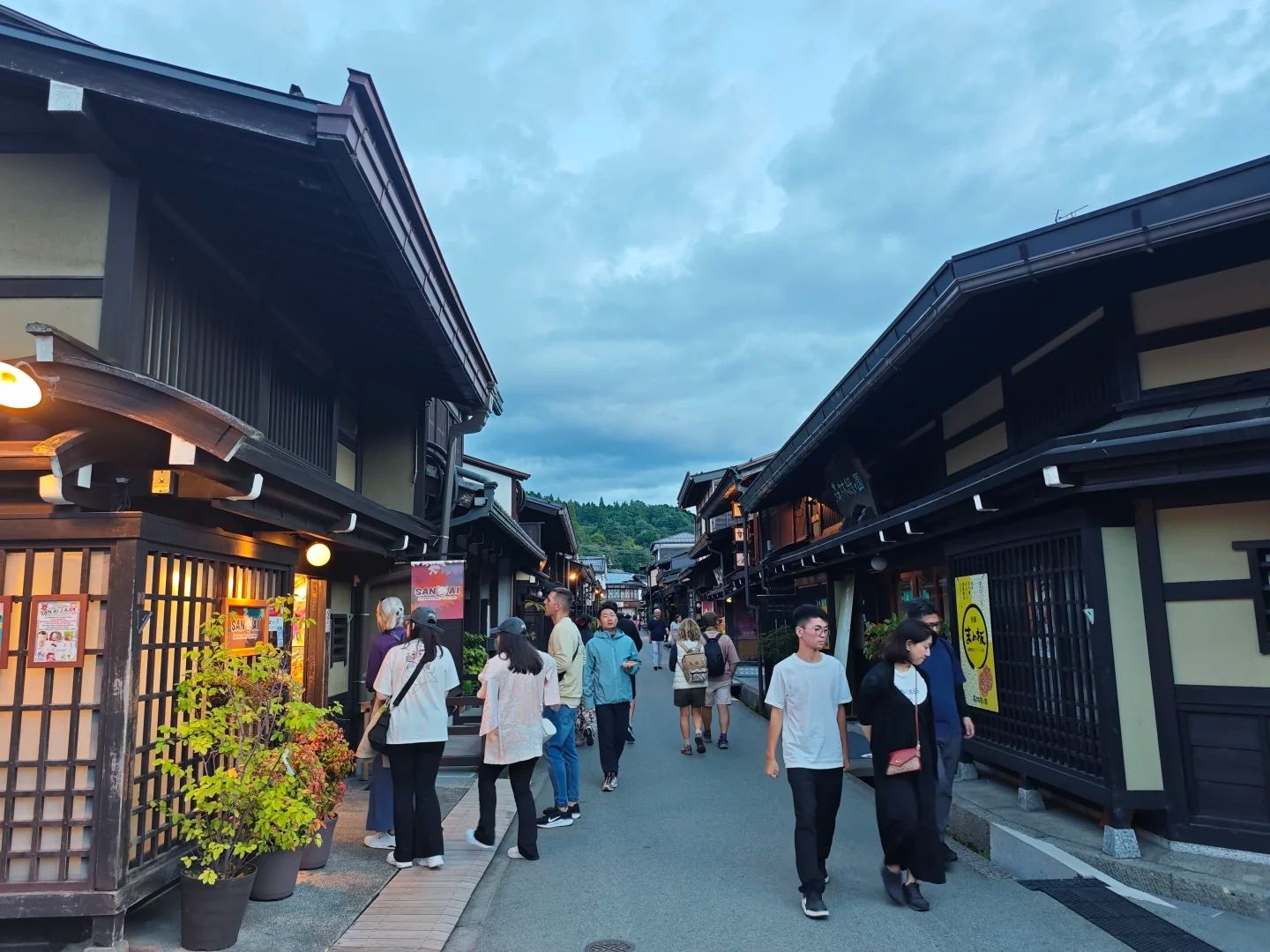
Grind, Gero and Takayama, in Gifu. Gero is an optional soak night. It fits six or seven nights more cleanly than a tight five. Takayama is Sanmachi, the morning market, a wood town. Two nights on a classic five, so a dawn exists. Do not call Nagoya, Takayama, and Kanazawa in one daylight "doing Hida."
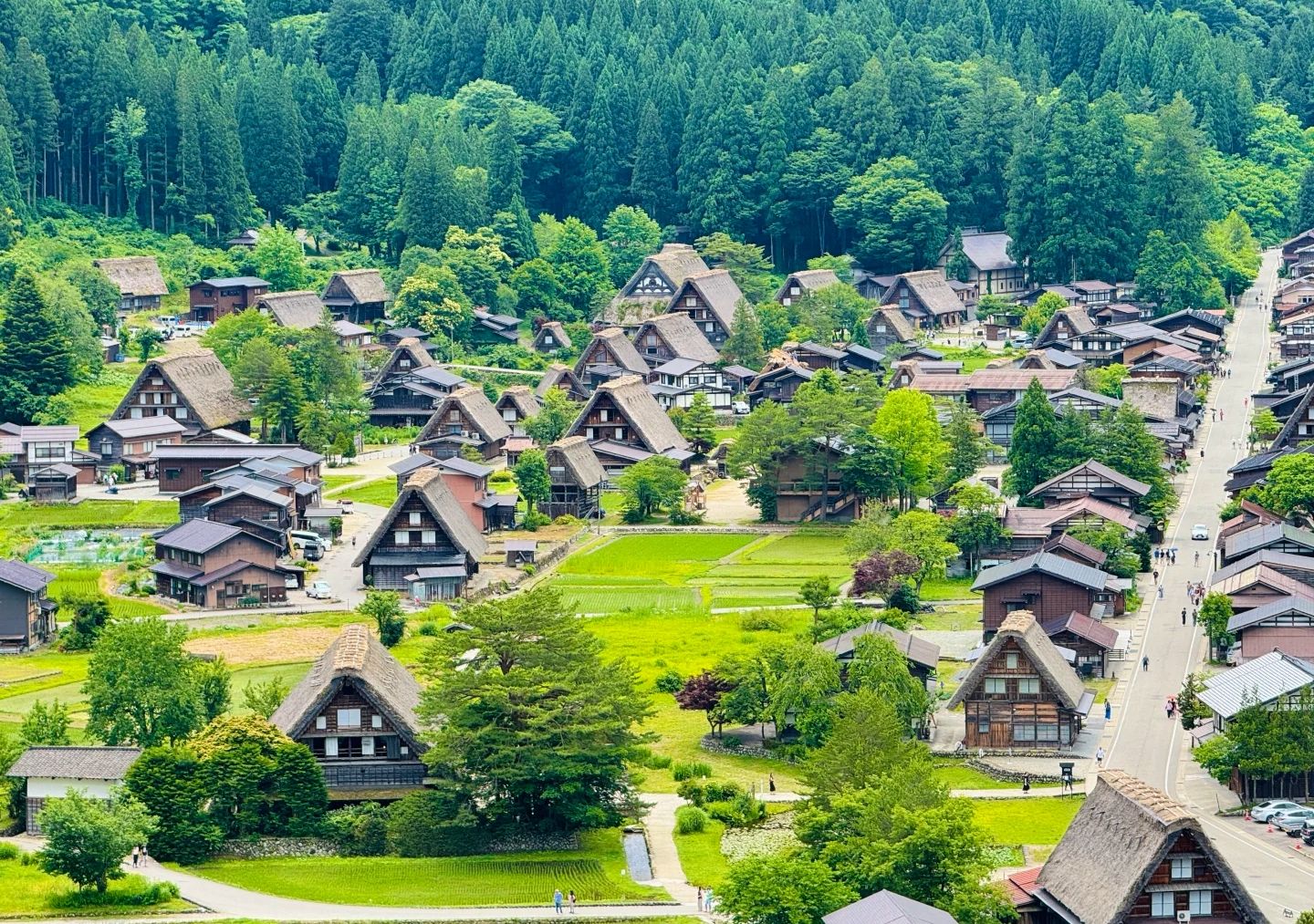
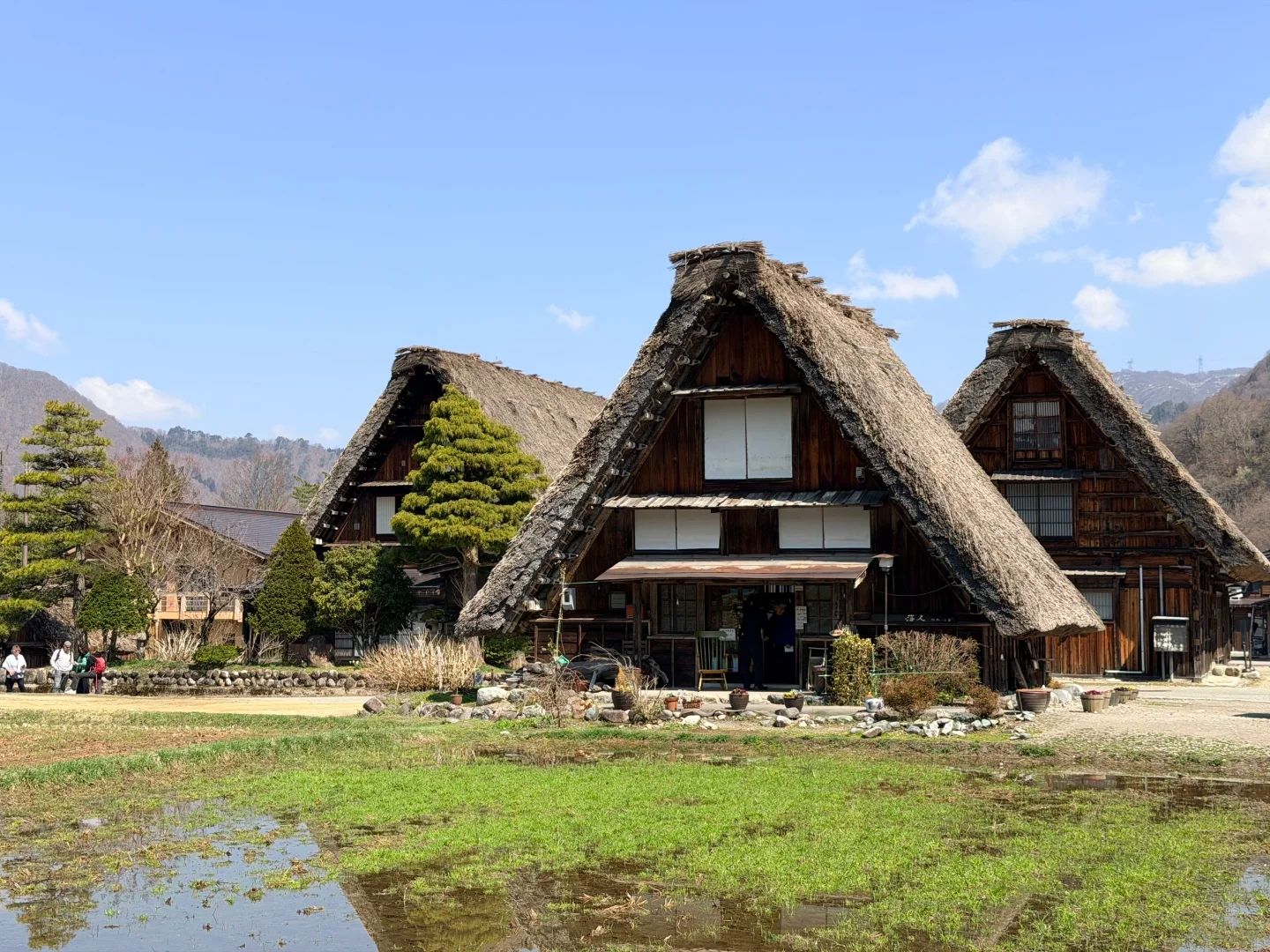
Open, Shirakawa-go and Gokayama. A gassho roof is heavy-snow logic. The village is small, and the crowds run high. It is the day heavyweight between Takayama and Kanazawa, not a twenty-minute pull-over. Plan about two to three hours in the village, not a photo stop. Gokayama may replace it or deepen it. One main gassho focus.
Bus math, printed live. Takayama to Shirakawa-go is often about 50 minutes. Shirakawa-go to Kanazawa is often about 75 minutes. A through ticket usually does not include a sightseeing stop. Buy two legs if you break at the village. Many departures need reserved seats. The rules differ by operator. We lock the seats on the quote, not on the curb.
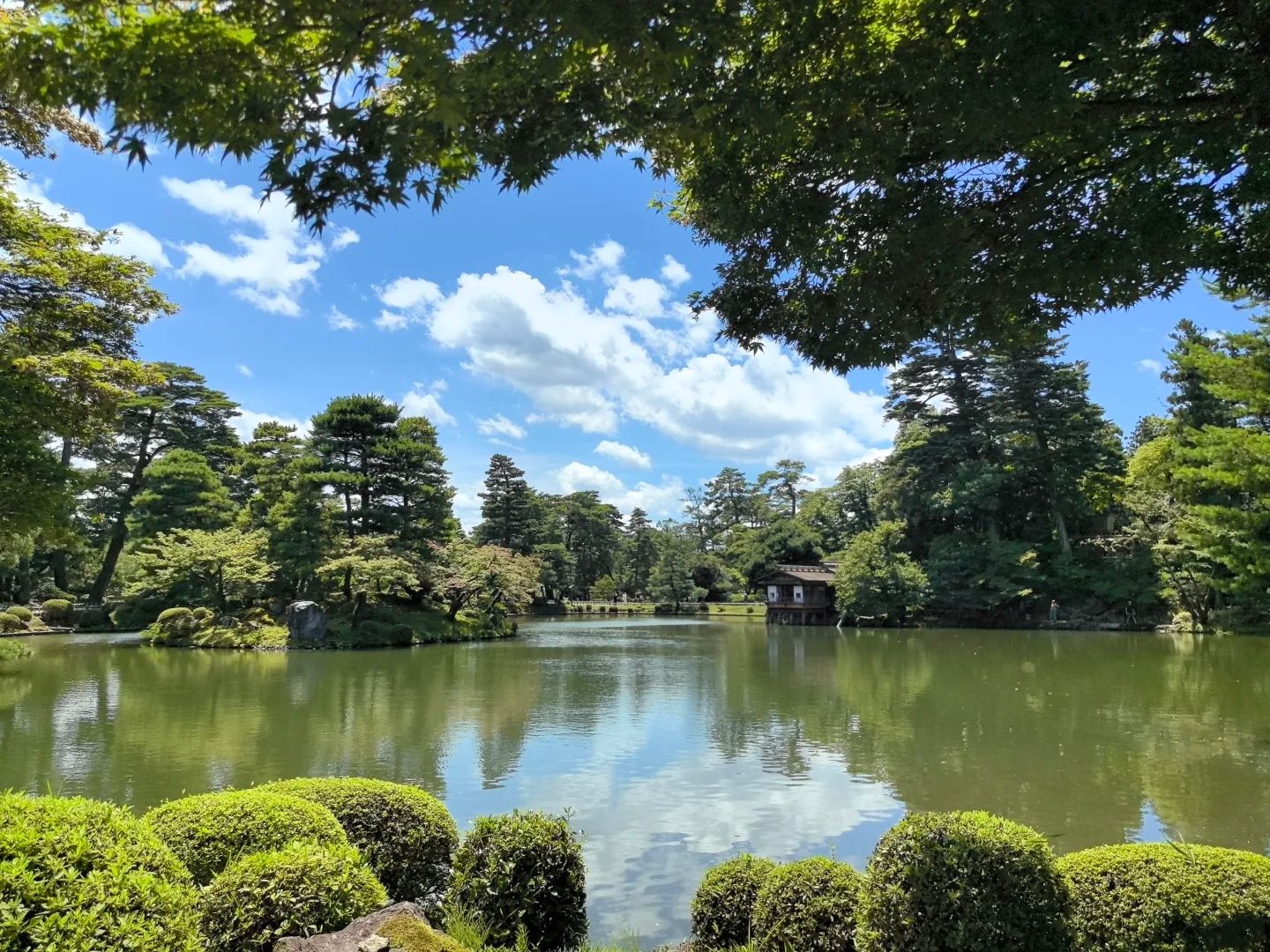
Close, Kanazawa, with Toyama or Takaoka if the shape needs them. Kenroku-en, the castle, Higashi Chaya, Omicho. Two nights on the classic five. Toyama or Takaoka is a soft close, or the handoff to Tateyama.
Food on the spine
Menus change by segment. This is not Osaka's eat-until-you-drop.
Nagoya. Miso katsu or miso nikomi. The gateway dinner.
Hida. Hida beef, or the inn dinner. Often the formal meal.
Shirakawa-go. Hoba miso, or a simple set. Lunch. Protect the daylight.
Kanazawa. Seafood at Omicho, or Kaga cuisine. A morning market, not a midnight checklist.
At most one formal reservation meal per day. Allergies in writing.
Add-ons, named or off
Eiheiji, in Fukui. A Zen day, or one extra night off Kanazawa or Tsuruga. Not a substitute for the henro.
Tojinbo. Cliffs for half a day. Be honest about the weather.
Tateyama Kurobe Alpine Route. Its own season window. Never the same day as Shirakawa.
Noto. A separate block. Confirm facilities, roads, and lodging before the trip. Off the default spine.
Ise Jingu and the Kumano Kodo. A split calendar from this spine.
The whole dragon on one ticket. We refuse that.
How to move
Gateways. Centrair into Nagoya is the classic. Tokyo on the Hokuriku Shinkansen into Kanazawa or Toyama. Osaka or Kyoto to Tsuruga, then the Hokuriku Shinkansen. Print the transfer.
After the shinkansen reached Tsuruga, the old memory of a direct limited express from Nagoya to Kanazawa, the Shirasagi, is obsolete. Write the live connections.
On the spine. Nagoya to Takayama or Gero: the limited express Hida, and its peers, is the rail spine. Reserved seats in a peak period. Takayama, Shirakawa, and Kanazawa: highway and sightseeing buses. Two tickets if you stop at Shirakawa. Shoryudo-style freepass products: the live map, the surcharges, and the dead zones go on the quote. A pass does not always equal a reserved seat. A private car when seniors, luggage, or several stops need it. A tool, not a showpiece. Luggage on the gassho day: a locker at the station or the bus center, or bags sent ahead. Do not haul big cases through the village.
The bus you fail to reserve ruins a day faster than any dragon story.
When to go
The comfort window is late October through November, and late March through May. Book the foliage and the new green early. Kanazawa's maple peak and its ginkgo peak drift by the year.
Snow, December through February. Gassho in snow is the product, and it is a transport risk. A backup is required.
Tateyama only inside the official open window.
Plan around Golden Week, Obon, year-end and New Year, and the peak Shirakawa weekends.
How to spend 5–7 nights
Slow first, heavyweight second, blank last. One heavyweight per day.
Classic 5 nights, the default quote.
Day 1, soft landing. Centrair to Nagoya. One city layer. Night 1 in Nagoya.
Day 2, into Hida. Nagoya to Takayama. Orient in town, an easy dinner. Night 2 in Takayama.
Day 3, Hida deepened. Sanmachi, the market, one deepen. Night 3 in Takayama.
Day 4, the gassho day. Shirakawa-go, or Gokayama, then on to Kanazawa. Night 4 in Kanazawa.
Day 5, Kanazawa. The garden and the castle, or the chaya district and Omicho. Night 5 in Kanazawa.
Day 6, the exit. A morning exit toward Tokyo, Kansai, or Centrair. Not a fake full day.
If 6 nights. Keep the classic count honest. Pick one insert. A Gero soak: night 1 Nagoya, night 2 Gero, nights 3 and 4 Takayama, nights 5 and 6 Kanazawa. Or land at Centrair and go on to Gero the same day, and still keep Takayama at 2 and Kanazawa at 2. Or a Toyama or Takaoka close, a second Kanazawa layer, or a weather buffer, without cutting Shirakawa to twenty minutes.
If 7 nights. Keep the spine. Add one named day: Tateyama, or Eiheiji, or Kaga and Wakura, or the start of Noto. Not a stack.
If 4 nights. Takayama for one or two, Kanazawa for one or two. Shirakawa packed, or cut. Mark what was skipped.
If 2–3 nights. The Kanazawa door only.
Southbound reshape. Reverse the same beads when the exit is Centrair, or when you open from Kanazawa after the Tokyo shinkansen.
Stacking. Do not starve Tokyo's 3–4 nights or Osaka's 2–3 nights to finish the dragon on a short Japan. The spine is an opening block or a closing block, or it is the next Japan.
What we would do, and what we would not
We would quote a 5-night classic spine with the nights printed by city.
We would price Shirakawa as a day heavyweight, with the bus notes.
We would add Tateyama, Noto, Ise and Kumano, or Eiheiji only when they are named and paid for in nights.
We would offer a southbound reshape, or a Kanazawa-first reshape.
We would tell a short calendar to buy Kanazawa, or to wait.
We would not call Shoryudo a pilgrimage ring.
We would not stuff Ise, Kumano, Tateyama, and Noto into five nights.
We would not sell a twenty-minute Shirakawa stop as the heritage product.
We would not default Noto without a live access check.
We would not write a post-Tsuruga itinerary from an obsolete direct-Shirasagi memory.
We would not swap Tokyo's capital layers for a dragon sticker.
Practical information
Where to stay. Nagoya as the gateway. Gero or Okuhida for the soak. Takayama for Hida. In Kanazawa, the station against the walk to the garden and the chaya district. An overnight in Shirakawa only if a night among the gassho houses is the point, and the rooms exist.
How to start. Send the month, the nights (5, or 6–7, or the door only), the gateway (Centrair, the Tokyo shinkansen, or Kansai via Tsuruga), the direction (northbound or southbound), whether Shirakawa is in, which one add-on if any, ages, luggage, allergies, and whether an onsen is wanted. Lock the spine against a city door first, then the gassho day and the add-ons. The inn romance comes after.
About East Marvel
East Marvel builds private Asia trips for Western and international guests. The same grammar as the Shikoku henro essay and the city-night guides: clear the name, cut the spine, print the nights, refuse the poster.
Related reading, as those guides are published: the Shikoku henro, where the ring is a rite; why Tokyo wants at least 3–4 nights; why Osaka wants at least 2–3 nights; why Hakone wants at least 1–2 nights; why Fuji wants at least 1–2 nights. We do not point at a page that is not up.
FAQ
Is Shoryudo a pilgrimage? No. A tourism region, and a longitudinal spine. For a rite ring, use the Shikoku henro piece.
5 nights or 7? Five is the classic spine: Nagoya 1, Takayama 2, Kanazawa 2, plus the Shirakawa day. Six is a buffer, or Gero or Toyama to soften it. Seven is the spine plus one add-on day.
Must we start in Nagoya? Classic northbound, yes. Kanazawa first, from Tokyo, or southbound toward Centrair, are valid reshapes. We rewrite the nights. We do not force the cartoon.
Is Gero required on a 5-night spine? No. An optional soak. Cleaner on 6 or 7 nights, unless you deliberately swap a Takayama night. We mark the cut.
Is Shirakawa-go mandatory? No. Fund a full day if yes. Takayama and Kanazawa still stand if no.
Can we visit Noto? As a paid separate block, after a live confirm. Off the default spine for honesty. Not a permanent deletion.
Where does the Hokuriku Shinkansen fit? It is the bone for the Kanazawa, Toyama, and Tsuruga doors. It is not a completion certificate for Shoryudo.
Is a Shoryudo bus freepass worth it? Sometimes, on a bus-heavy spine. Check that pass's live map, the days, and the surcharges. Reserved seats can still matter. We match the pass against point-to-point tickets on the quote.
Good with seniors or kids? Yes, with fewer transfers, gentler walks in Takayama and Kanazawa, a private car when the buses punish, and snow and stair notes on the plan.
Can this replace Tokyo or Kyoto nights? No. The spine buys a Central Japan and Hokuriku shift. Tokyo's layers, and a dawn sleep in Kyoto, stay separate products when those are the brief.
Closing
Shoryudo is not a stamp-office ring. It is a north–south spine with a dragon nickname: a soft start on the Pacific side, Hida timber and optional steam, one honest gassho day, Kanazawa's garden and market as the Sea of Japan close, then one paid add only when a sixth or seventh night exists.
Send the month, the night count, the gateway, the direction, and which single add-on, if any, must carry weight. East Marvel will quote the spine you can finish.