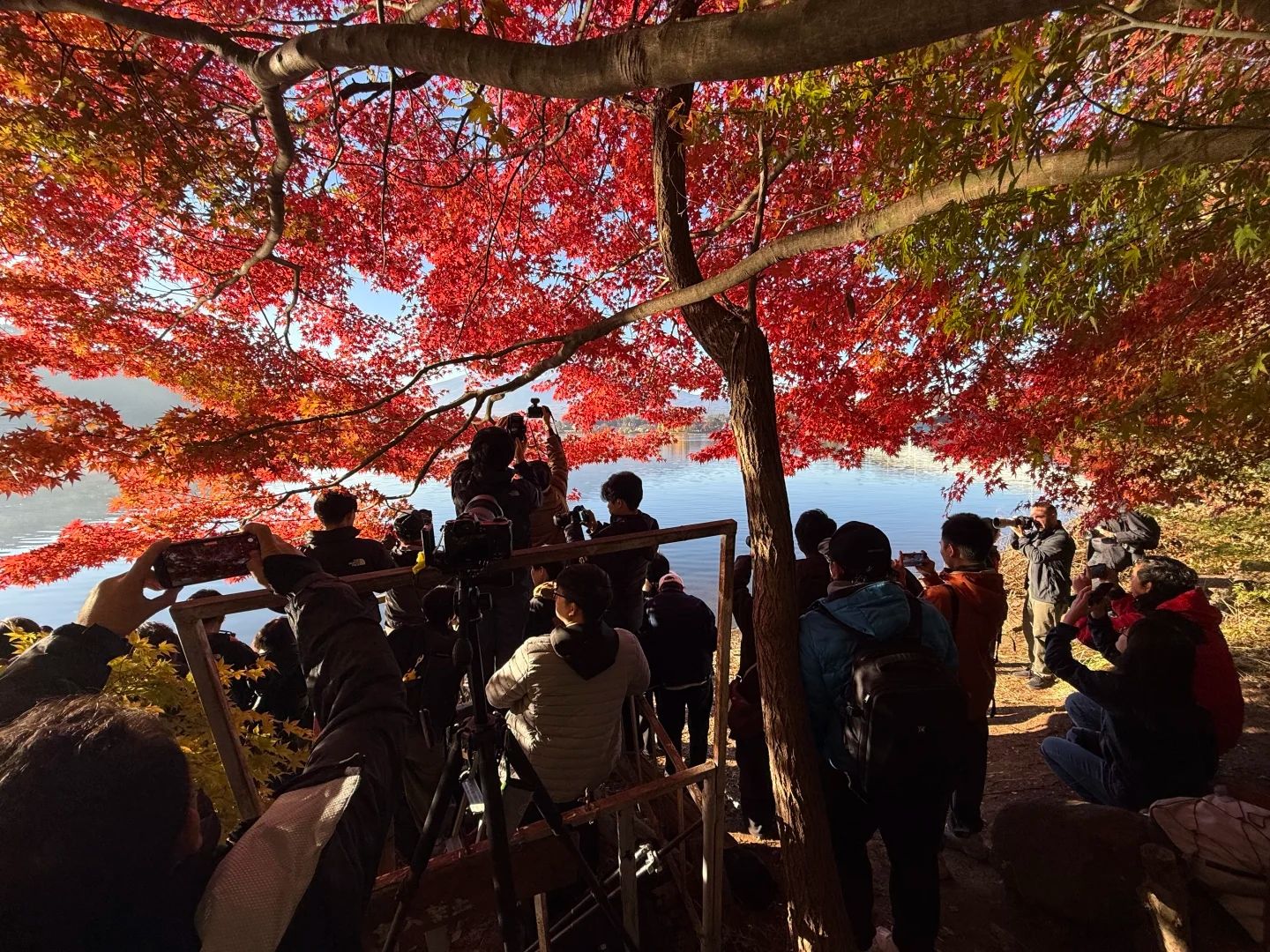
Most first-time Japan plans treat Hakone as a checkbox off Shinjuku: Romancecar out, one ropeway photo aimed at a cone that may not appear, one black-egg bite, race back for a Tokyo dinner. The mountains were on the itinerary. The mountains were not in the trip.
That is enough to pass through Hakone. Not enough to soak into it.
Hakone opens on a different clock than Tokyo's layers or a Kawaguchiko dawn raid: Tozan switchbacks when you are not watching the minute hand; a ropeway cabin when wind and volcanic-gas notices have not rewritten the day; Lake Ashi when the boat is running and Fuji on the water is a gift, not the point; sculpture in the Open-Air Museum when the legs still work; a ryokan noren and an outdoor bath when the capital's neon is already someone else's problem. All of that needs nights in the hills, or an honest full day with the cuts printed. Not a single optimistic afternoon sold as Fuji and onsen, done.
East Marvel's default: at least 1 night, and 2 feels right when you want the loop plus the Open-Air Museum, or Pola and Gora art, plus a weather buffer, or when Hakone is the soak half of a Kawaguchiko-then-Hakone bridge. A Tokyo day trip is possible with an early Romancecar. Shinjuku to Hakone-Yumoto is often about 80 minutes. Enough for a classic loop. Tight for the loop and a serious museum and a long soak. We mark the day trip as classic, and the overnight as full. Fuji on the quote is labeled a weather-dependent bonus. If the brief is "I need the cone," read our Mount Fuji Travel Guide and lean Kawaguchiko. Hakone does not become a viewing guarantee because the hotel name includes Fuji.
Same method as the Tokyo, Fuji, Osaka, and Nara guides: layers, not landings; one heavyweight per day; geography before the photograph. On a Tokyo calendar, a Hakone day trip competes with Kamakura, Nikko, or a Fuji day trip as one day-5 choice. A Hakone overnight is a named add. It costs a Tokyo night, or it sits between Tokyo and Kansai via Odawara as part of our Japan tour packages. Protect Tokyo's 3–4 night layers by following our Tokyo Travel Guide. Protect Osaka's food nights if Kansai follows. Do not stack the Hakone loop, a Kawaguchiko circuit, and a same-day Shinkansen as one light day.
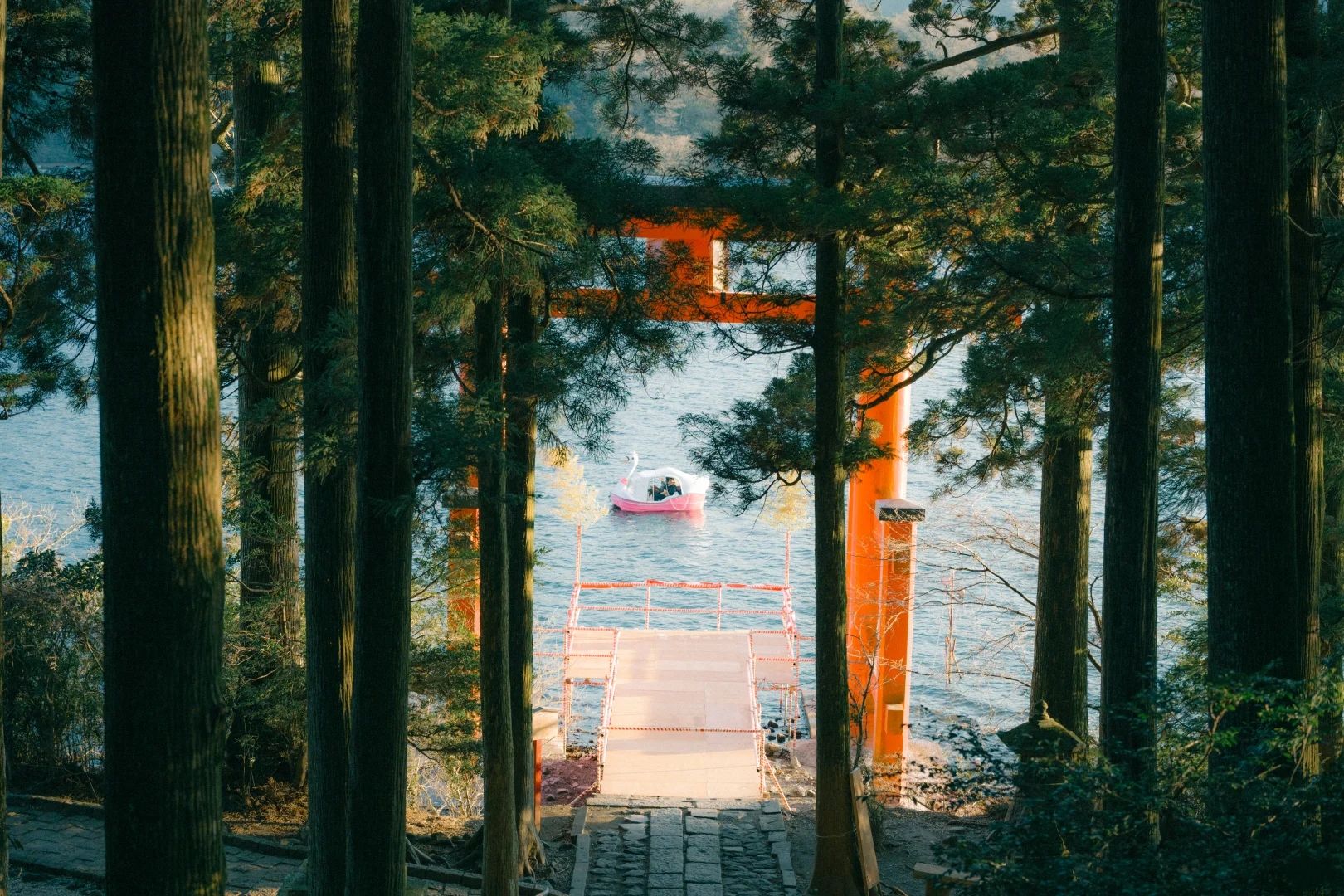
What Hakone is: mountains misread as a Fuji day pin
Hakone is a volcanic mountain resort west of Tokyo: onsen towns, a classic sightseeing circuit, lake water, sculpture gardens, and a long history of welcoming travelers between the capital and the Tokaido corridor. It is not Mount Fuji, closer. It is a place where the bath and the transfer rhythm are the culture: ropeway sulfur, cedar shade, a ryokan dinner, and a morning that does not need Shinjuku's scramble.
It is usually treated as Fuji's backup stage: aim the camera at Lake Ashi, hope for the cone, leave. But if Japan reads as Tokyo layers, one Hakone selfie, and Kyoto temples, Hakone is the soak you skipped while arguing with cloud.
For Western guests who know Alpine lake towns or a California hot-spring weekend more than shrine queues, Hakone's familiar strangeness hits hard: an engineered sightseeing loop, an honest volcanic smell, a multi-course ryokan dinner, and a mountain that cancels the ropeway when the wind says so.
Tokyo asks you to move into layers. Kawaguchiko asks you to move into viewing odds. Hakone asks you to move into the soak and the circuit, and to treat Fuji as the weather's gift.
One night vs two vs day trip
One night is the default arrival. An afternoon section of the loop, or the museum, then the ryokan dinner and the onsen, then the next morning's ropeway or Lake Ashi when the forecast favors it, then the exit to Tokyo or Odawara. This buys the evening a day trip cannot fake.
Two nights feels right when it is paid for. It splits the art and Gora from the ropeway and the lake, adds a morning to make up for weather, or hosts the soak after a Kawaguchiko viewing night. Common on a bridge from Tokyo toward Kansai when the brief wants both the cone's odds and the bath.
A Tokyo day trip is classic, not full. Roughly 8–9 hours on the ground after about 80 minutes each way. Enough for the spine of the loop. Not for the loop, a deep Open-Air Museum, and a long onsen without cuts. We print the cuts on the quote.
A half-day raid we mark thin. One photo stop is not Hakone.
Two clocks, one volcanic basin. That is why Hakone deserves 1–2 nights when the onsen is real. With a rushed day trip you get the transfers. With a night you get the noren. With two you stop gambling the whole product on one wind notice.
The Hakone Loop
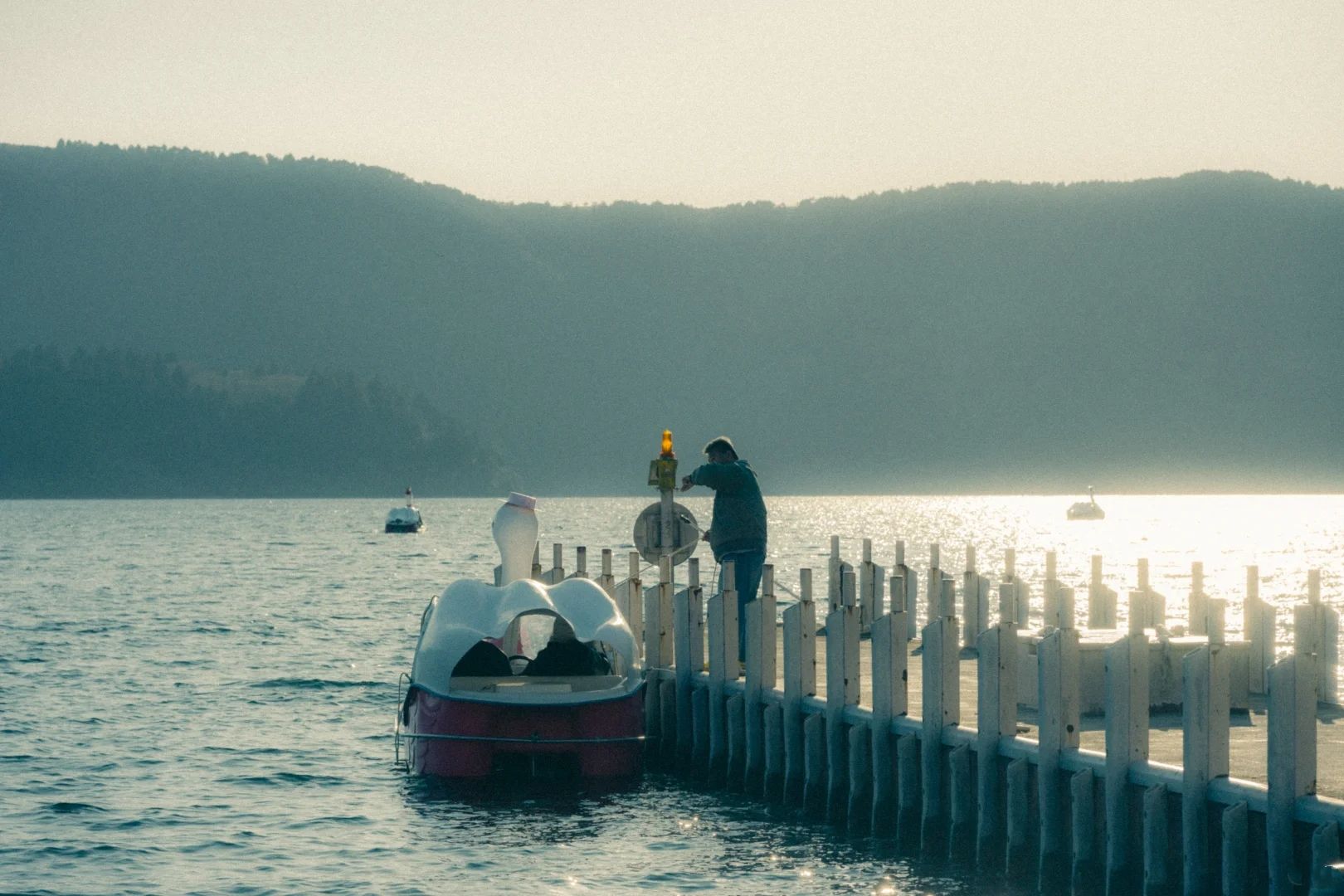
The Hakone Loop is a chain, not a single ride. The Hakone Tozan train, Yumoto to Gora, often about 40 minutes up. The cable car, Gora to Sounzan, about 10 minutes. The ropeway, Sounzan to Owakudani to Togendai. The Lake Ashi boat, about 25–40 minutes by the run. A bus back toward Yumoto. Direction and order flex with crowds and closures.
Confirm the ropeway and the boat live, the morning you go. Wind, fog, maintenance, and volcanic-gas measures suspend sections. Replacement buses often exist. We rewrite the plan. We do not pretend the cabin is guaranteed.
Last-cabin times shorten by season, often earlier in December and January. Print that day's window, not a summer memory.
Planned inspection windows happen. Check Hakone Navi and the operator notices for your dates.
One loop direction per day is enough. Do not reverse the entire circuit for completeness.
Owakudani's black eggs and viewpoints only when that section is open. They are never the whole trip's meaning.
Best for first-timers who want the classic mountain circuit. If mobility is limited, or the weather is bad, shorten to the Tozan, Gora, and the onsen, or take the museum day. Delete the ropeway guilt.
The loop is one day heavyweight. A deep museum is another square. An overnight makes both honest.
Onsen and ryokan
This is Hakone's real point when we sell Hakone. Not the cone.
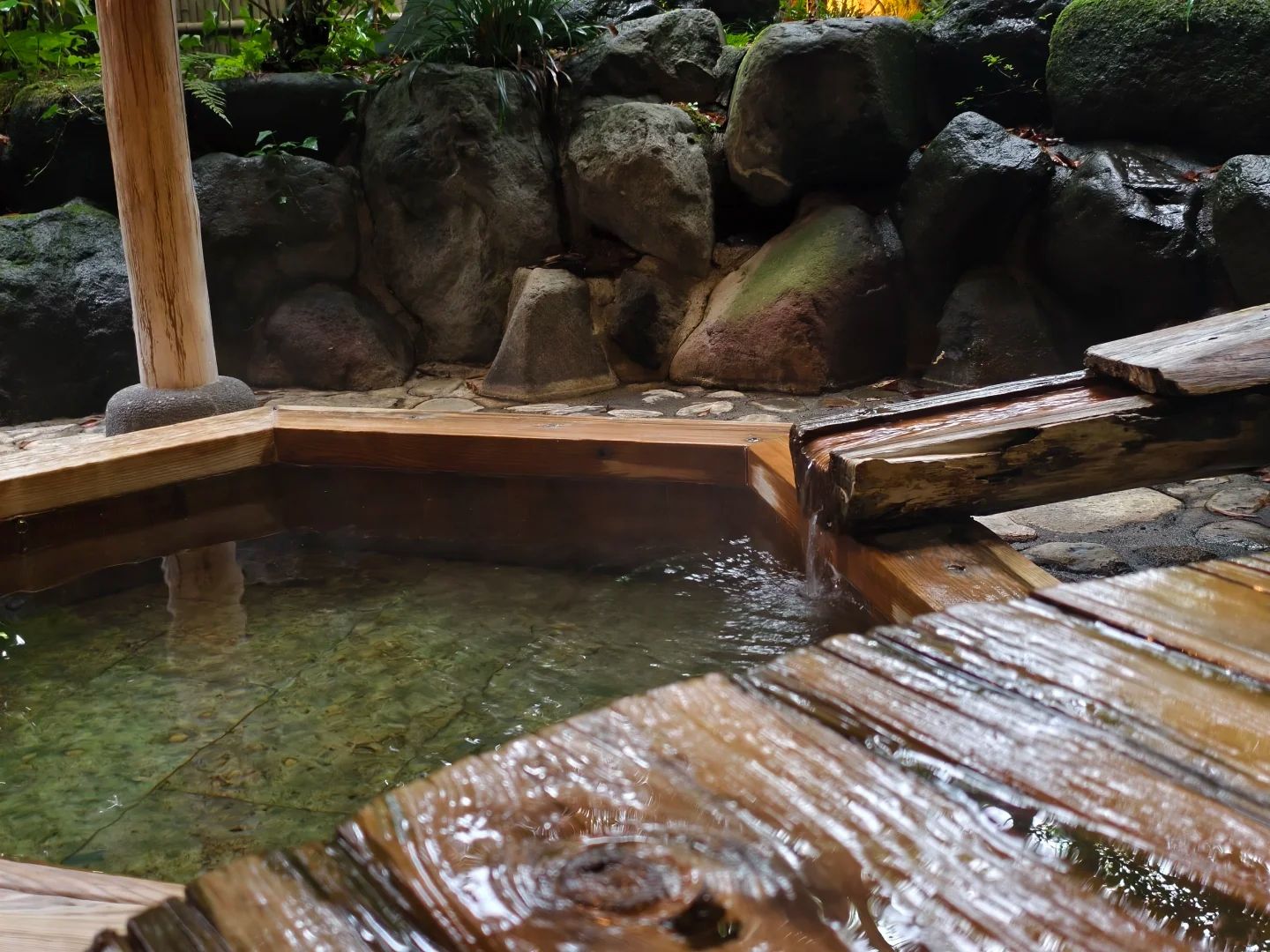
A ryokan night: a kaiseki-style dinner, a yukata, an indoor or outdoor bath, sleep in the hills. Check-in windows matter. A day-trip thirty-minute public bath at the end is a different, thinner product. We say which one is on the quote.
Where to sleep. Hakone-Yumoto: the easiest rail arrival, many inns, good when luggage and seniors matter. Gora, Miyanoshita, and along the Tozan: loop-centric, strong for the Open-Air Museum and the cable car. The Lake Ashi and Moto-Hakone belt: water and shrine walks. A Fuji bonus when it is clear. Still not a viewing contract.
Etiquette is not optional. Wash before the tub. No swimsuits in a traditional bath, unless the venue is a swimsuit-park product. Tattoos: confirm the property's rule before booking. Quiet voices after dinner.
Best for couples, seniors, and anyone who named an onsen night on the brief. Guests who refuse a communal bath take a private-bath room when the inventory allows, or a hotel-style stay. We do not force the romance.
A swimsuit onsen park, Yunessun and its kind, is a family water-park day. Fun when asked for by name. It does not replace a traditional ryokan evening on the quote.
The ryokan dinner is the formal meal on an overnight. Yumoto street food and the station cover a day-trip lunch. At most one serious reservation outside the inn per day.
Art and soft days
When cloud owns Fuji and wind owns the ropeway, Hakone still works, if you funded the time.
The Hakone Open-Air Museum. Sculpture, the Picasso Pavilion, walking lawns. Often about half a day if you mean it. It sits on the Tozan line, at Chokoku-no-Mori. A day trip that insists on a full loop and a full museum usually punishes the ropeway clock. An overnight splits them cleanly.
The Pola Museum, or a soft culture day in Gora. A useful second art stop, or a rain spine, on a two-night stay. Pick one art heavyweight beside the loop. Not three museums, plus Owakudani, plus a shrine checklist.
Hakone Shrine and the Ashi shore walk. The torii-in-water photo when crowds and weather allow. Keep it as a deepen after the boat, not a separate pilgrimage stacked on a spent loop day.
At most one serious indoor ticketed deepen per day, beside the loop. The ryokan dinner counts as the formal meal when you stay overnight.
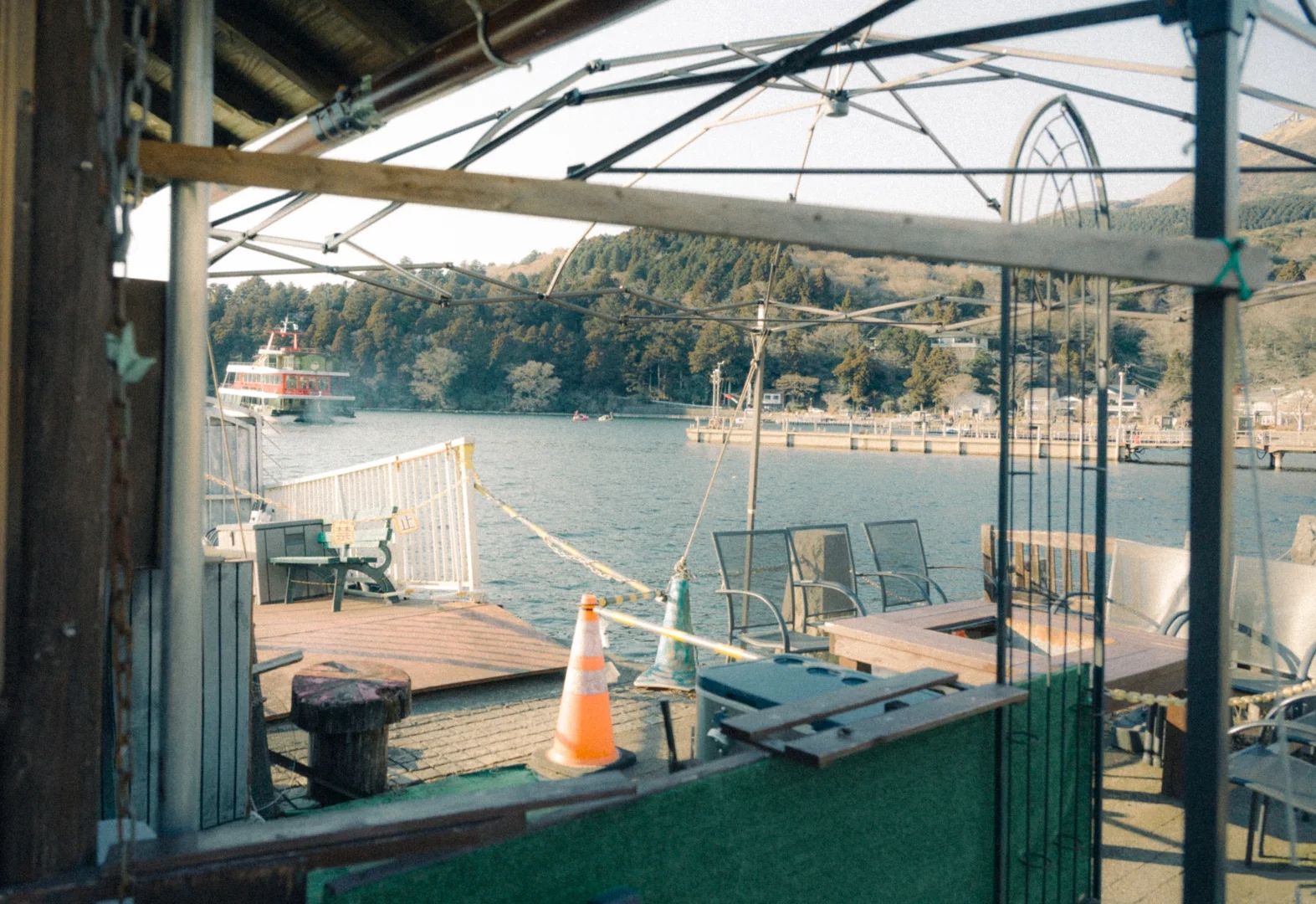
Fuji, Kawaguchiko, and the Odawara bridge
If seeing Fuji is the point, a Kawaguchiko overnight comes first. Read the Fuji guide.
If the brief is the onsen and a soft chance of Fuji, 1–2 nights in Hakone. The cone is a bonus.
If the brief is to see and to soak, two nights: Kawaguchiko, then Hakone. The common bridge from Tokyo toward Kansai.
On a Tokyo day 5 only, Hakone or Kamakura or Nikko or a Fuji day trip. Pick one.
To continue to Kyoto or Osaka: a soft Hakone morning, then Odawara, then the Shinkansen. Do not invent a same-day full loop and a bullet train after a dawn shoot at Kawaguchiko.
Climbing Fuji is a separate product. Not a Hakone add-on.
Hakone nights buy the bath and the circuit. Kawaguchiko nights buy viewing odds. Odawara buys the Kansai train. Fuji's visibility buys nothing you can put in a contract.
When to go
The comfort default is late October through November, and March through April. Walkable. Autumn color and spring green. Book the ryokan early.
Clearer odds of a Fuji bonus are November through February mornings. Cold. Still not a guarantee. The onsen earns the trip when the cone hides.
Summer, July and August, is greenery and haze. Ropeway queues. Hydrate. Fuji is often soft. Lean on the soak and the museum.
Rain, typhoon, and heavy wind. Loop sections suspend. A museum and onsen backup has to exist on the plan.
Plan around Golden Week, Obon, year-end and New Year, and the peak autumn weekends. Romancecar seats and ryokan spike. Lock them early, or shift the dates.
How to spend 1–2 nights
Slow first, heavyweight second, blank last. One heavyweight per day. The onsen evening stays protected. Fuji is never the only success metric.
One night is an arrival afternoon, the evening bath, a loop section the next morning, and the exit. Two nights is the arrival day, one full loop or art day, and a morning exit on day 3, or two activity days if you leave later. We print the exit, so day 3 does not pretend to be endless. We print the Romancecar and Odawara times on the quote.
A classic day trip. One heavyweight. An early Romancecar from Shinjuku, about 80 minutes, to Yumoto, then the Tozan, the cable, the ropeway and Owakudani when they are open, the Ashi boat, the bus, a short soak or skip the soak, back to Shinjuku. The museum is off, or tiny.
One night. The soak and the circuit. Day 1: arrive, the Open-Air Museum or a partial loop, then the ryokan dinner and the onsen. Day 2: morning ropeway or Lake Ashi, the best window for a Fuji bonus, then exit to Tokyo or Odawara.
Two nights. Art, the loop, and a buffer. Day 1 the museum or Gora. Night 1 the onsen. Day 2 the full loop spine. Day 3 a soft morning and a buffer, or Odawara toward Kansai. Swap the days if the weather demands it.
The bridge, with the Fuji guide. See, then soak. Night 1 is Kawaguchiko viewing. Day and night 2 are the Hakone soak and the loop. Day 3 is Odawara and the Shinkansen.
A thin half-day is one viewpoint. We rarely sell it as Hakone.
A Hakone overnight costs a Tokyo night, or it adds days to the calendar. Write the cut. If Osaka or Kyoto follow, protect Kansai food and the temple dawns. Hakone is the mountain bridge. It is not a reason to starve Tokyo down to two neon nights.
What we would do, and what we would not
We would default an onsen brief to one night in Hakone, and fund a second night when art and a weather buffer matter.
We would print the Romancecar at about 80 minutes, and the habit of checking the ropeway and the boat live, on the plan.
We would label Fuji a bonus, and send a cone-first guest to Kawaguchiko.
We would use Hakone as the bridge from Tokyo through Odawara toward Kansai, when the soak is wanted.
We would keep a Tokyo day 5 as one regional pick, with Hakone competing fairly with Kamakura and Nikko.
We would not call Hakone a Fuji guarantee.
We would not stack a full loop, a deep Open-Air Museum, and a long onsen into one day-trip fantasy.
We would not stack a Kawaguchiko circuit, the Hakone loop, and a same-day Kyoto Shinkansen.
We would not ignore a suspension notice and still sell Owakudani as mandatory.
We would not swap Tokyo's 3–4 night capital layers for one hazy ropeway photo.
We would not force a tattoo-unfriendly bath without a private-bath backup when the brief needs it.
We would not sell a swimsuit onsen park as a silent swap for a ryokan night.
Practical information
Where to stay. Hakone-Yumoto for arrival ease, seniors, and luggage. A frequent practical default. Gora and Miyanoshita for the loop and the museum. The Ashi shore for lake walks and the shrine. Book a view room early. A view is not a guaranteed Fuji. Never treat a Shinjuku hotel plus a three-hour raid as equal to a ryokan night when the onsen was the ask.
How to move. The Odakyu Romancecar from Shinjuku, all seats reserved, book them in a peak period, or a regular Odakyu train plus a transfer. Hakone Freepass styles cover much of the loop from the Odakyu corridor. The Romancecar limited-express surcharge is typically extra. Confirm live prices and the pass rules for your dates. IC cards help on some legs. Loop tickets still matter. Forward the luggage from Yumoto to the ryokan when the property supports it. A private car for mobility or a day with several stops. Mountain roads and coach traffic make the car a tool. It is not always faster than the loop.
Etiquette and bookings. At a ryokan, dietary restrictions and the tattoo policy in writing before the deposit. Onsen manners as above. Timed entry at the museum is rare, but the hours are real. Last-admission buffers go on the plan. Weather cancels cabins. We write buffers, not guarantees.
How to start. Send the month, the Hakone nights you have, whether the point is the onsen, the loop, a Fuji bonus, or art, which Tokyo nights can be cut, ryokan or hotel, tattoo or private-bath needs, whether Kansai continues, the ages in the party, and allergies. East Marvel locks a day trip against 1–2 nights first, then Yumoto, Gora, or Ashi. Romance and blank hours come after.
About East Marvel
East Marvel builds private Asia trips for Western and international guests, with the same pacing as the Tokyo, Fuji, and Nara guides. We do not ask first whether Fuji was visible from the ropeway. We ask whether the brief is a soak night, loop comfort, an art day, or the odds of the cone. Hakone clusters the baths and the transfers. Kawaguchiko owns the viewing attempts. Odawara opens the bullet toward Kansai.
Related reading, as those guides are published: our Tokyo Travel Guide; our Mount Fuji Travel Guide; our Osaka Travel Guide; and our Nara Travel Guide. We do not point at a page that is not up.
FAQ
Are 1–2 nights enough? One night is enough to enter: an evening onsen and real time on the loop. Two nights feel right for the museum, the loop, and a weather buffer, or for the soak half of a Kawaguchiko bridge.
Is a day trip worth it? Yes, as a classic. An early train, the loop in focus, a thinner soak, and little museum. Stay overnight if the bath is why you came.
Will we see Mount Fuji? Sometimes, more often on a cooler clear morning. Never promised. A cone-first brief goes to Kawaguchiko.
Yumoto or Gora? Ease and arrival: Yumoto. The loop and the Open-Air Museum: the Gora belt. The lake face: Ashi.
What if the ropeway is closed? Replacement buses, or a reshape to the Tozan, the museum, and the onsen. The trip still earns its keep when the onsen was the point.
Good with kids or seniors? Yes, with shorter loop segments, fewer stairs, a Yumoto stay, and an honest backup for a wind day. Strollers against mountain transfers go on the plan.
Best season? Autumn and spring for comfort. Winter for the soak and clearer bonus odds. Summer works if you expect haze.
Can Hakone replace a Kyoto night? No. Hakone buys a mountain soak. Kyoto's dawn temples still want a Kyoto sleep when that is the Kansai point.
Is the Freepass worth it? Often yes, for loop-heavy days from the Odakyu corridor. Even many day trips use a two-day style pass. The Romancecar seat fee is typically separate. We confirm the live pass map and your exact dates on the quote.
Closing
Hakone is not Tokyo's Fuji hallway. It is a volcanic resort with a loop and a bath: the Romancecar into the hills, transfers when the notices allow, sculpture when the cloud wins, steam behind a noren when you are still checked in, and a clean Odawara door toward Kansai when the Japan spine continues west.
Protect Tokyo's layers. Read the Fuji guide when the cone is the point. Then give Hakone one night to soak, two to breathe, and never a contract on the mountain's silhouette.
Send the month, the nights, and whether you want the onsen, the loop, the art, or a Kansai bridge. East Marvel will recommend the face that fits, and quote the version we will run.