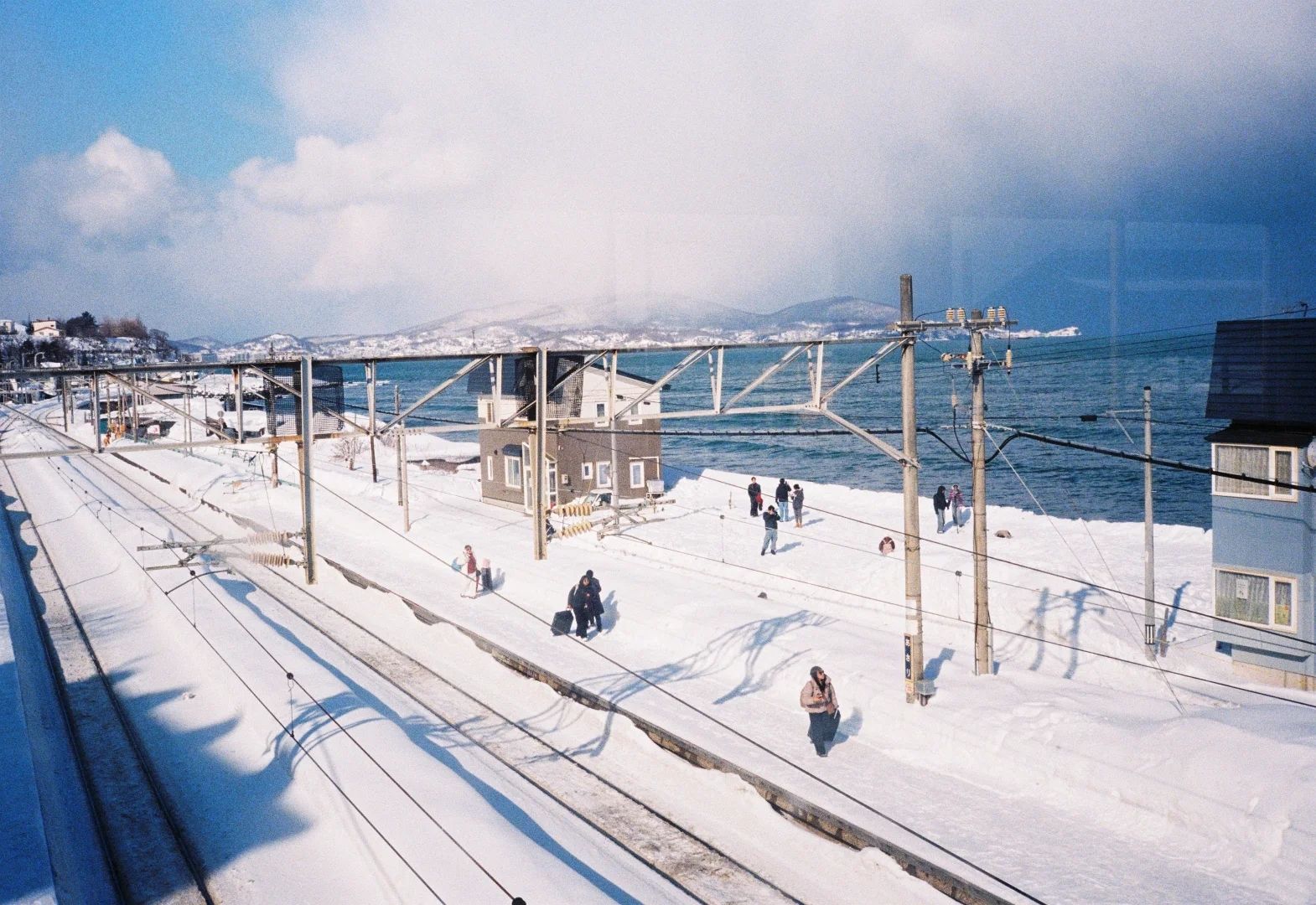
Most first-time Japan plans treat Hokkaido as a layover with better soup: land at New Chitose, one Susukino neon walk, one seafood bowl near the market, then a morning flight south to "real Japan." The island was on the ticket. The island was not in the trip.
That is enough to pass through Hokkaido. Not enough to arrive in it.
Hokkaido opens on different clocks than Tokyo's layers or Osaka's nights: a clear Sapporo morning before the market crush; canal light in Otaru when you are not racing the last JR back for a red-eye; a Furano field day in peak lavender, or Noboribetsu steam, or a snow afternoon when white is the whole argument; an onsen evening when the weather owns the schedule and the trip still earns its keep. All of that needs nights on the island, not a single hungry evening treated as Japan's northern footnote.
East Marvel's default: at least 3 nights, and 4–5 feels right. That is Sapporo food, Otaru, and one seasonal nature or onsen day, without diagonal exhaustion. With 6–7 nights, we seriously discuss a second base: a Furano or Biei overnight, a Niseko snow block, or Hakodate as its own southern face. If the whole Japan trip is only 8–10 days and Hokkaido can spare just 2 nights, we cut to a classic Sapporo landing, and tell you which layer you miss. Shiretoko, the eastern lakes, drift ice, and multi-park loops are separate products. They are not free add-ons on a short Sapporo stay.
Same method as the Tokyo and Osaka guides: layers, not landings; one heavyweight per day; geography before the photograph. Hokkaido is not a Golden Route hallway between Tokyo and Kansai. It is a named island block. Protect Tokyo's 3–4 nights, and Osaka's food nights if Kansai is on the quote. Give Hokkaido its own calendar, or skip it cleanly. Pair it with our Mount Fuji Travel Guide: Why It's Worth at Least 1–2 Nights when the Japan spine is capital, then mountain, then Kansai, and Hokkaido is a separate open or close.
What Hokkaido is: an island misread as a Sapporo layover
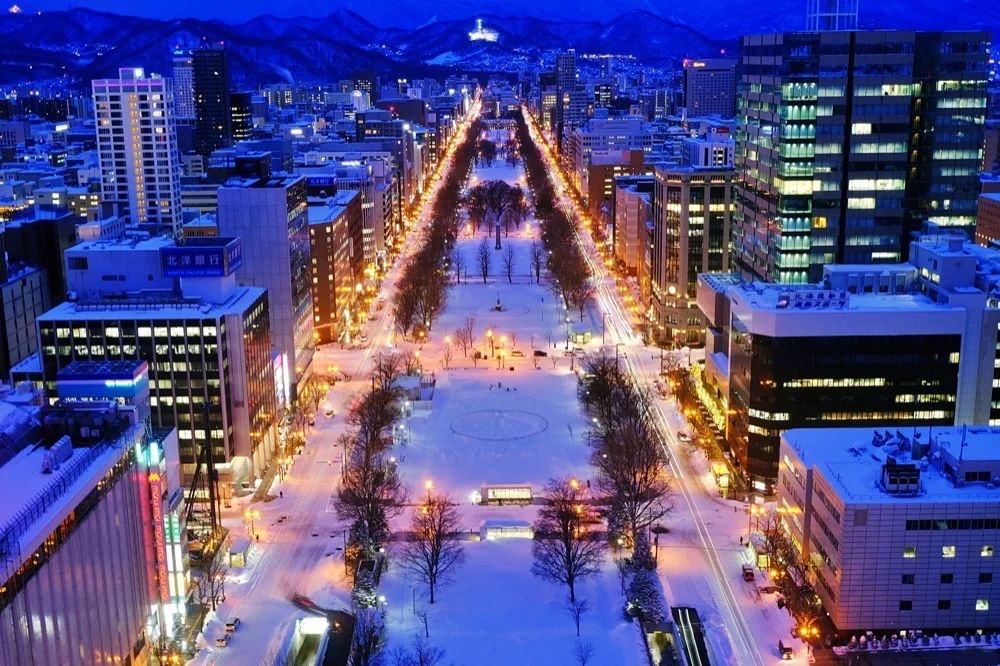
Hokkaido is Japan's northern main island: space, weather, and seasons that behave like a different country without leaving the passport. It is not Tokyo, colder. It is a place where distance is the design: dairy fields, volcanic horizons, fishing ports, and a capital that still feels walkable after Osaka's crush.
It is usually treated as a bolt-on: fly in, ramen, fly out. But if Japan reads as Tokyo layers, Kyoto silence, Osaka appetite, and one Hokkaido soup, Hokkaido is the landscape you skipped while photographing the bowl.
For Western guests who know Colorado winters, New Zealand summers, or Canadian road trips more than shrine queues, Hokkaido's familiar strangeness hits hard: big sky, honest cold, food that is proud of seafood and dairy, cities that sleep earlier than Susukino's reputation suggests.
Tokyo asks you to move into layers on one Yamanote loop. Osaka asks you to move into nights and trains. Hokkaido asks you to choose a season and a radius: the Sapporo hub first, then one nature face, then, only with the nights, a second base.
Two seasons, one capital
Summer and the green face, about June through September. Long days, flower and farm tourism, hiking and lake weather. Furano and Biei become the nature heavyweight. Lake Toya and Noboribetsu work as a volcanic and onsen alternate. Guests who hate a coach day keep Otaru and the Sapporo parks instead.
Winter and the white face, about December through March. Snow Festival windows in early February. Confirm that year's dates. Powder, seafood hot pots, earlier sunsets. Niseko, Rusutsu, or a local ski or snow-play day becomes the nature heavyweight. Festival evenings can own Odori after dark. Guests who will not dress for the cold compress to indoor Sapporo and Otaru. No mountain gambling.
Sapporo is the hub. Almost every first Hokkaido stay anchors here: the airport logic, the hotel depth, the food nights, the JR toward Otaru. Two seasons share one capital. That is why 3 nights get you in and 4–5 feel right. With 2 nights you get soup and little else. With 3–5 you fold in a market, a canal, and one real outdoor day, without pretending the island is a single street.
Sapporo: the hub you actually live in
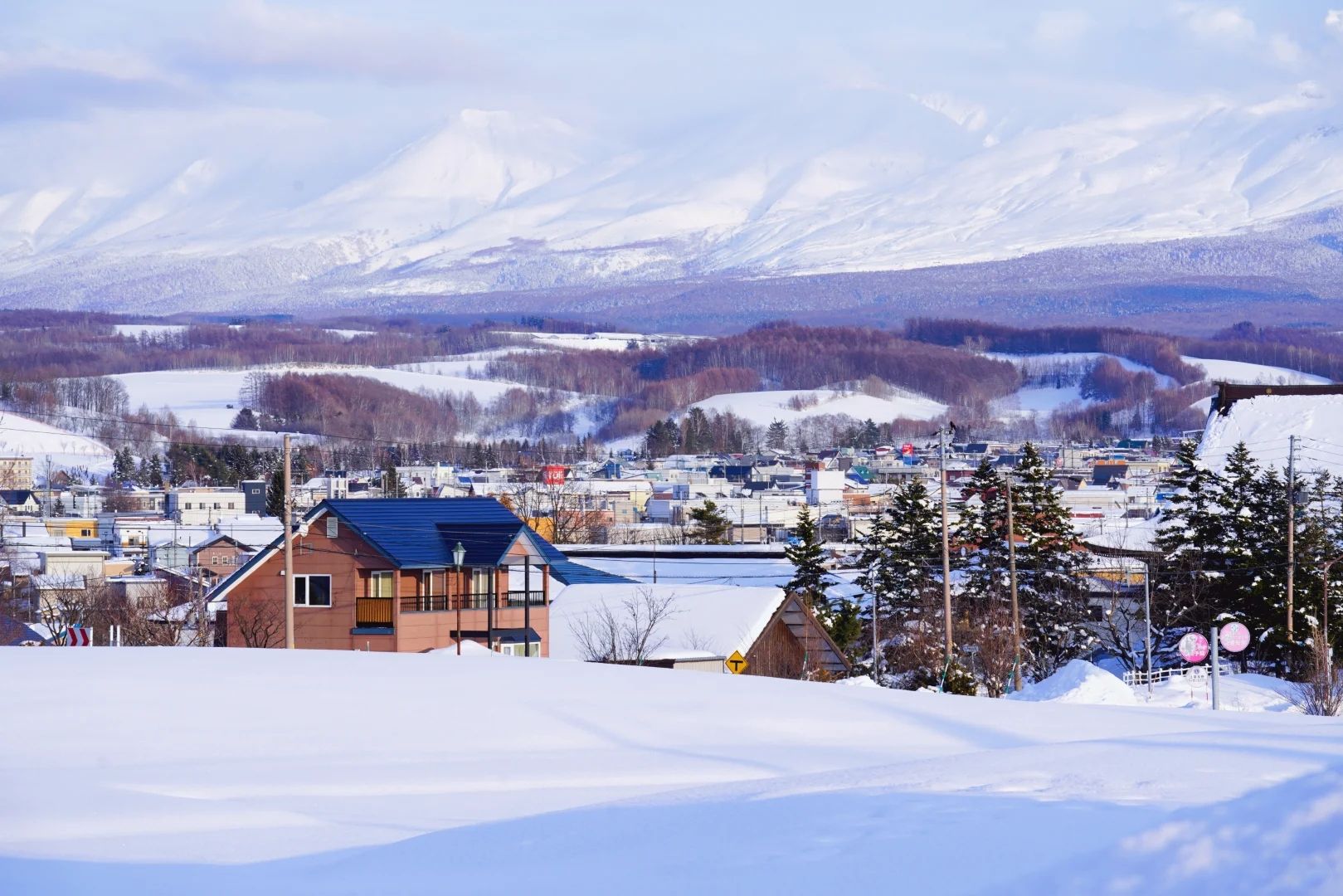
Sapporo is not a neon hallway. It is the island's operating system: grid streets, a simple subway, and weather that rewrites plans overnight.
Odori Park and the city axis. Green in summer. Snow Festival stages in early February. Book rooms months ahead when that week is the ask. Walk the axis. Do not treat the TV Tower photo as the whole day. During the festival dates, evening sculpture light is a night heavyweight. Grade Susukino so the legs survive.
The Clock Tower and the historic pocket. A short deep dive on a soft city day, not a half-day raid. A useful rain or cold backup beside a museum, or a beer-garden lunch, when the brief wants indoor time.
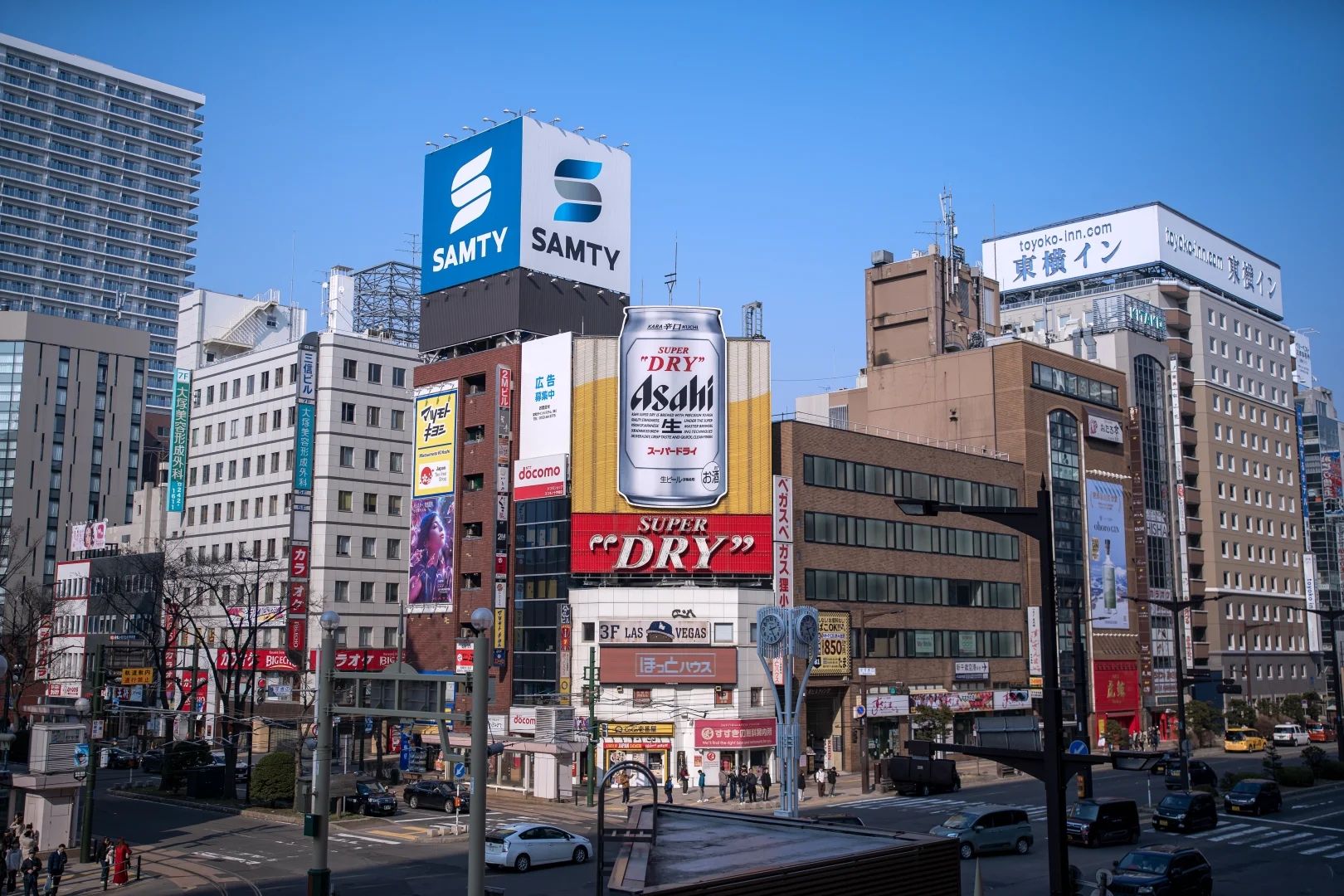
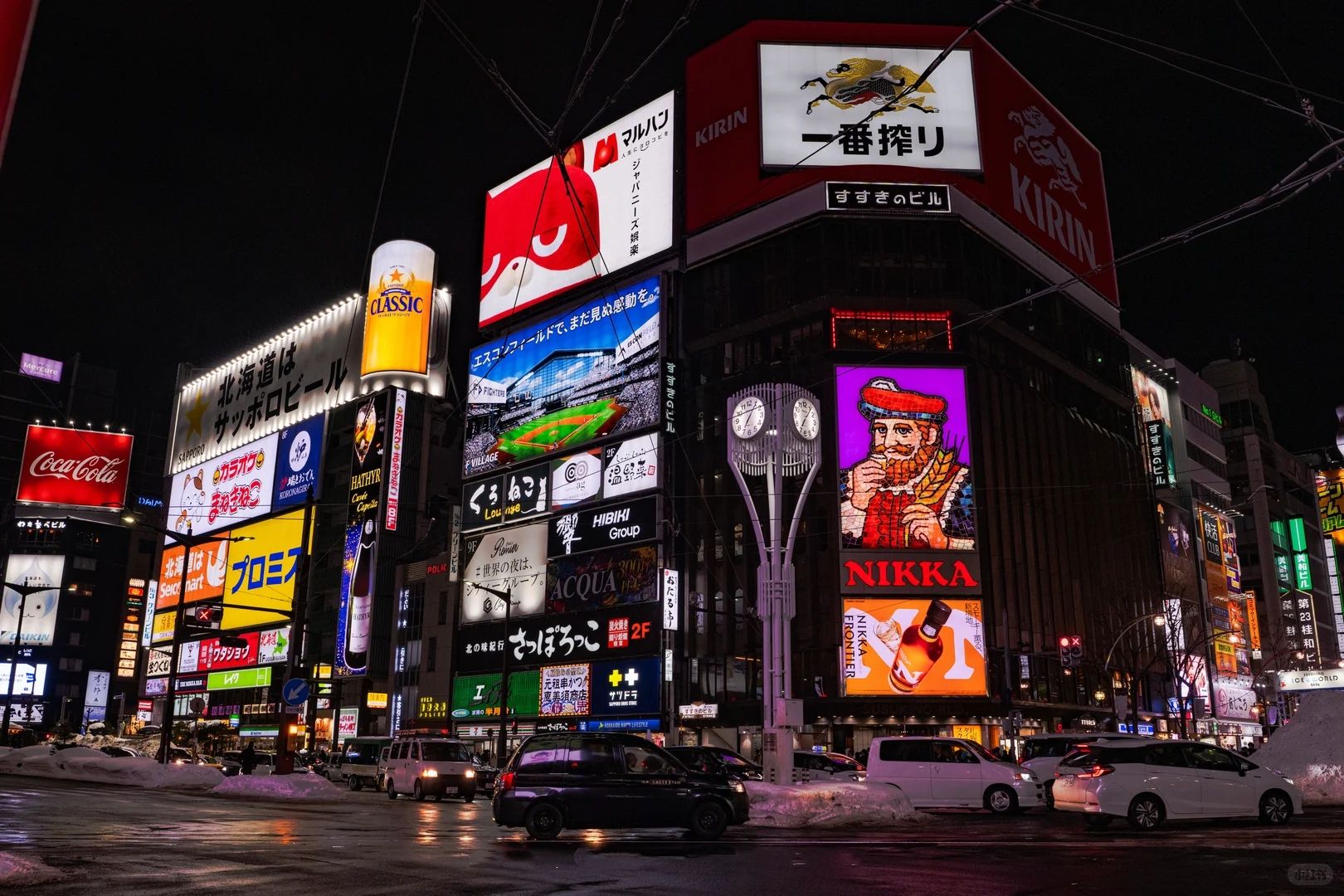
Susukino. The night product: neon, alleys, late bowls. Sleep in a quieter street off the loudest block if you need a 7 am market start. One serious dinner reservation at most. The rest can be an alley and a counter.
East Marvel pacing: day 1 is always a soft landing. The same day does not invent Furano. Sapporo nights buy recovery, food, and a weather buffer. That is the island's real insurance.
Best for almost every first Hokkaido visit. A nature-only brief that insists on sleeping in Furano first is possible on 6–7 nights, with two bases. It is not the default on a tight three.
Food nights: crab, soup curry, jingisukan
Hokkaido's best eating is not one viral crab tower. It is by hour and appetite.
Morning seafood. A walk at Nijo Market, or a visitor-friendly counter in the wholesale-market belt. Pick one. Confirm which stalls welcome day visitors. Sample with restraint. Save dinner capacity.
Soup curry, miso ramen, and dairy sweets. Capital comfort food. Lunch, or a soft dinner. Not stacked after a full crab set.
Jingisukan, the lamb grill. Smoke and a shared grill. A night product when the table is the point. Book the popular houses.
Seasonal fruit and melon, in the green months. A farm stand or a cafe. Not a substitute for a nature day.
Otaru lunch. Sushi or seafood with intent, on the canal day. Do not also clear a Sapporo tasting menu in the same sitting.
East Marvel meal rule: at most one formal reservation meal per day, crab or wagyu or serious sushi. The rest goes to markets, counters, and alleys. Allergies in writing. Morning seafood, one capital dinner, and the Otaru lunch on its own day. The stomach stays intact, so the island does too.
Best for almost every first stay. Careful stomachs shorten the market grazing, lean on soup curry and the hotel dining room, and skip the heavy grill nights.
Otaru: half-day temptation, full-day reward
Otaru sits close enough on the map to be abused: pop over after lunch, back for dinner. That produces canal photos and sore feet. It does not produce a port town.
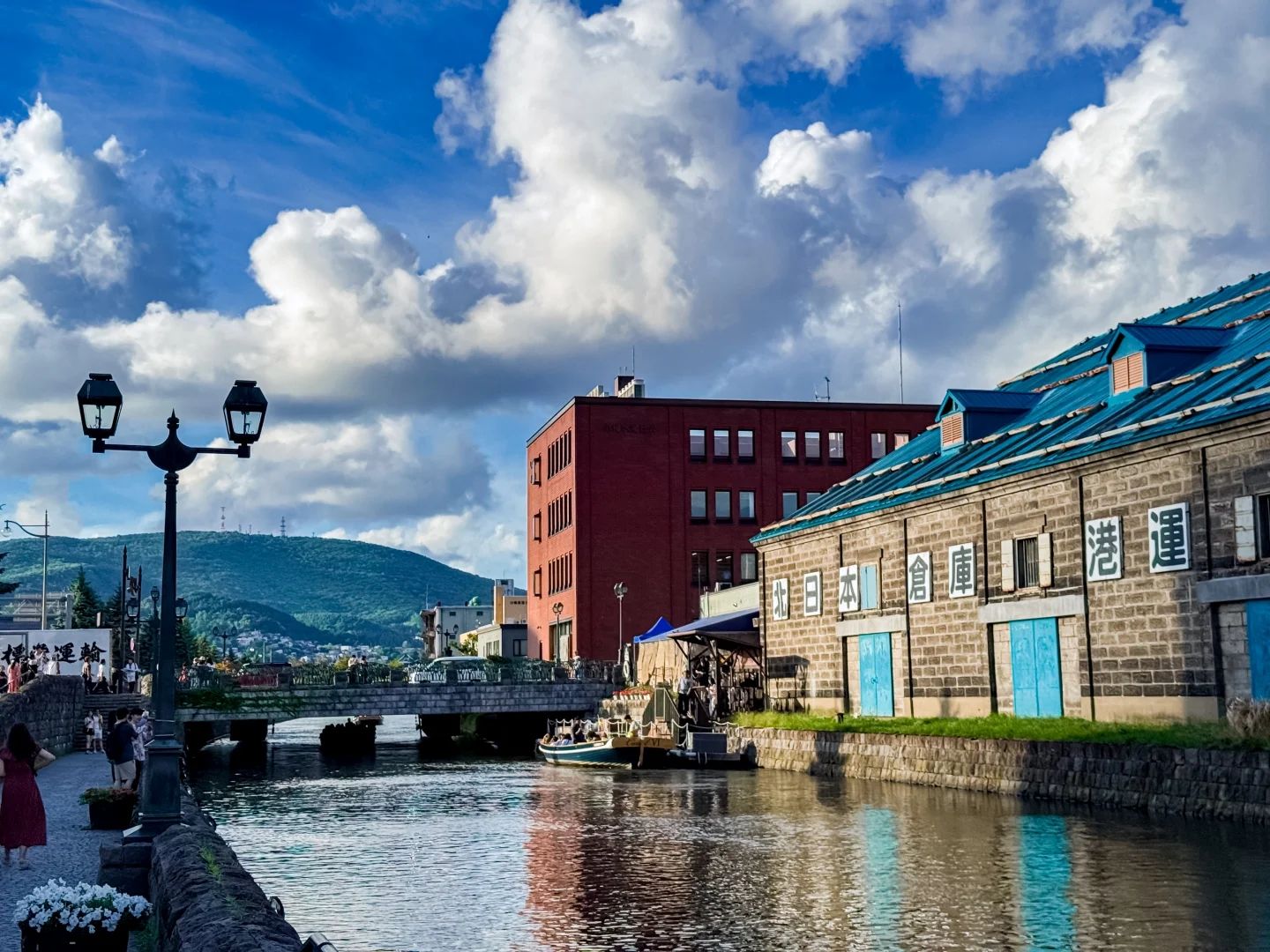
JR from Sapporo to Otaru is often about 30–35 minutes. Still give it most of a day: the canal and the warehouses, the Sakaimachi walk, one hillside or a glass and music-box stop, or a seafood lunch with intent. Not every souvenir street and every viewpoint. Late-afternoon light beats the noon tour clusters when you can manage it. Some airport trains run through toward Otaru, useful on an exit day. Check the destination board before you board.
East Marvel rule: Otaru is a day heavyweight from Sapporo on a 3–5 night stay, or a quiet overnight only when the brief is the canal and the port in depth. Do not stack Otaru, a full Furano, and a Susukino finale on one date.
Best for first-timers, couples, and guests who want the waterfront without changing hotels. On a pure ski week that never wants the canal, delete it. We do not force the postcard.
Seasonal nature: Furano, Biei, snow, Noboribetsu
This is the layer people under-buy, and the day people overload.
Furano and Biei, in the green season. Fields, hills, light. Peak flower timing floats. Lavender is often mid-July to early August. We book to that year's forecast, not to a frozen date. The limited express from Sapporo to Furano is often about two hours each way. A long day trip is possible. It is also a long day. On 4–5 nights, we prefer one dedicated nature day. On 6–7, an overnight in Furano changes the light.
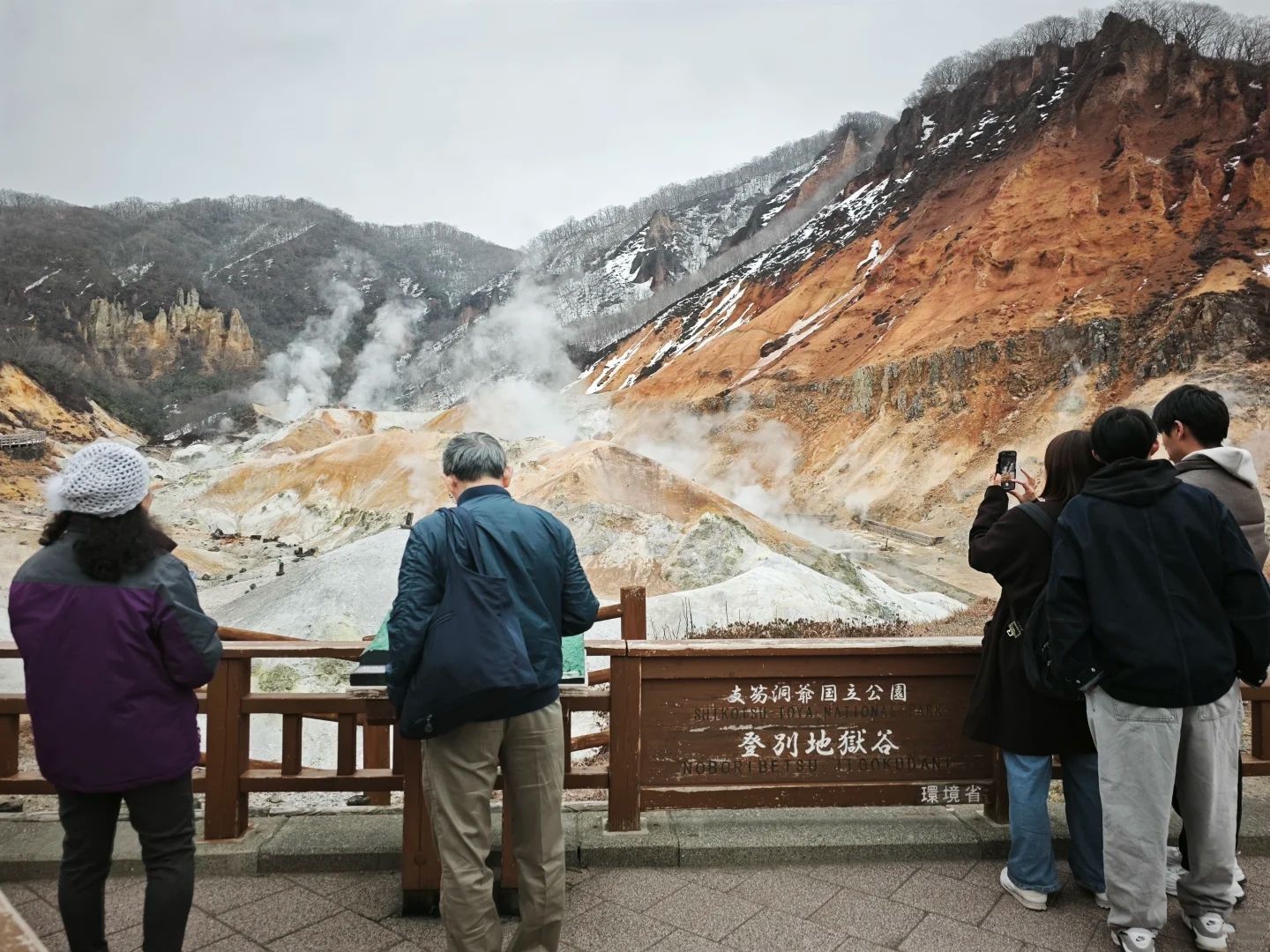
Noboribetsu and Lake Toya, the volcanic and onsen alternate. Sulfur valleys, hell-valley walks, onsen towns. A strong shoulder-season and winter backup when the fields are off, and a clean summer alternate to Furano. One day heavyweight from Sapporo. A coach or a private car is often kinder than a diagonal self-drive. Overnight only when the onsen is the point of the stay.
Snow country and ski, the white season. Niseko and its peers are named products—see our guide on Skiing Japan in 2027: Pick the Month, Not the Mountain: lessons, lift logistics, powder odds, a recovery onsen. One look at the snow, or a local ski day from Sapporo, can work. A ski holiday is a base change. It is not a Sapporo footnote. IC cards typically work as far as Otaru. Beyond that, buy tickets or a pass for the mountain leg.
Asahiyama Zoo and Asahikawa. Popular with families. One day. Not stacked with peak Furano and Otaru on the same legs.
East Marvel pacing: one nature or onsen heavyweight per day. The season chooses the face. We do not sell lavender and powder as the same calendar week, or Furano, Noboribetsu, and Otaru as one optimistic loop.
Longer products: Hakodate, the east, ski
Hakodate's night view and morning market. Its own nights, often one or two. Not a casual day trip from Sapporo.
Shiretoko, the eastern parks, and drift ice. A dedicated block. Flights, or a long overland. Not on a three-night Sapporo quote.
A full ski week. Sleep at the mountain, Niseko or its peers. Sapporo is the arrival and the exit. It is not the slope hotel.
Noboribetsu or Toya as a day trip. Fine as the day-4 heavyweight on a 4–5 night stay. Pick it instead of Furano or Asahiyama, not in addition.
The whole island in four nights. We refuse that. Pick the Sapporo radius, or extend the nights.
Sapporo nights buy the capital and Otaru. Second-base nights buy real nature, ski, or Hakodate. The eastern wilderness buys its own itinerary, or it stays off the plan.
When to go
The green comfort default is about June through September. Flower peaks need early locks. August can be busy. The days are long. Nature days earn their keep.
The iconic snow city is early February, the Sapporo Snow Festival. Confirm that year's dates. Book months ahead. Crowds and prices spike. Worth it only if the festival is the ask. The sculpture sites are typically free to walk. The hotels are not a walk-up.
Powder winter is about December through March. Ski and white landscapes. Dress, ice grips, and transfer buffers are part of the product. New Year spikes.
The shoulder is about May, and October through November. Quieter. Some attractions shorten their hours. Foliage or an early snow window can be beautiful. Confirm it live. Noboribetsu and Toya often hold their value when the fields are closed.
Plan around Golden Week, Obon, year-end and New Year, the peak lavender weekends, and Snow Festival week. Hotels, cars, and limited-express seats spike. Lock them early, or shift the dates.
How to spend 3–5 nights
Slow first, heavyweight second, blank last. One heavyweight per day. Season first. The Sapporo hub, unless a second base is paid for in nights.
Three nights is an arrival day, two full days, and a morning exit, or three activity days if you leave the following morning. We print the exit on the quote, so the last day does not pretend to be endless.
Day 1, soft landing. Arrive at New Chitose. The JR Rapid or Special Rapid to Sapporo is often about 33–37 minutes, plus the walk in the station, or an arranged transfer. Learn the grid and a konbini. An easy dinner near the hotel, or a light Susukino. Orient. Do not finish the menu.
Day 2, the capital and the food. A morning seafood lane, then the Odori axis and one indoor or park deepen, then a jingisukan or soup-curry night with intent.
Day 3, Otaru. The canal, a town walk, one lunch lane. About 30–35 minutes by JR each way. Back to Sapporo for a lighter night.
Day 4, when four nights are held. The nature or onsen day. Furano and Biei, or Noboribetsu and Toya, or a snow and ski day, or Asahiyama. Pick one, by season. A soft evening.
Day 5, when five nights are held. Blank, deepen, or a buffer. A second food focus, a festival evening if the dates align, a weather makeup, a short local day, or a buffer before the flight. Not a new corner of the island.
Days 6 and 7. A second base. A Furano overnight, a Niseko ski block, or the Hakodate face. Only when the nights are real.
Three nights only. Keep day 1 soft, day 2 the capital and the food, day 3 Otaru. Nature and onsen wait.
Two nights only. A classic Sapporo landing. Otaru as an optional half-day if the energy allows. Nature waits.
On Snow Festival weeks, keep Otaru, but let the Odori evenings share the night budget with Susukino. Do not walk every site until midnight and still expect a 7 am start. On a powder brief, day 4 may be a guided snow day closer to Sapporo, if Niseko is not a base change.
Stacking with Tokyo and Osaka: Hokkaido as the open or the close of a Japan trip works. Squeezing it between Tokyo's 3–4 nights and Kansai's 2–3 on a short total usually starves someone. Protect Tokyo's layers. Protect Osaka's food nights if Kansai is sold. Hokkaido gets a named block, or a clean next Japan.
What we would do, and what we would not
We would default first-timers to a Sapporo hub for 3–5 nights.
We would give Otaru a real day. About 30–35 minutes by JR, and still not a raid.
We would choose one seasonal nature or onsen heavyweight, and print the travel time on the quote. Furano is about two hours each way.
We would add a second base only when 6–7 nights, or a ski week, pay for it.
We would tell a guest on a short Japan trip when Hokkaido should wait.
We would not sell Shiretoko, or the whole island, on a 3–4 night Sapporo stay.
We would not stack Otaru, Furano, and a Susukino checklist into one date.
We would not treat Snow Festival week as a walk-up hotel market.
We would not put a nervous winter driver on an unguided mountain road without a backup.
We would not default a New Chitose airport hotel as the sightseeing base.
We would not promise lavender on a frozen calendar date, or crab at every meal.
We would not swap Tokyo's 3–4 night capital layers for one Hokkaido soup night and call Japan balanced.
Practical information
Where to stay. Sapporo, at Odori, by the station, or on a quiet edge of Susukino, is the first-timer default: food and JR access. The Furano and Biei area is the green-season second base, when the nights allow. Niseko and the ski resorts are the winter-sports product. Sleep in the snow. Noboribetsu and Toya when the steam is the stay, not a checkbox. Hakodate is the southern face, with its own nights. Never default a hotel near New Chitose as the sightseeing base unless the brief is a pure transit sleep.
How to move. New Chitose to Sapporo on the JR Rapid Airport or the Special Rapid, often about 33–37 minutes, or an arranged transfer. We print the option that matches the luggage and the arrival hour. In the city: subway, walking, and taxi. IC cards, Suica, Pasmo, Kitaca, and their peers, work on the core urban network and the JR to Otaru. Confirm it live. Beyond Otaru, toward ski country, expect a separate ticket. Out of the city: a limited express, often all-reserved on the key Hokkaido expresses, a guided day coach, or a private car when the party needs door to door. Winter roads and summer farm lanes are different skills. A car is a tool. It is not the default boast.
Etiquette and bookings. A seafood counter or a jingisukan house: reserve when the meal is the point. In a festival week or a lavender week, the rooms come first. For ski: lessons and the lift plan before the romance. Limited-express seats in a peak period: book ahead. Weather cancels views. We write buffers, not guarantees.
How to start. Send the month. The season is the product. Send the Hokkaido nights you have, whether you arrive and leave at New Chitose, the ages in the party, snow or green, ski or not, whether you lean Furano or Noboribetsu, whether you want a second base, allergies, and luggage size. East Marvel locks the Sapporo hub against two bases first, then Otaru and one nature or onsen heavyweight. Hotel romance and blank hours come after.
About East Marvel
East Marvel builds private Asia trips for Western and international guests, with the same pacing as the Tokyo and Osaka guides. We do not ask whether the lavender field is viral. We ask whether the brief is Sapporo food nights, an Otaru day, green fields, volcanic onsen, or powder. The capital clusters recovery and appetite. Nature gets one square on the calendar. The eastern wilderness and Hakodate wait for real nights.
Related reading: our Tokyo Travel Guide: Why It's Worth at Least 3–4 Nights, our Osaka Travel Guide: Why It's Worth at Least 2–3 Nights, and our Mount Fuji Travel Guide: Why It's Worth at Least 1–2 Nights. We do not point at a page that is not up.
FAQ
Are 3 nights enough for a first visit? Enough to enter: Sapporo food and Otaru. Four or five nights feel right when you want one seasonal nature or onsen day without rushing. A whole-island loop needs a week or more, or a second trip.
Summer or winter? Different products. Green for fields and long days. White for the snow city, powder, and hot pots. Shoulder months often lean Noboribetsu and Toya. We do not blur them into one generic Hokkaido week without choosing a face.
Do we need a car? Not for a Sapporo and Otaru core. Nature days and ski bases often benefit from guided transport, or a careful private car, especially in snow.
Is Furano realistic as a day trip? Yes, with eyes open: roughly two hours each way by limited express, plus the local moves. Worth it on a 4–5 night stay as the single nature day. An overnight is kinder on 6–7.
Is Otaru enough as a day trip? Yes for most first stays, about 30–35 minutes by JR. Overnight only when the brief is the port in depth, or the Sapporo nights are already plentiful.
Can we add Hakodate or Shiretoko? Yes, when the nights and the transfers are paid for. On a short Sapporo block we keep them off the menu, rather than half-sell them.
Good with kids or seniors? Yes, with shorter outdoor windows, indoor backups, and fewer station stairs. Asahiyama suits many families. Onsen towns need care on wet floors. We grade the walks on the plan.
Best time for the Snow Festival? Early February. Confirm that year's dates, and book early. The sites are typically free to walk. If the hotels are gone, we shift to a snow stay outside the festival week, rather than a bad room.
Is an airport hotel all right? For a late landing or a dawn departure, yes. As the base of the trip, no. Sightseeing lives in Sapporo, or in the named second base.
Closing
Hokkaido is not Japan's northern layover. It is an island with a capital and a season: market mornings in Sapporo, canal stone in Otaru, one field day or one steam day or one white day when the calendar allows, and a second base only when you pay for it in nights.
Protect Tokyo's layers. Protect Osaka's food nights if Kansai is on the quote. Then give Hokkaido 3 nights to arrive, 4–5 to breathe, and a week when the map grows.
Send the month, the nights, and whether you want green fields, onsen steam, or snow. East Marvel will recommend the radius that fits, and quote the version we will run.